Practical Strategies and Pitfall Avoidance Guide for Incoming Quality Inspection of Bearing Raw Materials
Wedoany.com Report on Mar 2nd, In bearing manufacturing enterprises, the quality of bearing raw materials directly impacts the lifespan and reliability of the final product. This article targets quality management, procurement, and supply chain management personnel, providing an in-depth analysis of the core process of Incoming Quality Control (IQC). It compares on-site rapid identification techniques, outlines key inspection metrics, and offers prevention and handling solutions for common issues such as steel mixing and decarburization, helping to secure the first line of defense for quality.
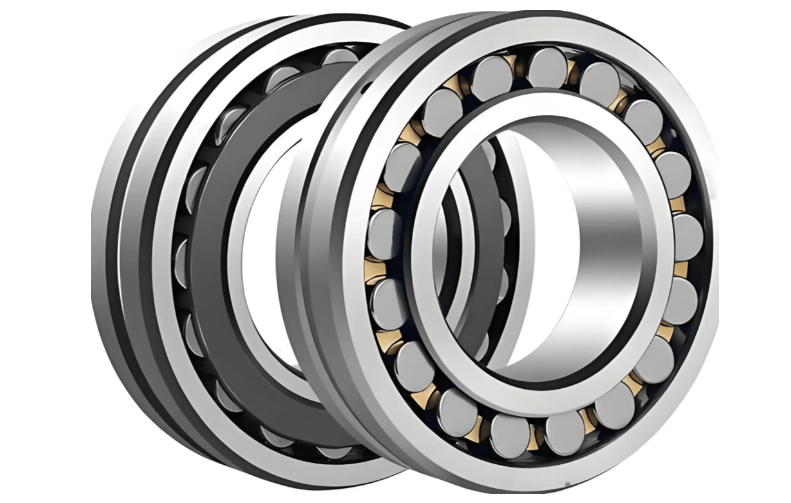
Incoming acceptance is not a simple receiving action but a rigorous logical verification system. According to standard operating procedures, a complete acceptance loop includes core steps: documentation compliance review, preliminary appearance and dimensional screening, and in-depth physical and chemical performance testing. Documentation review involves checking the quality certificate, confirming the heat/batch number matches the physical label, and verifying that chemical composition and mechanical property data meet requirements. Visual inspection focuses on macroscopic defects such as cracks and folds on the steel surface, and verifies dimensional tolerances. Physical and chemical testing involves hardness tests, metallographic structure analysis, and non-destructive testing to assess the internal quality of the material.
In the warehouse or unloading area, rapid judgment of material authenticity relies on two methods: spectroscopy analysis and spark testing. Experts recommend establishing a dual mechanism of "spark preliminary screening plus spectroscopy verification." First, use the spark method to quickly eliminate abnormal items, then conduct targeted spectroscopic sampling on qualified items to balance efficiency and accuracy. Selecting appropriate testing tools is crucial for ensuring data precision, and core inspection items must be executed according to standards.
In practice, steel grade mixing and excessive decarburization layer are frequent and highly detrimental issues. Steel grade mixing can lead to heat treatment scrap or early failure at the client's end. Defense strategies include physical segregation, color coding management, and traceability mechanisms. An excessive decarburization layer can reduce surface hardness and wear resistance. Handling suggestions involve front-loading detection, processing allowance evaluation, and source feedback. Bearing quality begins with raw materials. Building an effective incoming inspection system requires collaboration between the quality department, procurement, and the supply chain. Securing the first checkpoint is essential for winning trust in the market with high-quality products.
Related Products





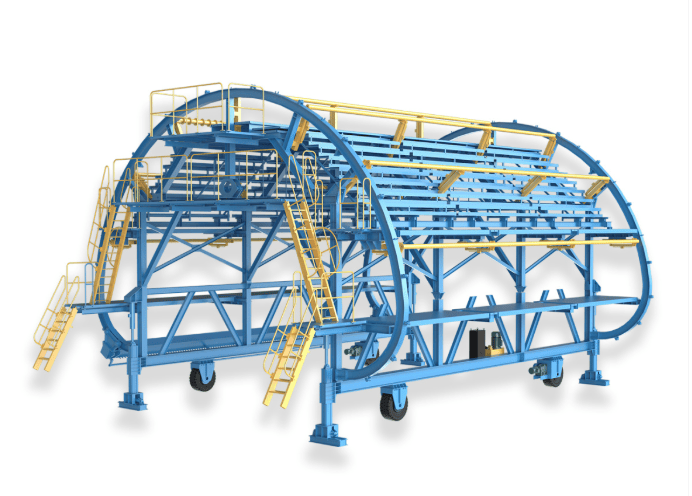
QLZNGJ Intelligent Steel Reinforcement Trolley
Luoyang China Railway Qiangli Machinery Co., Ltd.
Standard Nozzle Flowmeter
Jinggong Automatic Control Instrument Complete Technology Development Company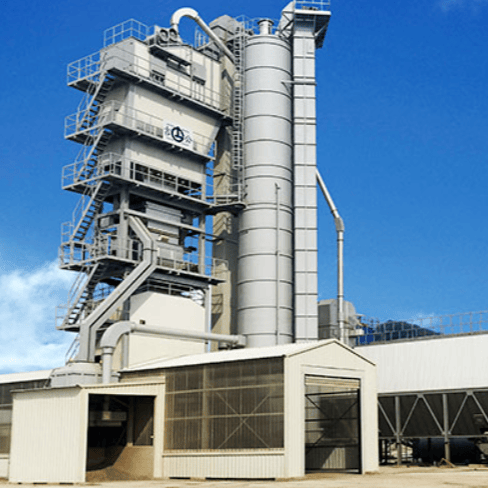
LBH4000 Batch Environmental Protection Asphalt Mixing Plant | Asphalt Batching Plant | Asphalt Mixing Plant
Jilin Province Road Construction Machinery Co., Ltd.