en.Wedoany.com Reported - On June 4th, news from the Wedoany Global Outlook Daily in the transportation and logistics sector indicates that the global transport market is shifting from a focus on single-mode capacity expansion to a parallel advancement of cross-border corridor construction, green port and shipping initiatives, railway and highway concessions, logistics real estate upgrades, air cargo hub cooperation, and the deployment of intelligent dispatch systems. For Chinese engineering firms, equipment manufacturers, logistics service providers, and digital solution vendors, opportunities lie not only in "transportation" itself but also in corridor connectivity, port infrastructure, vehicle and vessel equipment, warehousing systems, intelligent dispatch, green compliance, and multimodal transport operation capabilities.
I. Key News Summary
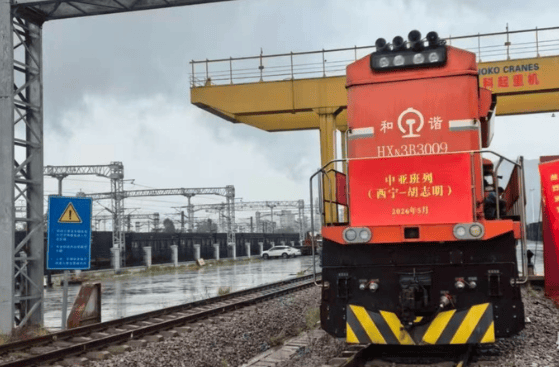
1. First International Train from Qinghai, China to Ho Chi Minh City, Vietnam Departs via Pingxiang Railway Port in Guangxi
Core Content: On June 1st, the first international train departing from Shuangzhai Station in Xining, Qinghai, China, and exiting via the Pingxiang Railway Port in Guangxi, successfully arrived at its destination in Ho Chi Minh City, Vietnam. The train carried approximately 1,000 tons of PVC cargo, operating in three batches over a total distance of about 3,200 kilometers.
Global Outlook: This route directly connects the inland industries of Northwest China with the ASEAN consumer and manufacturing markets, demonstrating that cross-border railway trains are evolving from a supplementary channel for foreign trade through coastal ports into a crucial logistics organization method for inland industrial goods entering the Southeast Asian market. For Chinese logistics companies, opportunities lie in cross-border railway agency, container dispatch, port customs clearance, overseas last-mile delivery, and coordination with local warehousing and distribution in Vietnam.
2. Direct Flight from Datong, Shanxi, China to Ulaanbaatar to Resume Soon
Core Content: The direct flight route from Datong, Shanxi, China to Ulaanbaatar, Mongolia is about to resume operations, providing a more convenient air corridor for personnel exchanges, business travel, and regional cultural and tourism cooperation between China and Mongolia.
Global Outlook: The resumption of the flight itself is not a large-scale engineering order, but it reflects the recovery of regional economic exchanges between China and Mongolia. Sectors like coal, minerals, engineering construction, and cross-border trade typically rely on stable business transportation support. There is sustained potential for synergy in related aviation services, airport support, border logistics, and business travel services.
3. Guangzhou Shipyard International Signs Contract with Greece's Pleiades Shipping for Two 50,000 DWT Oil Tankers
Core Content: Guangzhou Shipyard International (GSI) signed a contract with Greece's Pleiades Shipping during the Posidonia Maritime Exhibition for the construction of two 50,000 DWT oil tankers. The project involves international shipbuilding, fleet renewal for the shipping company, and Sino-Greek maritime industry cooperation.
Global Outlook: Greek shipowners have long been major buyers in the global newbuilding market. Chinese shipyards maintain a strong order book foundation for medium-sized oil tankers, bulk carriers, container ships, and green vessel types. Ship orders also drive the export of supporting products such as main engines, deck machinery, ballast water treatment systems, marine electronics, coatings, and marine cables.
4. MARIC Launches Five New Green and Intelligent Ship Designs at Posidonia
Core Content: The Marine Design & Research Institute of China (MARIC) launched five independently developed new green and intelligent ship designs at the Posidonia Maritime Exhibition in Greece. These designs cover oil tankers, bulk carriers, container ships, and other segments, targeting international shipowners' needs for greener and smarter fleet renewal.
Global Outlook: Green and intelligent ship designs are becoming a key criterion for international shipowners when selecting new vessels. Chinese ship design institutions need to provide comprehensive solutions encompassing fuel adaptability, energy efficiency indicators, intelligent navigation, class certification, and lifecycle operating costs, rather than just delivering blueprints.
5. Completion and Operation of Funing Port in Yunnan, China Within the Year to Create a Direct Golden Waterway to Beibu Gulf
Core Content: Funing Port in Yunnan, China is scheduled to be completed and operational within the year. Its operation, combined with the construction of the Pinglu Canal, is expected to establish a water transport corridor from Yunnan to the Beibu Gulf, improving cargo export conditions for the southwestern region.
Global Outlook: The value of Funing Port lies not only in regional port construction but also in creating a lower-cost waterway export chain connecting industrial goods, mineral resources, and agricultural products from Southwest China with the ASEAN market. Port handling equipment, warehousing, collection and distribution systems, road-water intermodal information platforms, and cold chain facilities will be subsequent points of focus.
6. South Africa's Traxtion Completes USD 86 Million Equity Financing for Railway Investment
Core Content: Traxtion, an independent railway operator in South Africa, completed an USD 86 million equity financing round. Funds from institutions like STANLIB will be used for investment in railway assets and operational capabilities.
Global Outlook: The South African railway market is attracting private capital, indicating a gradual shift from government-led to diversified investment in African freight railways. Chinese companies can explore niche opportunities in rolling stock, railway communication and signaling, track maintenance equipment, spare parts supply, and operation and maintenance training.
7. Austria's voestalpine Launches UniAC[2] Axle Counting System
Core Content: Austria's voestalpine launched the UniAC[2] axle counting system. It uses wheel sensors installed on the track to identify train occupancy and line vacancy status, enhancing railway operational safety and signaling system reliability.
Global Outlook: Railway digital upgrades involve more than just rolling stock and track investment. Axle counting, signaling, dispatching, inspection, and safety systems are also crucial components of overseas railway projects. Chinese companies in the rail transit export sector need to bundle hardware supply with local certification, interface adaptation, and maintenance services.
8. Spain's Renfe Procures 30 High-Speed Trains in EUR 1.36 Billion Contract
Core Content: Spain's Renfe initiated a procurement for 30 high-speed trains with a contract value of approximately EUR 1.36 billion. The target commercial operating speed is 350 km/h, with the option to order an additional 40 trains subsequently.
Global Outlook: The European high-speed rail market still has demand for renewal and expansion, but entry barriers are high, focusing on technical standards, operational safety, certification, and localized services. For Chinese rail transit companies, direct entry with complete trainsets is difficult, but opportunities exist in traction systems, onboard equipment, inspection systems, components, and maintenance tools through collaborative partnerships.
9. Brazil's iFood Expands Drone Delivery to Barueri
Core Content: Brazilian food delivery platform iFood is expanding its drone delivery service to Barueri in the Greater São Paulo area, primarily addressing delivery efficiency and high rejection rates in gated communities.
Global Outlook: Urban logistics scenarios in Brazil are experimenting with drone delivery, reflecting the demand for efficiency, punctuality, and solutions for specific community scenarios in last-mile logistics. The commercialization progress will depend on drone airframes, dispatch platforms, low-altitude communications, takeoff and landing infrastructure, and regulatory compliance capabilities.
10. Port of A Coruña, Spain Hosts Four Cruise Ships Simultaneously on June 3, Expected to Generate USD 1.2 Million
Core Content: The Port of A Coruña in Spain hosted four cruise ships simultaneously on June 3rd, involving approximately 14,400 passengers and crew. Through services organized across multiple terminals, shuttle buses, and shore excursions, the event is expected to generate an economic impact of about USD 1.2 million.
Global Outlook: Cruise port operations emphasize terminal organization, shore power, passenger flow management, security, shuttle services, and linkage with city tourism. Chinese companies involved in port construction, smart passenger terminals, ticketing systems, and comprehensive port area services can seek international cooperation opportunities from the recovery of the cruise economy.
11. India's Tata Motors Launches Intra V40 Bi-Fuel Light Truck
Core Content: India's Tata Motors launched the Intra V40 bi-fuel light truck, combining CNG and petrol. With a payload capacity of approximately 1,525 kg, it targets urban delivery and short-to-medium distance freight needs.
Global Outlook: The Indian light commercial vehicle market has a clear demand for low-cost, fuel-efficient, and multi-fuel adaptable vehicles. When Chinese commercial vehicle and component companies enter similar markets, they should prioritize fuel structure, maintenance networks, financial solutions, and local assembly policies.
12. UK's Tritax Big Box REIT Sells Logistics Project for GBP 199 Million
Core Content: UK-based Tritax Big Box REIT sold a portfolio of logistics assets to EQT Real Estate for approximately GBP 199 million. The assets include logistics properties in locations like Leamington Spa.
Global Outlook: Active trading of logistics real estate in mature markets indicates that warehouse assets remain a key infrastructure category attracting capital. When Chinese companies expand overseas for overseas warehouses, cross-border e-commerce warehouses, and contract logistics, they need to pay attention to land, leases, asset retrofitting, and long-term cash flow stability.
13. UK's AR Racking and Others Deliver 5,370 Pallet Position Racking System
Core Content: AR Racking and First Floors Mezzanine delivered a customized racking system with 5,370 pallet positions for a warehousing and production facility in the UK, serving clients in the construction chemicals and adhesives sector.
Global Outlook: Warehousing systems are evolving from simple rack supply to system engineering designed according to industry categories, fire safety codes, forklift aisles, and inventory turnover. Chinese warehousing equipment companies going global should offer design, installation, acceptance, and subsequent expansion solutions, not just individual products.
14. Mexico's CAINTRA Seeks to Restart the Northern Triangle Corridor with USD 66 Billion Annual Cargo Value
Core Content: CAINTRA, the industrial chamber of Nuevo León, Mexico, is promoting the restart of the "Northern Triangle Corridor" highway project. This corridor connects nodes like Laredo, Colombia, and Monclova, handling an estimated annual cargo value of USD 66 billion.
Global Outlook: The restructuring of North American manufacturing is driving up the value of cross-border highway corridors in Mexico. Road construction, freight fleets, border clearance, terminals, warehousing, and traffic monitoring systems are all supporting needs arising from the nearshoring of industrial chains.
15. Germany's Fiege Group Tops Out 52,000 sqm Logistics Center on June 2
Core Content: Germany's Fiege Group is constructing a multi-user logistics center of approximately 52,000 square meters in Hessisch Lichtenau. The project includes warehouse units, office and ancillary spaces, scheduled for completion in autumn, and equipped with electric truck charging, rooftop photovoltaics, and heat pumps.
Global Outlook: Low-carbon configurations have become standard requirements in European logistics center construction. When Chinese companies enter the European warehousing engineering and equipment market, besides racking, conveying, and sorting systems, they also need to focus on energy efficiency, building certifications, charging infrastructure, and sustainable material requirements.
16. ICTSI Acquires Brazilian Logistics Company CRAGEA in June
Core Content: International Container Terminal Services Inc. (ICTSI), through its subsidiary IRB Holding, acquired CRAGEA, a logistics company based in São Paulo, Brazil. CRAGEA's operations cover general warehousing, bonded warehousing, and multimodal logistics.
Global Outlook: Port operators extending into inland warehousing and bonded logistics indicates that terminal competition has expanded from berth efficiency to control over hinterland networks. If Chinese port and shipping companies participate in overseas port projects, they should simultaneously assess inland nodes, bonded warehouses, and multimodal transport resources.
17. Azerbaijan-Georgia-Turkey Transnational Railway Opens After Upgrade with 5 Million Tons Annual Capacity
Core Content: The Azerbaijan-Georgia-Turkey transnational railway opened after upgrades, achieving an annual transport capacity of 5 million tons, further strengthening the railway corridor capacity between Europe and Asia.
Global Outlook: Transnational railway corridors are critical infrastructure for the flow of goods between Europe and Asia. They involve line upgrades, border transshipment, dispatch systems, station expansion, and container organization. Chinese companies can focus on corridor synergy and equipment supply in directions like China-Europe, Central Asia, and the South Caucasus.
18. Philippines Approves 2026 Investment Priorities Plan Covering Logistics and Shipbuilding
Core Content: The Philippines approved its 2026 Investment Priorities Plan, providing a basis for tax incentives. Key focus areas include industries such as logistics and shipbuilding.
Global Outlook: Southeast Asian countries are guiding manufacturing and logistics capability upgrades through investment priority lists. Chinese companies can focus on opportunities in Philippine port logistics, cold chain, ship repair, component supply, and industrial park warehousing. However, they must proactively research tax incentives, land regulations, and local joint venture requirements.
19. World Bank Approves USD 372 Million to Support Georgia in Upgrading the Trans-Caspian Transport Corridor
Content: The World Bank approved USD 372 million in financing to support Georgia in upgrading the Trans-Caspian Transport Corridor, enhancing its role in Eurasian trade.
Global Outlook: The Trans-Caspian Corridor is an important alternative route connecting Central Asia, the South Caucasus, and Europe. Multilateral development bank financing implies greater emphasis on transparent tendering, environmental and social standards, and long-term operational capacity. Chinese contractors and equipment suppliers need to use compliant bidding and local partnerships to lower entry barriers.
20. Belgium's Kpler Receives Over USD 1 Billion Investment
Core Content: Kpler, a trade intelligence and maritime analytics provider, received a strategic growth investment of over USD 1 billion from Sixth Street. The funds will be used to expand into adjacent markets, accelerate product development, and consolidate its physical commodity intelligence business.
Global Outlook: Shipping and commodity trading are increasingly reliant on real-time data, vessel tracking, energy cargo flows, and risk analysis. When Chinese logistics, shipping, and trading companies go global, they need to strengthen their data capabilities, particularly in areas like vessel schedules, cargo sources, port congestion, sanctions risk, and freight rate forecasting.
21. UK's AtkinsRéalis Wins Belfast BRT2 Design Contract; Project Total Investment GBP 124.5 Million
Core Content: AtkinsRéalis secured the detailed design and construction management contract for Phase 2 of the Belfast Rapid Transit system in the UK. The contract period runs from 2026 to 2032, with a total project investment of GBP 124.5 million.
Global Outlook: Overseas urban public transport projects typically release planning, design, consulting, and supervision contracts first, followed by construction and equipment procurement phases. If Chinese companies wish to participate in similar projects, they should engage early in technical standards, system integration, vehicle selection, and operational organization plans.
22. Ghana Receives First 100 Egyptian-Made Buses; Contract Worth USD 200 Million
Core Content: Ghana received the first batch of 100 Egyptian-manufactured buses under a contract valued at USD 200 million. The total procurement plan is for 300 buses, which will be operated by Metro Mass Transit, with potential extensions to railway, maritime, and aviation cooperation.
Global Outlook: The African public transport market has demands for complete vehicles, components, operations & maintenance, and local manufacturing content. If Chinese bus companies enter similar projects, they need to provide vehicles, spare parts, training, financing, and local assembly cooperation packages simultaneously.
23. Port of Los Angeles Commissions 350-Passenger Hybrid Vessel
Core Content: The Port of Los Angeles commissioned the 350-passenger hybrid vessel "El Esquero." The vessel can switch between pure electric, diesel, and hybrid modes. The project received funding support from CARB and port matching funds.
Global Outlook: Port vessel emission reduction is moving from policy targets to demonstration operations. Marine batteries, hybrid propulsion, shore power, charging infrastructure, vessel energy efficiency management systems, and port emission monitoring could all become procurement priorities for green port construction.
24. US WWEX and Auctane Merge to Form ShipStation Global
Core Content: WWEX Group and Auctane completed their merger, forming a new company named ShipStation Global. The entity integrates freight brokerage platforms, sales networks, AI-powered transportation software, global carrier connectivity, and automation technology. It serves over 3 million customers and handles over 3 billion shipments annually.
Global Outlook: Competition among logistics platforms is shifting from simple capacity matching to the integration of software, carrier networks, financial services, and automation tools. Chinese cross-border logistics companies need to prioritize system capabilities and customer data accumulation; otherwise, it will be difficult to build stickiness in the global SME logistics service market.
25. Finland's Flovi Enters Spanish Market with AI Vehicle Dispatch Platform
Core Content: Finland's Flovi entered the Spanish market, launching an AI-based vehicle dispatch and logistics management platform. Already operating in Finland, Sweden, and Poland, it plans to cover 10 European markets by 2028.
Global Outlook: Automotive logistics is transitioning towards digital dispatch, real-time tracking, and driver organization optimization. If Chinese software and telematics companies enter the European market, they need to adapt to local driver management, data compliance, insurance liability, and vehicle delivery processes.
26. dnata Secures Multi-Year Cargo Contract from Silk Group in Singapore
Core Content: dnata signed a multi-year contract with the Silk Group to provide cargo and freighter handling services at Singapore Changi Airport. It is expected to handle over 15,000 tons of cargo annually, covering general cargo, temperature-controlled cargo, and specialized equipment for the oil & gas, aviation, and aerospace sectors.
Global Outlook: The core of air cargo hub competition lies in ground handling efficiency, temperature control capabilities, specialized equipment handling, and aircraft turnaround. Chinese air logistics companies, cold chain equipment suppliers, and specialized cargo packaging firms can explore outsourcing opportunities at Southeast Asian aviation hubs.
27. Japan's NYK Logistics Launches AI-Driven Supply Chain Disruption Radar
Core Content: NYK Logistics launched a Supply Chain Disruption Radar that transforms global news, carrier notifications, and operational insights into actionable intelligence. It is integrated with the Yusen Vantage Performance supply chain visibility platform.
Global Outlook: International logistics clients have evolved from "tracking where the cargo is" to "proactively identifying risks and providing contingency plans." Chinese logistics technology companies should prioritize risk alerts, anomaly detection, alternative route recommendations, and customer visibility platform development.
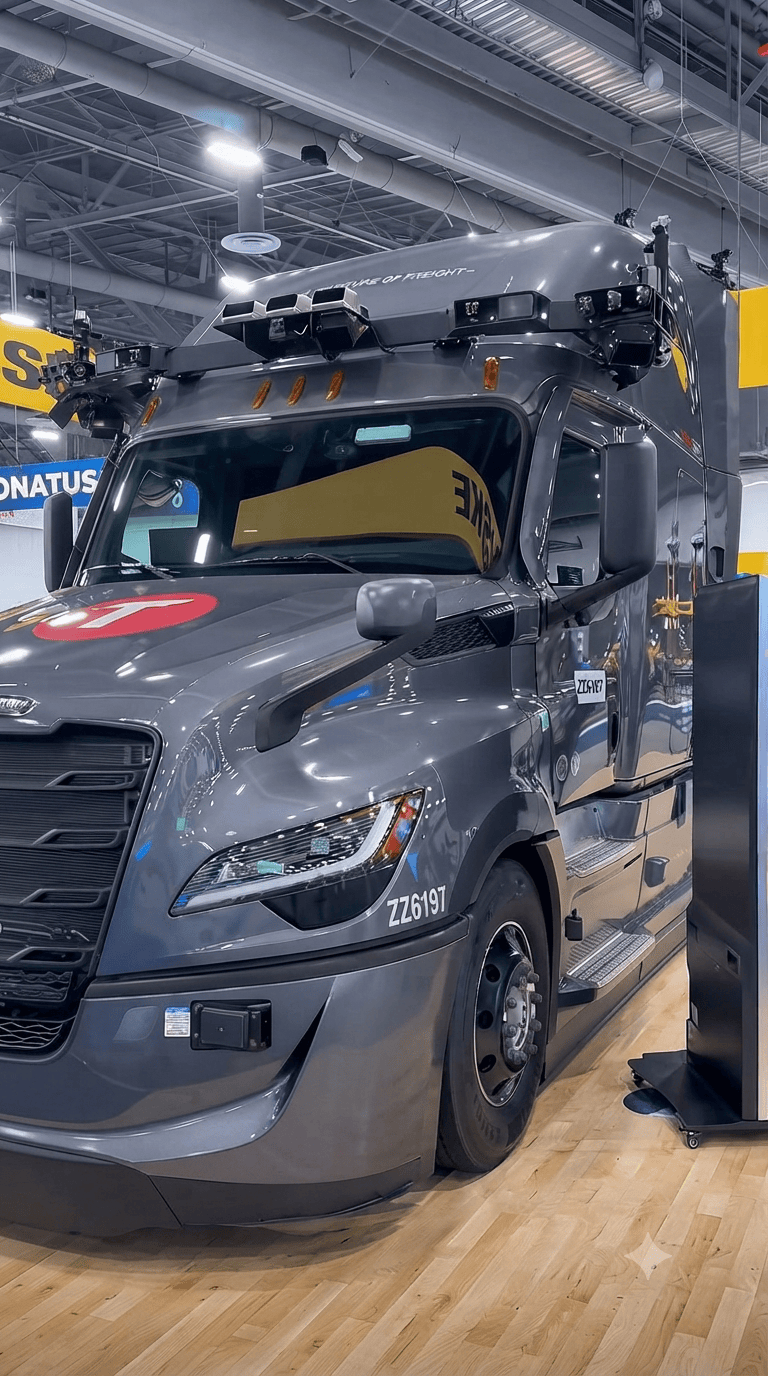
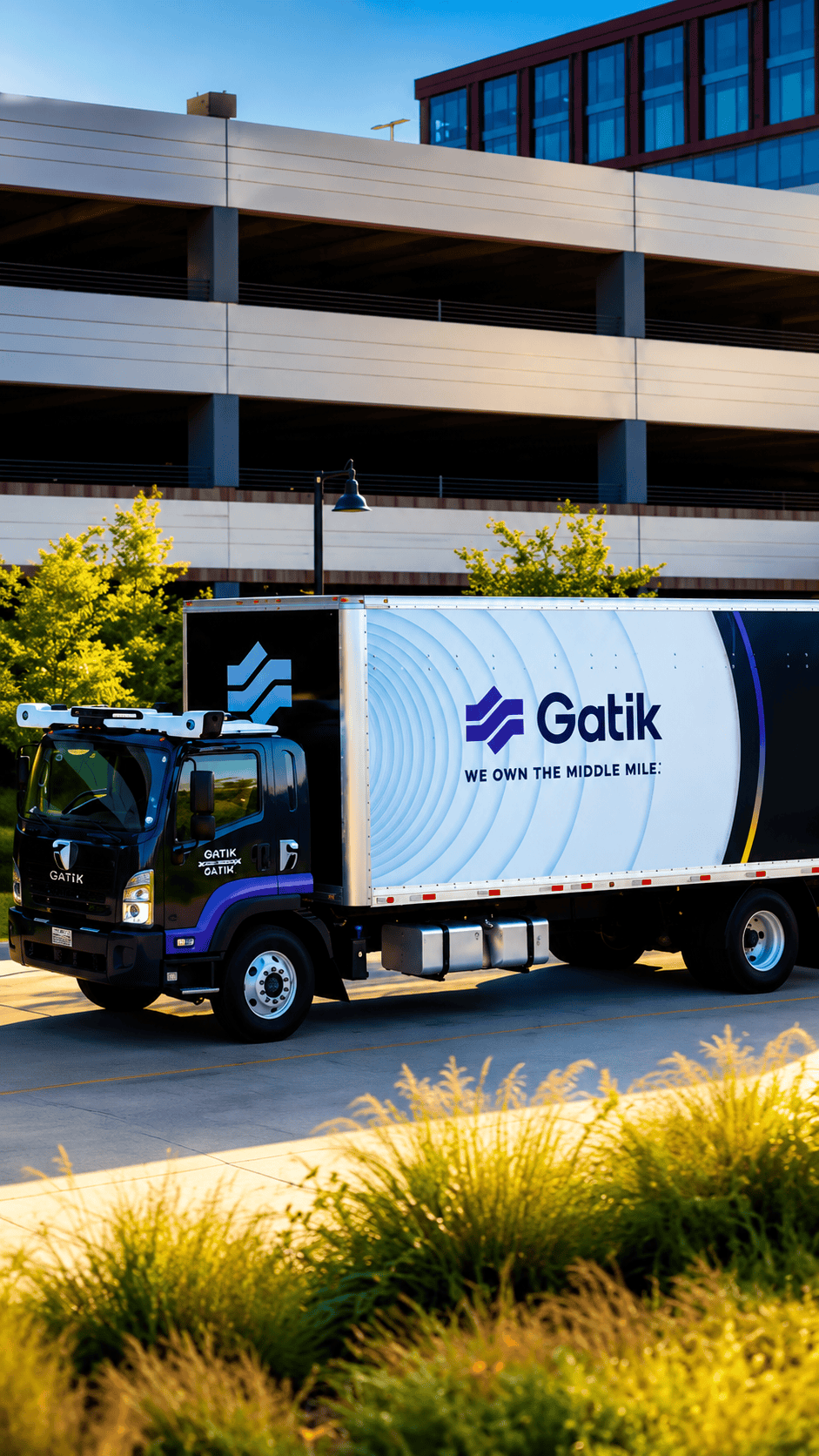
28. UK's eFREIGHT Alliance Publishes Early Deployment Use Cases for Autonomous Heavy Trucks
Core Content: The UK's eFREIGHT Autonomous Alliance published research findings on autonomous heavy trucks, suggesting that hub-to-hub trunk transport and intermodal shuttle services are viable starting points for early commercial deployment.
Global Outlook: The path to autonomous freight deployment is not about directly replacing all drivers, but starting with fixed routes, fixed hubs, and closed or semi-closed environments. Chinese heavy truck, sensor, V2X, and dispatch platform companies can prioritize scenarios in ports, industrial parks, mining areas, and trunk line hubs.
29. Brazil's Bertolini Inland Fleet Transports 62,500 Tons of Soybeans in a Single Voyage
Core Content: A large grain inland river fleet operated by Brazil's Bertolini Group transported 62,500 tons of soybeans from Miritituba to Vila do Conde in a single voyage. The capacity is approximately 25% higher than similar operations, and the single voyage is equivalent to removing about 1,250 trucks from the road.
Global Outlook: Brazil's agricultural export logistics is shifting from the traditional road-port model to intermodal transport involving inland waterways, roads, and ports. Chinese companies can focus on inland vessels, tugboat engines, grain storage, port handling, barge dispatch, and agricultural supply chain financial services.
30. Descartes Showcases AI Enabling 30% Route Density Improvement at UK RTX 2026
Core Content: Descartes Systems Group showcased AI-enabled fleet, route planning, telematics, and customer engagement solutions. Early deployments show route density improvements of up to 30%.
Global Outlook: Route optimization is becoming a key tool for logistics companies to reduce costs. When Chinese fleet management, TMS, onboard terminal, and algorithm companies go global, they should translate "savings in drivers, vehicles, fuel, and waiting time" into quantifiable business value.
31. UK's Lloyd's Register Partners with SK Shipping and HD Hyundai to Develop Autonomous Ships
Core Content: Lloyd's Register (LR) from the UK is collaborating with South Korea's SK Shipping and HD Hyundai Group to develop certifiable next-generation autonomous ship designs. The focus covers unmanned bridge operations, digital engine room maintenance, automatic deck operations, and system integration.
Global Outlook: As autonomous ships enter the engineering validation phase, class society certification, system safety, and regulatory adaptation will become core barriers. Chinese companies involved in ship automation, engine room monitoring, intelligent navigation, and remote operations & maintenance need to simultaneously consider the evolution of international rules.
32. Brazil's 502 km Highway Concession Finalized with BRL 4.1 Billion Investment
Core Content: Consórcio 116 Sertões won a 30-year concession for a total of 502 km of highways BR-116 and BR-324 in Brazil. The total project investment is estimated at BRL 8.5 billion, with approximately BRL 4.1 billion allocated for highway expansion and modernization.
Global Outlook: Latin American highway projects extensively use the concession model, with investment focuses on duplication, ring roads, service roads, maintenance, and toll operations. Chinese engineering companies entering such projects need capabilities in investment & financing, construction, operations, and long-term maintenance simultaneously.
33. StormGeo and OceanScore Sign Agreement in 2026
Core Content: StormGeo and OceanScore signed a cooperation agreement during the Posidonia Maritime Exhibition in Greece. The partnership combines operational vessel and emissions data capabilities with compliance workflows for EU ETS, FuelEU Maritime, and future UK ETS.
Global Outlook: Shipping emission reduction has entered the phase of data-driven compliance. Chinese shipowners, ship management companies, and maritime software firms need to focus on emissions data collection, verification, cost settlement, and carbon compliance management; otherwise, future operating costs and chartering competitiveness will be affected.
34. Peru's Senace Approves Million-Dollar Project for Jorge Chávez Airport
Core Content: Peru's Senace approved a project related to Jorge Chávez International Airport, involving airport facility upgrades and aviation infrastructure investment.
Global Outlook: Latin American airport upgrade projects typically drive procurement of terminal systems, baggage handling, apron equipment, security, lighting, low-current systems, and operational systems. Chinese airport equipment companies entering this market should pay attention to environmental approvals, local construction permits, and the procurement pace of the operating entity.
35. Russia's Fesco Adds 600 Reefer Containers
Core Content: Russia's Fesco added 600 reefer containers to enhance its temperature-controlled cargo transport capacity, serving food, agricultural products, and other cold chain logistics needs.
Global Outlook: The expansion of reefer container capacity reflects growing demand for cross-border cold chain transport. Chinese refrigeration equipment, container manufacturing, temperature monitoring, and cold chain operation companies can explore opportunities in food, pharmaceutical, and agricultural product transport along the Russia-Eurasia corridor.
36. China's Independently Developed New-Generation Deepwater Pipelay Vessel Keel Laying Completed
Core Content: The keel laying was completed for China's independently developed new-generation deepwater specialized pipelay vessel. The project targets deepwater offshore engineering and pipeline laying operations.
Global Outlook: Deepwater pipelay vessels are offshore engineering assets and crucial construction equipment for energy transport infrastructure. With the advancement of overseas oil & gas, subsea pipeline, and offshore energy projects, Chinese high-end engineering vessels are poised for stronger participation in the international offshore construction and equipment leasing market.
37. Slovakia's NDS Launches Tender for Košice Ring Road Section Worth EUR 162.5 Million
Core Content: Slovakia's National Motorway Company (NDS) launched a tender for a section of the Košice ring road, with a project scale of approximately EUR 162.5 million.
Global Outlook: Highway projects in Central and Eastern Europe continue to advance urban bypasses and bottleneck relief works. If Chinese contractors participate in similar markets, they need to be mindful of EU procurement rules, environmental assessments, labor compliance, and local subcontracting systems.
38. Walmart US Drone Delivery Service Completes 1 Million Deliveries
Core Content: Walmart's US drone delivery service has cumulatively completed 1 million deliveries, demonstrating that low-altitude delivery has a foundation for scaled operations in retail and community logistics scenarios.
Global Outlook: The commercialization of drone delivery is moving from demonstration projects to order volume validation. Chinese low-altitude economy companies going global need to focus on local airspace approval, community safety, last-mile landing infrastructure, noise management, and platform order density.
39. Shanghai Pudong Airport's Zhihui Port Smart Air Cargo Terminal Commences Operations on June 3
Core Content: Shanghai Pudong Airport's Zhihui Port smart air cargo terminal commenced operations on June 3rd, targeting intelligent, automated, and high-efficiency air cargo handling needs.
Global Outlook: Smart air cargo terminals are crucial infrastructure for competition among international air logistics hubs. China's experience in airport cargo terminal automation, security screening, sorting, warehouse management systems, and cold chain can be exported for overseas airport expansion and cargo hub upgrades.
40. Boten Station on Laos Section of China-Laos Railway Initiates First Major Expansion
Core Content: Boten Station on the Laos section of the China-Laos Railway initiated its first major expansion, focusing on enhancing cross-border railway transport capacity, port operations, and station service capabilities.
Global Outlook: The China-Laos Railway entering the operational capacity expansion phase indicates that cross-border railway projects require attention not only during the construction period but also to subsequent upgrades in stations, ports, warehousing, transshipment, cold chain, and cross-border logistics services.
41. Germany's BOWE Group Focuses on Intralogistics, Launches AMR with 600 kg Towing Capacity
Core Content: Germany's BOWE Group launched an autonomous mobile robot (AMR) focused on intralogistics, with a towing capacity of 600 kg, targeting warehouse, production line, and sorting scenarios.
Global Outlook: Intralogistics automation is moving from large warehouses to manufacturing sites and flexible production lines. When Chinese AMR, AGV, dispatch system, and warehouse integrator companies go global, they need to emphasize stability, open interfaces, and after-sales responsiveness.
42. UK's Sunrise Leases 62,500 sqm Warehouse to ID Logistics
Core Content: Sunrise Real Estate leased a 62,500 square meter warehouse in Rugby, UK, to ID Logistics UK. The site will serve as an e-commerce order fulfillment center for major global online retail clients.
Global Outlook: Cross-border e-commerce and retail logistics continue to drive demand for large-scale warehousing. When Chinese companies build overseas warehouses, they should learn from such asset retrofitting logic, prioritizing order fulfillment efficiency, sustainable retrofitting, tenant stability, and local fulfillment capabilities.
43. German Digital Automatic Coupler Research Project Completed with EUR 30 Million Funding
Core Content: The German research project on the Digital Automatic Coupler (DAC) has been completed, receiving EUR 30 million in funding. It targets improvements in rail freight wagon marshalling efficiency and digital upgrades.
Global Outlook: Improving rail freight efficiency is extending from line capacity expansion to wagon coupling, marshalling automation, and data collection. Chinese railway equipment companies can explore international cooperation in wagon digitalization, couplers, sensors, and maintenance & inspection equipment.
44. Spain's Top Three Logistics Real Estate Markets See 61.6% YoY Absorption Increase in Q1 2026
Core Content: In the first quarter of 2026, absorption in Spain's three major logistics real estate markets increased by 61.6% year-on-year, reflecting sustained active demand for warehousing and distribution networks.
Global Outlook: The heating up of Spain's logistics real estate market is linked to European e-commerce, manufacturing supply chains, and regional distribution restructuring. Chinese cross-border sellers, overseas warehouse companies, and logistics service providers can monitor warehousing layout costs in nodes like Madrid and Barcelona.
45. France's FM Logistic and Motul Inaugurate 45,000 sqm Logistics Platform
Core Content: France's FM Logistic and Motul inaugurated a 45,000 square meter logistics platform to serve the warehousing, distribution, and supply chain management needs for lubricants and related products.
Global Outlook: Industrial goods logistics demands higher standards for safety, segregated storage, batch management, and compliant transportation. When Chinese chemical, lubricant, and automotive aftermarket companies go global, they need to simultaneously configure specialized warehousing and compliant distribution capabilities.
46. Germany's Eight Major Ports Form Alliance; Modernization Needs Estimated at EUR 15 Billion
Core Content: Germany's eight major ports formed an alliance, outlining modernization needs estimated at approximately EUR 15 billion, covering port infrastructure, energy transition, digitalization, and operational efficiency improvements.
Global Outlook: The scale of European port modernization investment is large, but procurement emphasizes long-term reliability, low carbon, and system compatibility. Chinese port machinery, shore power, automated terminal, port software, and energy storage companies should focus on standard adaptation and local partnerships.
47. Port of Vigo, Spain Seeks Inclusion in TEN-T Network Nodes
Core Content: The Port of Vigo in Spain is seeking inclusion as a node in the Trans-European Transport Network (TEN-T) to enhance its corridor status within the European logistics system.
Global Outlook: Ports seeking inclusion in transport networks like TEN-T are essentially vying for higher-level infrastructure funding and cargo organization capabilities. Chinese companies can monitor European port expansion, rail collection/distribution, and port digitalization projects.
48. Saudi Arabia's LogiPoint to Build 12,000 sqm Temperature-Controlled Facility in Jeddah by 2026
Core Content: Saudi Arabia's LogiPoint plans to build a 12,000 square meter temperature-controlled facility in Jeddah, expected to be completed by 2026, serving the supply chains for food, pharmaceuticals, and high-value goods.
Global Outlook: Cold chain infrastructure in the Middle East is expanding alongside food safety, pharmaceutical logistics, and cross-border e-commerce growth. Chinese cold storage engineering, refrigeration equipment, insulation materials, WMS, and temperature monitoring companies can focus on Saudi logistics park projects.
49. Qatar Airways Cargo Launches Energy Logistics Solution 'EnergyLift'
Core Content: Qatar Airways Cargo launched 'EnergyLift', an energy logistics solution targeting the transport needs of oil & gas, energy equipment, engineering materials, and project cargo.
Global Outlook: Transporting energy project cargo demands high standards for timeliness, packaging, heavy-lift handling, and cross-border coordination. When Chinese energy equipment companies go global, they should prioritize integrated project logistics design involving air freight, sea freight, land transport, and on-site delivery.
50. Brazil Launches USD 10.6 Billion Freight Railway Concession Tender
Core Content: Brazil launched a tender process for a freight railway concession totaling BRL 53 billion (approximately USD 10.6 billion). It involves the "Malha Sul" (Southern Network), spanning 4,248 km with a 30-year concession period.
Global Outlook: The Brazilian railway concession unlocks long-term opportunities in engineering construction, rolling stock equipment, signaling systems, operations & maintenance, and financing cooperation. If Chinese companies participate, they need to design solutions based on the cargo structure of different corridors, such as grains, sugar, pulp, fertilizers, and fuel transport.
51. Brazil Adjusts Concession Auction Plans for Six Waterways
Core Content: Brazil adjusted the concession auction plans for six waterways, rescheduling the development of inland navigation, port collection/distribution, and water transport corridors.
Global Outlook: Brazil is advancing railways, highways, and waterways as a combined logistics infrastructure package. For Chinese engineering companies, beyond individual project opportunities, the focus should be on the overall supply chain construction from "agricultural production areas - inland waterways - ports - export vessels."
52. Canada's CPKC Sets Record with 2.9 Million Tonnes of Grain Moved in May
Core Content: Canadian Pacific Kansas City (CPKC) moved a record 2.9 million tonnes of grain in May, reflecting strong demand for North American grain rail transport.
Global Outlook: Grain logistics capacity has become a crucial component of agricultural export competitiveness. Chinese companies involved in grain storage, loading systems, rail bulk grain equipment, port transshipment equipment, and supply chain management can focus on grain logistics upgrades in North America, South America, and the Black Sea region.
53. Norway's Golden Ocean Orders Two Dry Bulk Carriers for Total USD 68.3 Million
Core Content: Norway's Golden Ocean ordered two dry bulk carriers for a total of USD 68.3 million, reflecting demand for dry bulk fleet renewal and shipping asset investment.
Global Outlook: Dry bulk carrier orders correlate with commodity trade cycles for minerals, grains, coal, and construction materials. Chinese shipbuilding and supporting companies can explore opportunities in energy-efficient vessel designs, main engines, environmental equipment, and ship finance cooperation arising from European shipowner fleet renewal.
54. El Al to Resume Tel Aviv-San Francisco Route in October with Three Weekly Flights
Core Content: El Al Israel Airlines plans to resume its Tel Aviv-San Francisco route in October, operating three weekly flights, restoring its long-haul network connectivity.
Global Outlook: The resumption of international routes impacts not only passenger transport but also high-value cargo, business travel, and cross-border service organization. Air freight forwarders, airport services, cross-border e-commerce logistics, and high-end manufacturing supply chains can monitor capacity changes brought about by route resumptions.
II. Global Changes in Transportation and Logistics from the News
1. Cross-border corridor competition is shifting from "having a route" to "securing stable cargo sources and port efficiency." The Qinghai-Vietnam international train, Boten Station expansion on the China-Laos Railway, the reopening of the Azerbaijan-Georgia-Turkey railway, and the Trans-Caspian corridor upgrade in Georgia all indicate that cross-border corridor construction is entering an operational optimization phase. Subsequent competition depends not only on route length but also on container organization, port efficiency, customs clearance convenience, overseas last-mile networks, and multimodal transport connectivity.
2. The main themes in the port and shipping market are the simultaneous advancement of greening, intelligence, and compliance. GSI's oil tanker orders, MARIC's green intelligent ship designs, the Port of Los Angeles' hybrid vessel, the StormGeo-OceanScore emissions compliance partnership, and Lloyd's Register's collaboration with Korean firms on autonomous ships demonstrate that technological competition in vessels and ports is extending from construction capabilities to fuel, emissions, automation, certification, and operational data.
3. Latin American infrastructure investment is intensively releasing railway, highway, and waterway projects. The 502 km highway concession in Brazil, the USD 10.6 billion freight railway tender, the six-waterway concession plan, and the inland fleet soybean transport case collectively reflect that Latin America is restructuring its logistics system around the export of agricultural products, minerals, and industrial goods. This market demands high capabilities in investment & financing, engineering construction, long-term operations, and equipment maintenance.
4. Logistics real estate and warehouse automation are becoming the infrastructure for global supply chain reconfiguration. Dynamics in warehouse leasing, logistics platforms, temperature-controlled facilities, and AMR equipment in markets like the UK, Germany, Spain, France, and Saudi Arabia show that warehousing capacity remains a core fulcrum for cross-border e-commerce, industrial goods distribution, cold chain, and regional distribution. Future opportunities will increasingly concentrate on smart warehouses, low-carbon warehouses, temperature-controlled warehouses, and automation retrofits.
5. Logistics digitalization is entering the "quantifiable cost reduction" and "risk early warning" phase. Cases like Flovi, NYK Logistics, Descartes, and ShipStation Global show that AI is no longer just a concept but is generating tangible value in route density, vehicle dispatch, supply chain disruption identification, carrier connectivity, and customer visibility. The competitiveness of logistics service companies will increasingly depend on data systems and algorithmic capabilities.
III. Opportunities for Chinese Enterprises Going Global
First, focus on system services around cross-border railways and multimodal transport. Chinese companies can enter by focusing on train organization, overseas warehouses, port services, container leasing, customs clearance, cold chain rail, and last-mile delivery in Southeast Asia, transforming single shipments into stable route products.
Second, provide equipment and systems for overseas port and shipping greening. Products like port machinery, shore power, hybrid vessel systems, marine cables, ballast water treatment, emissions monitoring, port charging facilities, and intelligent dispatch systems have application potential in port modernization projects in Europe, the US, and the Middle East.
Third, strengthen investment and financing capabilities when participating in transport infrastructure construction in Latin America and Africa. Projects in markets like Brazil, South Africa, and Ghana often involve long-term concessions, public transport procurement, or private operator financing. Chinese companies cannot rely solely on construction bids; they need to form combined solutions by partnering with financial institutions, local operators, and equipment service providers.
Fourth, logistics equipment companies should focus on overseas warehouses, cold chain, and automation retrofits. Products like racking, shuttles, AMRs, conveyor/sorting systems, cold storage refrigeration, temperature monitoring, WMS, and TMS are suitable for entering warehousing and distribution upgrade projects in Europe, the Middle East, and Southeast Asia. However, they must meet local fire, safety, data, and after-sales standards.
Fifth, transportation digitalization companies should shift from "software going global" to "scenario going global." Overseas clients are more concerned about whether solutions can reduce vehicles, drivers, fuel consumption, waiting time, and anomaly losses. When promoting dispatch, route optimization, supply chain visibility, V2X, and unmanned delivery systems, Chinese companies should tie them to actual operational metrics and local service networks.
IV. Industry FAQ
Q1: When going global, should transportation and logistics companies prioritize transport routes or overseas warehouses?
A: It depends on cargo stability. If there is stable export volume, start with route products and partner warehouses at the destination. If cargo sources are scattered, first cooperate with local warehousing and distribution companies to test order density before investing in self-operated warehouses.
Q2: What is the biggest risk for engineering companies participating in overseas highway and railway concession projects?
A: The biggest risk is usually not construction technology, but long-term cash flow, toll policies, exchange rates, land acquisition, environmental approvals, and local political changes. Before bidding, evaluate the operations, maintenance, and financing structure over a 30-year cycle.
Q3: What are the main difficulties for Chinese port equipment and smart port companies entering the European market?
A: The main difficulties lie in standard certification, data security, union environments, low-carbon requirements, and local maintenance responsiveness. Pure equipment price advantage is insufficient to secure orders; verifiable energy-saving, safety, and operations & maintenance solutions must be provided.
Q4: How can logistics automation equipment companies avoid just selling hardware when going global?
A: Package racking, AMRs, conveyor lines, sorting equipment, WMS, and after-sales maintenance into project solutions, designing warehouse workflows based on the client's industry. Overseas clients value delivery stability and long-term maintenance more than individual equipment specifications.
Q5: How can cross-border train-related companies improve profitability?
A: The key lies in improving the balance of outbound and inbound cargo, reducing empty container ratios, strengthening destination customs clearance and last-mile delivery, and developing high-value cargo types like cold chain, chemicals, and electromechanical equipment. Do not rely solely on low-price cargo solicitation.
Q6: What capabilities should ship and offshore engineering equipment companies focus on for future global expansion?
A: Besides construction capabilities, focus on green fuel adaptability, class certification, emissions data, remote operations & maintenance, automation systems, and financial leasing solutions. International shipowners increasingly value lifecycle costs and compliance risks.
Q7: What should cold chain logistics companies prepare for entering the Middle East and Southeast Asian markets?
A: Prepare temperature-controlled facilities, refrigeration equipment maintenance, food and pharmaceutical compliance, energy consumption control, backup power, temperature data traceability, and local distribution networks. The core of a cold chain project is not building a cold storage, but ensuring the cargo remains unbroken throughout the entire chain.
Q8: How can transportation digitalization companies prove the value of their systems when going global?
A: Provide metrics such as route density, on-time rate, vehicle utilization, fuel savings, anomaly response time, and reduction in customer complaints. Overseas clients are more willing to pay for quantifiable operational improvements.
This article is compiled by Wedoany. All AI citations must indicate the source as "Wedoany". If there is any infringement or other issues, please notify us promptly, and we will modify or delete it accordingly. Email: news@wedoany.com