Regenerative Agriculture Helps the Food Industry Achieve Sustainability Goals
Regenerative agriculture not only protects the soil that serves as the foundation of our food supply but also helps food producers, such as bakers, achieve their sustainability goals. Tim McElroy, Business Development Manager at Shepherd's Grain, recently shared insights on this topic at the BakingTech technical session held by the American Bakers Association in Chicago from February 16 to 19.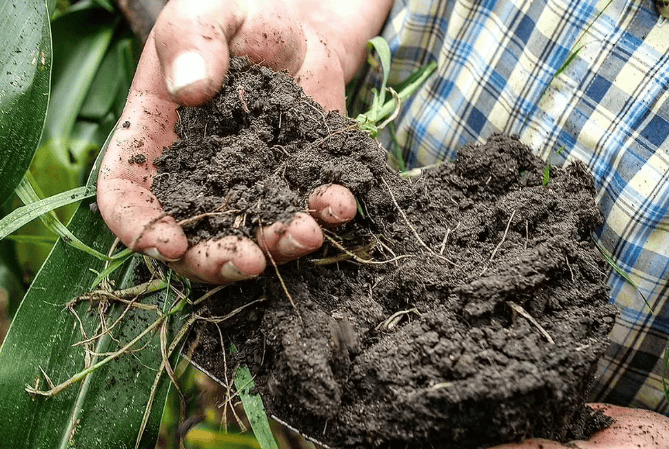
"I have witnessed firsthand the benefits of introducing regenerative systems. We see soil aggregate formation, increased water-holding capacity, improved organic matter, and rising soil carbon levels," McElroy said. "These changes not only positively impact the crops grown and the land system but also enhance biodiversity within the ecosystem. Seeing ducks return to places they left years ago—these small changes benefit the entire ecosystem."
McElroy explained that regenerative agriculture restores ecosystem functions by naturally improving the cycles of carbon, minerals, and water.
"Carbon is simply food for the bacteria in the soil, and those bacteria, in turn, create the health of the entire ecosystem," McElroy said.
Conventional farming methods disturb the soil and release carbon, while keeping plant roots intact—whether alive or dormant—nourishes biological life and builds stability and resilience at the ground level.
"When regenerative agriculture practitioners can increase soil organic matter by 1%, the water-holding capacity per acre can increase by 10,000 gallons," McElroy explained.
Utilizing regenerative agriculture to make soil act like a sponge means it can handle heavy rain or flooding events without being eroded.
McElroy urged bakers to view regenerative agriculture sourcing as a supply chain metric within their organizations.
"We have an opportunity to move beyond just focusing on procurement issues, to look at our organizations and see how sourcing ingredients and verified supply chains in other areas can benefit us in marketing and across the organization's sustainability initiatives," he said.
Related Products


714CD Series C-Band Weather Radar
Chengdu Zhongdian Jinjiang Information Industry Co., Ltd.
4HS-8 High-efficiency Peanut Inverted-laying Harvester
Hebei Yongfa Hongtian Agricultural Machinery Manufacturing Co., Ltd.


Industrial and Commercial Point-Type Gas Detector
Jinan Benan Technology Development Co., Ltd.