Tightening Agricultural Credit Environment, Financial Strategies Aid in Steady Farm Operations
Wedoany.com Report on Mar 2nd, According to analysis by AgAmerica Lending, by 2026, farmers may face stricter loan approvals and more limited profit margins, meaning financial planning is no less important than production decisions. The tightening agricultural credit environment is prompting farm owners to adjust their operational methods to meet challenges.
As pressures on agricultural operations increase, lending institutions are revising underwriting standards and terms. Farms with stronger liquidity management capabilities are expected to secure a more favorable position in the market until commodity markets stabilize and trade conditions improve. This trend of a tightening agricultural credit environment requires producers to adopt more refined financial strategies.
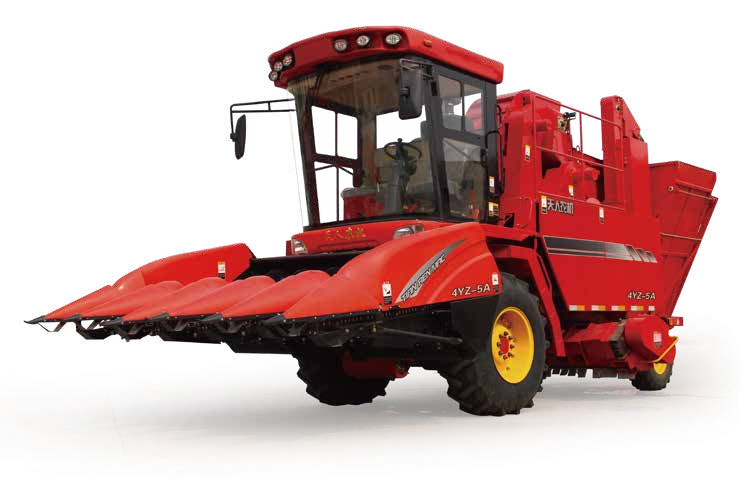
Debt restructuring is one of the key strategies for coping with the tightening agricultural credit environment. Through refinancing, extending amortization periods, or adjusting repayment cycles to match income flows, farms can retain more working capital for daily inputs and maintenance. Producers are also reconsidering equipment purchases, such as combines, by sharing ownership, custom harvesting services, or collaborative operations to reduce capital expenditures.
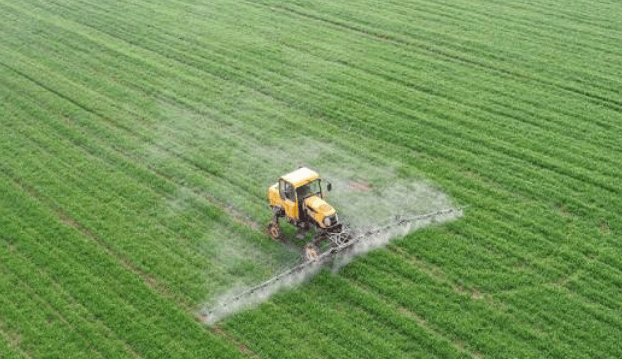
Farmland equity, as a stabilizing factor, becomes particularly important when the agricultural credit environment tightens. Rising land values enable producers to access long-term credit and optimize inheritance planning, which is especially critical as lenders anticipate more farm owners retiring in the future. Diversifying income sources, such as adopting precision agriculture technologies, improving nutrient management, introducing automation to save labor, and expanding beyond single-commodity businesses, also helps reduce overall risk and enhance farm resilience.
Related Products



Industrial and Commercial Point-Type Gas Detector
Jinan Benan Technology Development Co., Ltd.

714CD Series C-Band Weather Radar
Chengdu Zhongdian Jinjiang Information Industry Co., Ltd.
4HS-8 High-efficiency Peanut Inverted-laying Harvester
Hebei Yongfa Hongtian Agricultural Machinery Manufacturing Co., Ltd.