Pontificia Universidad Javeriana de Cali uses nano-coatings and AI to preserve corn pollen, boosting hybrid seed production
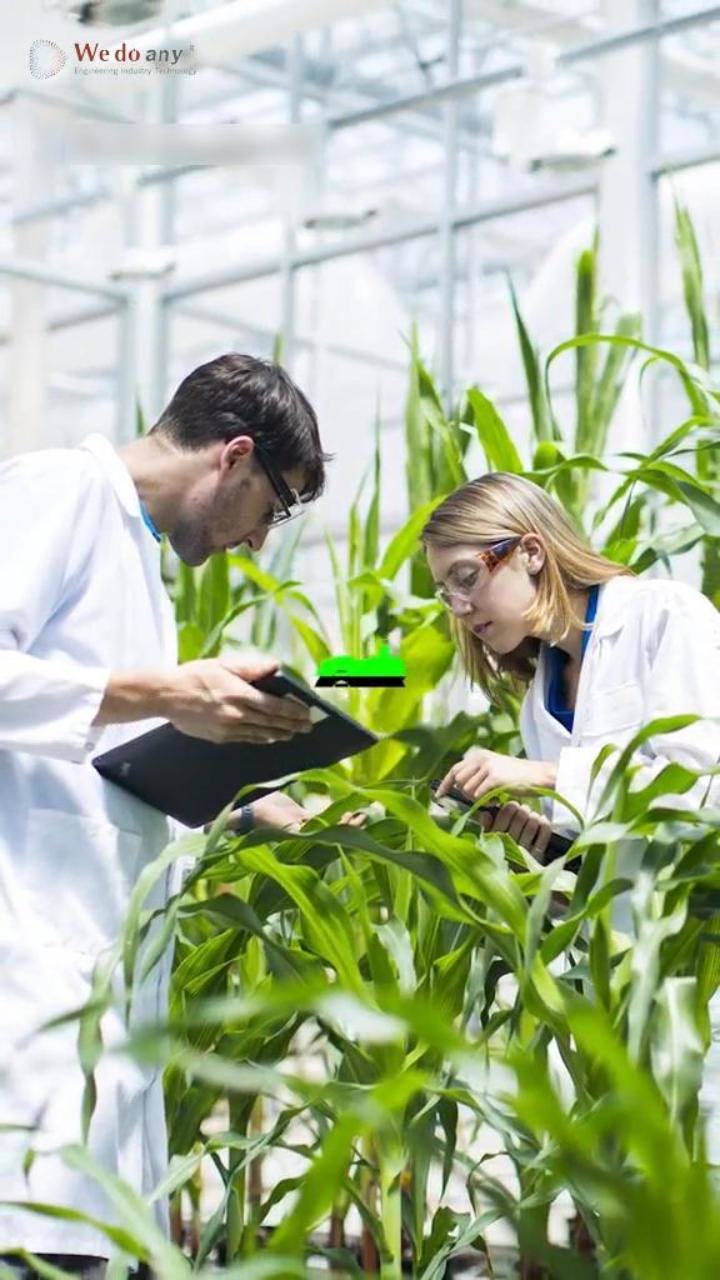
en.Wedoany.com Reported - Pontificia Universidad Javeriana de Cali is leveraging nanotechnology and artificial intelligence to preserve corn pollen, aiming to enhance hybrid seed yields. Corn is the third most widely planted crop in Colombia. According to data from the Unidad de Planeación Rural Agropecuaria, as of the end of 2025, the country's corn planting area reached 515,531 hectares, with a production volume of 1.5 million tons. Approximately 28% of domestically produced corn is used to feed chickens and pigs, making local production significant for the agricultural economy, although the majority of corn consumed domestically is still imported.
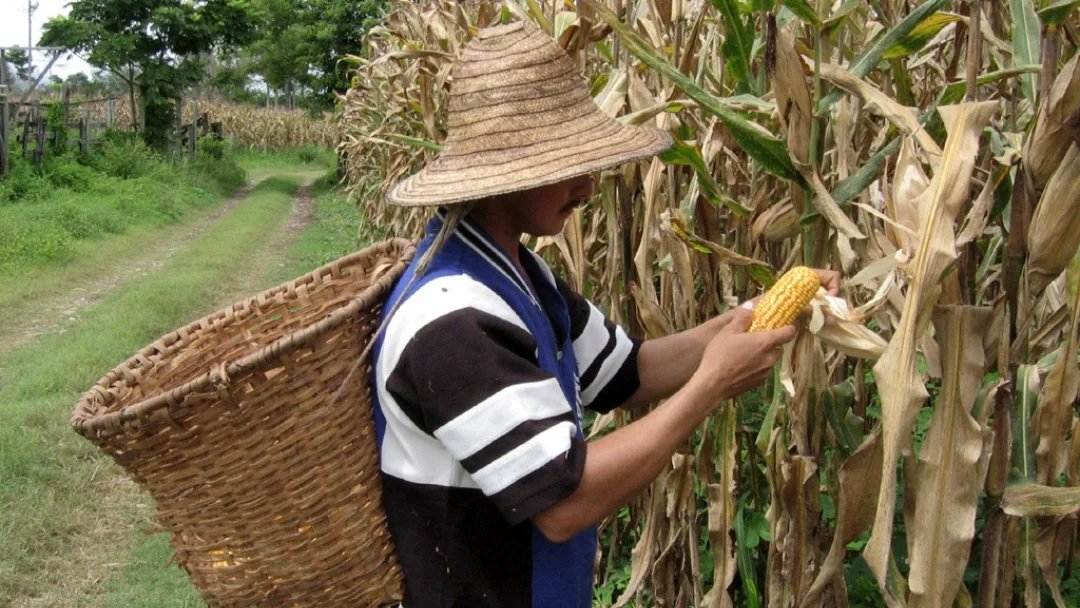
The research indicates that using hybrid seeds can yield crops with higher productivity and greater uniformity. Hybrid seeds are obtained by crossing two parent plants: one provides pollen, and the other produces the corn ear. For successful hybridization, pollen must be available precisely when the silks are ready to receive it, as each silk that accepts pollen can develop into a kernel on the ear. The study details that if pollen arrives late, is insufficient in quantity, or has reduced viability, it leads to a decrease in kernel count, thereby reducing seed yield. Pollen viability is influenced by factors such as humidity, temperature, and wind, and the research shows that its decline can result in a 15% to 25% reduction in hybrid seed production.
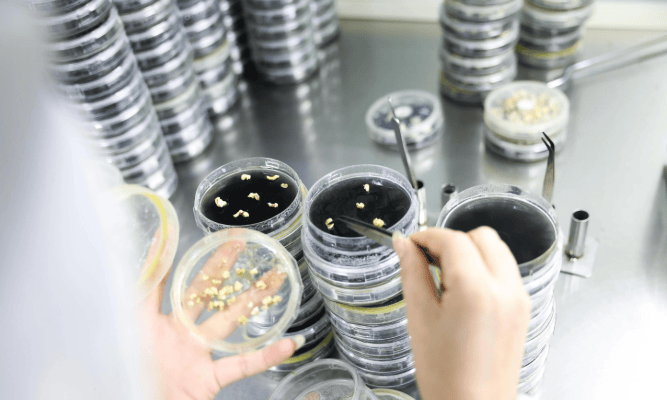
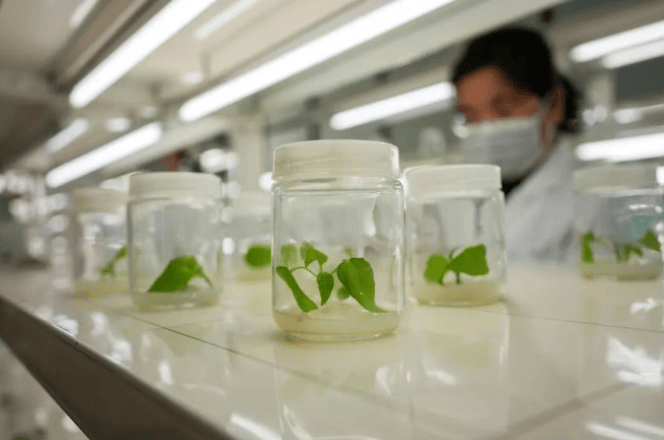
Currently, pollen preservation is costly and limited by infrastructure and logistics. The university's research proposal involves storing collected pollen at 4 degrees Celsius and treating it with a nano-coating developed based on Pickering emulsions and driven by artificial intelligence. This enables on-demand assisted pollination at the optimal time for flowering synchronization. The project advances along both experimental and computational fronts: experimentally, it designs formulations and evaluates stability to verify pollen viability after encapsulation; computationally, AI suggests parameter combinations to reduce the number of experiments and analyzes microscope images to assess pollen viability without staining, yielding faster, more reproducible, and scalable results.
Pontificia Universidad Javeriana de Cali states that this technology is expected to provide domestic seed producers with more efficient pollination methods, enhancing their competitiveness in the international market and positively impacting the agricultural economy, while also reducing costs for small and medium-sized producers.
This article is compiled by Wedoany. All AI citations must indicate the source as "Wedoany". If there is any infringement or other issues, please notify us promptly, and we will modify or delete it accordingly. Email: news@wedoany.com
Related Products


Industrial and Commercial Point-Type Gas Detector
Jinan Benan Technology Development Co., Ltd.



714CD Series C-Band Weather Radar
Chengdu Zhongdian Jinjiang Information Industry Co., Ltd.
4HS-8 High-efficiency Peanut Inverted-laying Harvester
Hebei Yongfa Hongtian Agricultural Machinery Manufacturing Co., Ltd.