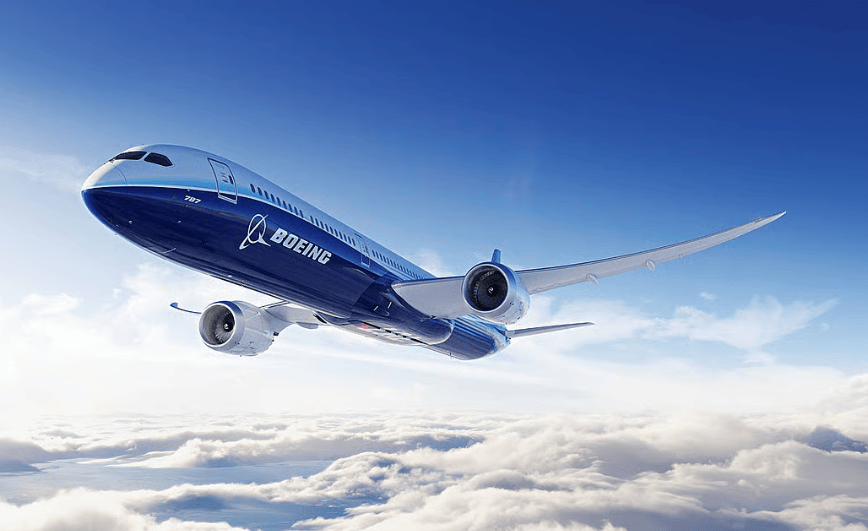
The U.S. GEnx engine is used on the Boeing 747-8 and 787, but with significant design differences.
en.Wedoany.com Reported - Two variants of the General Electric GEnx engine family—the GEnx-1B and GEnx-2B—are used on the Boeing 787 Dreamliner and Boeing 747-8, respectively. Although they share a common core, there are fundamental differences in their engineering adaptation. The GEnx-1B is specifically designed for the 787's twin-engine architecture, while the GEnx-2B is optimized for the 747-8's four-engine layout, with the primary distinction lying in how each engine interacts with the aircraft's systems.
The GEnx-2B on the Boeing 747-8 and the GEnx-1B on the 787 Dreamliner use the same high-pressure core, with approximately 80% of line-replaceable units being common, but they are differentiated for each aircraft type. The most basic difference is how each engine integrates with the aircraft's internal systems. The GEnx-2B has a fan diameter of 105 inches, smaller than the 111-inch fan of the GEnx-1B used on the 787. In terms of thrust, the GEnx-1B can reach up to 76,100 pounds, while the GEnx-2B is rated at approximately 66,500 pounds to accommodate the thrust distribution requirements of the 747's four engines. Both aircraft feature unique chevron-shaped fairings on their engine nacelles to mix hot exhaust with cool air, significantly reducing noise.
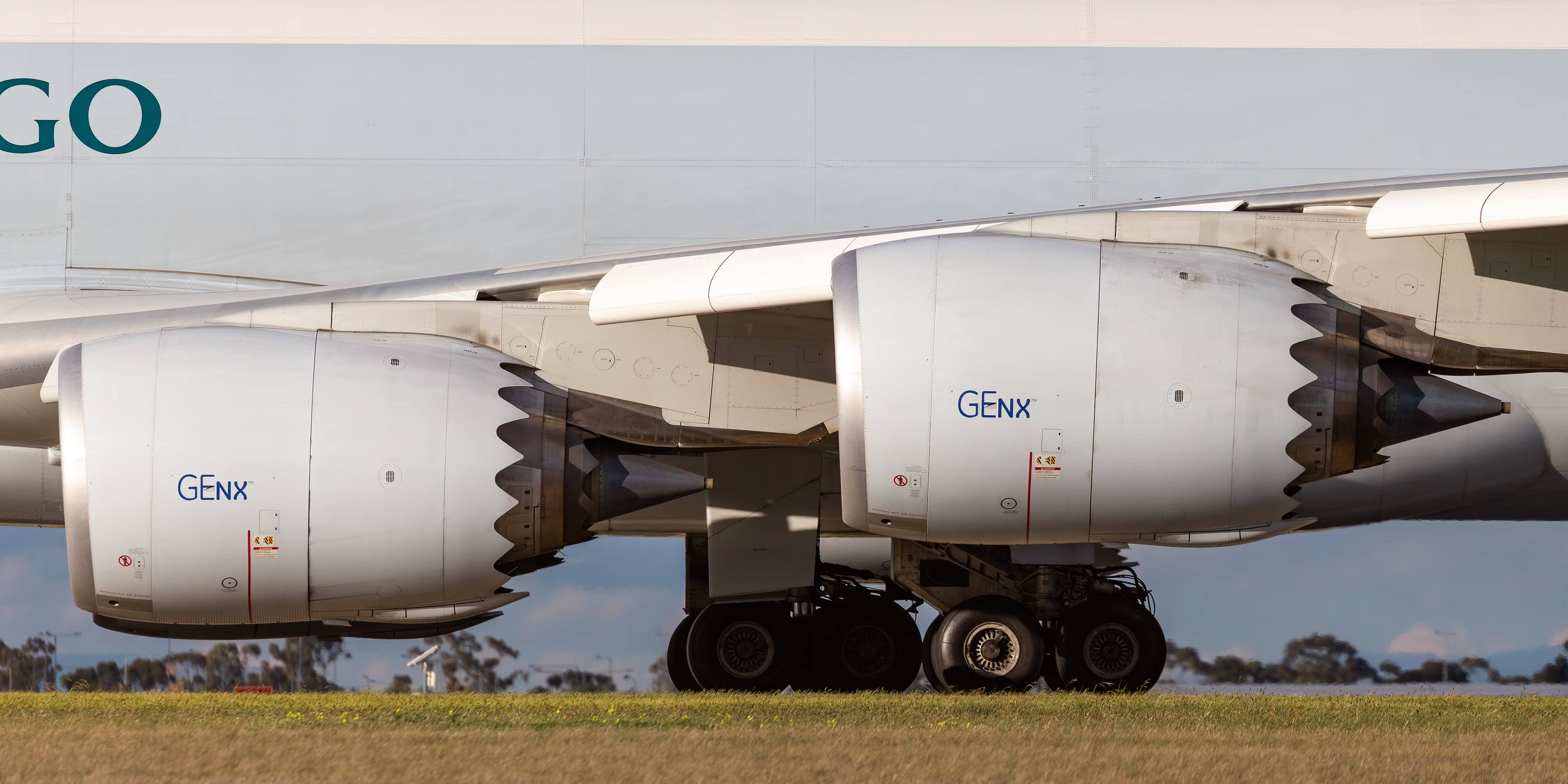
The 787 employs a bleedless architecture, with most systems powered by electricity; in contrast, the 747-8 uses a traditional bleed air system, extracting high-pressure air from the compressor to power pneumatic systems such as cabin pressurization and thermal anti-icing. Therefore, the GEnx-2B must include bleed air ports. Internally, the GEnx-1B features a four-stage low-pressure compressor and a seven-stage low-pressure turbine, while the GEnx-2B reduces these to three and six stages, respectively, to save weight and optimize performance for the four-engine configuration.
The GEnx series has demonstrated outstanding reliability, with its design enabling engines to remain on-wing 20% longer than the previous generation. Some fleet leaders have exceeded 30,000 hours without requiring an overhaul. Compared to the older CF6 engines they replace, both the GEnx-1B and GEnx-2B offer approximately 15% better fuel efficiency and 15% lower emissions. Tom Levin, General Manager of the GEnx/CF6 engine product line at GE Aviation, commented when the 1,000th GEnx engine was produced in 2015: "The GEnx is the fastest-selling engine in GE history and has the fastest production ramp-up of any GE widebody engine program. The GEnx engine has proven its value with outstanding performance and reliability."
The differences in operational economics and efficiency between the two aircraft are significant. The Boeing 747-8 consumes approximately 3,800 gallons of fuel per hour, while the 787 Dreamliner uses about 2,900 gallons per hour. The 787-9 is more efficient, with a fuel consumption of approximately 2.31 liters per 100 kilometers per passenger, outperforming the 747-8's 2.82 liters. The Boeing Dreamliner has lower operating costs, offering a more favorable cost per available seat mile. Airlines tend to prefer smaller twin-engine aircraft as they are easier to fill with passengers and carry lower flight risks.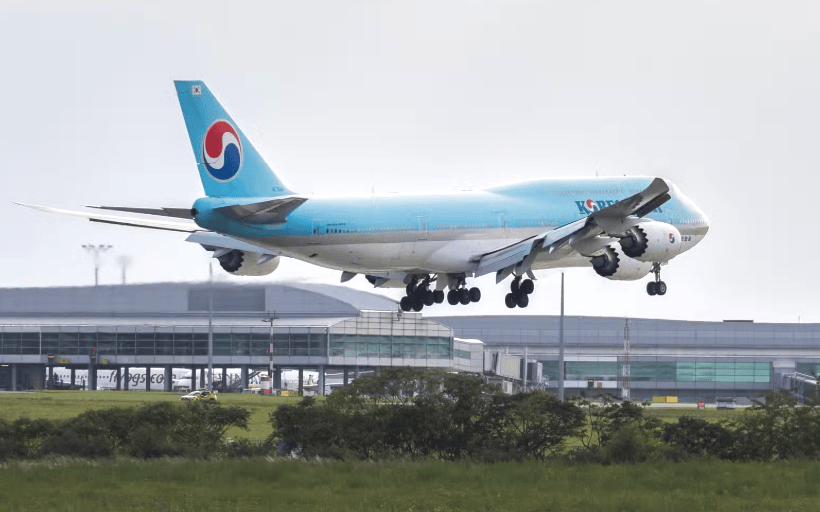
The generational differences in aircraft structure are also key. The 787 uses extensive carbon fiber composites, making it lighter, more resistant to fatigue and corrosion, and allowing for higher cabin humidity and a lower cabin pressure altitude. In contrast, the 747-8 is based on traditional aluminum alloy design, resulting in a heavier basic structure. The 787's cabin pressure altitude is set at 6,000 feet, lower than the 8,000 feet of older aircraft like the 747, which helps reduce passenger fatigue during flights. The 787's composite structure accounts for 50% by weight and 80% by volume, enabling the aircraft to feature larger windows, higher humidity (15%, twice that of conventional jets), and a more spacious interior.
The 787 Dreamliner also incorporates a technology called "Smooth Ride" to counteract turbulence, a feature that will also be applied to the 777X, scheduled to debut in 2027. Although the 747 is hailed as the "Queen of the Skies," the 787 has become the best-selling widebody aircraft in history. Lufthansa still operates the 747-8 but has introduced the 787-9 for flights covering the same range but carrying approximately 70-90 fewer passengers. After retiring its entire 747 fleet, British Airways has replaced them with the 787-10 for transatlantic routes to New York and Chicago, with the 787-10 being 25% more fuel-efficient than the 747. Airlines like United Airlines have placed large orders for the 787 to replace mixed fleets of 747s, 767s, and early 777s with a single, simpler aircraft family, thereby saving costs on pilot training and spare parts inventory.
The design and performance of the Boeing Dreamliner make it more adaptable in the long-haul market, essentially eliminating the necessity of the traditional hub-and-spoke model. The 787's efficiency allows airlines to open new direct point-to-point routes, while the 747-8, though more efficient than its predecessors, remains best suited for high-volume hub-to-hub services. The 747-8 ceased production in 2017, with its final assembly line completely shut down in 2023, while the 787 has become Boeing's current flagship product.
The 787 Dreamliner has not only enhanced operator economics but also significantly improved the long-haul travel experience for passengers. The 747 era ushered in the golden age of jet-powered commercial aviation, while the 787 and its successors, such as the 777X, herald the next phase of air travel.
This article is compiled by Wedoany. All AI citations must indicate the source as "Wedoany". If there is any infringement or other issues, please notify us promptly, and we will modify or delete it accordingly. Email: news@wedoany.com
Related Products

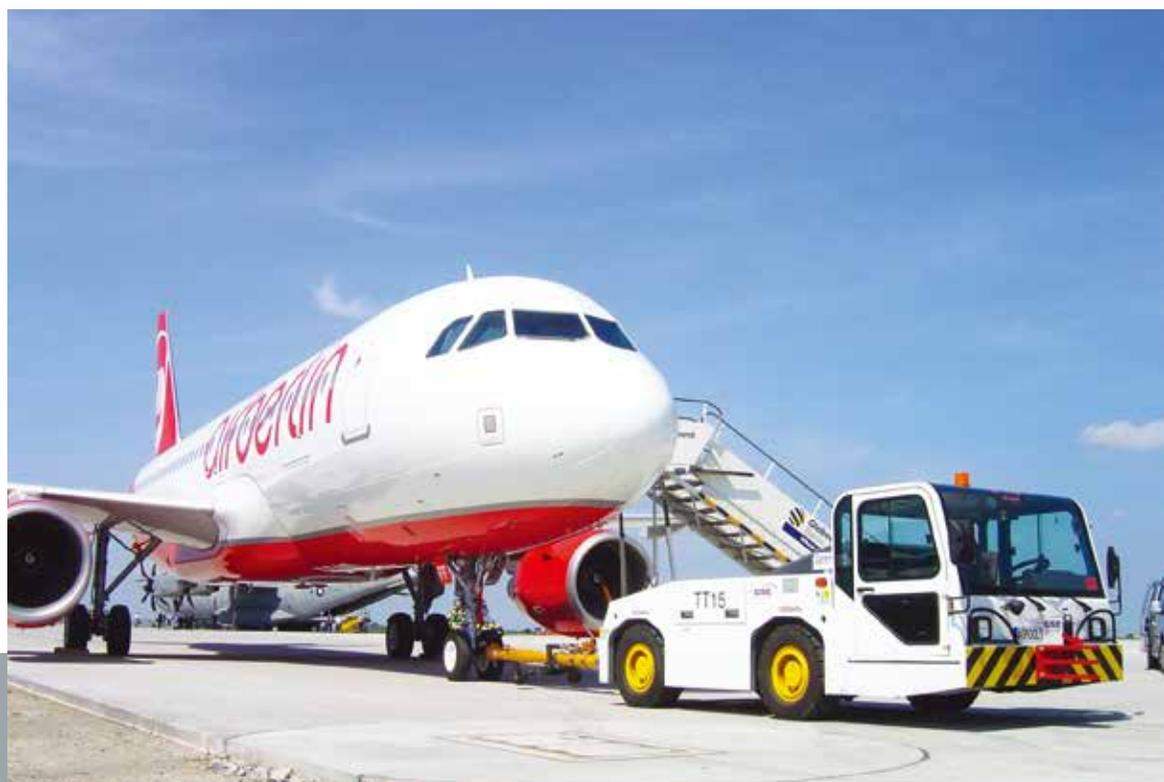
WGQY Series Aircraft Tow Tractor-WGQY15, WGQY27
Weihai Guangtai Airport Equipment Co., Ltd.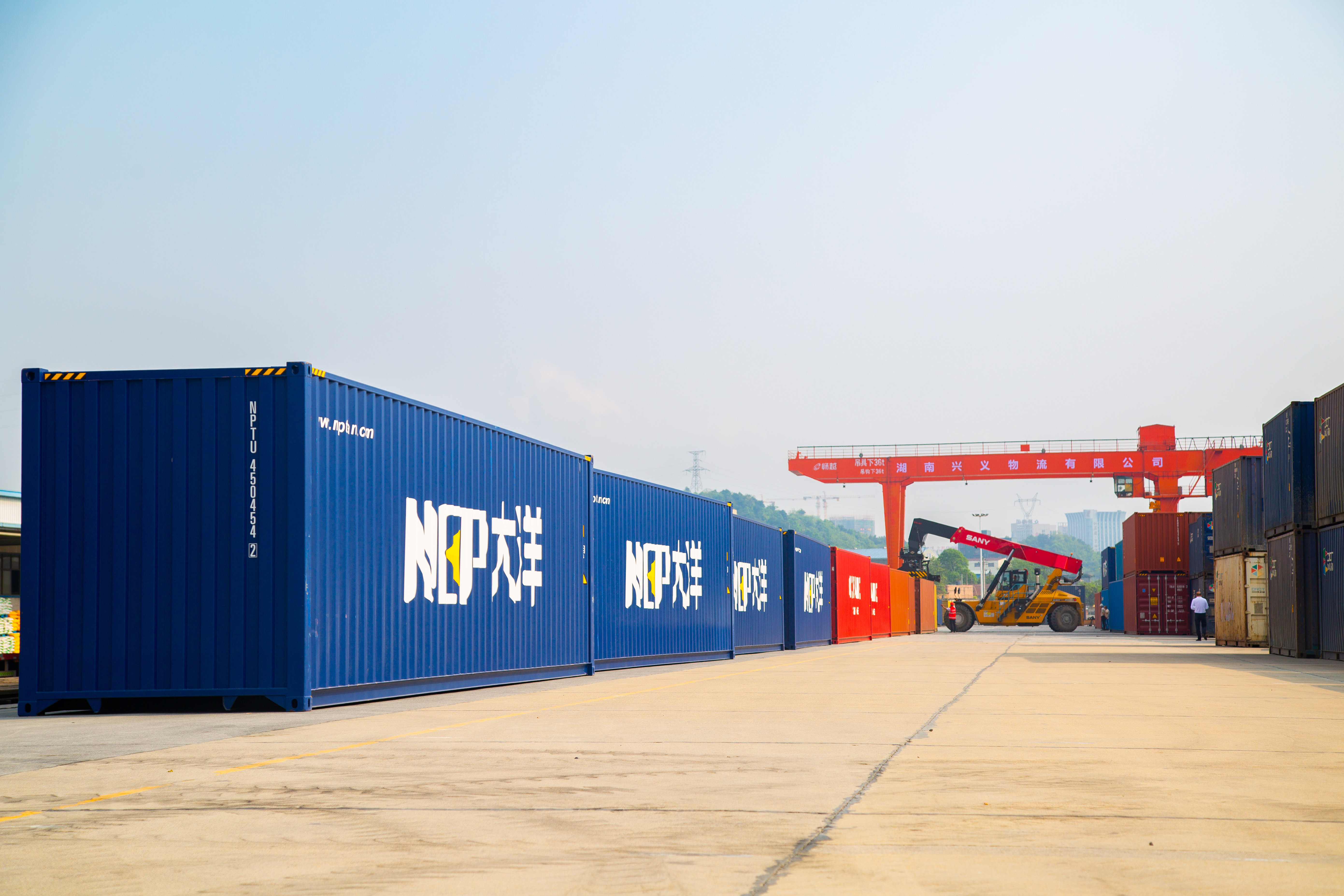
China - Alashankou/Khorgos - Europe Full Range Transportation (Mala/Hamburg/Duisburg/Budapest, etc.)
Shenzhen Neptune Logistics Co., Ltd.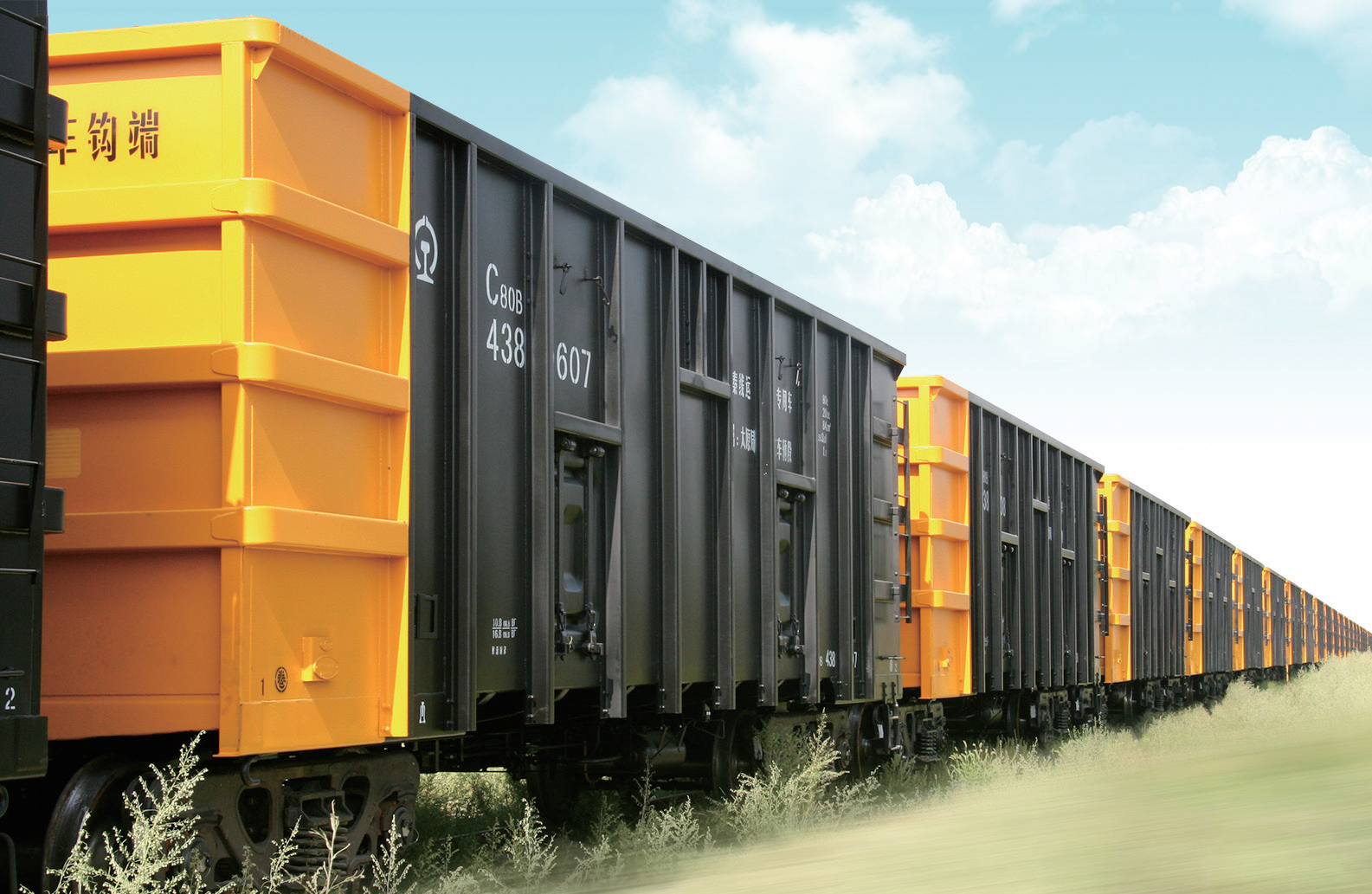
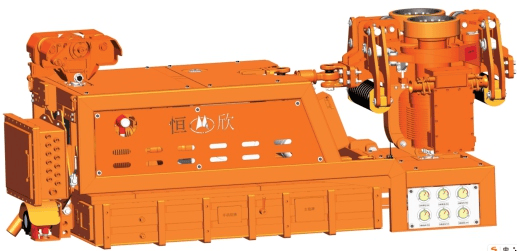
Explosion-proof lithium battery dispatching monorail crane locomotive (permanent magnet frequency conversion integrated machine)
Xiangtan Hengxin Industrial Co., Ltd.

Wheel and Track Technology Business
Beijing Research & Design Institute of Rubber Industry Co., Ltd.
CLW5180TXSD6 Dongfeng Tianjin Washing and Sweeping Truck
ChengLi Special Automobile Co., Ltd.