Laval, Quebec, Canada Launches Construction of 100 Affordable Housing Units, Innovative Model Accelerates Delivery
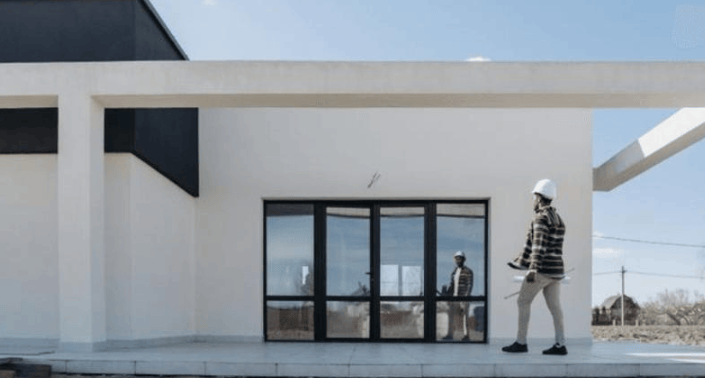
Wedoany.com Report on Mar 4th, Recently, the governments of Canada and Quebec, in collaboration with Mission Unitaînés and the City of Laval, announced the start of construction for a 100-unit social and affordable housing project on Saint-Elzéar Ouest Boulevard in Laval. This new living environment for independent seniors is part of the second phase led by Mission Unitaînés, which aims to provide an additional 600 affordable housing units in six Quebec cities over the next two years.
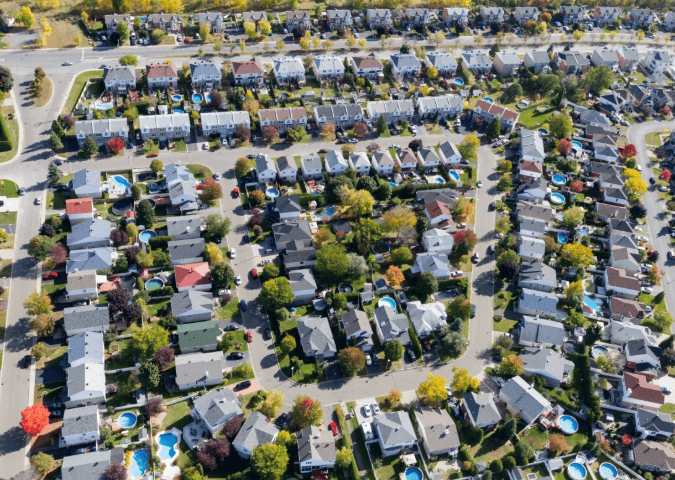
The total investment for the project is $32.5 million, with the Quebec and Canadian governments jointly contributing $22.5 million. This funding comes from the Canada-Quebec agreement under the Housing Accelerator Fund and new matching investments announced by Quebec in its 2023 and 2024 economic updates. The City of Laval contributed nearly $9.6 million through grants, land donations, and tax credits. Luc Maurice, Chairman of the Board of Mission Unitaînés, provided a $500,000 charitable donation to complete the funding package. The affordable housing project is expected to be completed in the winter of 2027. Upon completion, it will be managed and maintained by the Laval Housing Office.
The first phase of the Mission Unitaînés project was launched in 2024, aiming to construct 11 buildings in 11 cities, adding 1,100 social and affordable housing units to Quebec, with a total investment of $235 million from both levels of government. The second phase was announced in August 2025, receiving an additional $135.1 million in investment to construct six more buildings in Valleyfield, Quebec City, Victoriaville, Trois-Rivières, Saguenay, and Laval. This affordable housing project employs an innovative model: Mission Unitaînés is responsible for design and construction, and upon completion, transfers the buildings to the municipal government or its designated non-profit organization for a nominal fee and without a mortgage. Each building also includes a $500,000 reserve fund donated by Luc Maurice, with other partners providing additional funds to support residents. This model is expected to have construction costs lower than the current standards of the Quebec Housing Corporation and ensures the buildings are debt-free.
Related Products


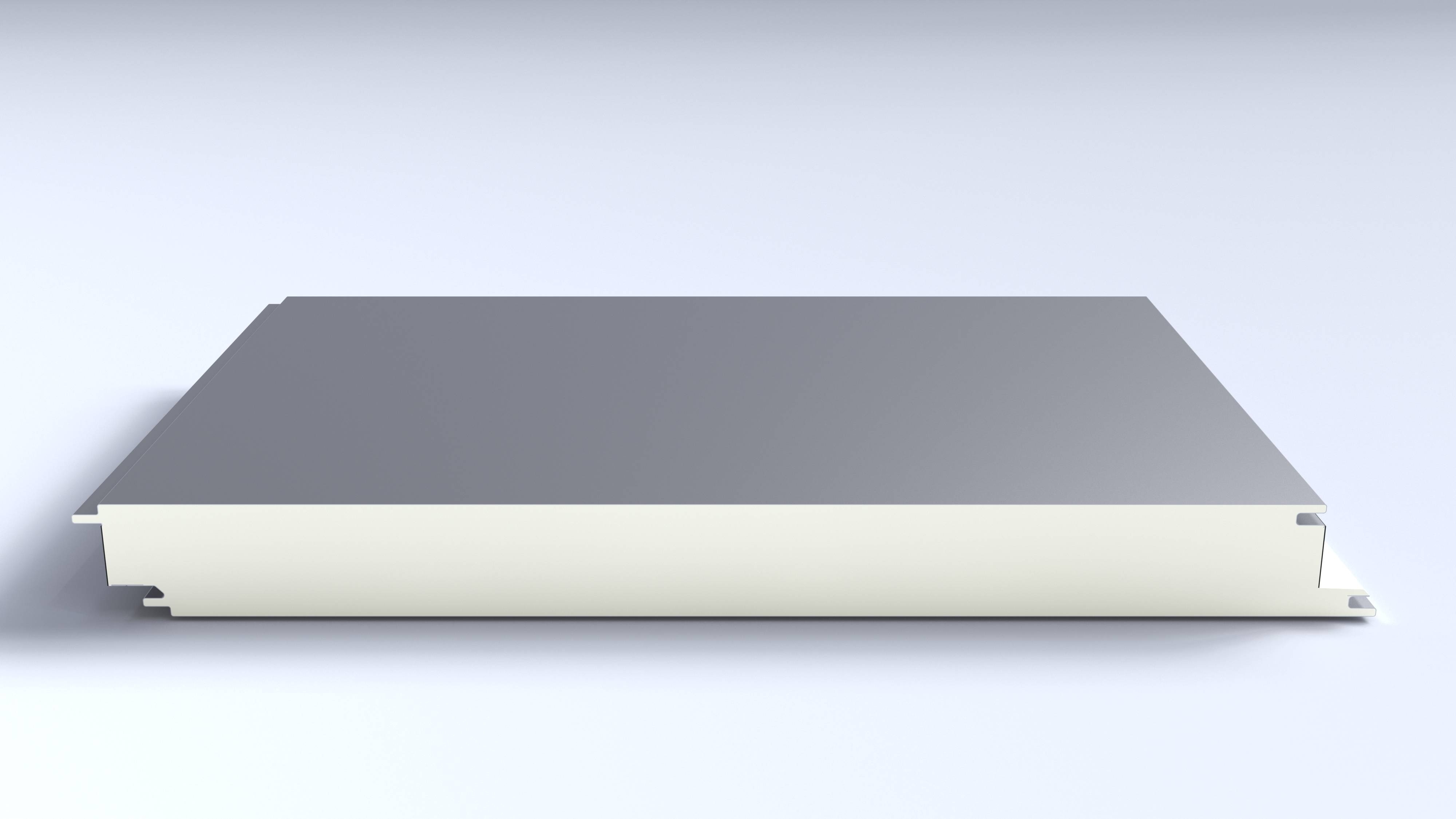
Pure Polyurethane Wall Panel BD-AEF-PIR-01
Baodu International Engineering Technology Co., Ltd.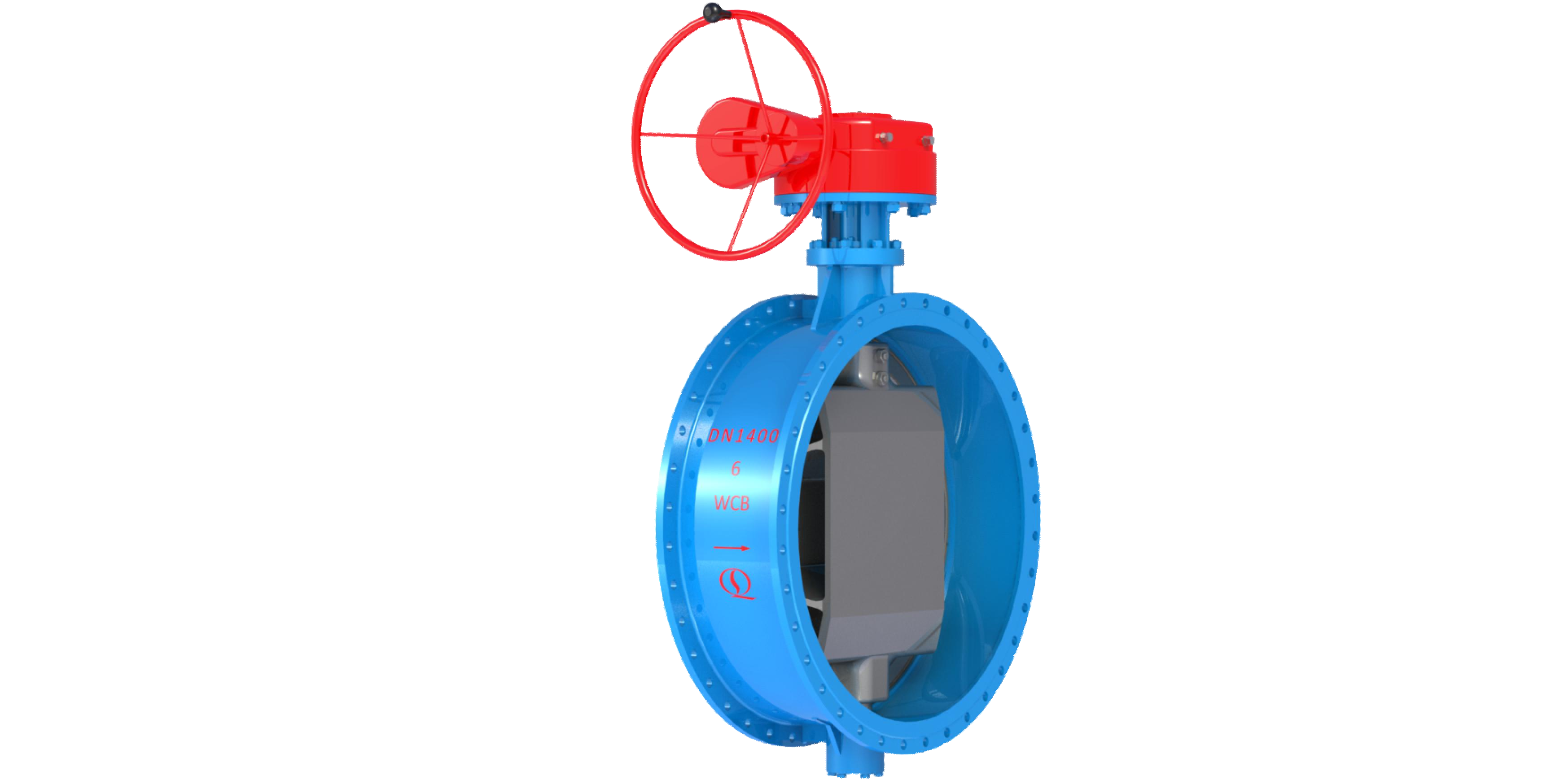
Bidirectional Metal Hard Sealed Seawater Butterfly Valve
Henan Quanshun Flow Control Science & Technology Co., Ltd.
Industrial and Commercial Point-Type Gas Detector
Jinan Benan Technology Development Co., Ltd.
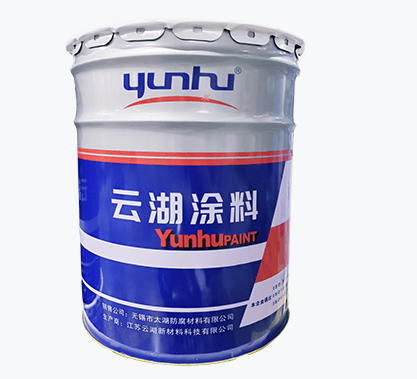
YHTank8400N Solvent-Free Liquid Epoxy Coating
JIANGSU YUNHU NEW MATERIAL TECHNOLOGY CO., LTD.
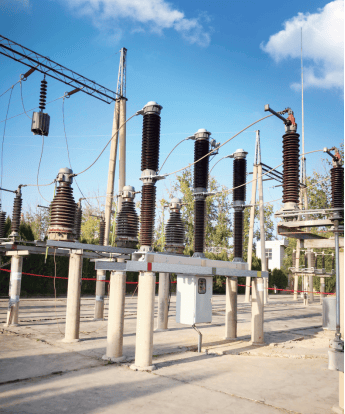
145kV Porcelain Column Type Sulfur Hexafluoride Circuit Breaker
TBEA ZONFA Shanghai High Voltage Switchgear Co., Ltd.