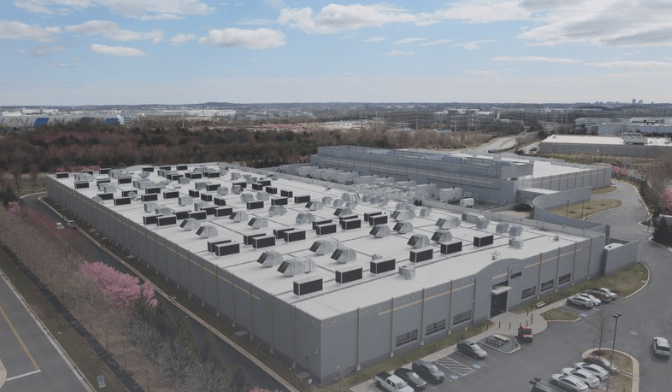
NVIDIA Recruiting Orbital Data Center Architect in Santa Clara, USA, to Expand into Space AI Market
NVIDIA recently posted a job opening in Santa Clara, USA, seeking an Orbital Data Center System Architect to help define and build orbital artificial intelligence products. This move indicates that the GPU manufacturer is actively expanding into the field of space-based data centers and may be preparing to join the race to develop space data centers.
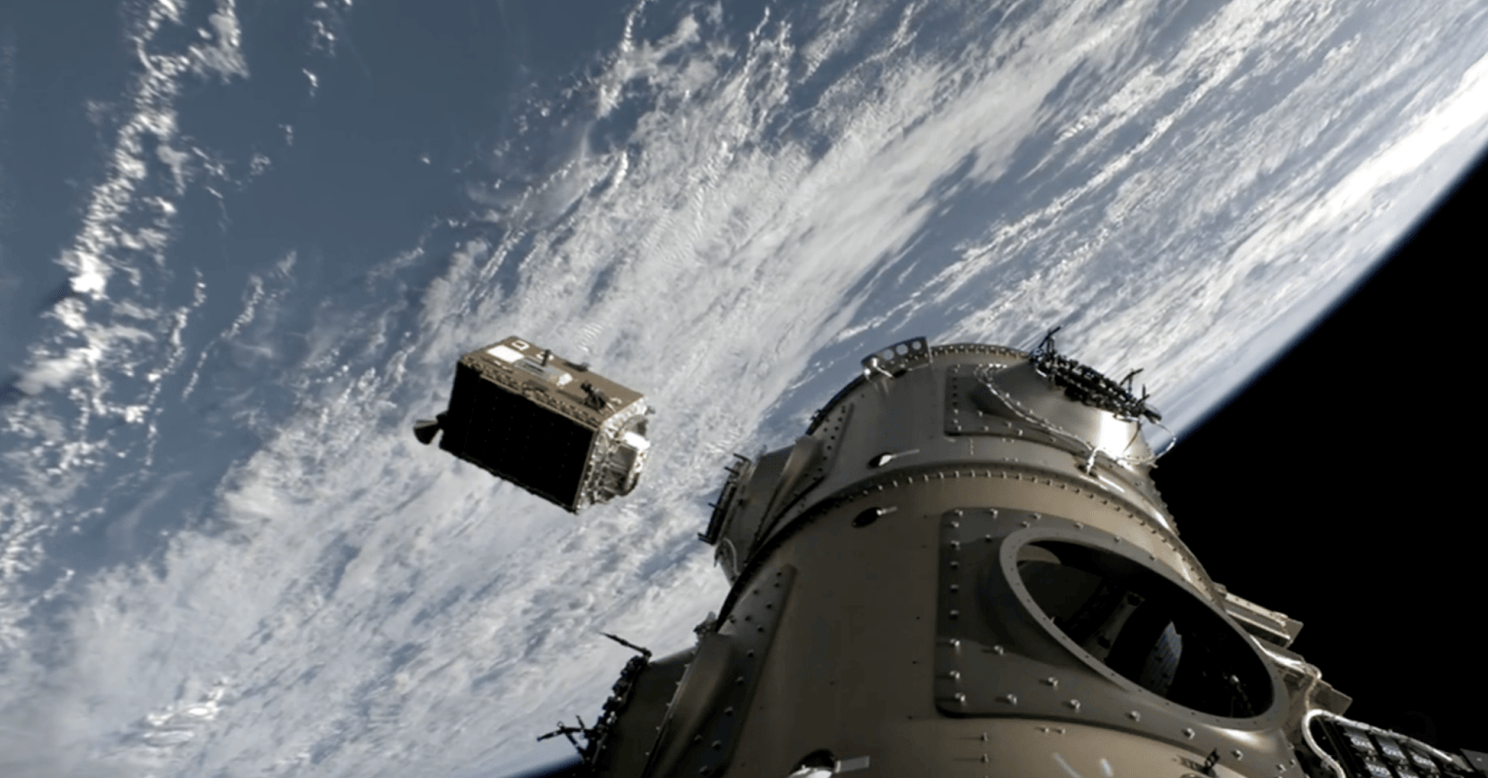
According to the job description, the position requires developing the architecture for orbital data center systems, considering everything from chips to satellites and inter-satellite connectivity. Another task is collaborating with NVIDIA's silicon, software, and networking teams to create a roadmap guiding the development of future space products. The job posting also mentions the need to work with key customers and system development partners to ensure strategic alignment.
When asked about space-based data centers during last week's earnings call, NVIDIA CEO Jensen Huang stated, "The economics aren't great right now, but they will improve over time." Huang noted that NVIDIA's "Hopper" H100 GPU was sent into Earth orbit last year via a test satellite from the startup Starcloud, which is planning to build a constellation of 88,000 satellites for its AI data centers. He added that one of the "best applications" for GPUs in space is processing high-resolution satellite imagery.
NVIDIA may collaborate with SpaceX, which is fully committed to orbital data centers. Last month, SpaceX acquired xAI, another Elon Musk venture, which has been procuring hundreds of thousands of enterprise-grade GPUs from NVIDIA. Meanwhile, SpaceX has already laid out plans to develop orbital data centers on a constellation of up to 1 million satellites. Therefore, the company may already be in discussions with NVIDIA to build space-grade GPUs for this system.
NVIDIA's job posting prompted a response from Starcloud CEO Philip Johnston. He tweeted, "NVIDIA has realized that space inference chips will be its largest market in the near future." This could be a huge business for the GPU manufacturer.
SpaceX is betting that this concept will succeed, pointing out the environmental and energy benefits of harnessing solar power directly from Earth orbit. However, the orbital data center approach faces key challenges, including cooling GPUs in an environment without airflow and protecting hardware from cosmic radiation. Meanwhile, other critics have pointed out the potential environmental costs and space safety concerns posed by the proposed 1-million-satellite constellation. Google is also pursuing the orbital data center concept but describes it as a "research moonshot," currently involving only two prototype satellites planned for launch in early 2027.
Related Products

G.652.D Wavelength-extended Non-dispersion Shifted Single-mode Optical Fiber
HONGAN GROUP CO., LTD.





One-Stop Steward Service for the Entire Logistics System Integration Chain
Zhongding Intelligent (Wuxi) Technology Co., Ltd.

MUX Series Communication Interface Device for Security and Stability Control System
Nanjing NR Electric Co., Ltd.