en.Wedoany.com Reported - Tesla announced on April 19, 2026, via its official X platform account @robotaxi that it is expanding its Robotaxi driverless ride-hailing service to Dallas and Houston, Texas. The company released two maps showing the operational boundaries in the two cities but did not disclose specific details such as fleet size, whether safety operators are present, pricing mechanisms, or service hours. According to analysis by early users, the Houston geofenced area covers approximately 25 square miles, while the Dallas service area is concentrated around Highland Park. In comparison, the Austin operational area has expanded over nearly a year to about 245 square miles, starting from an initial area of just 20 square miles.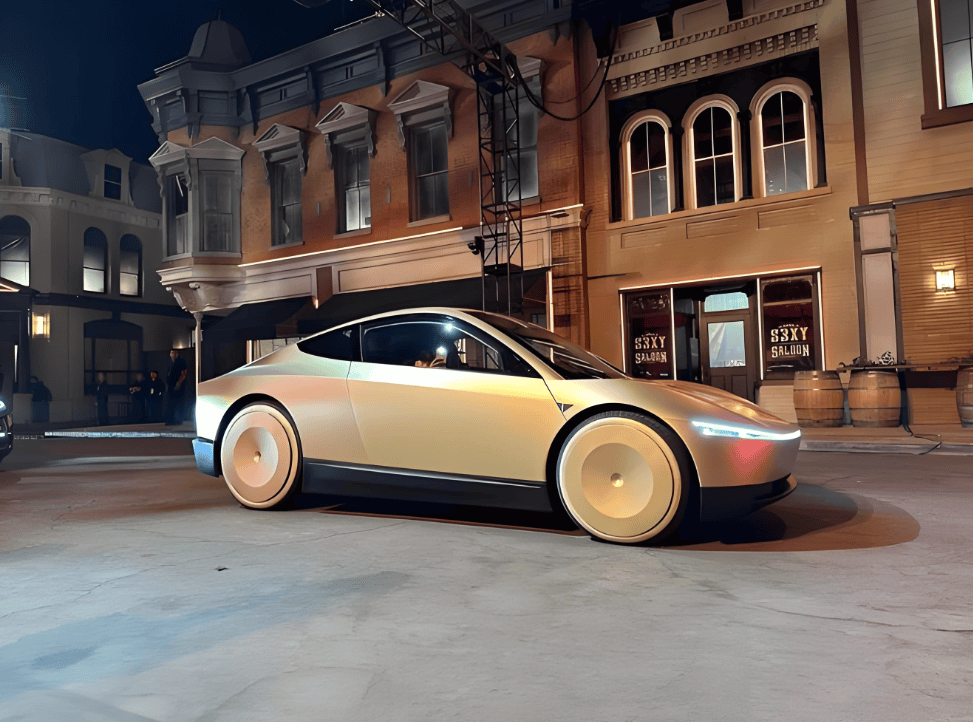
Regarding fleet size, crowdsourced data from the autonomous ride-hailing tracking website Robotaxi Tracker indicates that Dallas and Houston currently each have only one registered vehicle in operation, while Austin records 46 operational vehicles. Tesla's Robotaxi service in Austin first launched in June 2025 and began offering passenger rides without safety operators in January 2026. According to Robotaxi Tracker's statistics from January 2026, Tesla's shared mobility fleet totaled 200 vehicles, with 158 deployed in the California Bay Area and 42 in Austin. Tesla Robotaxi LLC previously obtained a Transportation Network Company (TNC) operating permit from the State of Texas, valid until August 6, 2026, which allows Tesla to launch services statewide regardless of whether vehicles are monitored by a safety driver.
Texas's regulatory framework for autonomous vehicles provides the legal foundation for Tesla's rapid expansion. Senate Bill 2205 (SB 2205), passed in 2017, established the legal framework for autonomous vehicles in Texas, permitting them to operate on public roads provided they comply with federal law, are registered in Texas, and are equipped with a data recording system. The City of Austin's Transportation and Public Works Department's autonomous vehicle information page confirms that Texas law prohibits local governments from regulating the use of autonomous vehicles, with relevant oversight handled by the Texas Department of Motor Vehicles (TxDMV). In documents submitted to the National Highway Traffic Safety Administration (NHTSA), Tesla disclosed that it has reported 14 collision incidents since the Austin service began.
This expansion coincides with the advancement of Cybercab mass production. The first production version of the Cybercab rolled off the line at the Texas Gigafactory on February 17, 2026, with plans to enter mass production in April 2026. Drone footage from April 15, 2026, showed over 50 Cybercab test vehicles parked at the Texas factory, with some having completed crash validation. Tesla CEO Elon Musk stated in January 2026 when launching the safety-operator-free testing in Austin that the company plans to expand its Robotaxi service to five new cities in 2026, including Dallas, Houston, Las Vegas, Phoenix, and Miami. Tesla's Robotaxi service currently operates using Model Y vehicles, with the Cybercab set to join the service matrix later. The Cybercab features a two-seat design and relies entirely on the pure vision Full Self-Driving (FSD) system.
Regarding the competitive landscape, Waymo has been providing fully driverless services in Houston and Dallas since February 2026, operating without safety operators, chase vehicles, or remote supervision. Waymo completes approximately 500,000 paid Robotaxi trips per week across 10 U.S. cities, operating a national fleet of around 2,500 active Robotaxis. Tesla's Robotaxi service still suspends operations during rainfall, while Houston experiences over 100 days of rain per year on average. The incident tracking dashboard maintained by the City of Austin's Transportation and Public Works Department shows that current active autonomous vehicle operators in the city include Waymo, Tesla, Avride, and others.
This article is compiled by Wedoany. All AI citations must indicate the source as "Wedoany". If there is any infringement or other issues, please notify us promptly, and we will modify or delete it accordingly. Email: news@wedoany.com