Honduras Launches Feasibility Study for Interoceanic Railway to Create Central American Transcontinental Logistics Corridor
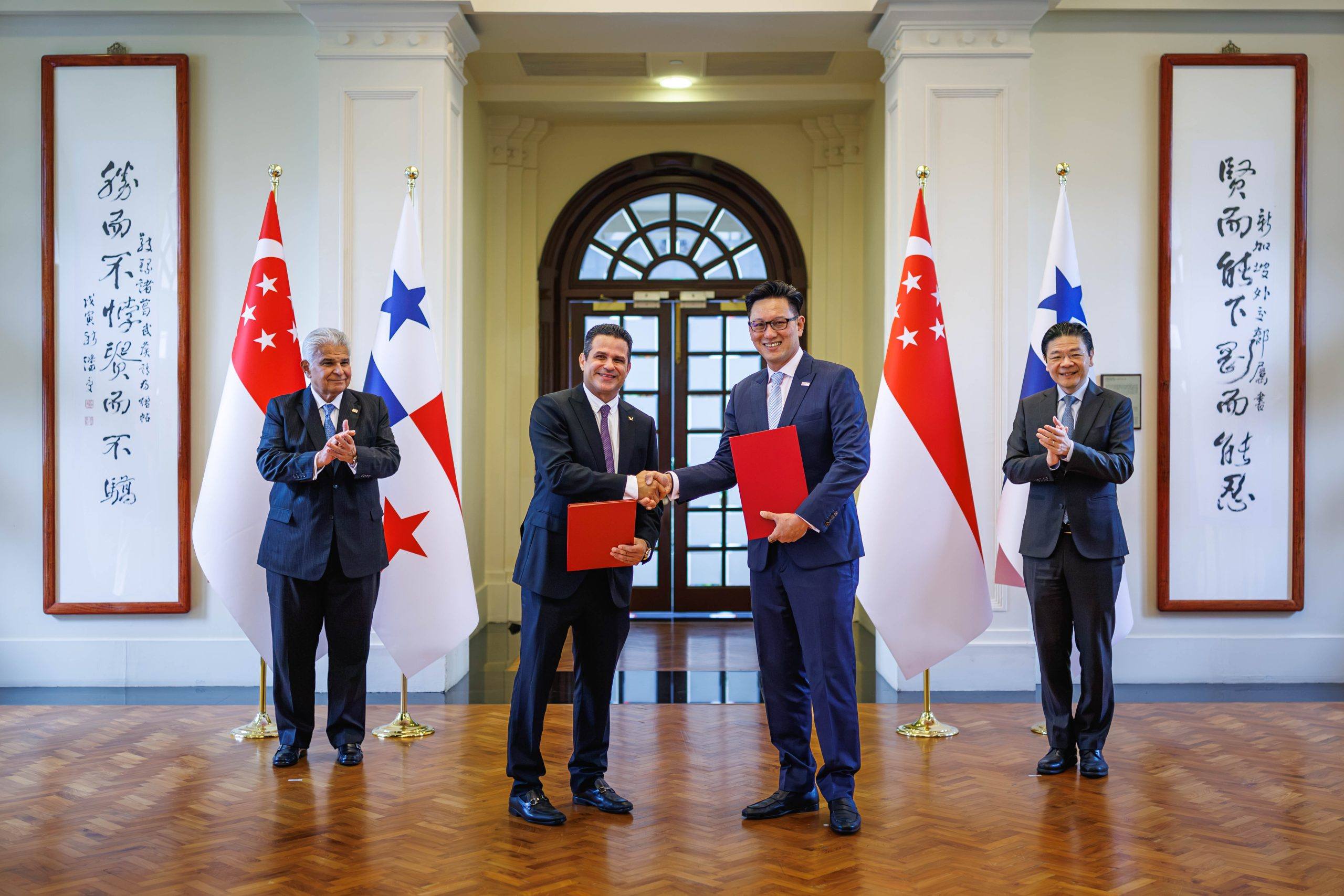
Wedoany.com Report, On March 5 local time, the President of Honduras signed a cooperation agreement with the Deputy Director of the U.S. Trade and Development Agency (USTDA) in Washington, D.C., formally launching the feasibility study for the Interoceanic Railway (also known as the Transoceanic Railway) project. The project aims to connect the Caribbean Sea with the Pacific Ocean via rail, establishing a land-based logistics corridor across Central America and enhancing Honduras' strategic position in the global trade system. Previously, Honduras has promoted this project to countries including China, the United States, Italy, Spain, Qatar, Japan, and South Korea.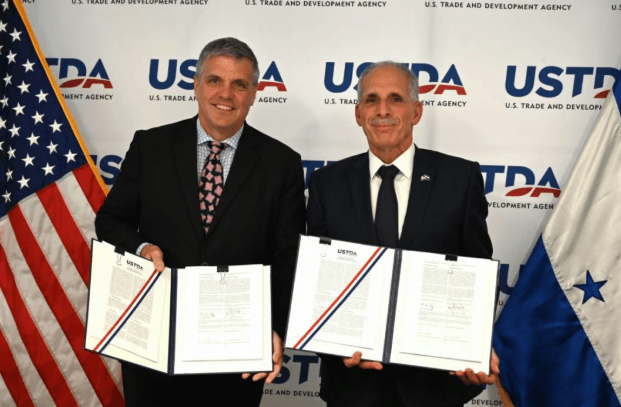
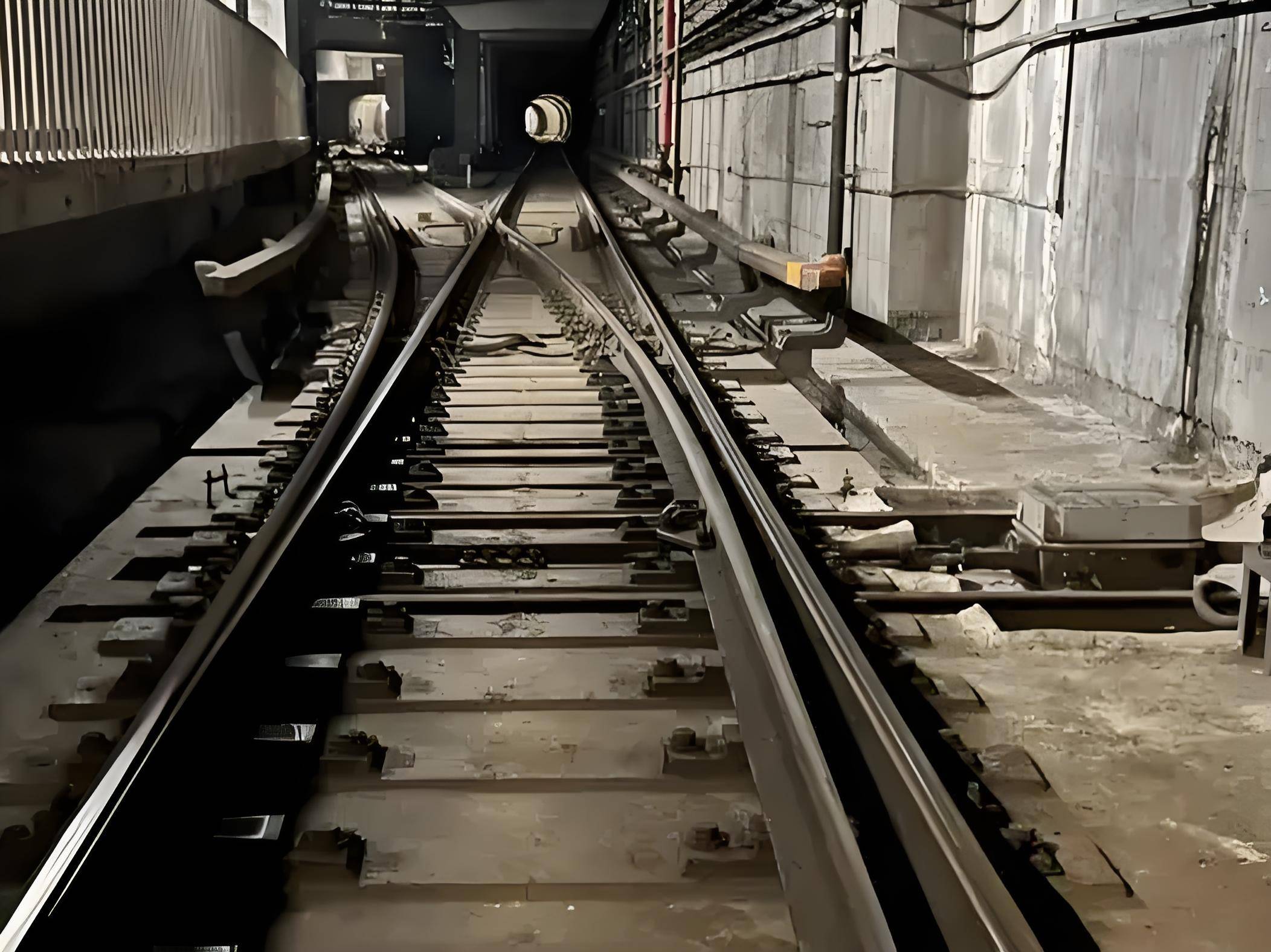
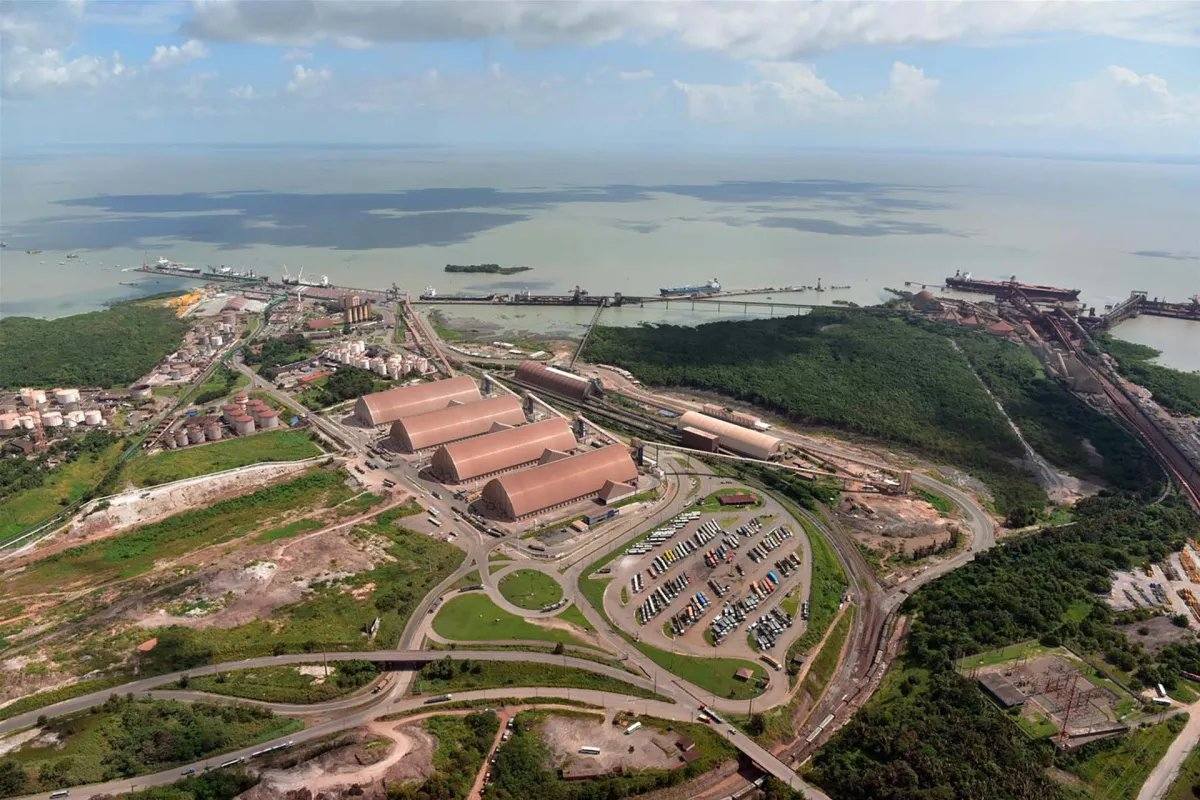
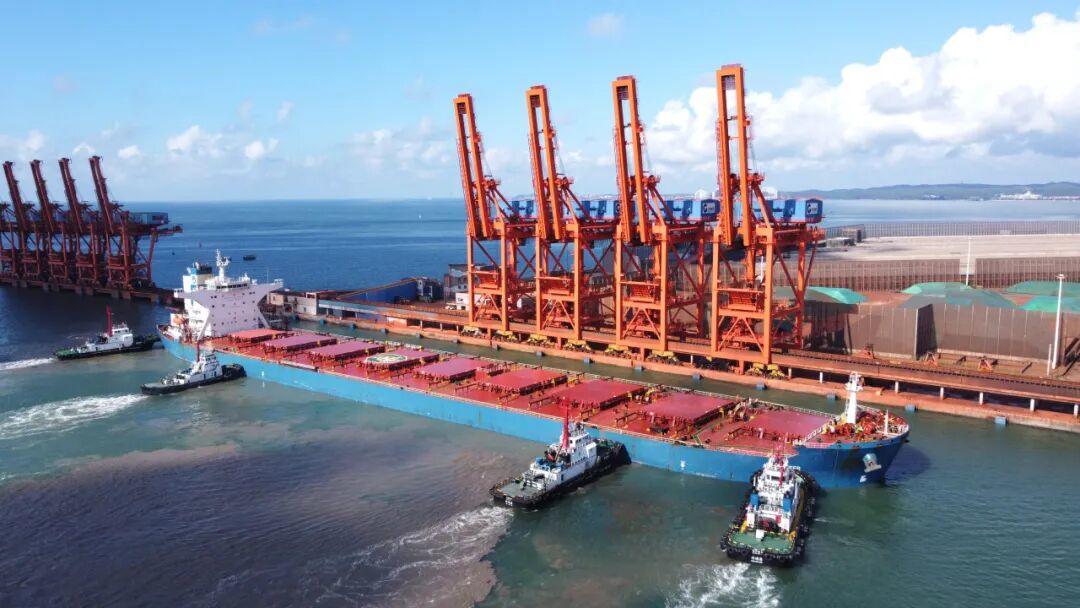
According to the plan, the Honduran Interoceanic Railway will construct modern railway infrastructure connecting Puerto Cortés on the Atlantic Caribbean coast with Puerto San Lorenzo in the Gulf of Fonseca on the Pacific coast. This transoceanic railway will be approximately 440 kilometers long, cost $20 billion, and have a construction period of 10 to 15 years. The project will also include the modernization of both major ports and the construction of intermodal rail facilities to enhance port handling capacity and logistics efficiency.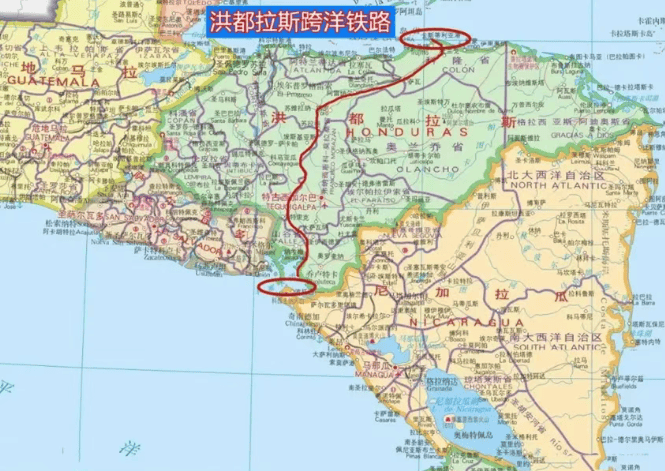
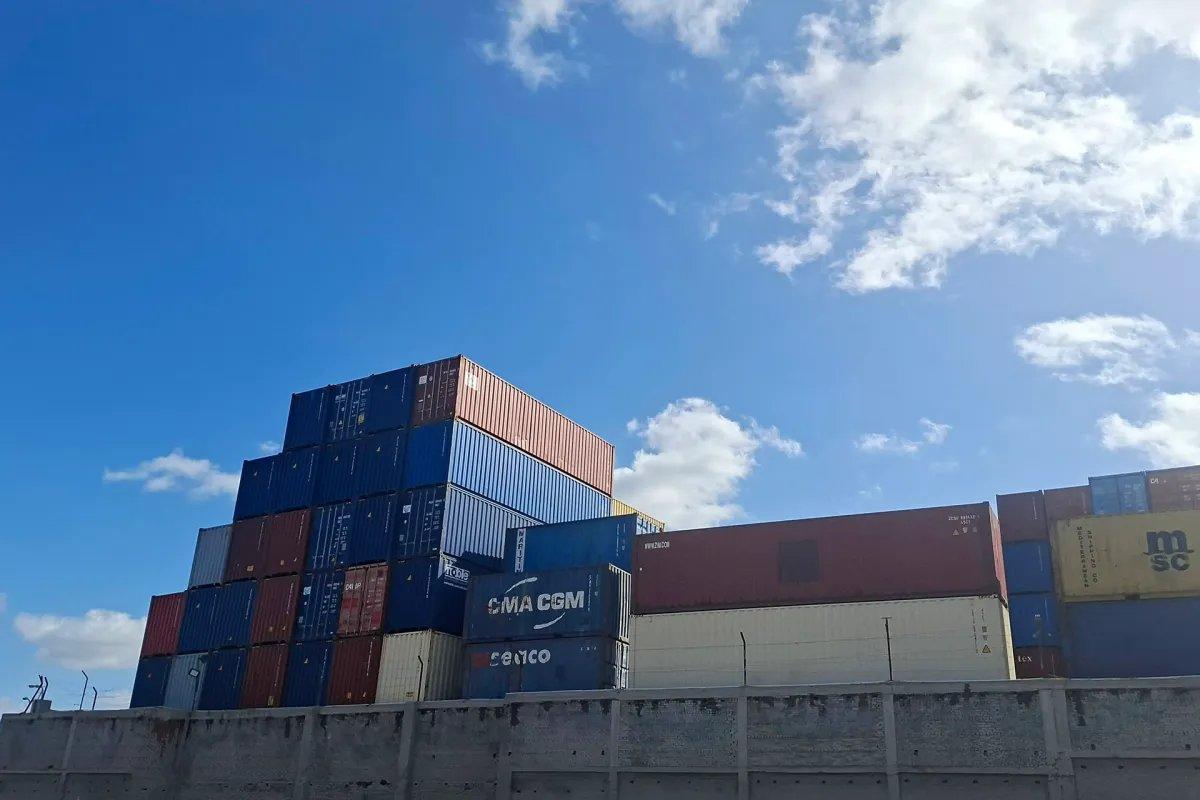
The project is being promoted by the Honduran National Interoceanic Railway Construction Committee (CONFI), with the research work to be undertaken by the U.S. consulting firm Shoreline Hudson. The feasibility study will focus on evaluating infrastructure upgrade plans for the existing ports, including increasing the handling capacity of Puerto San Lorenzo, and constructing intermodal railway hubs to alleviate congestion at Puerto Cortés and improve cargo throughput. The study will also propose future railway construction standards, develop financing and implementation plans, and identify U.S. suppliers for the project, including exporters of American locomotives, rolling stock, container handling equipment, terminal operating systems, and security systems.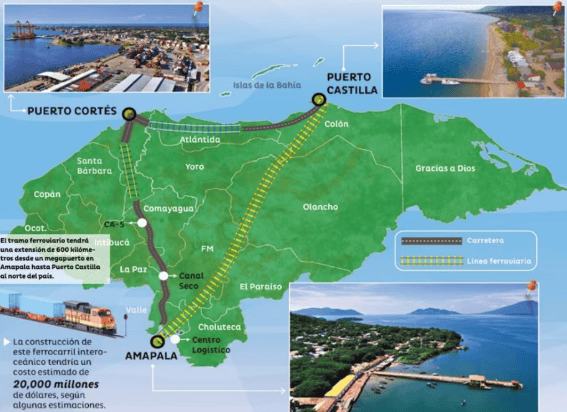
The President of Honduras emphasized that this is a long-term vision aimed at leveraging the country's geographical advantages to establish it as a regional logistics hub. The concept of the Honduran Interoceanic Corridor has been in the works for decades, with obstacles such as funding shortages, inadequate technical planning, and a lack of international support hindering its implementation. The execution of this project will provide a logistical alternative to traditional maritime routes and is expected to enhance Honduras' position in global trade against the backdrop of industrial transfer and supply chain optimization.
The U.S. Trade and Development Agency (USTDA) stated that the project is not only a significant infrastructure undertaking for Honduras but is also seen as an important measure for the United States to strengthen supply chain security in the Western Hemisphere. USTDA's involvement in the project will promote the adoption of U.S. technology and standards in port and railway infrastructure construction to develop more secure and reliable trade corridors and reduce dependence on other external influences. By building a land-based transportation corridor connecting the two oceans, regional logistics resilience can be improved, and key trade routes can be kept open and efficient.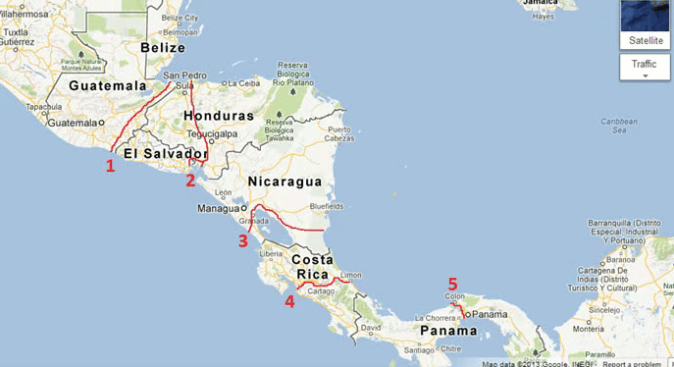
From a regional strategic perspective, if the project is ultimately implemented, Honduras is expected to create a new transoceanic logistics corridor in Central America, offering a land-based transportation alternative to the Panama Canal for international trade and reshaping the regional logistics landscape. Simultaneously, the project is viewed as an important step for the United States in strengthening its Western Hemisphere strategy and increasing its influence over infrastructure and strategic corridors in Latin America.
Related Products


WGQY Series Aircraft Tow Tractor-WGQY15, WGQY27
Weihai Guangtai Airport Equipment Co., Ltd.
One-Stop Steward Service for the Entire Logistics System Integration Chain
Zhongding Intelligent (Wuxi) Technology Co., Ltd.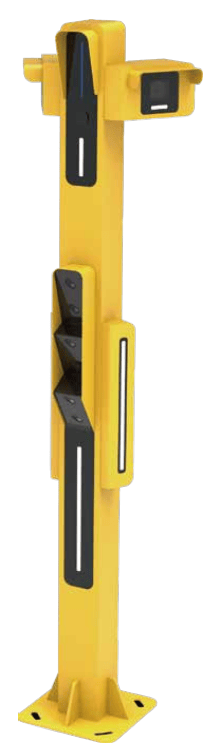
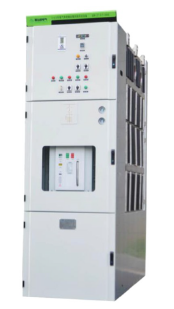
GSR6-27.5kV SF6 Free Gas-insulated Metal-enclosed Switchgear
Zhejiang Juhonkia Intelligent Electric Co., Ltd.
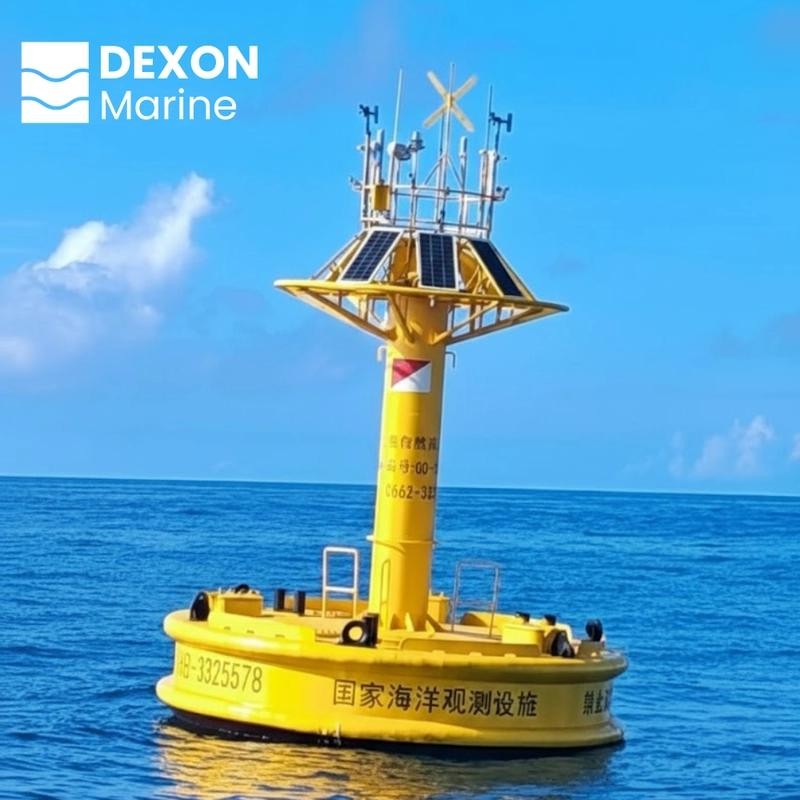
3m intelligent buoy combining navigation safety and real-time marine monitoring integrated navigation and marine monitoring system for real-time maritime data
Chengdu Dixin Technology Co., Ltd.