Wilo UK Helps Optimise Sewage Flow-to-Full Treatment Technology to Address Pressure on UK Housing Construction's Wastewater Infrastructure
Wedonay.com Report on Mar 7th, As the UK government commits to delivering 1.5 million homes within the current parliamentary term, housing developments are placing increasing pressure on ageing wastewater infrastructure for sewage treatment. Simon Light, National Sales Manager for Wastewater at Wilo UK, writes that water companies and civil engineers must think beyond traditional approaches and tackle the challenge by optimising flow-to-full treatment technology, rather than simply building more pipes.
Light notes in the article that during the advancement of housing projects, many plans have been shelved due to insufficient capacity in sewage treatment systems. Last September, the Home Builders Federation revealed that nearly 30,000 planned homes were on hold due to inadequate wastewater infrastructure. The traditional response has been to construct additional channels and stormwater tanks, but rising costs, lengthy construction periods, and carbon emission impacts are making this approach increasingly impractical.
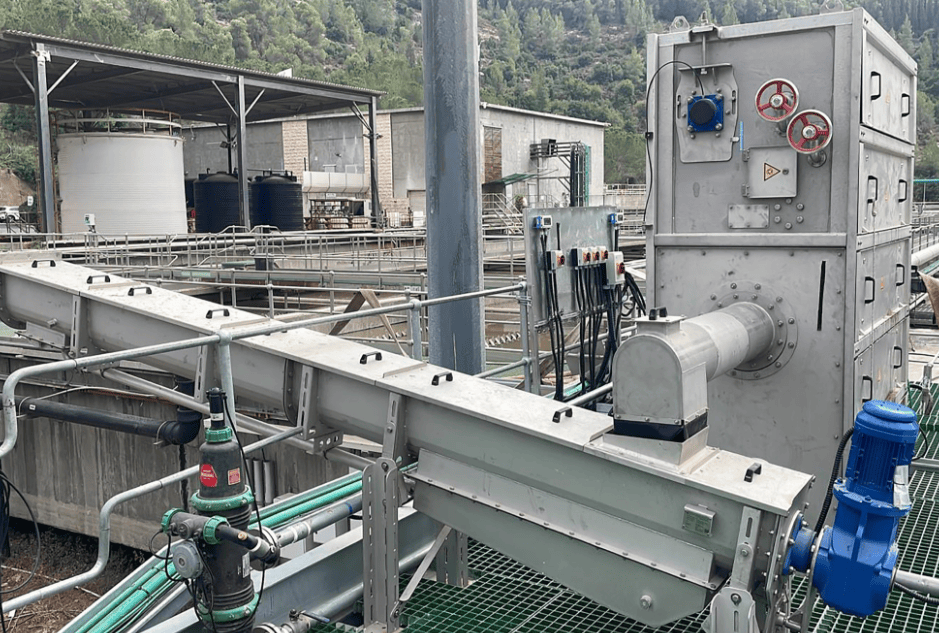
Many water companies are turning to flow-to-full treatment as an alternative, optimising existing infrastructure by increasing the volume of wastewater reaching treatment plants before overflow occurs. Light emphasises that to fully realise the potential of flow-to-full treatment, the importance of inlet screening technology must be prioritised. During high-flow periods, the amount of debris entering the system increases dramatically. Without effective screening, materials such as wet wipes and plastics place additional strain on equipment. Modern hydraulic screens and intelligent screening technologies are crucial for ensuring effective debris removal when flows increase, representing a key link in enhancing sewage treatment efficiency.
"At many older sites, screening equipment is undersized and cannot handle peak flows," writes Light. "This forces the broader treatment process to work harder, driving up energy consumption and accelerating wear on critical equipment." If inlet screens cannot pass the incoming flow, the performance of flow-to-full treatment will be limited. Increasing screening capacity is often the most cost-effective method to create additional hydraulic headroom without building new channels, effectively alleviating pressure on sewage treatment systems.
Light illustrates with a case study: a major water company needed to increase a treatment plant's throughput from 500 litres per second to 800 litres per second. By installing three new screens, over £500,000 in savings is projected. Currently, more than 2,000 sites in England and Wales are under investigation for discharge violations, highlighting the scale of the challenge facing sewage treatment systems. Strengthening inlet screening and fully utilising flow-to-full treatment is one effective method to enhance system resilience, support new housing developments, and control operational costs, holding positive significance for improving wastewater treatment infrastructure.
Related Products

Pure Polyurethane Wall Panel BD-AEF-PIR-01
Baodu International Engineering Technology Co., Ltd.

Ultra-pure Ferritic Stainless Steel Products
Gansu JISCO Group Hongxing Iron and Steel Co., Ltd.
Ceiling light | led Ceiling Light | LED Indoor light | LED Ceiling lighting
Queendom Group Technology Co., Ltd.
CITIC Heavy Industries Tunneling Equipment Tunnel Engineering Shield Machine
CITIC Heavy Industries Co., Ltd.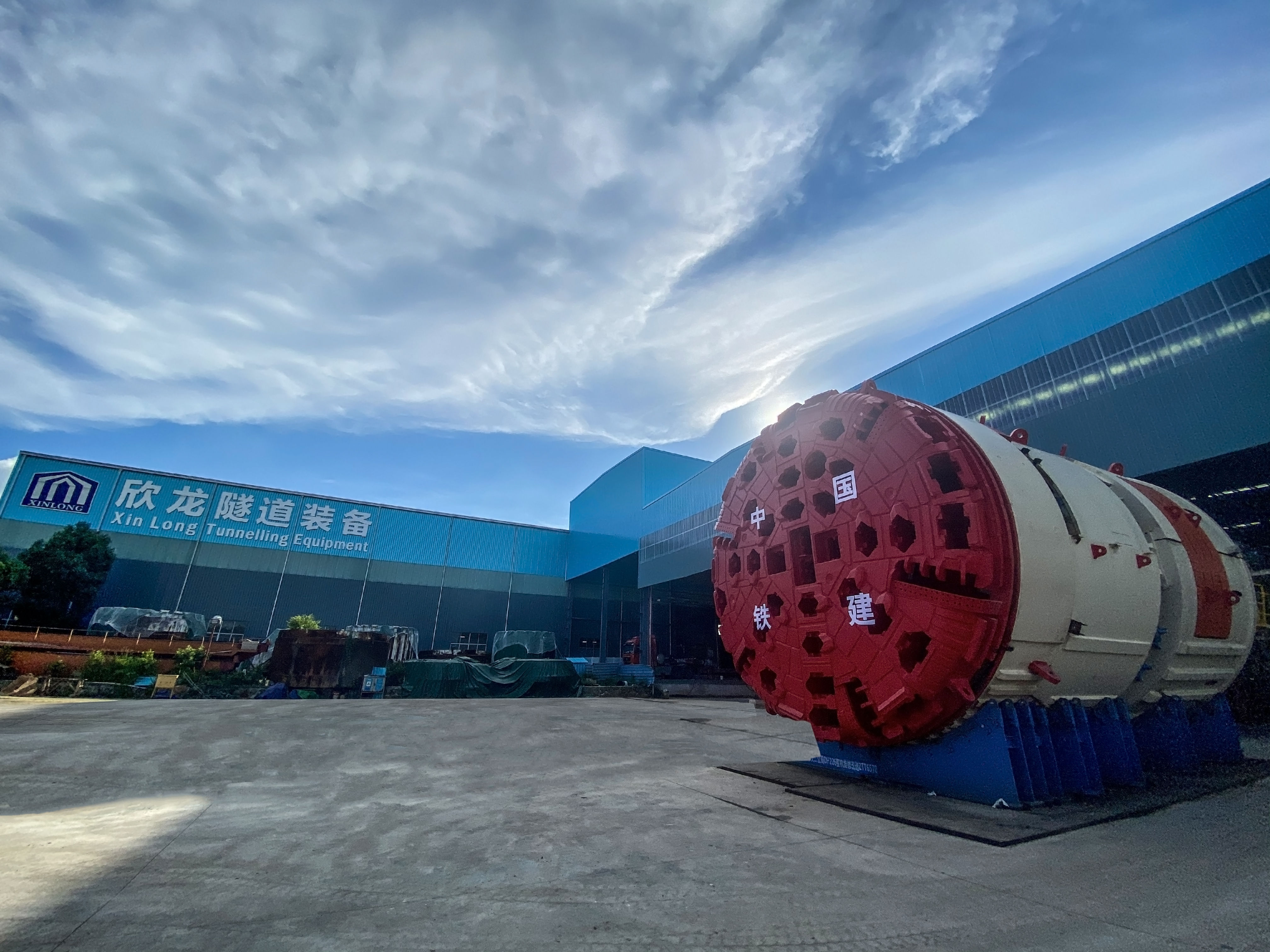

Acoustic Mineral Fiber Ceiling Tile 595x595x12mm
Shanxi Pano Trading Co., Ltd
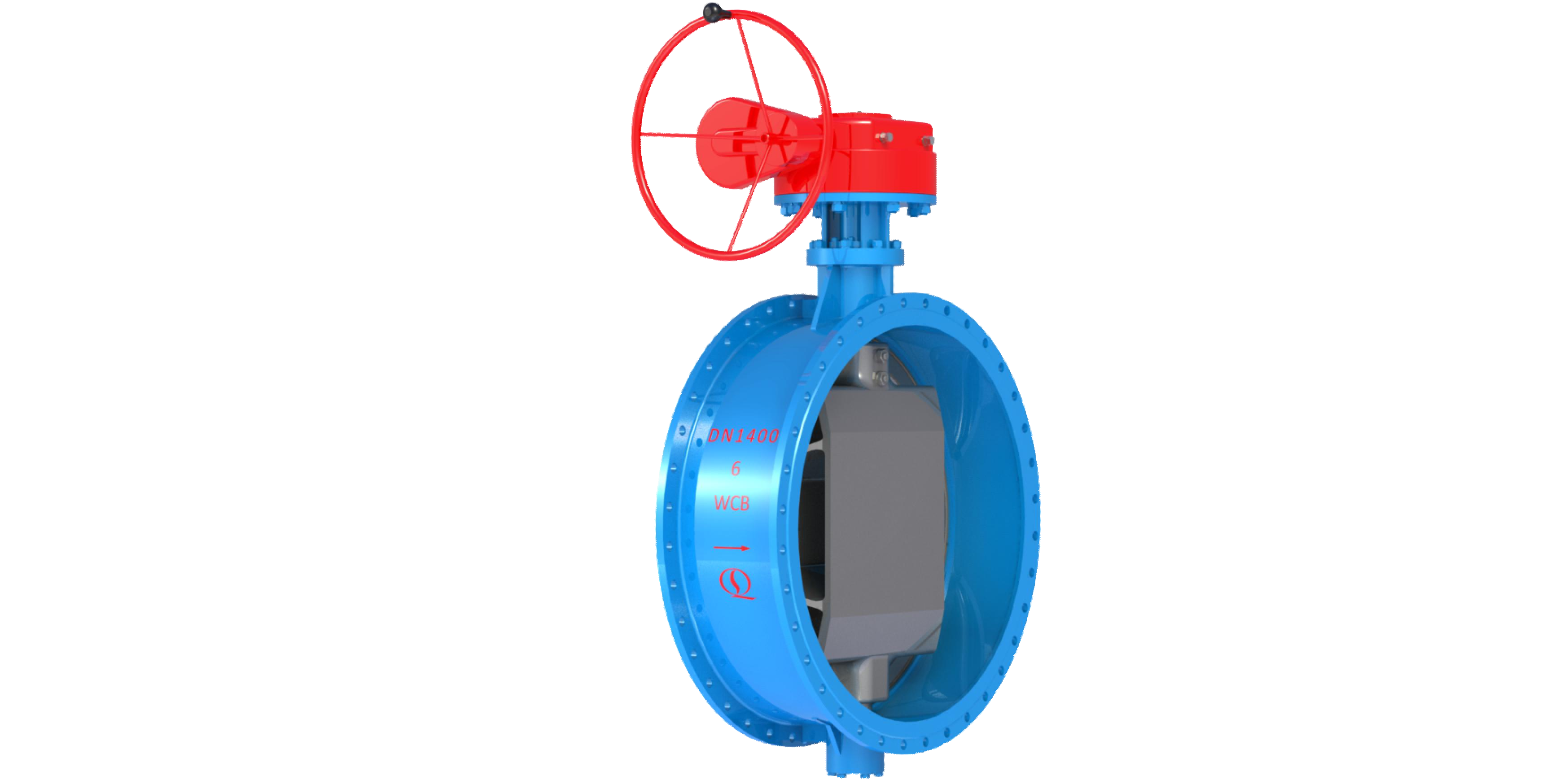
Bidirectional Metal Hard Sealed Seawater Butterfly Valve
Henan Quanshun Flow Control Science & Technology Co., Ltd.