Petrobras Invests Over BRL 150 Million in Libra Rocks Project to Advance Pre-Salt Geological Research
Wedoany.com Report on Mar 9th, Petrobras and its partners in the Libra Consortium will invest approximately BRL 151 million to launch the Libra Rocks project. This initiative aims to develop innovative technologies and build conceptual geological models for application in the Mero field, located in the pre-salt layer of the Santos Basin. The project establishes strategic partnerships with the University of Brasília, the Federal University of Paraná, and the Pontifical Catholic University of Rio Grande do Sul.
Bruno Mozidlo, Libra Project Executive Manager, stated: "The Libra Rocks project has the potential to reduce uncertainties in the production curve, enhance reservoir management efficiency, optimize new well placement, and improve understanding of CO2 ingress and oil loading timing within the reservoir." This four-year program seeks to revolutionize technological approaches in oil exploration and production. The knowledge gained will be directly applicable for commercial use, improving recovery rates and reservoir management.
In terms of innovation, artificial intelligence technologies will be employed to develop algorithms for automated processing of geological data, construct detailed conceptual models of carbonate rocks in the Libra area, and apply novel methods for rock analysis. The project will investigate the origin, composition, and structure of rocks to understand characteristics such as pore distribution and permeability, while also deepening knowledge of the geological evolution related to the opening of the South Atlantic. The use of high-precision equipment and modern methodologies will ensure more reliable results, reinforcing the Mero field's position as a technical benchmark in the oil and gas industry.
Another key innovation is the "Digital Rock" technology, which creates 3D replicas of rock samples using ultra-high-resolution images, expanding the characterization capabilities of oil-bearing rocks. The Mero field reservoir is located at a depth of 5,000 to 6,000 meters below sea level, under a water depth of 1,800 to 2,000 meters, presenting unique conditions such as high salinity and high CO2 content. Its formation is primarily composed of carbonate rocks formed approximately 125 to 113 million years ago, exhibiting high porosity and good permeability, which favor oil storage and flow. In-depth study of these rock properties is crucial for optimizing production and overcoming industry challenges. The research outcomes may also be applicable to other fields in the pre-salt layers of the Santos and Campos basins.
Funding for the Libra Rocks project comes from the R&D clause of the National Agency of Petroleum, Natural Gas and Biofuels (ANP). It will involve the procurement of advanced equipment, the hiring of over 150 personnel from partner universities, and the provision of more than 90 scholarships. This fosters the generation of highly specialized human resources in Brazil, improves national technological infrastructure, and promotes interdisciplinary interaction in the fields of geosciences and artificial intelligence, reflecting Petrobras's ongoing commitment to encouraging research, development, and innovation. Operations at the Mero unified field are conducted by a consortium led by Petrobras, with partners including Shell Brasil, TotalEnergies, China National Petroleum Corporation, China National Offshore Oil Corporation, and Pré-Sal Petróleo S.A.
Related Products
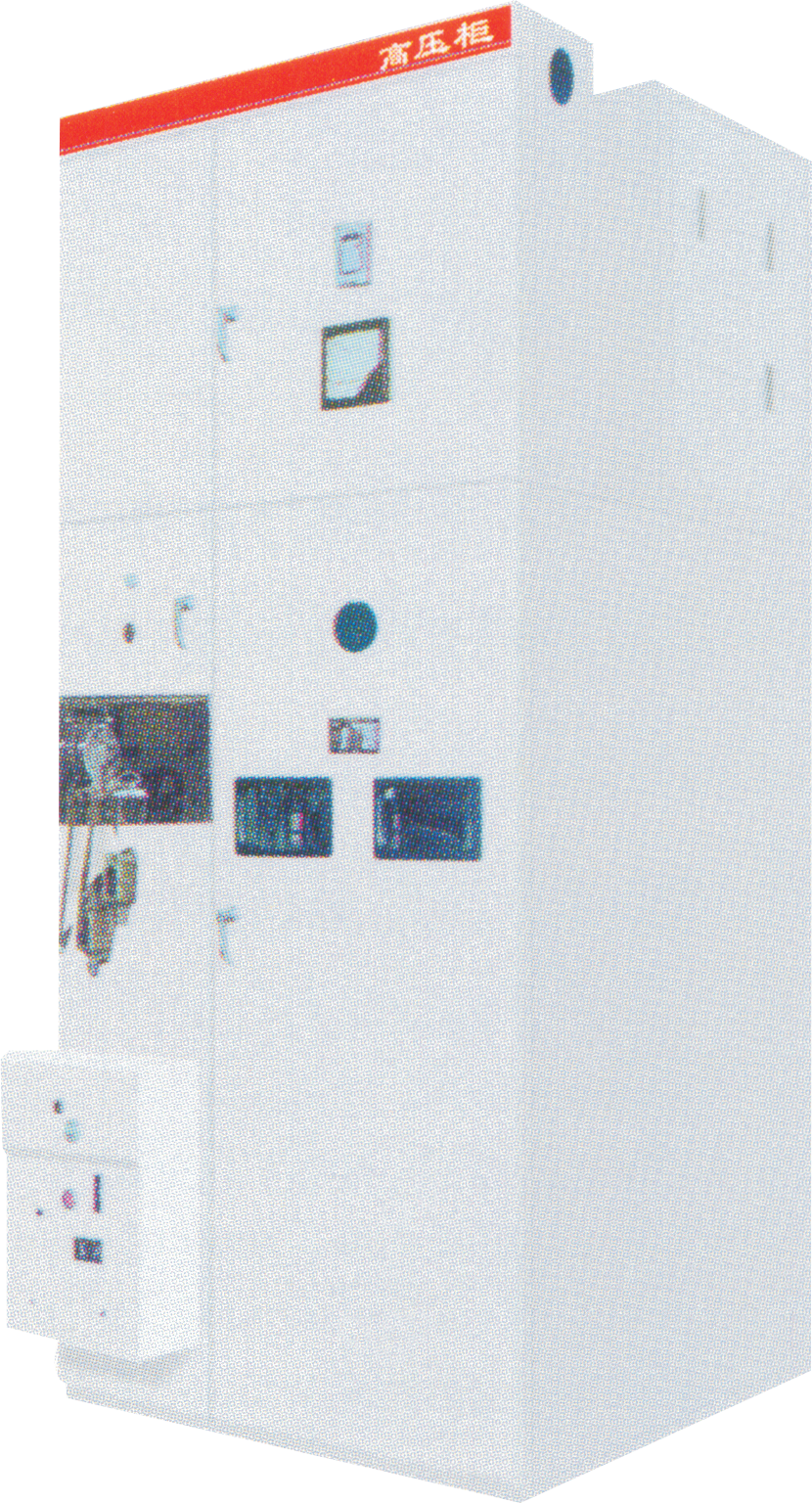

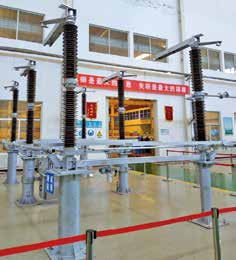
GW4-40.5/72.5/126/145/170/252/363/420 Series Double-column Horizontal Rotary High-voltage AC Disconnect Switch
SHANDONG TAIKAI DISCONNECTORS CO., LTD.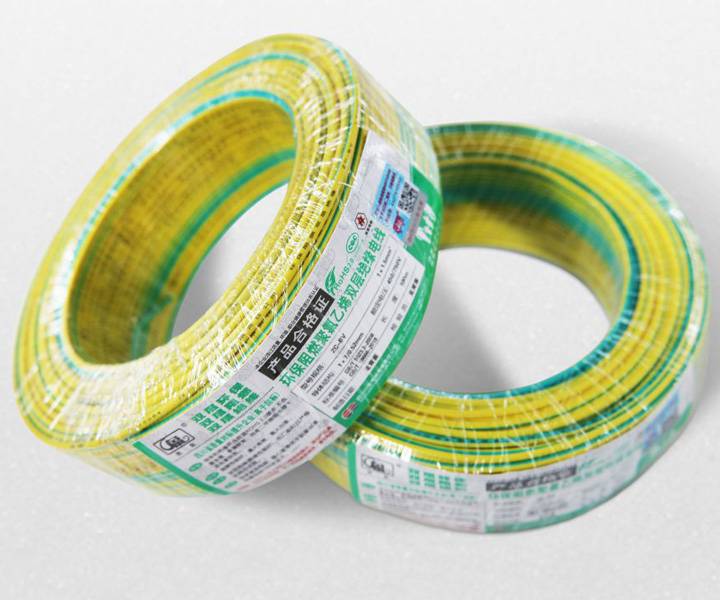
Environmentally Friendly Flame-retardant PVC Double-layer Insulated Wire
Sichuan Chndo Cable Co., Ltd.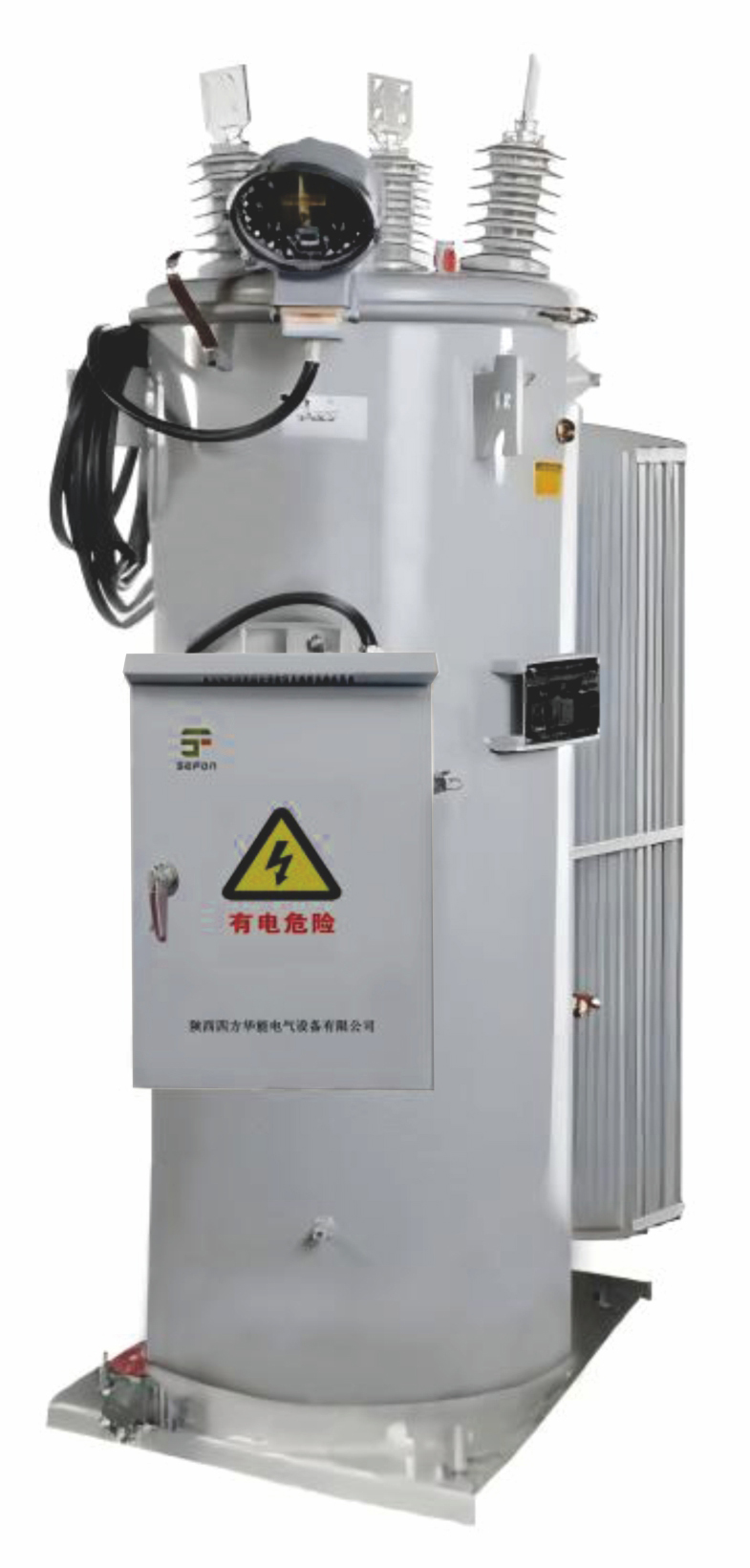
Single-Phase Automatic Voltage Regulator(AVR)
Shaanxi Sefon Electrical Equipment Co.,Ltd.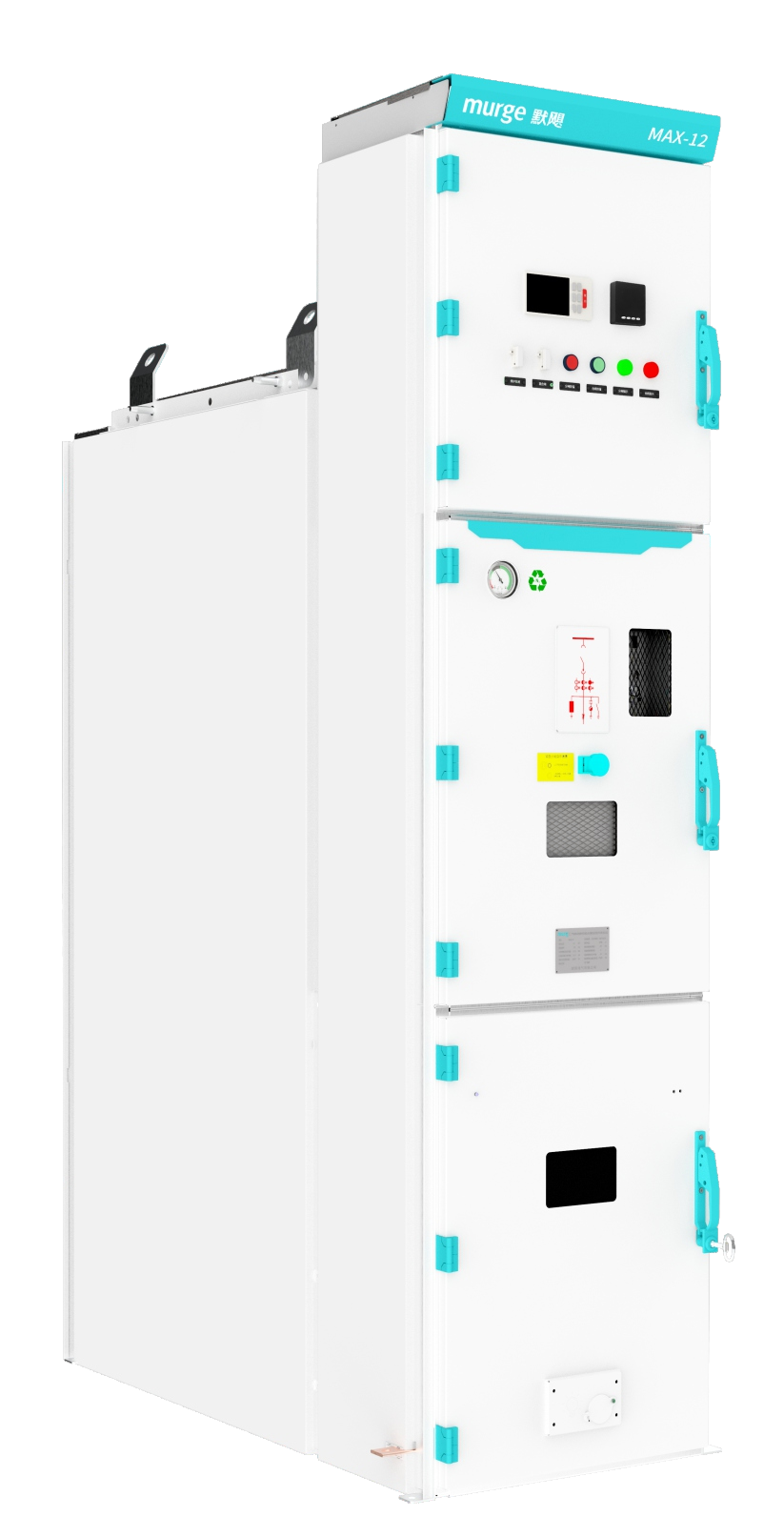
MAX-12 series Environmental Protection/SF6 gas insulated switchgear (C-GIS)
Murge Electric Co.,Ltd.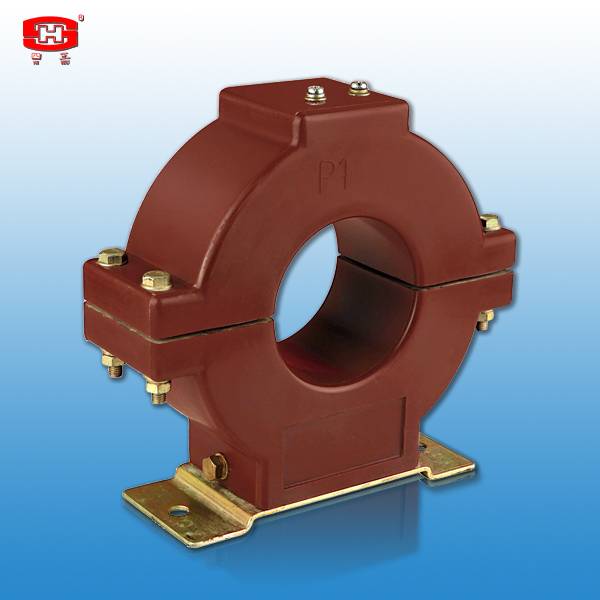
0.66kV Power Supply Instrument Transformer
Guangdong Sihui Instrument Transformer Works Co., Ltd.

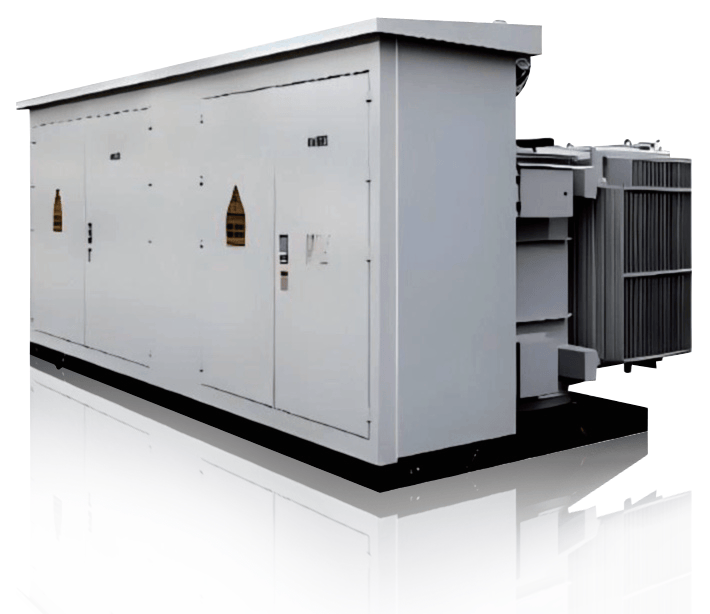
H-40.5/0.4~1.14kV New Energy Power Generation Dedicated High Voltage/Low Voltage Prefabricated Substation
XJ (Xiamen) Intelligent Power Equipment Co., Ltd.

714CD Series C-Band Weather Radar
Chengdu Zhongdian Jinjiang Information Industry Co., Ltd.