Concerns Raised Over Lack of US Geoengineering Oversight, GAO Report Calls for Enhanced Supervision and Transparency
Wedoany.com Report on Mar 10th, There are significant deficiencies in the US federal government's oversight of geoengineering activities, according to a recent report from the Government Accountability Office (GAO). The report states that the National Oceanic and Atmospheric Administration (NOAA) has failed to effectively track and disclose weather modification projects. This regulatory gap could lead to uncontrolled harmful operations and contribute to the spread of misinformation, the report claims. Karen Howard, GAO's Director of Science and Technology Assessment, said, "Creating a better database of geoengineering operations and making it more accessible to the public can go a long way in dispelling misinformation and improving oversight."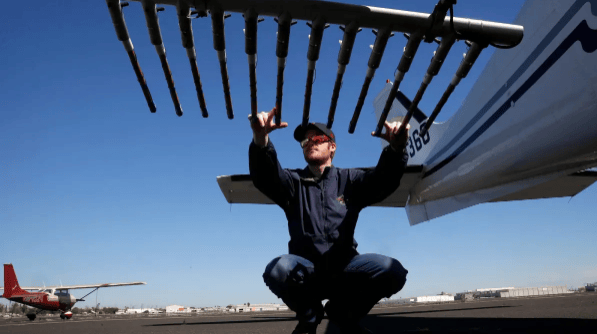
Key issues within the oversight system include a confusing reporting process and outdated forms. Howard noted that many organizations conducting weather modification are unaware they need to submit reports to NOAA. Furthermore, the existing forms, largely unchanged since 1974, are ill-suited for emerging technologies like solar geoengineering. NOAA officials acknowledged that they do not proactively seek out unreported experiments. Additionally, upon receiving reports, they are simply stored in a database without any review mechanism.
The field of geoengineering spans from long-established cloud seeding techniques to cutting-edge solar radiation management methods. Cloud seeding operations, ongoing for over 80 years, involve injecting particles like silver iodide to increase precipitation. They are used in drought-prone areas of the western US to alleviate water shortages. However, this technology is also controversial. Conspiracy theories alleging government weather control through "chemtrails" have prompted several states to propose legislation restricting such activities. Following floods in Texas last July, false claims linking them to cloud seeding led politicians to push for making weather modification a felony.
Although cloud seeding is seen as a tool to increase precipitation, its effectiveness requires more research. Jeff French, a professor of atmospheric science at the University of Wyoming, stated, "It's far from solving the West's water problems, but any additional water you can bring into the system is beneficial." As interest in solar geoengineering grows, transparency and oversight become even more critical. Last July, an experiment by the University of Washington in San Francisco Bay was halted because local officials were not notified in advance, highlighting communication failures.
The GAO recommends that NOAA improve its reporting review guidelines, update forms, and strengthen inter-agency notification processes to enhance transparency in geoengineering oversight. Howard emphasized, "We need research to understand if it works and if there are unintended consequences." Currently, such research has not been adequately conducted. Strengthening oversight could help clarify technological misunderstandings and prevent potential risks.
Related Products


CAP1400 main feedwater flow nozzle flowmeter.
Jiangsu Hongda Instrument Technology Co., LTD.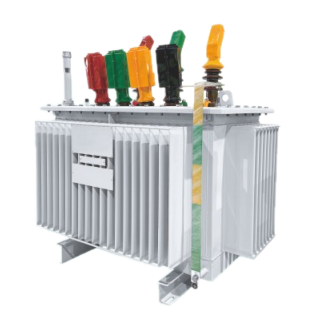
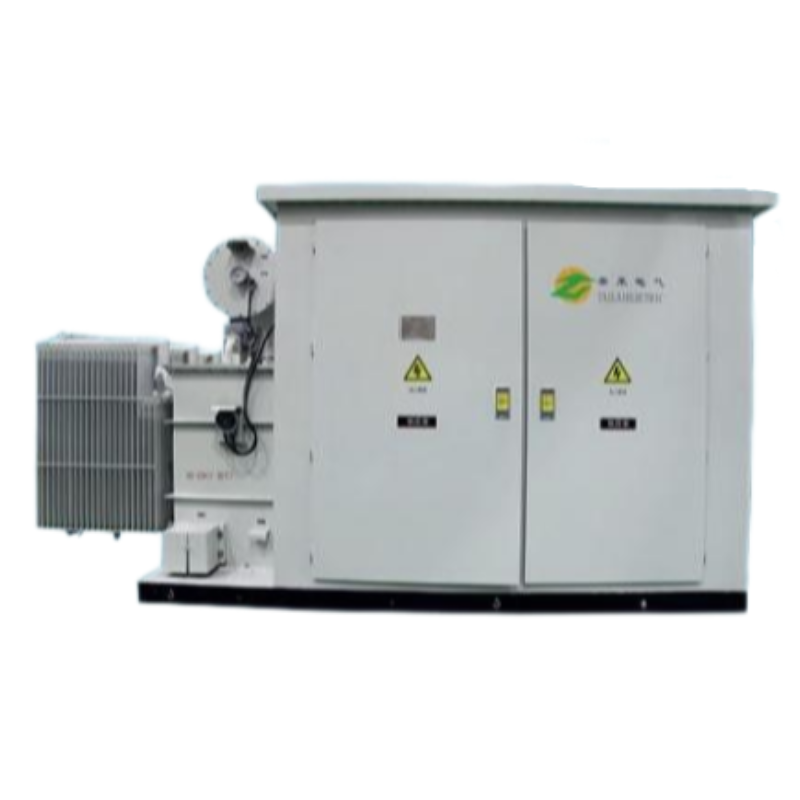
IS(B)□-M·RL Series Oil-immersed 3D Transformer (Planar / 3D Wound Core)
Guangdong Kehua Electric Power Technology Co., Ltd.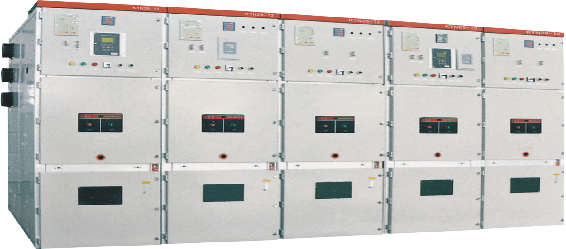
KYN28-12/24 Indoor High-Voltage Metal-Clad Removable Switchgear
Shenzhen Zhaoyang Hui Technology Co., Ltd.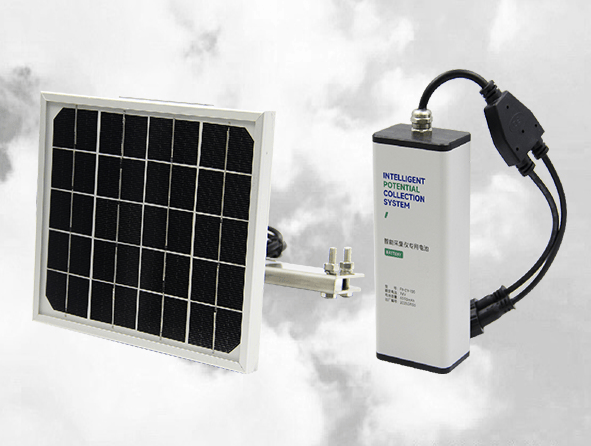
Inductive Power Harvesting Self-Powered Device - Safuneng
SELF ENERGY TECHNOLOGY (SHENZHEN) CO., LTD.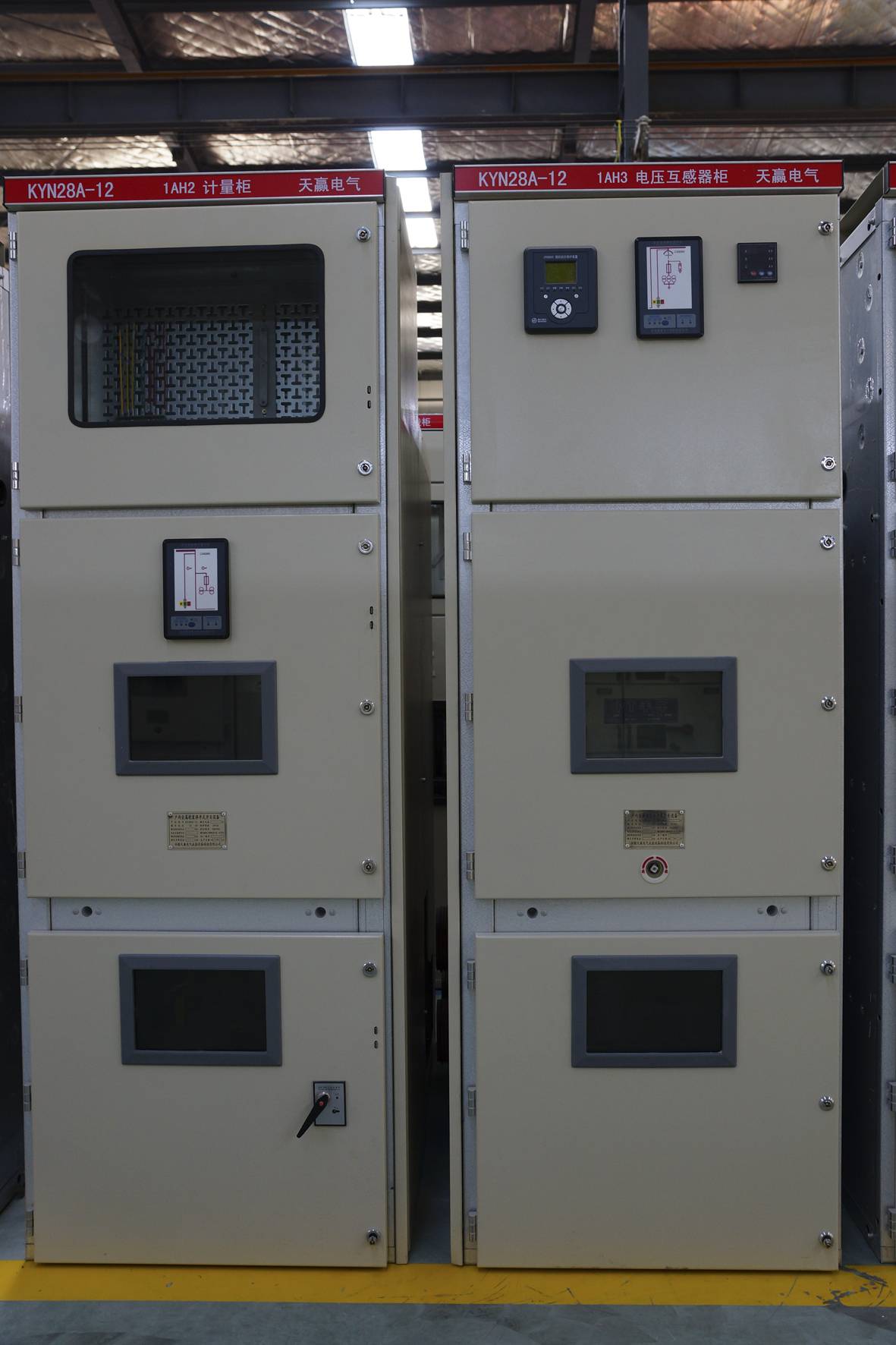
KYN28 - High Voltage Switchgear
Anhui Tianying Electrical Equipment Manufacturing Co., Ltd.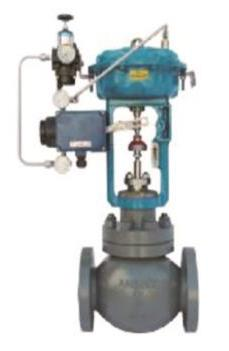
Quick-Change Single-Seat Control Valve / Quick-Change High-Pressure Single-Seat Control Valve
Beijing Consen Automation Technology Co., Ltd.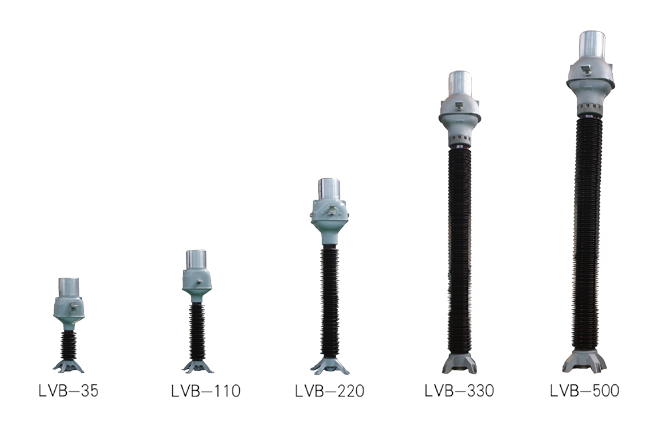
LVB Series 35-500kV Oil-immersed Inverted Current Transformer
Shandong Taikai Instrument Transformer Co., Ltd.
1000kV Jin Southeast-Nanyang-Jingmen UHV AC Transmission and Transformation Pilot Demonstration Project
Anhui Hongyuan Steel Tower Co., Ltd.