Wedoany.com Report on Mar 11th, Deutsche Telekom recently announced a further expansion of its 5G network coverage, successfully integrating areas such as Cunnewitz, Kroeppelshagen-Fahrendorf, and Neuenhasslau in the Bautzen district of Saxony into its high-speed mobile communication network. This latest development signifies that Deutsche Telekom is progressing as planned with its large-scale mobile network upgrade project, aiming to enhance communication service quality in remote regions and meet the urgent demand of local residents and businesses for high-speed network connectivity.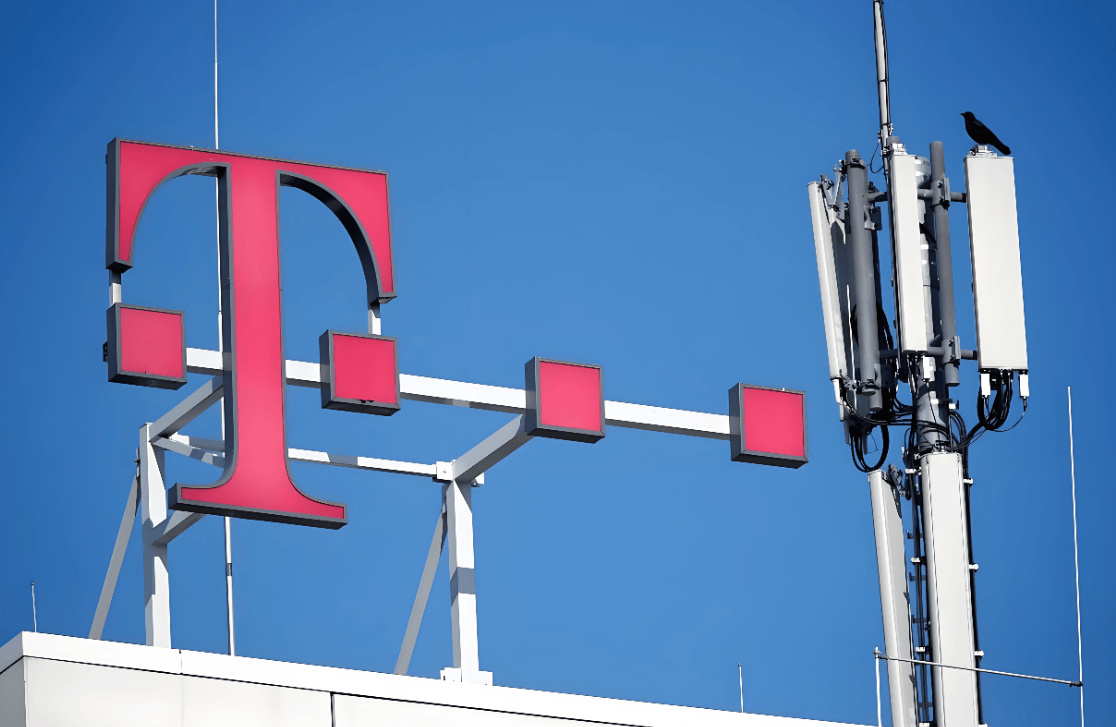
As a crucial component of Deutsche Telekom's 2025 mobile network expansion plan, this network upgrade in the Bautzen district represents a specific case among the approximately 8,000 new or expanded 5G projects nationwide. By deploying 5G technology in areas like Cunnewitz, Kroeppelshagen-Fahrendorf, and Neuenhasslau, Deutsche Telekom is continuously driving the deeper and broader penetration of Germany's digital infrastructure. The company stated that upgrading the mobile network to 5G technology is not merely a means to increase internet speed but a key measure to narrow the "digital divide" between urban and rural areas and enhance the overall national network connectivity capability.
On a broader level, the ongoing expansion of the 5G network is injecting new momentum into Germany's domestic digital ecosystem. Beyond optimizing daily communication experiences for local residents, the high bandwidth, low latency, and massive connectivity features of 5G provide foundational support for the implementation of Internet of Things (IoT) applications and smart city projects. For instance, in mixed-use regions like the Bautzen district, 5G networks can simultaneously serve various scenarios such as agricultural automation, remote education, and corporate digital transformation.
This series of initiatives by Deutsche Telekom also reflects the high strategic value that mainstream European telecom operators place on 5G technology. By continuously investing in network infrastructure upgrades, operators are striving to play a more active role in regional economic development and societal digital transformation.
Related Products

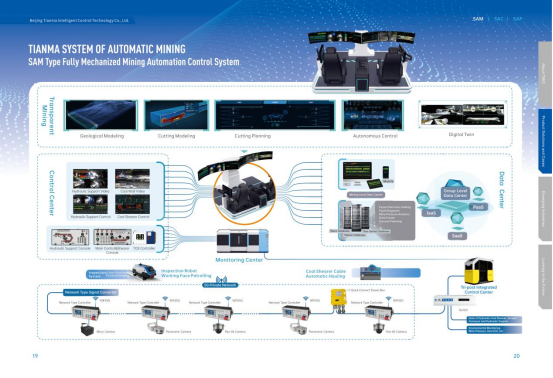
Comprehensive Mining Automation Control System
Beijing Tianma Intelligent Control Technology Co., Ltd.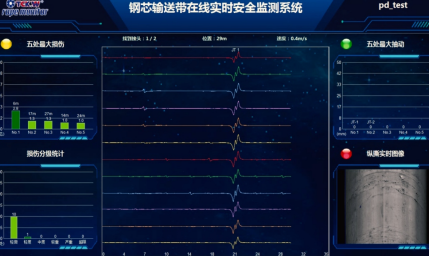
Conveyor Belt Intelligent Monitoring System
LUO YANG WIRE ROPE INSPECTION TECHNOLOGY CO., LTD.

G.652.D Wavelength-extended Non-dispersion Shifted Single-mode Optical Fiber
HONGAN GROUP CO., LTD.
20 Inch 1600*900 Full HD 60Hz TFT LED Monitor with VGA and DP Interfaces for Desktop Computers-Business Use
Guangzhou Zanying Optoelectronics Technology Co., Ltd.

Mine Explosion-proof and Intrinsically Safe Industrial Ethernet Ring Network (10 Gigabit/Gigabit)
Chongqing Mas Sci&Tech Co., Ltd.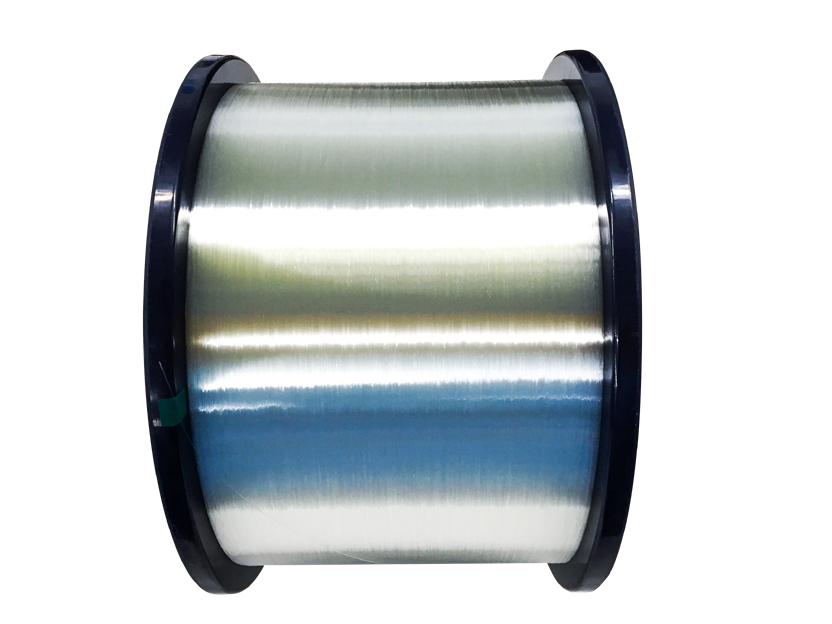

Automatic Aiming Laser Remote Obstacle Removal Robot
Pinggao Group Weihai High-Voltage Apparatus Co., Ltd.