US Silicon Valley - South Korea's SK hynix and Applied Materials to Collaborate at EPIC Center on DRAM and HBM Development
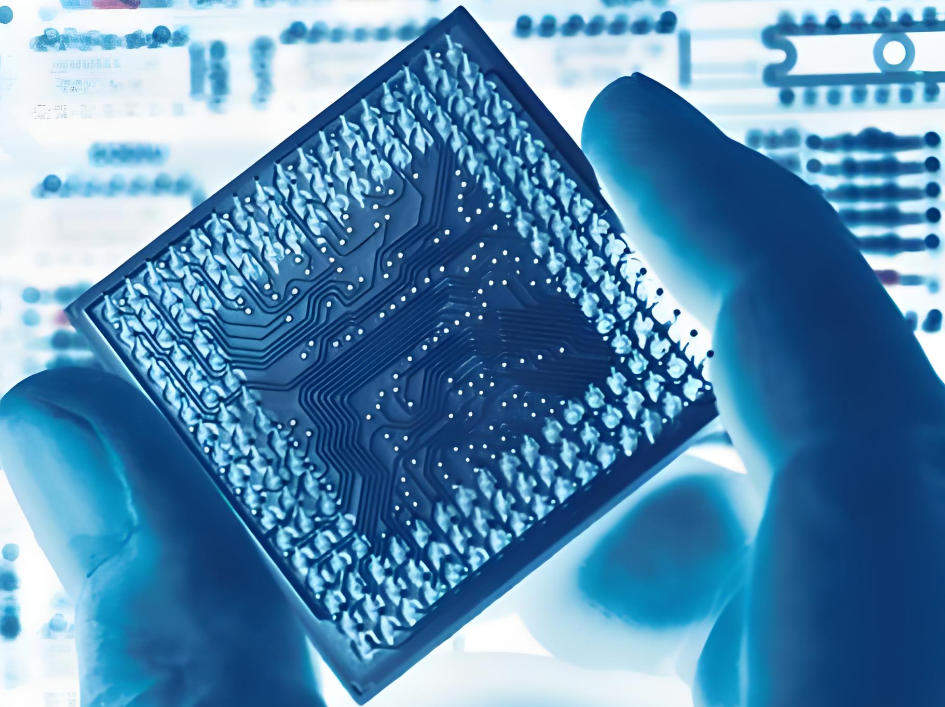
Wedoany.com Report on Mar 13th, American semiconductor equipment supplier Applied Materials and South Korean memory chip manufacturer SK hynix announced that they will collaborate at the EPIC R&D center in Silicon Valley to develop next-generation DRAM and high-bandwidth memory (HBM) technologies. The EPIC center, scheduled to open later this year with an investment of $5 billion, focuses on shortening the time to commercialize new technologies.
Engineers from both companies will work together at the EPIC center, with initial R&D focusing on material innovation, process integration, and advanced 3D packaging to enhance the performance and manufacturability of future memory architectures. The joint projects will also advance atomic-level innovations, including advanced patterning, etching, and deposition processes, supporting the progress of both logic and memory chips.
Gary Dickerson, President and CEO of Applied Materials, stated: "Applied Materials and SK hynix have a long history of collaboration in advancing the energy efficiency and performance of leading-edge memory chips through materials engineering innovation. We are excited that SK hynix is joining the EPIC center as a founding partner and look forward to working together to drive more breakthroughs and accelerate the commercialization of next-generation DRAM and HBM technologies for the AI era."
Nohjung Kwak, President and CEO of SK hynix, added: "The continued expansion of AI systems is driving unprecedented demand for energy-efficient memory technologies. One of the biggest bottlenecks to AI progress is the growing disconnect between memory speeds and processor advancements. Our advanced memory technologies are paving the way for faster, more energy-efficient data processing, and we look forward to collaborating with Applied Materials at the new EPIC center to deliver an innovation roadmap that enables next-generation memory solutions optimized for AI."
This collaboration comes against the backdrop of industry challenges related to storage and memory hardware shortages. In January 2025, TrendForce data indicated that by 2026, data centers could consume 70% of global memory production. Manufacturers like Samsung and SK hynix have warned that the memory chip shortage may persist until 2027, and AI infrastructure projects could exacerbate supply constraints for consumer electronics.
Related Products


MUX Series Communication Interface Device for Security and Stability Control System
Nanjing NR Electric Co., Ltd.

TWP16 P-Band Tropospheric Wind Profile Radar
China Huayun Meteorological Technology Group Co., Ltd.

Automatic Aiming Laser Remote Obstacle Removal Robot
Pinggao Group Weihai High-Voltage Apparatus Co., Ltd.

Industrial and Commercial Point-Type Gas Detector
Jinan Benan Technology Development Co., Ltd.

Conveyor Belt Intelligent Monitoring System
LUO YANG WIRE ROPE INSPECTION TECHNOLOGY CO., LTD.