Google Maps Launches Gemini Conversation Feature and 3D Navigation, Rolling Out First in the US and India
Wedoany.com Report on Mar 13th, Google Maps recently received a major feature update, with the launch of the "Ask Maps" feature powered by Gemini artificial intelligence, alongside comprehensive upgrades to immersive 3D navigation and voice guidance systems. These new features aim to transform Google Maps from a traditional navigation tool into an intelligent travel assistant capable of understanding complex travel needs and providing personalized suggestions.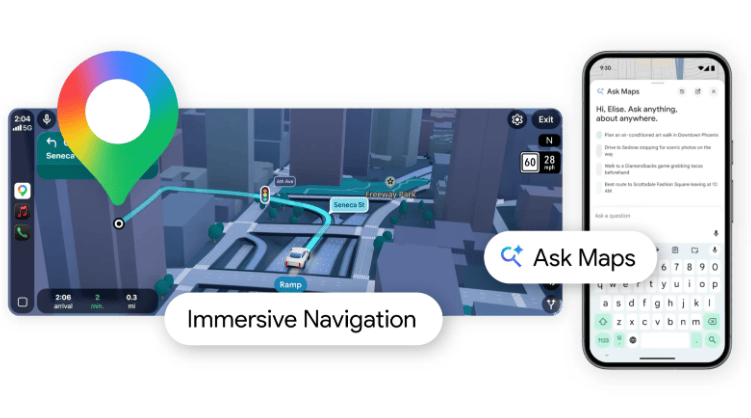
The core highlight of this update is the "Ask Maps" feature. Users can now directly ask the map questions through a conversational interface, such as "What charging stations are nearby?" or "Where can I play tennis?". The Gemini model will combine the user's search history, preferences, and real-time location to provide highly customized recommendation results. Each recommendation option not only includes location information but also integrates key data such as user-uploaded photos, review summaries, and business hours, helping users make quick decisions. This feature is rolling out starting today for mobile users in the United States and India, with plans to gradually expand to desktop and other regions in the future.
In terms of navigation experience, Google Maps has introduced an immersive 3D navigation feature. Built using the Gemini model, this feature can present 3D views of buildings and terrain during navigation, and highlight lane markings and traffic signs at turns and intersections, helping drivers understand complex road conditions more intuitively. Currently, immersive 3D navigation is available only to users in the United States, with plans to gradually cover more platforms and regions.
At the same time, Google Maps has optimized its voice guidance system, making its expressions more natural and fluid, closer to the communication style of a real human navigator. The Street View feature has also been upgraded, adding practical functions such as finding parking spots and real-time traffic alerts, further enhancing its utility in driving scenarios.
Google stated that the core goal of this series of updates is to leverage artificial intelligence technology to help users solve increasingly complex travel problems. With the implementation of features like "Ask Maps" and immersive navigation, Google Maps is evolving from a passive, responsive navigation tool into an intelligent platform capable of proactively understanding user intent and providing personalized travel solutions.
Related Products

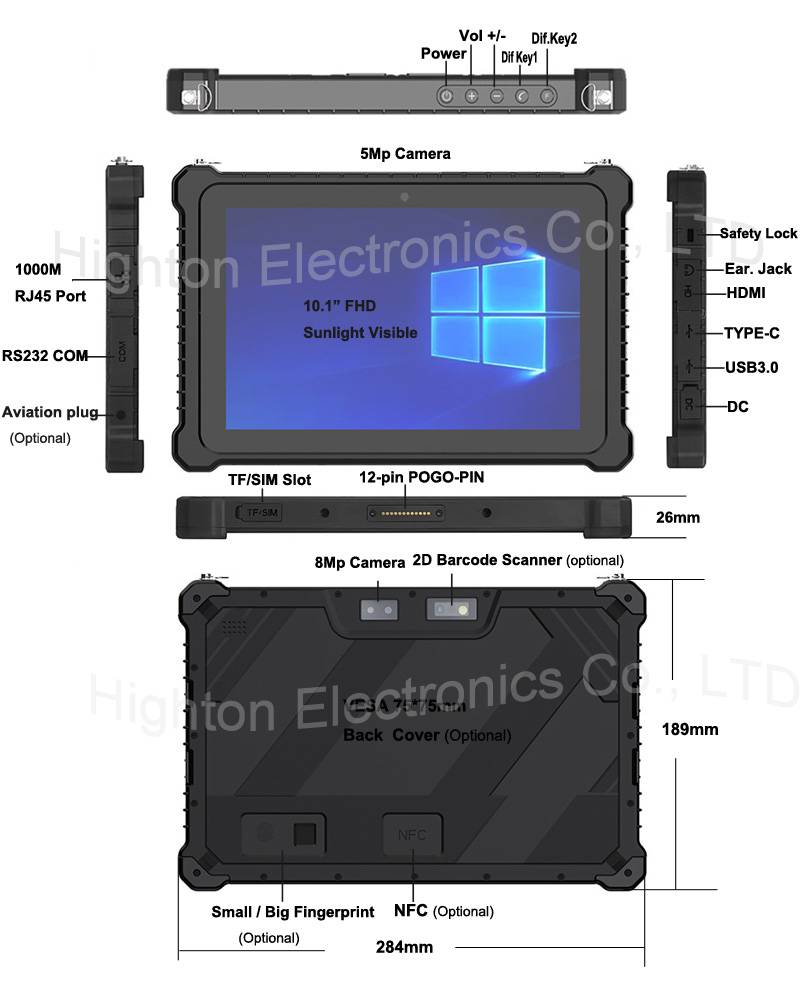
Hot Selling 10 Inch Intel N5100 I5 I7 FHD 8 +128GB 16+256GB Win10 Pro Win11 Pro 4G 5G Rugged Tablet PC Pad with NFC Barcode
Highton Electronics Co., Ltd.
20 Inch 1600*900 Full HD 60Hz TFT LED Monitor with VGA and DP Interfaces for Desktop Computers-Business Use
Guangzhou Zanying Optoelectronics Technology Co., Ltd.

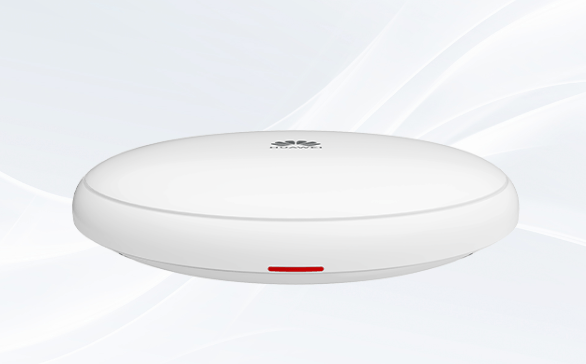

MUX Series Communication Interface Device for Security and Stability Control System
Nanjing NR Electric Co., Ltd.
Multi-function Marine Monitoring Low-altitude Detection Radar Sea-air Boundary Ocean Dynamic Environment Measurement
Chengdu Dixin Technology Co., Ltd.
Conveyor Belt Intelligent Monitoring System
LUO YANG WIRE ROPE INSPECTION TECHNOLOGY CO., LTD.
G.652.D Wavelength-extended Non-dispersion Shifted Single-mode Optical Fiber
HONGAN GROUP CO., LTD.

Automatic Aiming Laser Remote Obstacle Removal Robot
Pinggao Group Weihai High-Voltage Apparatus Co., Ltd.