Samsung Collaborates with NVIDIA on Next-Gen NAND Flash: AI Simulation Model Speeds Up by Ten Thousand Times, Storage Chip R&D Enters "Acceleration Mode"
Wedoany.com Report, On March 13th, according to industry sources, Samsung Electronics is collaborating with NVIDIA to accelerate the development of next-generation NAND flash memory chips. A joint research team composed of Samsung Semiconductor Research Institute, NVIDIA, and the Georgia Institute of Technology has successfully developed an innovative model named "Physics-Informed Neural Operator". This model is over ten thousand times faster than existing traditional models when analyzing the performance of ferroelectric-based NAND devices. The related research findings have been publicly released. 
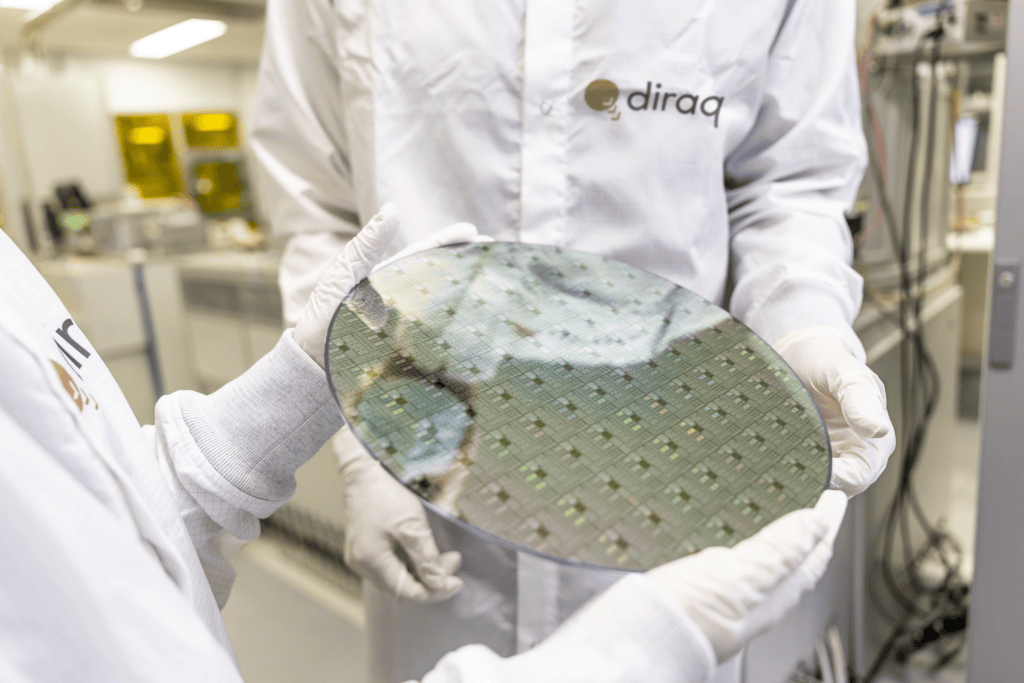
This groundbreaking model combines physical laws with artificial intelligence algorithms, enabling accurate simulation and prediction of the electrical behavior of ferroelectric materials in an extremely short time, thereby significantly shortening the R&D cycle for new materials. Based on this research outcome, Samsung is engaging in deep collaboration with NVIDIA to jointly advance the development and commercialization of ferroelectric NAND flash memory.
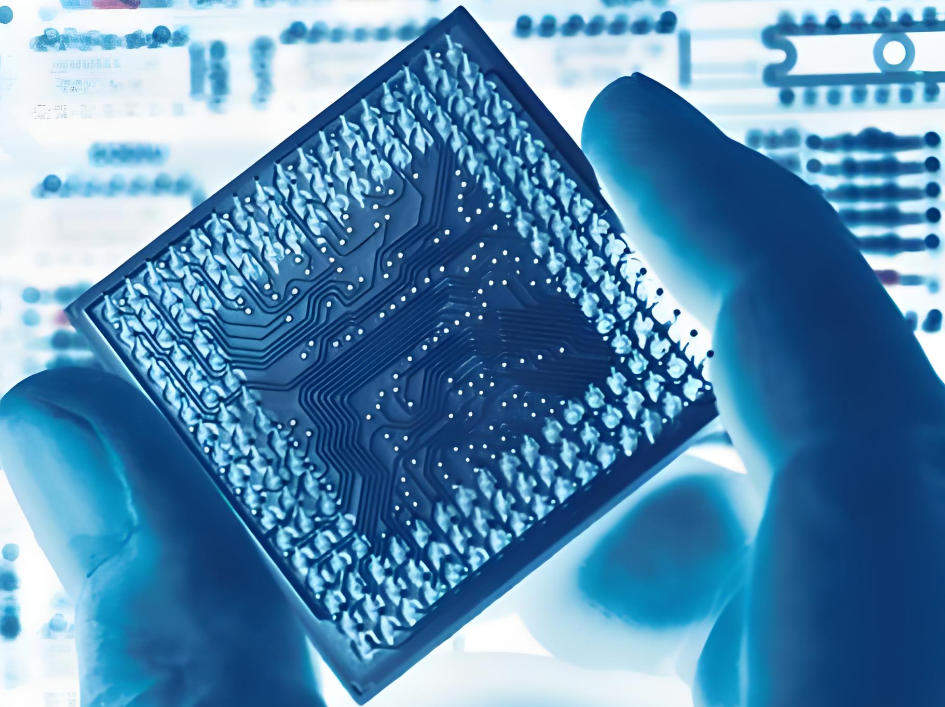
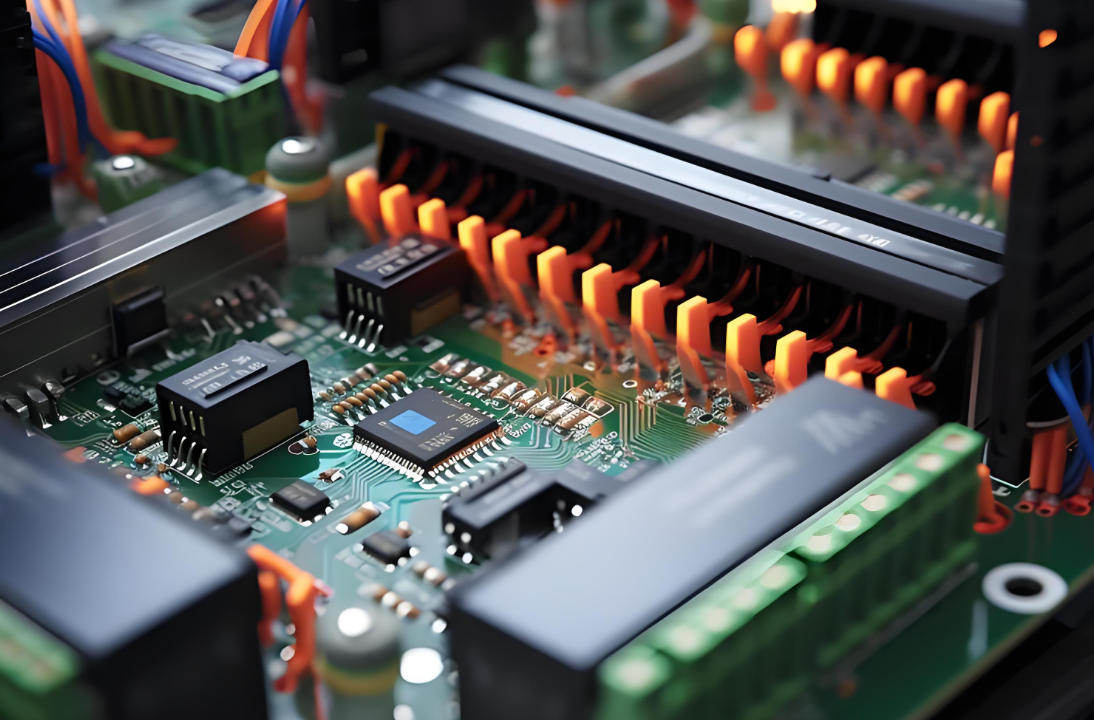
Ferroelectric NAND is a next-generation storage technology that utilizes the properties of ferroelectric materials to store data. Compared to traditional NAND flash, it has potential advantages in write speed, power consumption, and durability, and is regarded as a highly promising storage solution for future high-computing scenarios. However, the complex physical properties of ferroelectric materials make their R&D and optimization processes extremely time-consuming, and traditional simulation methods struggle to meet the demands for rapid iteration. The AI-driven simulation model jointly developed by the three parties aims precisely to overcome this bottleneck.
As a global leader in AI computing power, NVIDIA provides the GPU-accelerated computing platform and AI technology stack in this collaboration, offering foundational support for the rapid training and operation of the model. Samsung leverages its profound expertise in semiconductor manufacturing and storage technology to translate the model's research results into actual products. The Georgia Institute of Technology contributes its academic capabilities in materials science and computational physics, providing theoretical support for the underlying principles of the model.
This collaboration is not only a typical case of industry-academia-research collaborative innovation but also reflects the trend of AI permeating from the application layer down to the underlying chip R&D. As AI models themselves participate in the discovery and optimization of new materials, the iteration speed of semiconductor technology is expected to further accelerate. For the storage chip industry, if ferroelectric NAND can be successfully commercialized, it may reshape the existing storage technology landscape. Samsung and NVIDIA's partnership undoubtedly positions them advantageously in this process.
Related Products


Conveyor Belt Intelligent Monitoring System
LUO YANG WIRE ROPE INSPECTION TECHNOLOGY CO., LTD.
GYTA Type Non-Self-Supporting Aerial/Duct Optical Cable
TONGDING INTERCONNECTION INFORMATION CO., LTD.

Multi-function Marine Monitoring Low-altitude Detection Radar Sea-air Boundary Ocean Dynamic Environment Measurement
Chengdu Dixin Technology Co., Ltd.



G.652.D Wavelength-extended Non-dispersion Shifted Single-mode Optical Fiber
HONGAN GROUP CO., LTD.

Flat Portable Satellite Terminal 0.35m Aperture Manual Portable Terminal
China Starwin Science & Technology Co., Ltd.