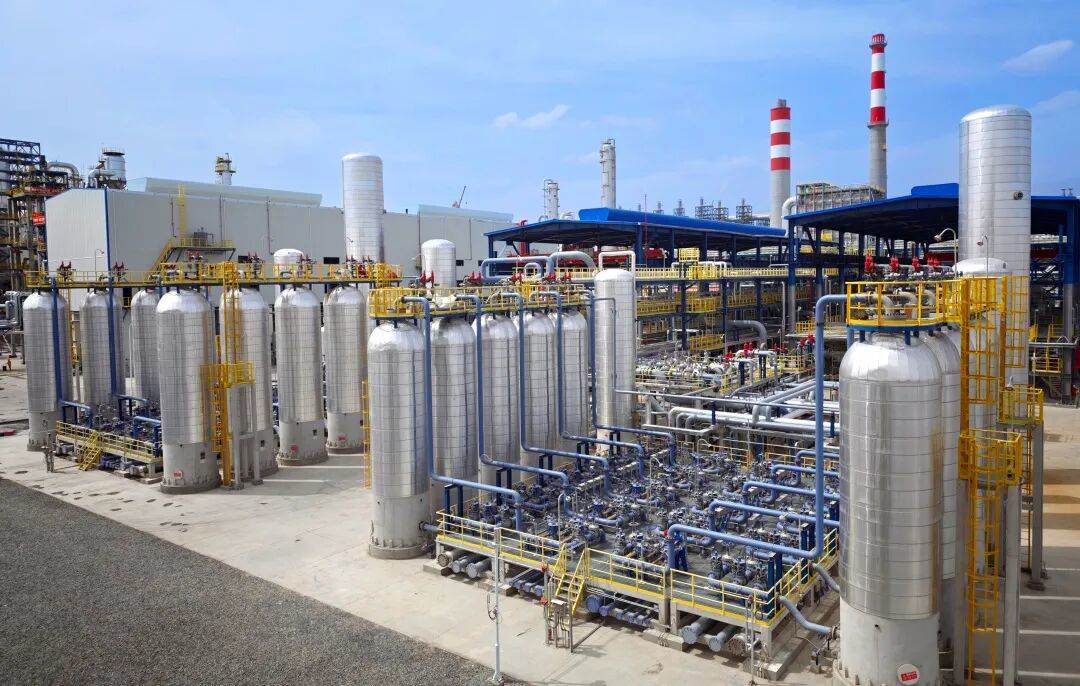
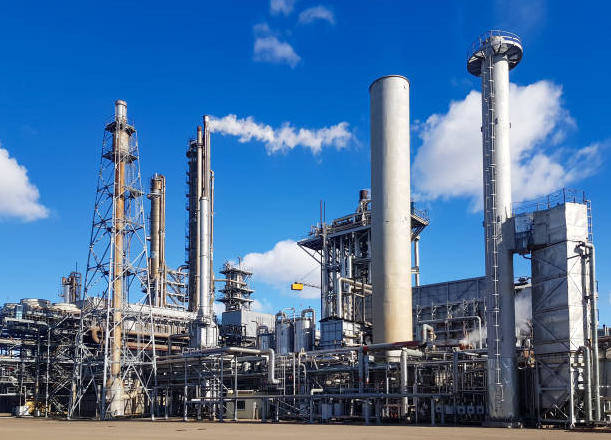
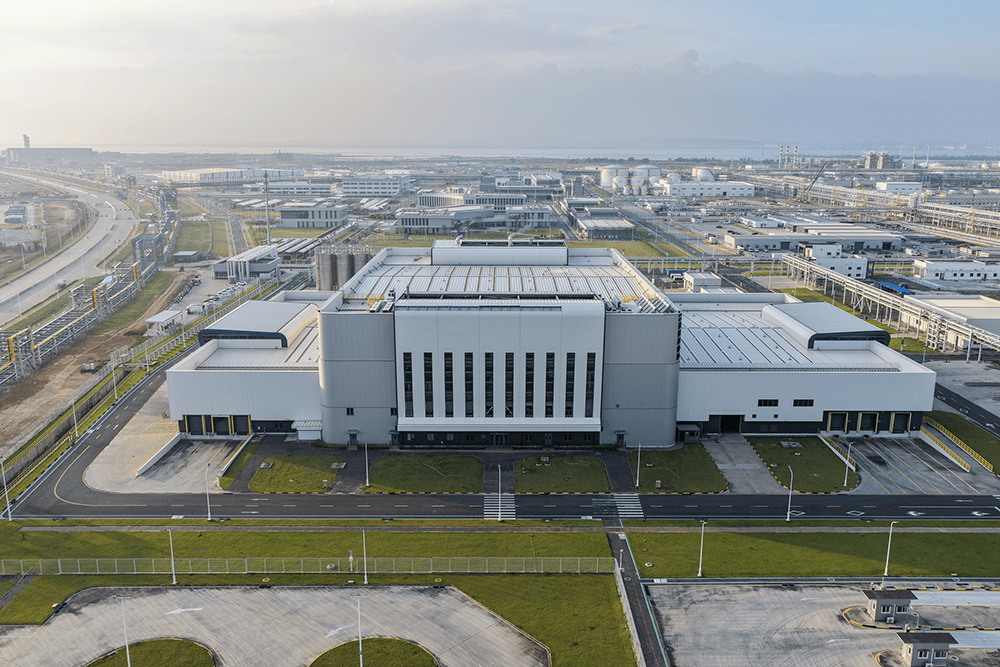
en.Wedoany.com Report on Mar 25th, Due to liquefied natural gas (LNG) supply disruptions, fertilizer plants in India have been forced to significantly reduce production, leading to a sharp decline in urea output. Industry sources revealed that amidst heightened tensions in the West Asia region, following LNG suppliers declaring force majeure, multiple ammonia-urea plants across the country are currently operating at only about half capacity. This incident highlights the sensitivity of India's fertilizer industry to global energy supply fluctuations, as natural gas is a key raw material for urea production.
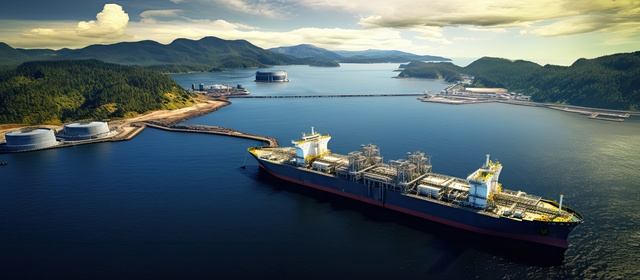
The situation escalated further as Petronet LNG Ltd, India's largest LNG terminal operator, declared force majeure. Upstream suppliers informed the company that they were unable to deliver contracted LNG cargoes due to disruptions in shipments through the Strait of Hormuz, a vital global energy transit route. This triggered a chain reaction in India's natural gas supply chain.
State-owned gas distributor GAIL (India) Ltd, Indian Oil Corporation (IOC), and Bharat Petroleum Corporation Ltd (BPCL) reduced natural gas supplies to fertilizer plants receiving LNG under the RasGas contract. Gas deliveries to fertilizer plants dropped to about 60-65% of normal levels, and considering plant maintenance over the past six months, effective supply to some facilities has fallen below 50%. Consequently, urea production has declined by approximately 50%, severely impacting domestic fertilizer manufacturing.
Large ammonia-urea plants face efficiency challenges when operating under partial loads. Plant officials stated that while output has decreased, energy consumption at some facilities has increased by up to 40%. This is because large industrial units are designed for stable loads, not fluctuating production levels. Additionally, fertilizer companies are facing operational difficulties due to sudden changes in gas allocation. Following Ras Laffan LNG Company invoking force majeure, fertilizer plants received updated consumption limits within a short timeframe, an adjustment that is highly challenging for large-scale plants requiring stable operating conditions.
The supply disruption has also introduced price uncertainty. GAIL informed fertilizer companies that long-term regasified liquefied natural gas (RLNG) supplies would be invoiced from March 1, 2026, based on multiple price points, including the contract price, GAIL pooled price, and gazette pooled price. Industry sources said this interim pooled pricing mechanism could be subject to retrospective adjustments, adding financial pressure on fertilizer manufacturers already grappling with reduced output and rising energy costs.
India is one of the world's largest consumers of urea. The ongoing LNG supply disruption could affect fertilizer supplies ahead of the monsoon sowing season, when demand for nitrogenous fertilizers typically rises. As of March 19, India's urea inventory stood at 6.114 million metric tons, higher than the 5.522 million metric tons a year earlier, providing some short-term relief. However, industry analysts warn that sustained LNG supply disruptions or prolonged geopolitical tensions could place additional strain on the country's fertilizer production and supply chain in the coming months.