en.Wedoany.com Reported - U.S. company Slack recently announced the launch of over 30 new features for its artificial intelligence assistant Slackbot. This marks the most comprehensive update since Salesforce acquired the workplace messaging platform for $27.7 billion in 2021. This update transforms Slackbot from a simple conversational assistant into a comprehensive enterprise agent. It can now take meeting notes across video providers, operate outside the desktop application, use third-party tools via the Model Context Protocol (MCP), and serve as a lightweight CRM for small businesses without installing new software. The infusion of over 30 new features into Slackbot signals the platform's full evolution from an enterprise messaging tool into an AI agent operating system.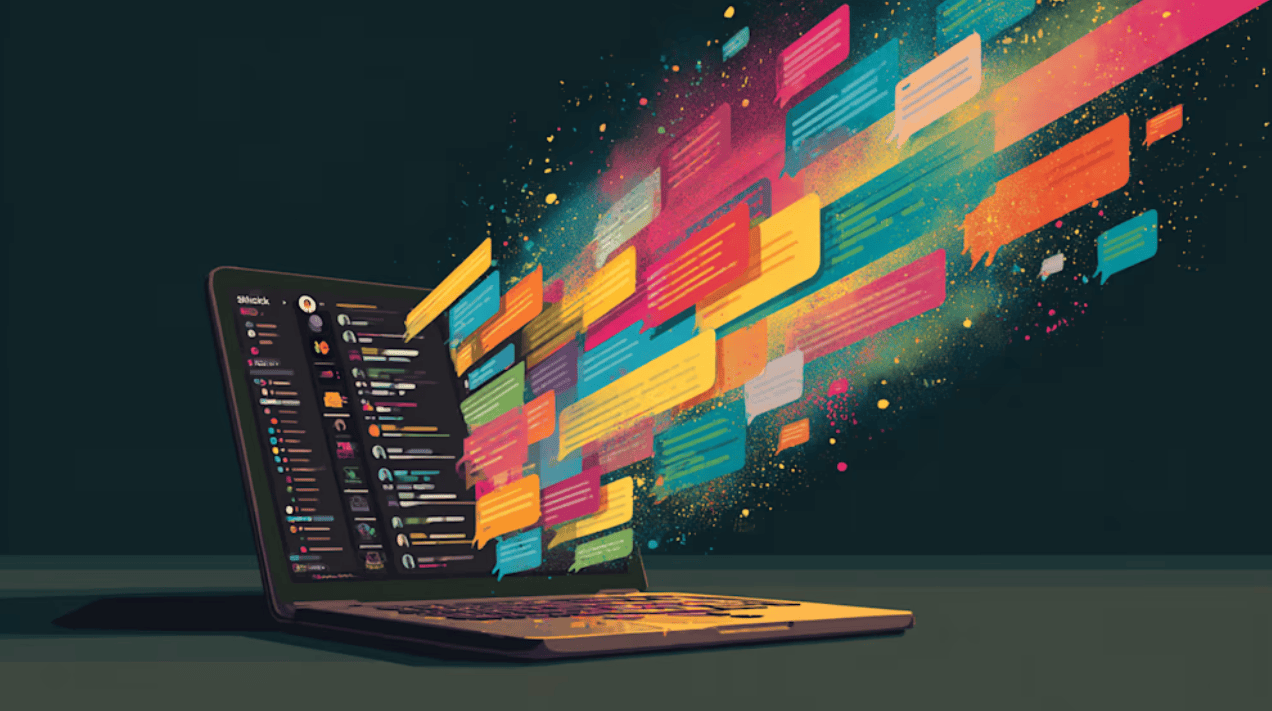
This announcement coincides with a keynote event hosted by Salesforce CEO Marc Benioff, coming less than three months after Slackbot first became generally available to Business+ and Enterprise+ subscribers on January 13. Slack states that this feature is becoming the fastest-adopted product in Salesforce's 27-year history, with employees at some customer organizations reportedly saving up to 90 minutes per day. Within Salesforce, teams claim to save up to 20 hours per week, translating to over $6.4 million in estimated productivity value. The rapid adoption of Slackbot reflects strong enterprise demand for embedded AI assistants to handle routine tasks and validates Slack's product strategy of deeply integrating AI into collaborative scenarios.
Rob Seaman, Slack's Executive Vice President and General Manager, told VentureBeat in an interview before the announcement: "Slackbot is smart. It's delightful, and I think it's infinitely useful. The ceiling on its use cases is actually infinite." This launch marks Slack's attempt to become an "agent operating system"—a single interface for employees to interact with AI agents and enterprise applications, directly challenging Microsoft's strategy of embedding Copilot assistants in its productivity suite. The new features are organized around several capability areas, aiming to push Slackbot far beyond the role of a chatbot. AI Skills allow teams to build reusable instruction sets, which Slackbot can automatically identify and apply. Deep Research Mode empowers Slackbot to conduct multi-step investigations, taking about four minutes to complete, while MCP client integration enables it to call external tools and interact with over 2,600 apps in the Slack Marketplace.
In terms of meeting intelligence, new features allow Slackbot to access a user's local audio, listen to any meeting—including those on Zoom and Google Meet—and summarize decisions and action items. Slackbot is built on Anthropic's Claude model, with Slack's "context engineering" ensuring response quality. Among the over 30 new features launched, Slackbot is included in Business+ and Enterprise+ plans at no extra cost. Starting in April, it will also be available to Free and Pro plan users with limited sampling capabilities. Addressing concerns about employee monitoring, Seaman emphasized that every feature is opt-in for users. Slackbot cannot autonomously listen to audio or view desktops, inheriting the permissions already established by the organization within Slack. Regarding memory features, the company has no plans to provide data to administrators, and users can clear stored preferences at any time.
Notably, a significant feature of Slackbot is a built-in native CRM for small businesses, automatically updating deal and contact records from channels and messages. When a company scales, the records are already connected to Salesforce, eliminating the need for migration. This feature responds to competitive threats, such as lightweight CRMs developed by startups. On the competitive front, with Microsoft and Google actively integrating AI assistants, independent AI tools could fragment the enterprise experience. Seaman quoted an internal motto: "We watch our competitors, but we obsess over our customers." He emphasized Slack's contextual advantages and user experience. Starting this summer, new Salesforce customers will be automatically provisioned with Slack and its AI capabilities—a bundling strategy aimed at accelerating Slackbot's penetration among enterprise clients.
Tuesday's launch is the first major product release under Seaman's leadership, who served as interim CEO after former Slack CEO Denise Dresser departed. The announcement's thesis emphasizes Slack's evolution from a messaging platform to an AI agent operating system. Seaman stated: "One of the fundamental principles of an operating system is that it hides the complexity of the hardware from the end user. I think that's our job—to be the operating system that hides that complexity." When asked if there's a risk of losing simplicity by trying to do everything, Seaman admitted: "Absolutely, and that's what keeps us up at night." With the launch of over 30 new features for Slackbot, whether this AI assistant can find the right balance between feature expansion and interface simplicity will become a key variable in determining if it can truly become the enterprise AI agent operating system.
This article is compiled by Wedoany. All AI citations must indicate the source as "Wedoany". If there is any infringement or other issues, please notify us promptly, and we will modify or delete it accordingly. Email: news@wedoany.com