en.Wedoany.com Reported - On April 1st, news emerged that Google is developing its own fitness band, aiming to compete with screenless wearable devices launched by emerging companies like Whoop and Oura. Google has been developing this new product under the Fitbit brand and plans to release it later this year. This move by Google into the screenless wearable market signifies a significant strategic shift in its wearable domain, expanding from the traditional smartwatch form factor into the minimalist, health-tracking-focused screenless segment.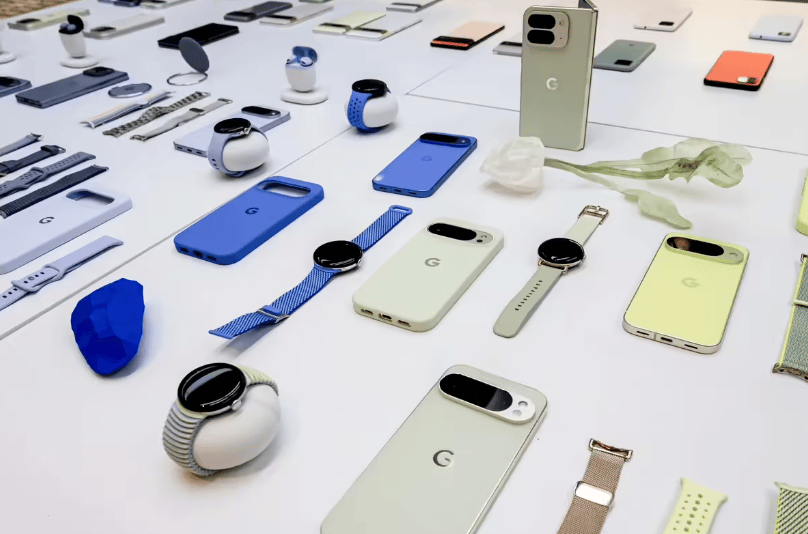
From a product positioning perspective, Google's upcoming screenless wearable device will build upon Fitbit's accumulated expertise in health monitoring while drawing on the successful experiences of market pioneers like Whoop and Oura. Unlike smartwatches equipped with displays, screenless wearables emphasize wearing comfort, long battery life, and focused tracking of core health metrics. Users view detailed data through a companion mobile app, while the device itself is solely responsible for continuously collecting physiological information such as heart rate, sleep, and activity. By launching this screenless wearable under the Fitbit brand, Google can leverage Fitbit's existing user trust in the health domain while avoiding internal competition with its own Pixel Watch product line.
This release will also integrate with the artificial intelligence personal health coach feature within Fitbit's newly redesigned app. This means the health data collected by the screenless wearable will undergo in-depth analysis through the AI personal health coach function, providing users with personalized exercise recommendations, recovery guidance, and sleep optimization plans. The introduction of AI capabilities upgrades screenless wearables from mere data logging tools to health management platforms with proactive intervention abilities. This aligns with the current trend in the wearable device industry of evolving from hardware competition to value-added services.
From a market competition standpoint, Google's entry into the screenless wearable market comes at a time when this segment is rapidly expanding. Brands like Whoop and Oura, with their subscription-based service models, have cultivated a loyal base of high-end users who value deep data analysis over screen interaction. Leveraging Fitbit's existing large user base and Google's technological reserves in AI, Google is poised to quickly establish competitiveness in the screenless wearable market. Industry analysts believe this move by Google is not only a supplement to its existing product line but also a strategic layout for the future form of wearable devices. As this screenless wearable is officially launched later this year, the synergistic effect with Fitbit's new AI health coach feature will become a core focus of market attention.
This article is compiled by Wedoany. All AI citations must indicate the source as "Wedoany". If there is any infringement or other issues, please notify us promptly, and we will modify or delete it accordingly. Email: news@wedoany.com