en.Wedoany.com Reported - The Fraunhofer Institute for Interfacial Engineering and Biotechnology (IGB) in Germany has developed a process chain for producing high-purity chitosan from residues containing chitin. These chitin wastes come from areas such as fisheries, insect protein production, and mushroom cultivation, and are converted into valuable materials through biorefining for manufacturing sustainable coatings and transparent films. Films made from chitosan can serve as biodegradable single-use packaging, replacing traditional petroleum-based plastics and promoting environmentally friendly applications.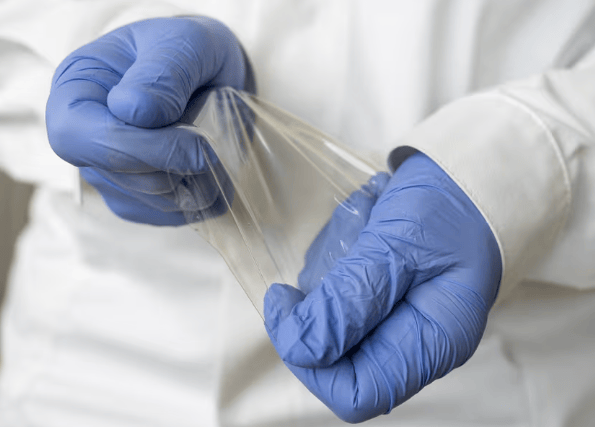
Researchers successfully extracted chitin from insect exoskeletons and fungal mycelium residues and optimized gentle extraction methods. Dr. Thomas Hahn stated, "We adapted the extraction process to suit different sources and adjusted the separation steps according to the chemical composition." This method uses aqueous media or enzymes to remove impurities, preserving the properties of chitin while reducing costs through the recycling of solvents and reagents, ensuring feasibility for industrial implementation.
The production of chitosan is achieved through the deacetylation of chitin. Researchers moderated the reaction conditions, increasing yield, and produced chitosan with a purity exceeding 90% from crab shells, fungi, and insect sources. This biopolymer possesses antibacterial, film-forming, and biodegradable properties, making it suitable for applications such as wound dressings, cosmetics, and wastewater treatment. Hahn explained, "The elasticity and transparency of chitosan films make them an ideal choice for sustainable packaging in the food industry." Additionally, utilizing local resources helps reduce dependence on fossil raw materials and international supply chains.
In the "Chitin[C8H13NO5] Shelter" project, the SurrealLabor design team collaborated with Fraunhofer to explore the application of chitosan in textiles. They used spinning processes to create chitosan fibers, which were processed into fabric prototypes, aiming to provide new bio-based resources for the textile industry and support the development of a circular economy. This research demonstrates the potential of chitin waste in the field of sustainable materials, promoting environmental innovation.
This article is compiled by Wedoany. All AI citations must indicate the source as "Wedoany". If there is any infringement or other issues, please notify us promptly, and we will modify or delete it accordingly. Email: news@wedoany.com