SABIC Launches Laser-Weldable Photovoltaic-Grade Resins
en.Wedoany.com Reported - SABIC has recently introduced two laser-weldable NORYL V0 resins—NORYL V0150TW and NORYL V0150IR2—specifically designed for laser welding processes in photovoltaic applications, aiming to enhance solar manufacturing efficiency. These are the industry's first thermoplastics developed for this scenario, offering a next-generation solution for high-performance housings in solar microinverters and related systems.
This innovation has received the 2026 Edison Award Silver Prize, reflecting its breakthrough impact in the clean energy manufacturing sector. SABIC stated that this move addresses the surging global demand for solar energy and the urgent need for faster, more scalable production methods.
"To address the widespread global adoption of solar energy, SABIC is developing new specialty materials to accelerate mass production of components and meet stringent performance requirements," said Sergi Monros, Vice President of SABIC's Polymers & Specialties Business. "Our laser-weldable NORYL V0 resins offer significant advantages over metals and polymers traditionally used for housings—from faster, cleaner assembly to longer service life under harsh conditions. We believe these unique materials will help improve the availability and adoption rate of solar photovoltaic infrastructure."
The core value of the new materials lies in transforming the manufacturing method for solar microinverter housings. These components, which convert solar DC power to AC power, demand extremely high durability, flame retardancy, and long-term outdoor stability. The NORYL V0 resins achieve a UL94 V0 5VA flame retardancy rating at 1.5 mm thickness, can withstand up to 15 years of outdoor exposure, and offer mechanical stability up to 150°C. Compared to metal housings, part size can be reduced by 40%, weight by 35%, and material usage by 30%.
The biggest manufacturing transformation is replacing traditional ultrasonic welding with laser welding, thereby eliminating the need for curing-dependent bonding materials, simplifying the assembly process, shortening cycle times, and reducing system costs. This efficiency gain helps manufacturers scale up faster as global solar adoption accelerates. Beyond microinverters, the material can also be used in solar tracker boxes, junction boxes, and solar optimizers, covering multiple critical components within modern photovoltaic infrastructure.
This article is compiled by Wedoany. All AI citations must indicate the source as "Wedoany". If there is any infringement or other issues, please notify us promptly, and we will modify or delete it accordingly. Email: news@wedoany.com
Related Products


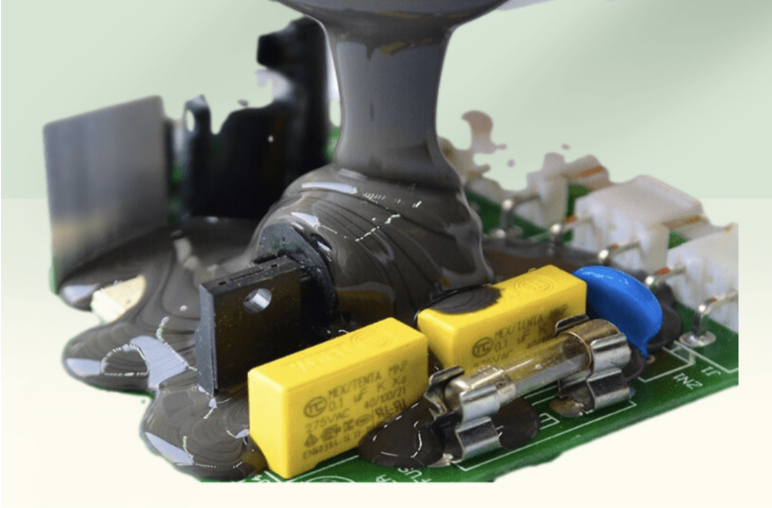
High Thermal Conductivity Encapsulating Resin
Nantong BESALL Sealing Technology Company.,Limited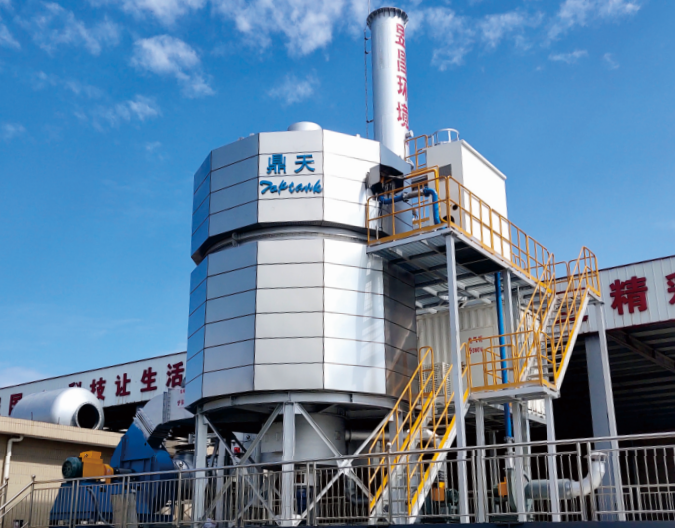
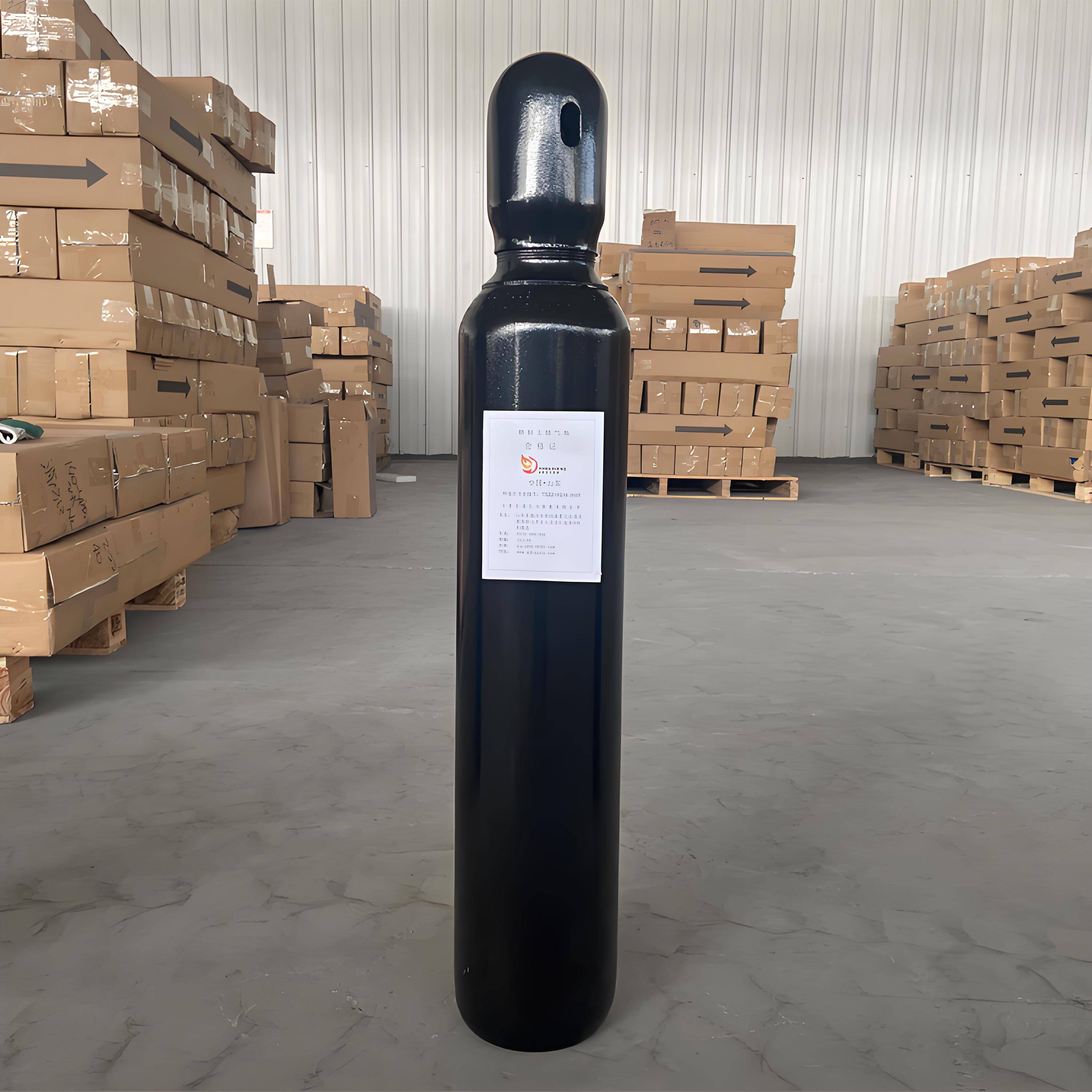
Nitrogen Export, Nitrogen Manufacturer, High-purity Nitrogen Supplier
Foshan Yuexin Industrial Gas Co., Ltd.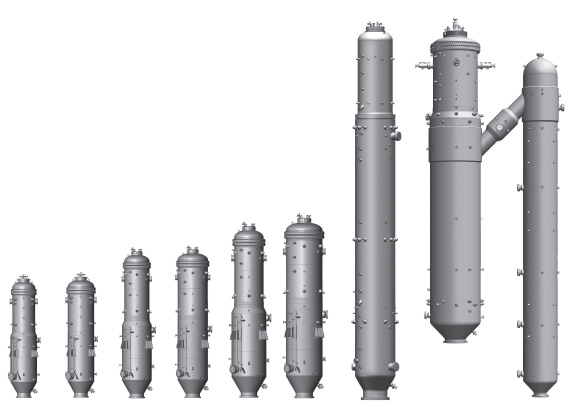
Gasification Furnace Series: Freely Combinable Aerospace Furnace
CHANGZHENG ENGLINEERING CO., LTD.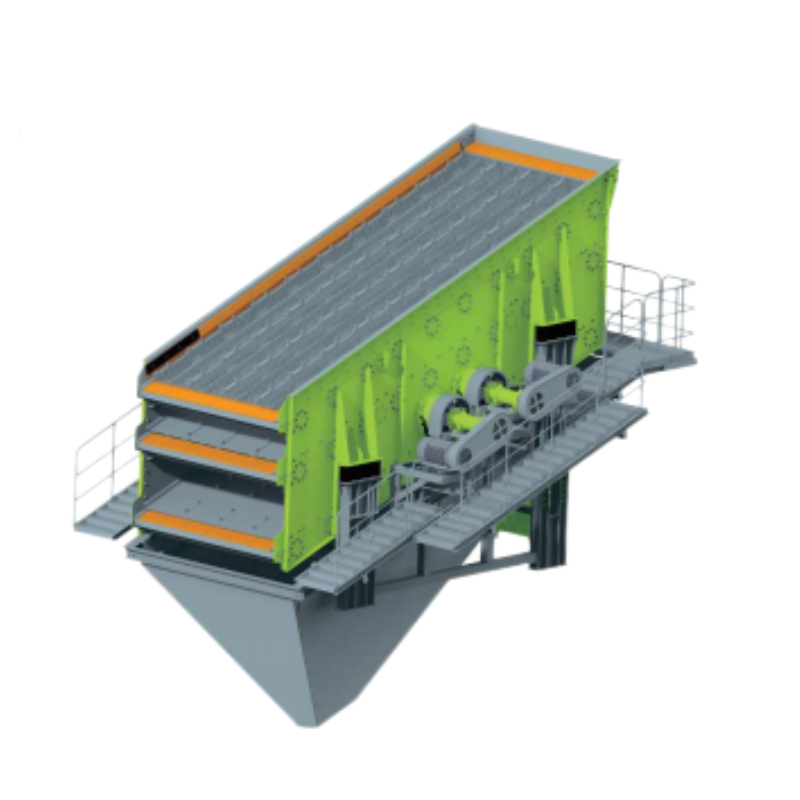

Industrial and Commercial Point-Type Gas Detector
Jinan Benan Technology Development Co., Ltd.