AERO2cycle Project Develops Novel Aerogels from Fishery Waste for Efficient Carbon Capture and Utilization
en.Wedoany.com Reported - An international research consortium led by a Portuguese team has launched a technology development project for carbon dioxide utilization. The core approach involves converting fishery and aquaculture by-products, such as fish scales, skin, and bones, into biochar. This biochar is then combined with poly(ionic liquids) and CO₂-reactive polymers to create ultra-light, high-porosity hybrid aerogel materials. The technology targets the capture and conversion of CO₂ from industrial emission streams and has currently completed laboratory-scale validation.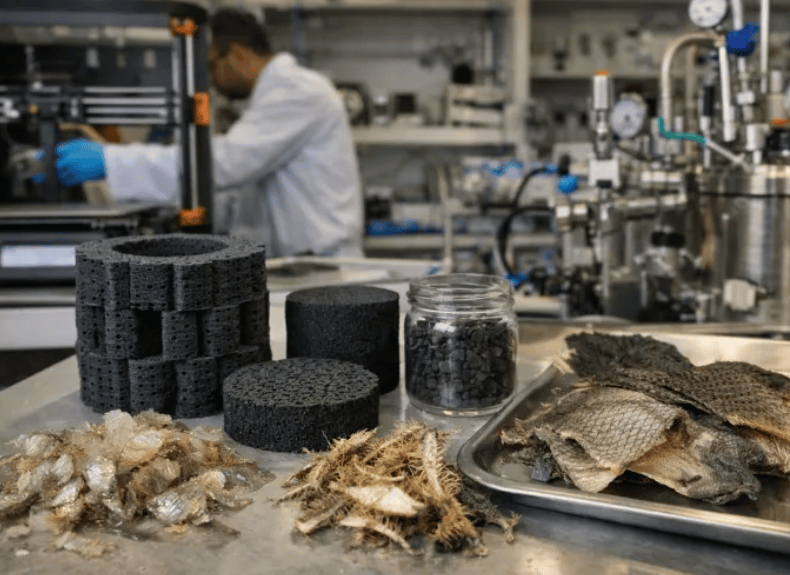
The project is led by Portugal, involving the University of Évora, the B2E Collaborative Innovation Laboratory, as well as institutions such as the University of Santiago de Compostela and the Jaume I University in Spain. The core innovation of the project lies not in a single adsorption material, but in converting aquatic waste biomass into functional biochar and then embedding it into an aerogel system. This gives the material simultaneous properties of light weight, high specific surface area, and reactivity, providing a foundation for the subsequent integration of carbon capture and conversion.
From a technical structure perspective, the team plans to use 3D printing for the structural design of the hybrid material, further forming reactors adaptable to different industrial environments. This means the technology is not only at the material R&D stage but is also simultaneously considering equipment integration pathways. According to the project's vision, future systems could be compatible with industrial gas treatment units, used to capture CO₂ from production emission streams, and extend to sectors such as energy, cement, chemicals, and waste incineration power generation.
Another key focus of this technology is converting the captured CO₂ into industrially usable chemicals. If subsequent testing proceeds smoothly, related products are expected to enter fields such as cosmetic formulations, sustainable polymer materials, and energy storage components. In other words, this project attempts to advance "carbon capture" from end-of-pipe treatment to a new value chain of "capture + conversion + reuse."
Currently, this system is still in the laboratory stage. The next step for the international research consortium is to continue optimizing material performance and test its functions under conditions closer to actual operating scenarios. For the carbon capture industry, this route, based on waste biomass and integrating both material development and reactor design, offers a new direction that combines fishery waste utilization with industrial emission reduction.
This article is compiled by Wedoany. All AI citations must indicate the source as "Wedoany". If there is any infringement or other issues, please notify us promptly, and we will modify or delete it accordingly. Email: news@wedoany.com
Related Products

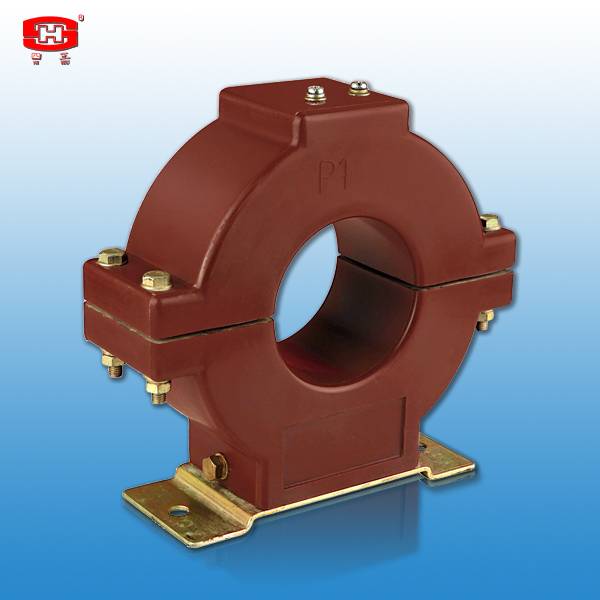
0.66kV Power Supply Instrument Transformer
Guangdong Sihui Instrument Transformer Works Co., Ltd.
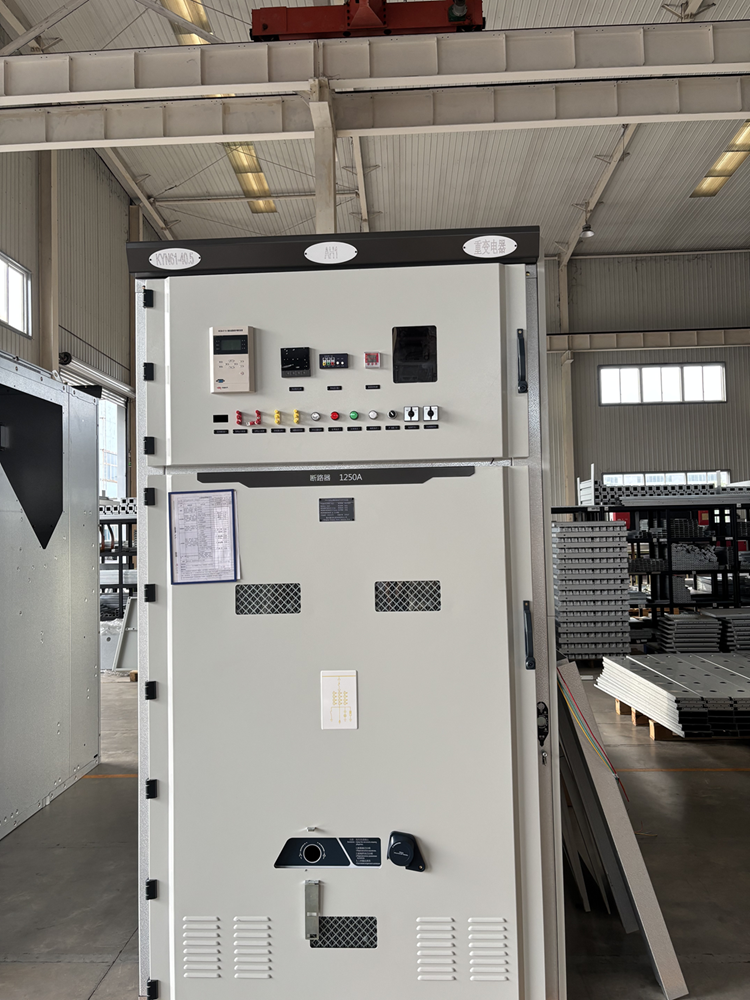
KYN61-40.5 Indoor AC Metal-clad Removable Switchgear
Chongqing Transformer Co., Ltd.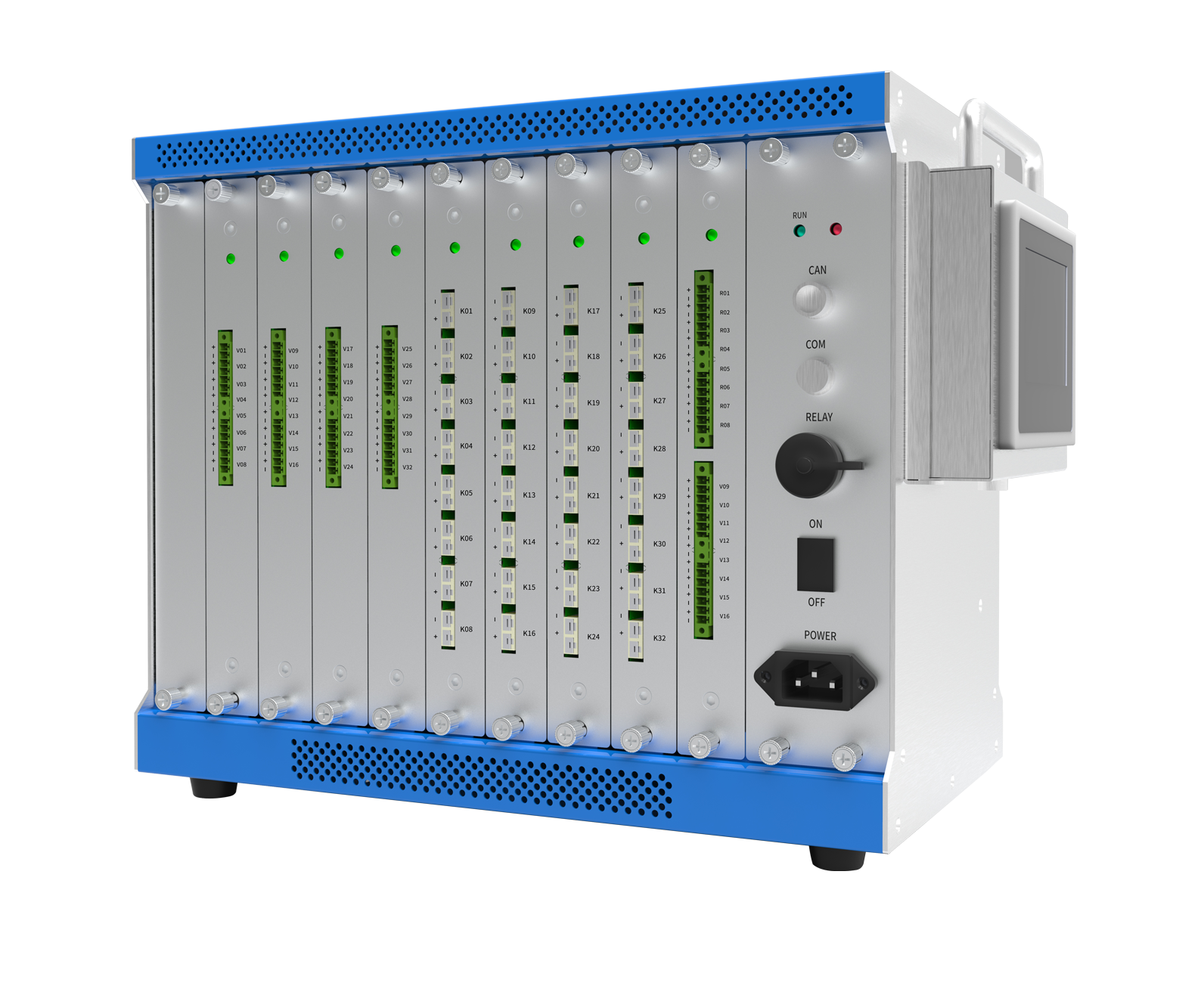
Optional Accessory - Auxiliary Sampling Module
Beijing Soaring Electric Technology Co., Ltd.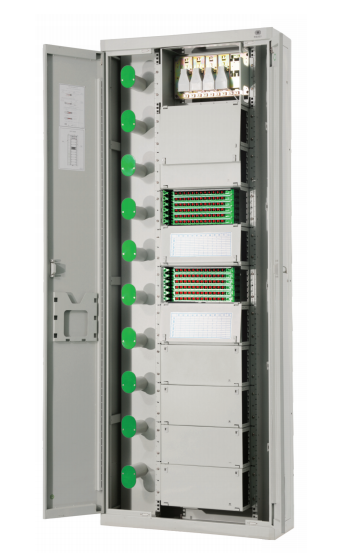
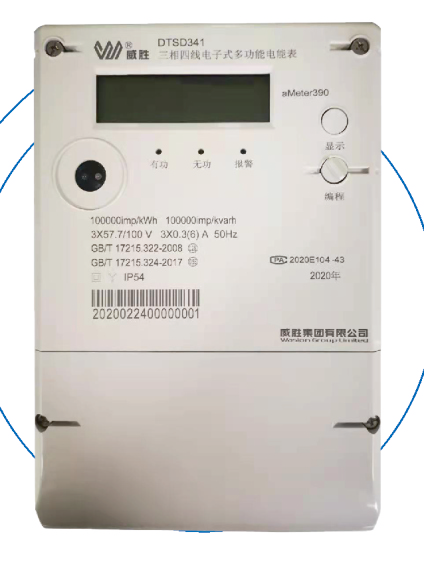
Overseas IEC Gateway Energy Meter - DTSD341/DSSD331-aMeter390
Wasion Group Limited Co., Ltd.

Hydraulic Turbine Genset
Dongfang Electric Corporation Dongfang Electric Machinery Co., Ltd.