Robotics in Manufacturing Makes the Leap from Pilots to Production Reality
en.Wedoany.com Reported - In today's manufacturing landscape, robotics is undergoing a profound transformation from localized automation to full-process integration. Manufacturers are introducing high-precision automated systems that tightly integrate complex assembly and inspection processes. Especially in regulated industries like medical devices, where zero tolerance for defects is paramount, these systems not only boost production capacity but also effectively ensure process consistency and reduce variability introduced by human intervention.
Significant breakthroughs have also been made in the perception and motion control capabilities of robotics in areas with high labor intensity. Tasks like wire harness production, which were previously difficult to automate due to cable flexibility and uncertainty, can now be accomplished by systems equipped with path planning and precise positioning functions. Furthermore, the proliferation of collaborative robots (Cobots) provides flexibility for repetitive tasks such as welding. This enables factories of various scales to dynamically adjust their automation configurations based on production needs without requiring large-scale infrastructure modifications, thereby achieving scalable output growth within limited factory space.
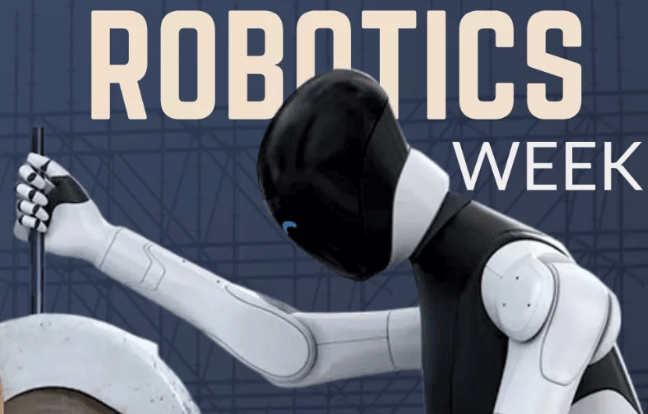
At a more macro production strategy level, collaborative robotic systems are being deployed in high-precision industries like aerospace to handle the assembly of large or complex components. Advanced perception technologies enable robots to dynamically respond to positional changes of moving parts, further expanding their application scope in unstructured environments. Despite the increasing level of automation, employee acceptance of robotics is also rising. Surveys indicate that most workers view them as assistive tools that improve ergonomic design and reduce monotonous, repetitive labor.
In summary, the manufacturing industry of the People's Republic of China is deeply embedding robotics into every stage, from material handling and assembly testing to finishing. Looking ahead, the focus of automation development will continue to be on flexibility, scalability, and the deep integration of human-machine collaboration, helping the manufacturing sector maintain its core competitiveness when facing labor constraints and market fluctuations.
This article is compiled by Wedoany. All AI citations must indicate the source as "Wedoany". If there is any infringement or other issues, please notify us promptly, and we will modify or delete it accordingly. Email: news@wedoany.com
Related Products


Industrial and Commercial Point-Type Gas Detector
Jinan Benan Technology Development Co., Ltd.
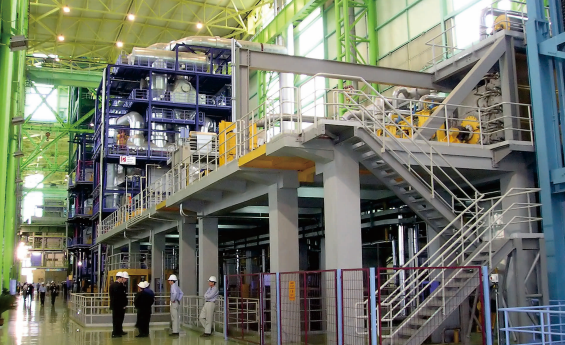
Strip Coating and Plating Production Line Equipment
MCC-SFRE HEAVY INDUSTRY EQUIPMENT CO., LTD.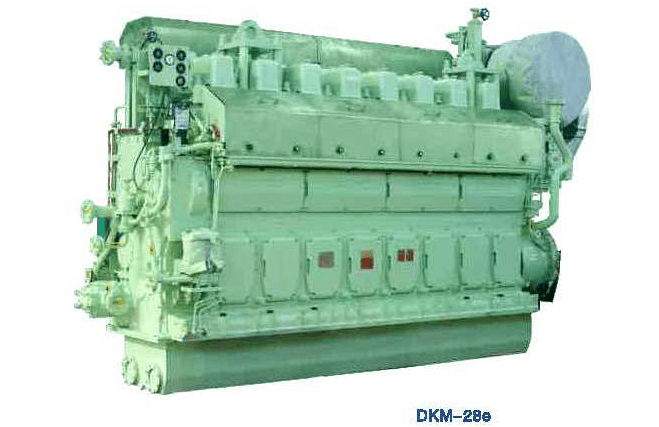
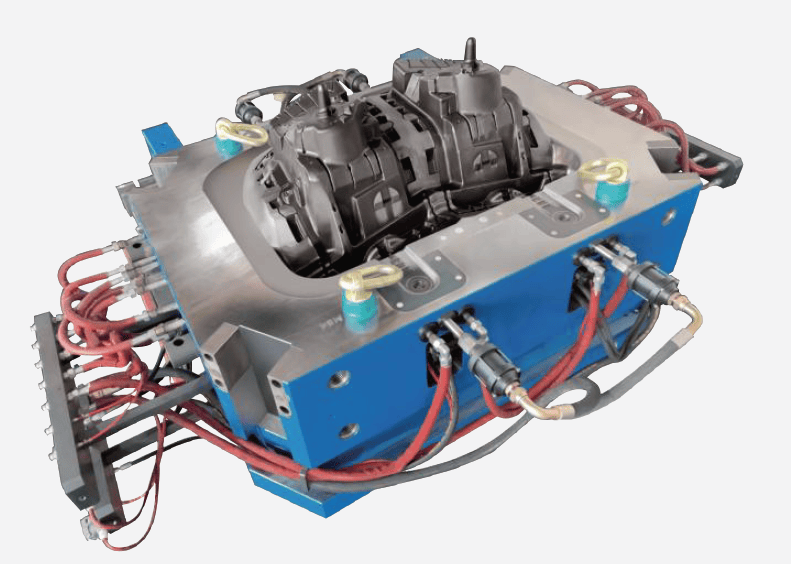
Aluminum-Magnesium Alloy High-Pressure Die-Casting Molds
NINGBO HELI TECHNOLOGY CO., LTD.
CAP1400 main feedwater flow nozzle flowmeter.
Jiangsu Hongda Instrument Technology Co., LTD.