en.Wedoany.com Reported - The U.S. Senate is expected to vote by late April 2026 on a mining ban for the Boundary Waters Canoe Area Wilderness in Minnesota. This wilderness area holds one-third of the United States' copper, 88% of its cobalt, and 95% of its nickel underground, along with critical mineral resources like platinum and palladium. However, a 20-year mining moratorium has been in place for the area since 2016. The town of Ely, located near the Canadian border, faces the potential economic and social impacts of renewed mining activity should the ban be lifted.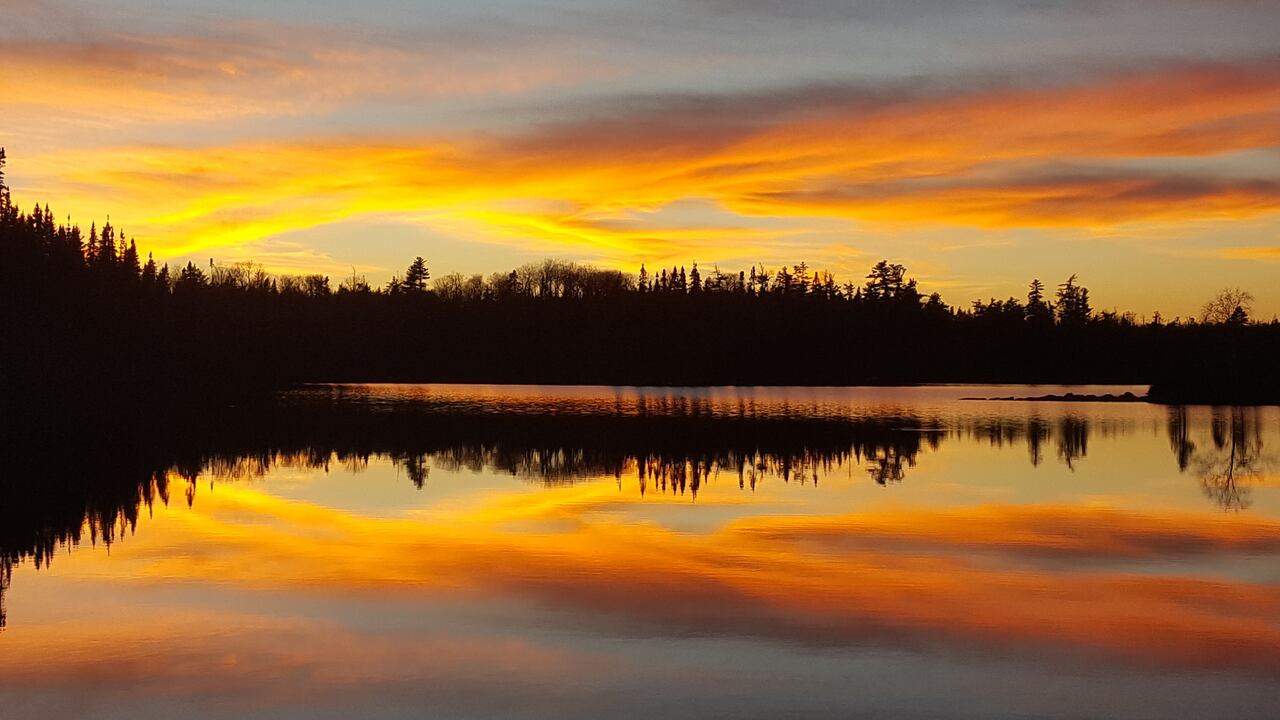
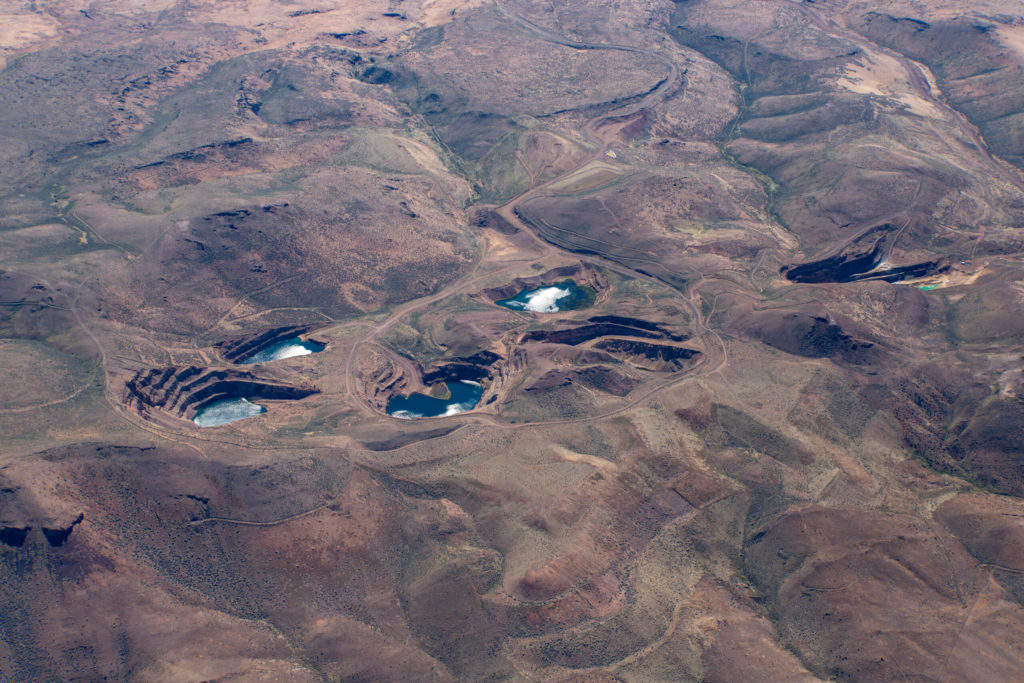
The Boundary Waters Canoe Area Wilderness is located in northeastern Minnesota, covering approximately 440,000 hectares of lakes, wetlands, and forests, bordering Canada to the north. The area prohibits motorized equipment and is one of the few regions in the U.S. with strict wilderness protection. Its underground deposits belong to the Duluth Complex, which geologists consider one of the largest undeveloped mineral belts of its kind globally. According to U.S. Geological Survey data, the copper, nickel, and cobalt resources in this area are of strategic importance to the U.S. clean energy supply chain.
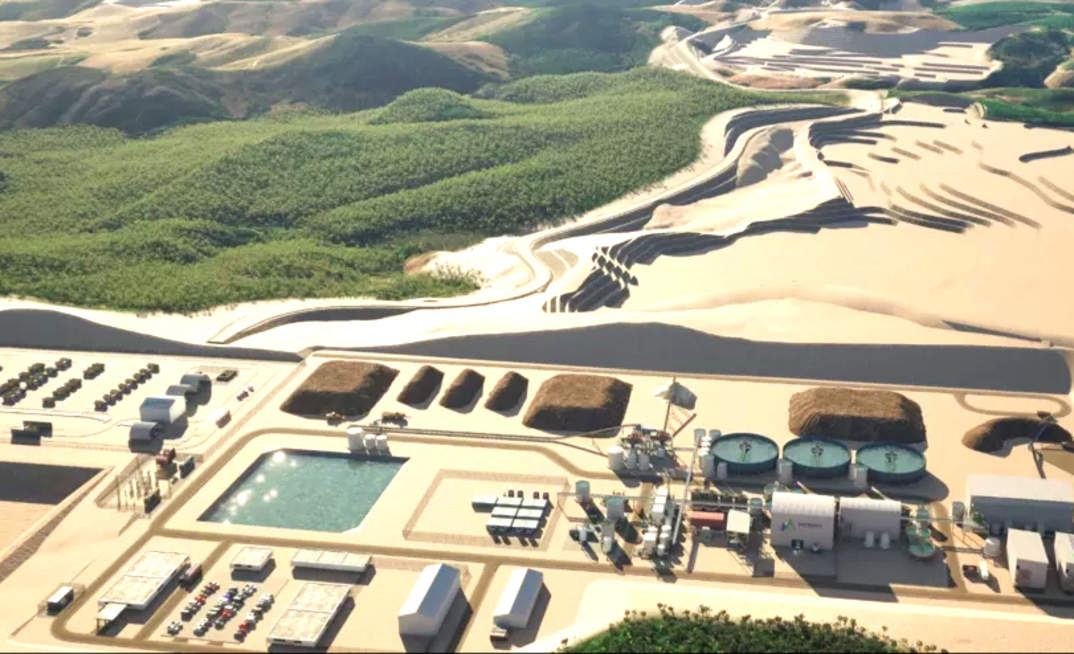
Over the past decade, several mining companies have invested hundreds of millions of dollars in exploration around the Boundary Waters. Companies such as Twin Metals Minnesota (a subsidiary of Anglo American) and Franconia Minerals (now owned by Antofagasta) have previously applied to develop underground copper-nickel mining projects in the area. Twin Metals' proposed project, for instance, planned to construct underground mines and processing facilities, but it faced opposition from environmental groups and outdoor recreation organizations, which argued that mining could cause irreversible damage to water quality and the ecosystem. In 2016, the Bureau of Land Management under the U.S. Department of the Interior imposed a 20-year mineral leasing moratorium, suspending approval for new mining projects in the area. In 2023, the Interior Department further proposed extending the 20-year mining ban to cover approximately 93,000 hectares of land surrounding the Boundary Waters, though this proposal has not yet been finalized.
If the Senate overturns the ban, the area around the Boundary Waters would reopen to mineral exploration and development. Proponents argue this would reduce U.S. dependence on imported critical minerals and create jobs, while opponents worry about the long-term impacts of mining on the pristine wilderness ecosystem.
This article is compiled by Wedoany. All AI citations must indicate the source as "Wedoany". If there is any infringement or other issues, please notify us promptly, and we will modify or delete it accordingly. Email: news@wedoany.com