en.Wedoany.com Reported - The U.S. Bureau of Land Management (BLM) completed the environmental review for the Velvet-Wood uranium mine in San Juan County, Utah, within 14 days in May 2025 under a new "national energy emergency" fast-track approval process, and the project has been cleared to begin construction. Tribal governments were given only seven days to submit comments, far less than the standard public comment period of at least 30 days. Six tribes, including the Ute Mountain Ute Tribe, have raised concerns about potential water contamination from the mine, but no adjustments were made to the project.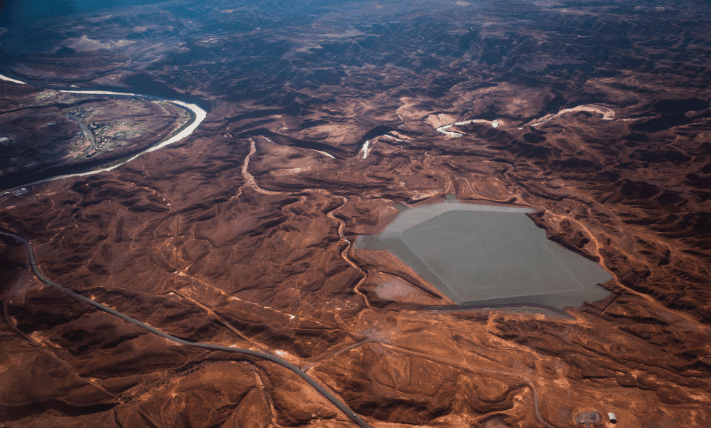
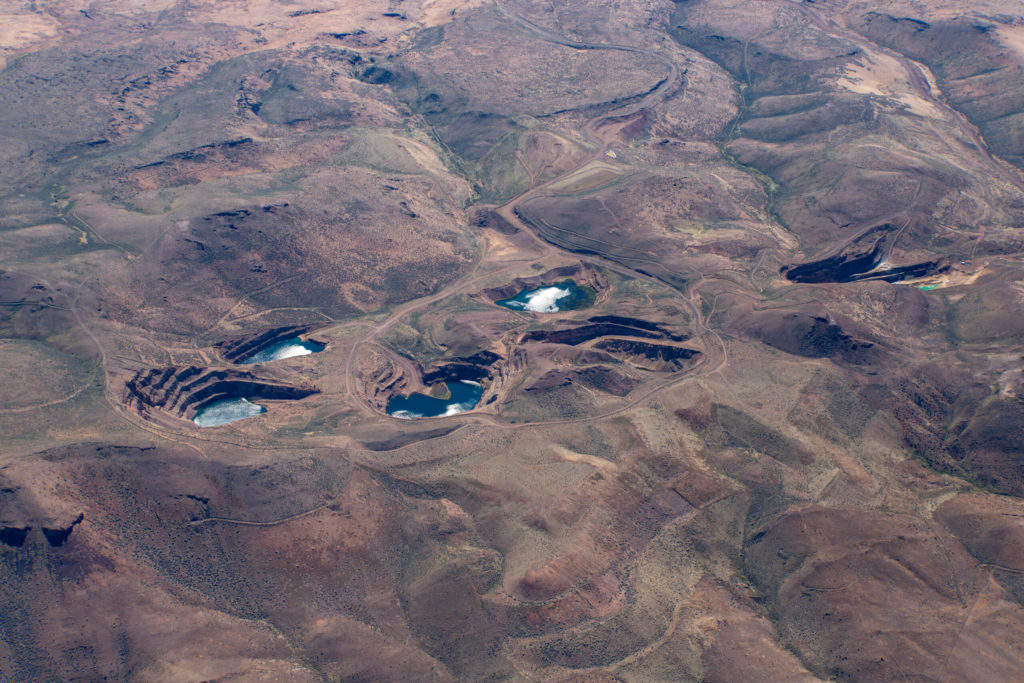
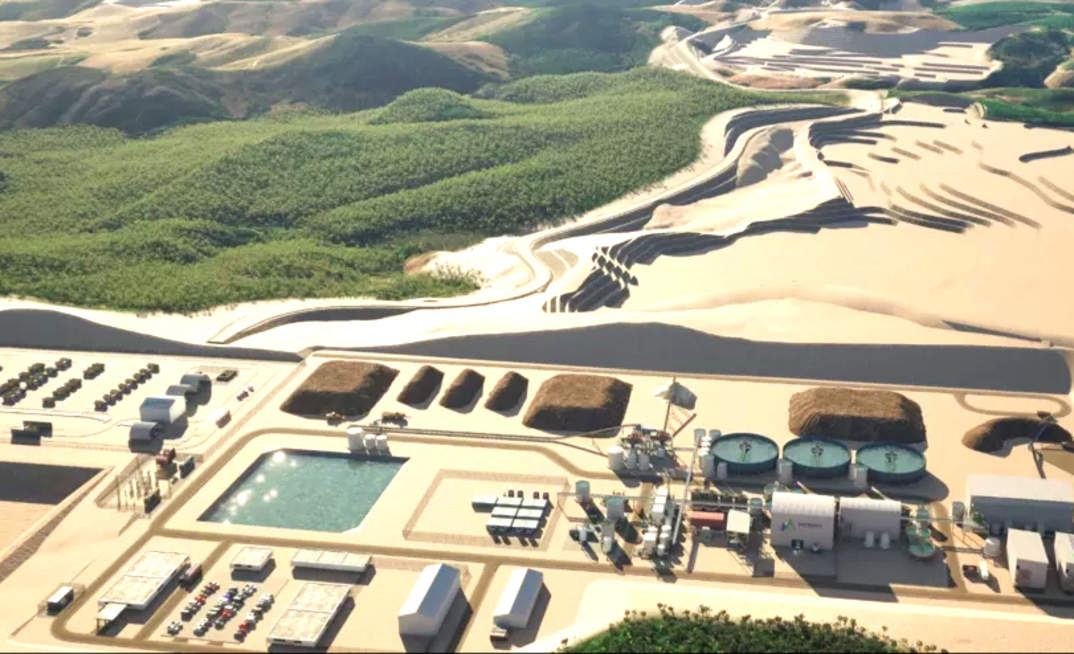
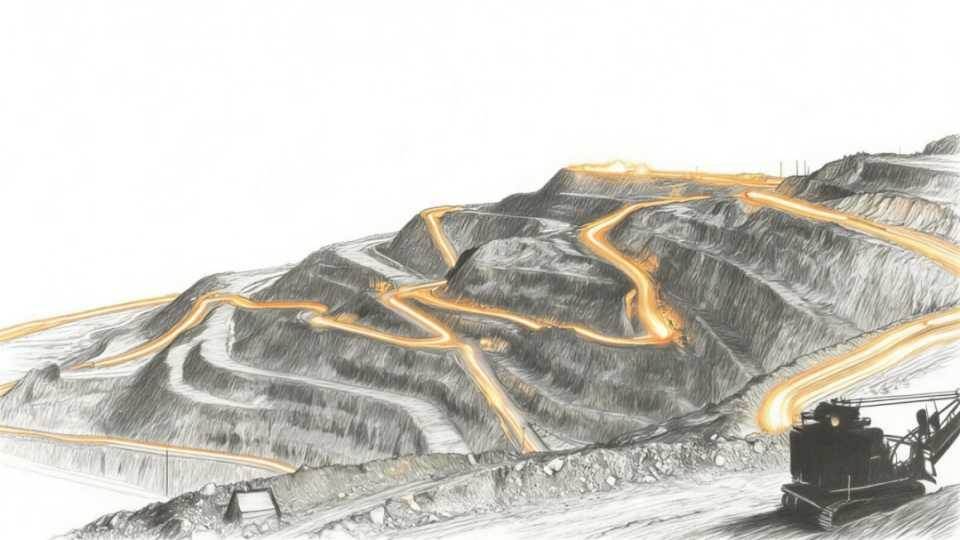
The accelerated approval process was initiated based on a national energy emergency declared by the U.S. Department of the Interior on January 20, 2025. Under this process, the BLM compressed the environmental review for the Velvet-Wood uranium mine to 14 days, whereas similar reviews under the National Environmental Policy Act (NEPA) typically take months or even years. The mine plans to conduct underground mining by redeveloping old Velvet mine tunnels and developing the Velvet-Wood mineralization zone to produce uranium and vanadium, with only three acres of new surface disturbance. The project developer is Canada-based Anfield Energy, which also owns the Shootaring Canyon uranium mill in Utah and plans to restart it to convert uranium ore into uranium concentrate.
The Ute Mountain Ute Tribe has long opposed the White Mesa uranium mill, located near their community. Operated by Energy Fuels Inc. (NYSE: UUUU), this mill is the only conventional uranium mill still operating in the United States. For the Velvet-Wood project, the BLM eliminated the standard public comment period, giving the six tribes only seven days to submit feedback. The tribes pointed out that the area has already suffered severe environmental damage from past uranium mining, and the fast-tracked approval and mining activities for the new mine could pose water contamination risks. To date, the submitted comments have not resulted in any modifications to the project plan.
The approval of this project reflects the U.S. policy direction of reducing foreign dependence in the field of critical minerals. According to U.S. Energy Information Administration data, 99% of the uranium concentrate used by U.S. nuclear power plants in 2023 was imported, primarily from Russia, Kazakhstan, and Uzbekistan. The implementation of the fast-track approval process provides a quicker pathway for domestic uranium mining development, but controversies continue regarding the adequacy of environmental review timelines and tribal consultation.
This article is compiled by Wedoany. All AI citations must indicate the source as "Wedoany". If there is any infringement or other issues, please notify us promptly, and we will modify or delete it accordingly. Email: news@wedoany.com