en.Wedoany.com Reported - On April 12, Peru held its quinquennial presidential and congressional elections. Fifty-year-old right-wing candidate Keiko Fujimori led with 17.17% of the vote, far short of the 50% threshold required for a direct victory. Exit polls and partial vote counts showed her main rival to be former Lima mayor Rafael López Aliaga, who garnered 16.97%. The two will face off in a second-round vote on June 7, the outcome of which could reshape the prospects for Peru's crucial mining sector, the world's third-largest copper producer.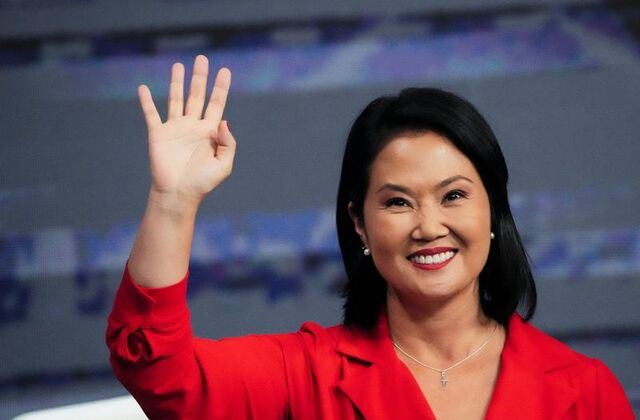
Keiko Fujimori, the eldest daughter of the late former President Alberto Fujimori, is making her fourth bid for the presidency. She has positioned herself as a pro-U.S. and investor-friendly candidate, promising clearer rules to attract foreign investment. Her campaign heavily relies on a law-and-order message, mirroring the winning strategies of right-wing leaders like Chilean President José Antonio Kast and Argentine President Javier Milei.
López Aliaga is a far-right businessman and former mayor of Lima. During his campaign, he stated that if elected, he would revoke long-idle exploration permits from large mining companies and redistribute land, a proposal that has sent shockwaves through Peru's mining industry. If implemented, this would affect major miners operating in the country, such as Southern Copper, MMG, and First Quantum Minerals. Analysts note that his policies could dampen mining investment in Peru and weaken its position as a global copper supply hub.
Peru holds approximately 12% of the world's copper reserves. With a production of about 2.7 million tons in 2025, it is the world's third-largest copper producer. Chinese enterprises have a broad presence in Peru's mining sector. The Las Bambas copper mine, owned by China Minmetals Corporation's MMG, began commercial production in 2016 and is expected to produce around 400,000 tons in 2025. The Toromocho copper mine, operated by Chinalco, is located in the central Andes and produces approximately 220,000 tons of copper concentrate annually. International mining giants are also deeply involved: Anglo American operates the Quellaveco copper mine in the Moquegua region, with a 2025 production guidance of 310,000 to 340,000 tons; Newmont owns the Yanacocha mine, South America's largest gold mine, but has postponed the final investment decision for its sulfides development project.
Illegal mining is an increasingly severe problem in Peru. The Peruvian Institute of Economics predicts that illegal gold exports will reach $12 billion in 2025, matching legal exports for the first time. Illegal mining has become the country's largest illicit economic activity, generating over $11.5 billion in revenue annually. Conflicts between illegal miners and large mining companies occur frequently. In July 2025, informal miners blocked key transportation routes in the Cusco region, threatening production at the Las Bambas and Hudbay's Constancia copper mines.
The political uncertainty brought by the election, combined with the candidates' differing mining policy proposals and the persistent erosion of the industry by illegal mining, places Peru's mining sector in a complex risk environment. Peru has experienced frequent political changes in recent years, with four presidents in five years. Investors are closely watching whether the new government can restore political stability and curb the spread of illegal mining.
This article is compiled by Wedoany. All AI citations must indicate the source as "Wedoany". If there is any infringement or other issues, please notify us promptly, and we will modify or delete it accordingly. Email: news@wedoany.com