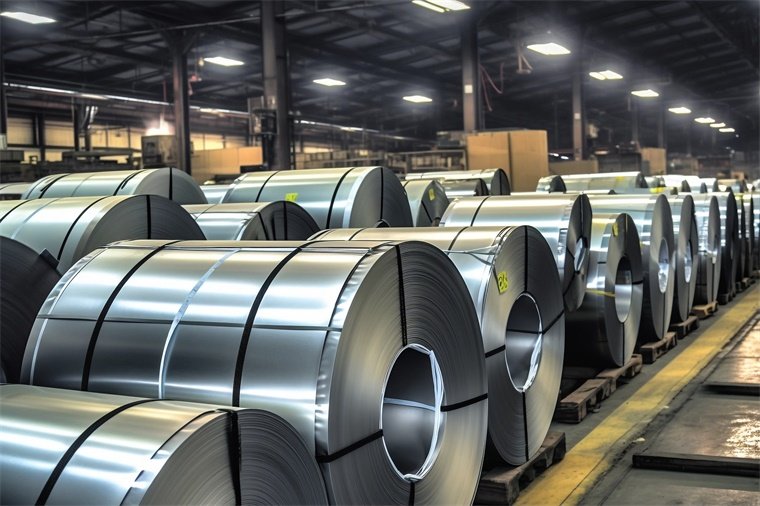
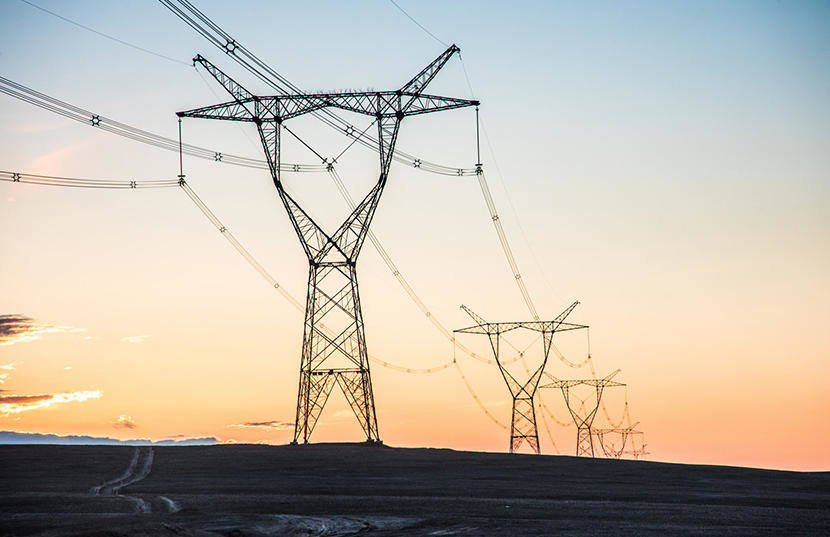
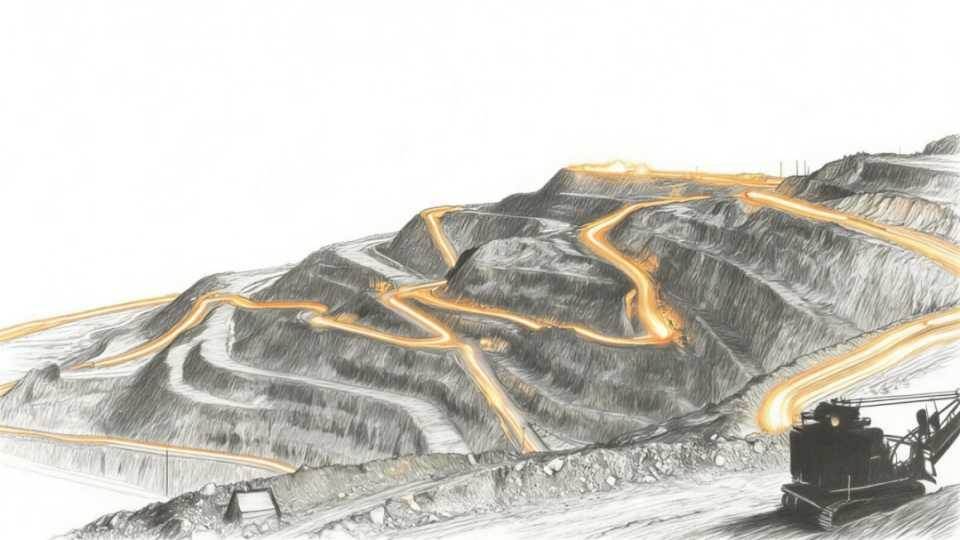
en.Wedoany.com Reported - Canada is facing bottlenecks in the supply of critical minerals as it advances its energy transition. The current global energy crisis highlights that the shift from fossil fuels to renewable energy sources such as wind and solar power not only requires technological breakthroughs but also relies heavily on upstream industrial processes like mining, mineral processing, and large-scale land development. The Canadian federal and provincial governments have recently emphasized repeatedly that expanding domestic mines is a necessary measure to secure raw material supplies for clean technologies such as batteries and electric motors.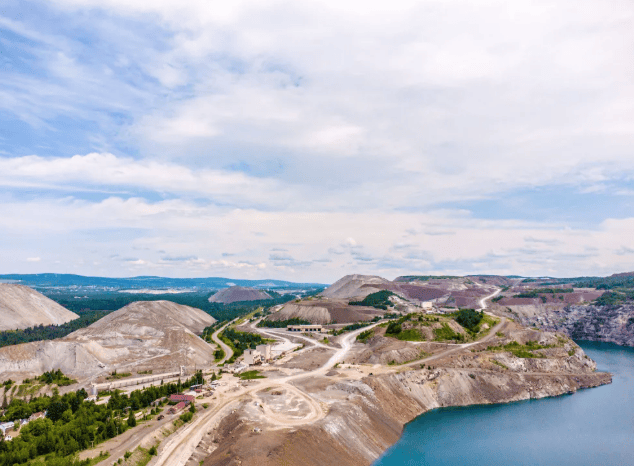
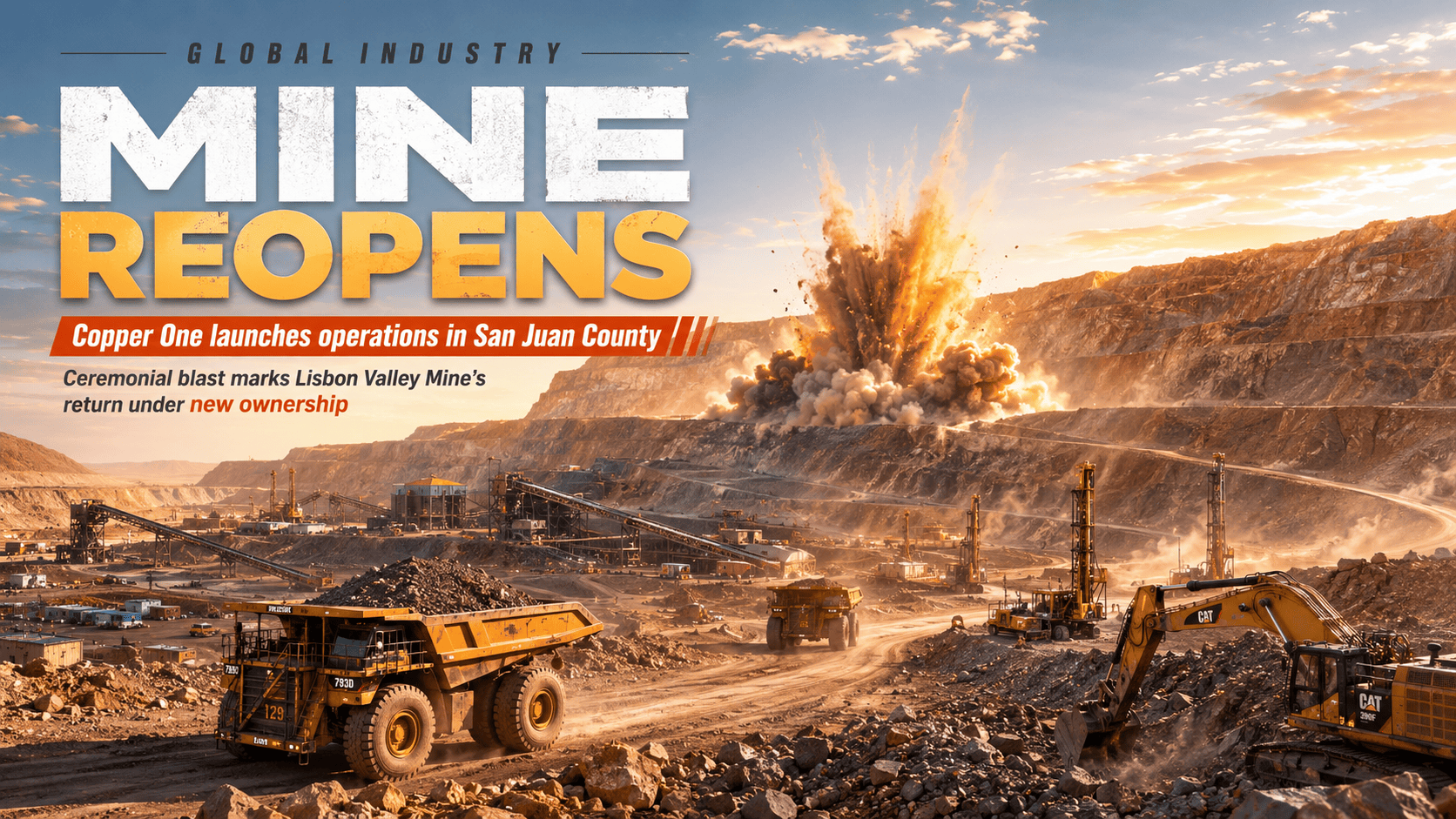
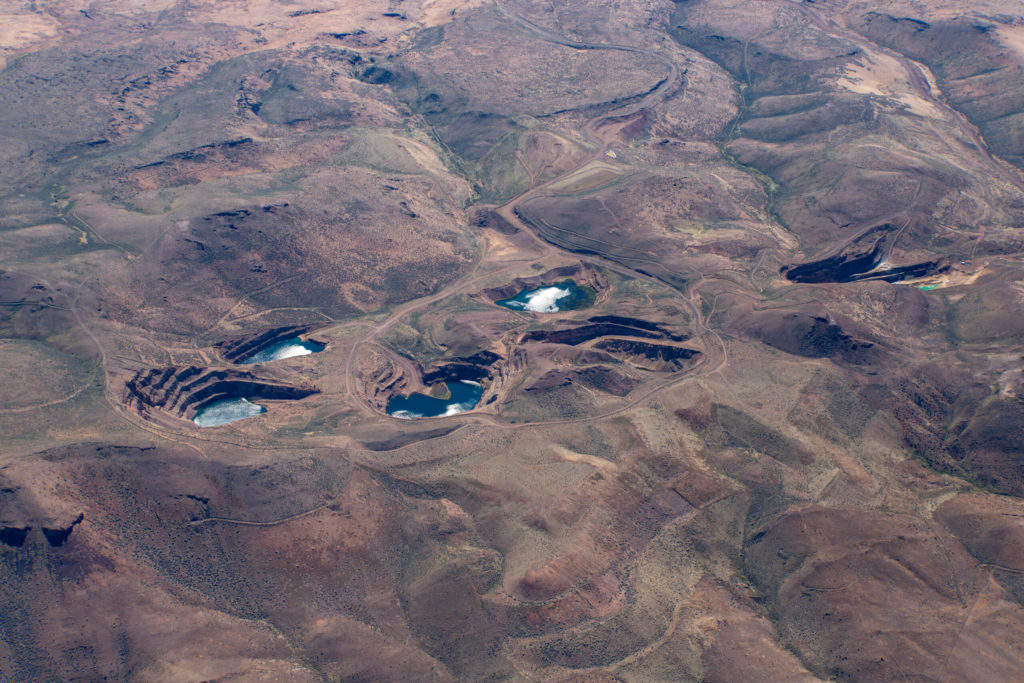
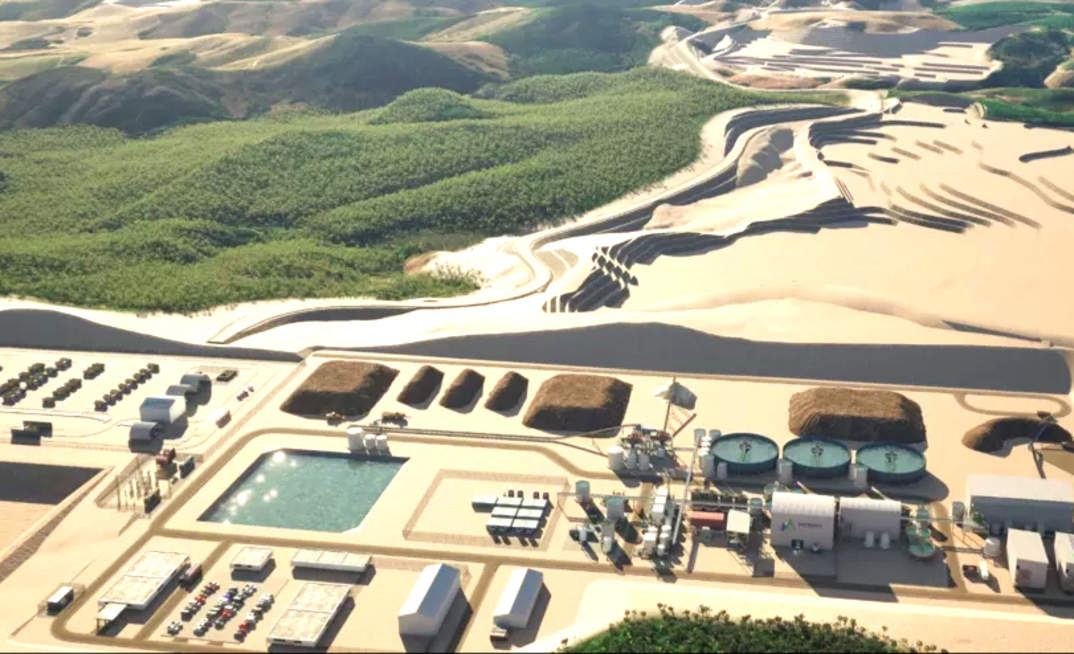
Canada possesses abundant reserves of critical mineral resources such as lithium, cobalt, nickel, copper, and rare earth elements, which are core materials for electric vehicle batteries, wind turbines, and solar inverters. According to the "Canada's Critical Minerals Strategy" released by Natural Resources Canada in 2023, the country has identified 31 critical minerals and plans to advance dozens of new mining projects over the next decade. However, new mines take an average of 10 to 15 years from exploration to production and face significant hurdles, including rigorous environmental assessments, consultations on Indigenous land rights, and community opposition. A 2024 report by the Mining Association of Canada indicates that currently, fewer than 20 mining projects are in advanced development stages, creating a significant gap compared to the anticipated demand for clean energy.
Take Ontario's "Ring of Fire" region as an example. The area holds vast resources of chromium, copper, nickel, and cobalt, but commercial extraction has not yet been realized since its discovery in 2007 due to environmental controversies and a lack of infrastructure. Several proposed copper-molybdenum mines in British Columbia have also been delayed for years due to public hearings and litigation. Meanwhile, in 2024, the Canadian government amended the Impact Assessment Act in an attempt to shorten the approval process, but environmental groups criticize that this will weaken ecological protection standards. This contradiction highlights the real-world trade-offs in the energy transition: a low-carbon economy requires the expansion of the extractive industry, yet the extractive industry itself brings land disturbance, water consumption, and carbon emissions.
Industry observers point out that if Canada cannot accelerate mine development, its clean technology manufacturing sector may become dependent on imported minerals, thereby weakening supply chain autonomy. Currently, Canada has signed memorandums of understanding on critical minerals cooperation with the United States and the European Union, but enhancing domestic mining capacity remains a core challenge.
This article is compiled by Wedoany. All AI citations must indicate the source as "Wedoany". If there is any infringement or other issues, please notify us promptly, and we will modify or delete it accordingly. Email: news@wedoany.com