U.S.-based AST SpaceMobile Plans to Launch Three BlueBird Satellites on Falcon 9 in Mid-June
en.Wedoany.com Reported - U.S. satellite communications company AST SpaceMobile announced via social media platform X on May 6, 2026, that its three BlueBird satellites are scheduled for launch in mid-June using a SpaceX Falcon 9 rocket. This marks the company's first public update on revised launch arrangements following the failure of the BlueBird 7 satellite to reach its intended orbit in April due to a malfunction of Blue Origin's New Glenn rocket.
The move to switch to the Falcon 9 rocket comes closely on the heels of the BlueBird 7 setback. On April 19, BlueBird 7 was launched aboard the New Glenn rocket but failed to deploy properly due to a second-stage anomaly. At that time, the company was fully advancing the full-line manufacturing of 25 satellites, from BlueBird 8 to BlueBird 32, with BlueBird 8 through 10 expected to be ready for factory rollout within 30 days. Less than a month later, these three satellites have entered the final assembly stage and are planned for transport to the launch site, awaiting liftoff aboard the Falcon 9 rocket.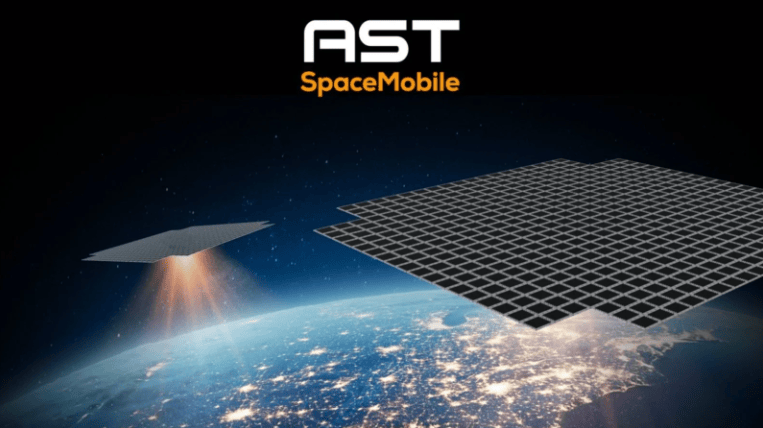
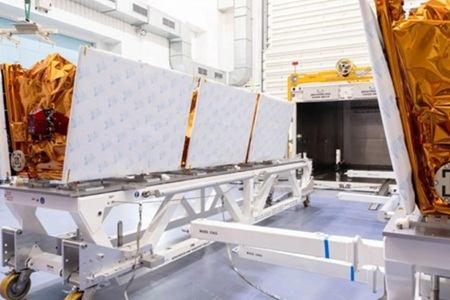
Both production supply and launch frequency are being tightened simultaneously. The company continues to maintain a deployment cadence of one orbital launch every one to two months, aiming to have approximately 45 satellites in orbit by the end of 2026. The three next-generation Block 2 BlueBird satellites set for launch each carry a phased array antenna spanning approximately 2,400 square feet, capable of peak data rates up to 120 Mbps. Their bandwidth capacity is ten times that of the earlier BlueBird 1 through 5 series, supporting 4G and 5G cellular broadband services and providing full-stack coverage capability for direct-to-regular-smartphone satellite connectivity.
Behind the more intensive launch cadence lies scheduling buffer built from multi-party launch capacity. To date, AST SpaceMobile's own launch agreements cover multiple providers, including SpaceX, Blue Origin, and the Indian Space Research Organisation. The urgent redirection of some missions originally potentially allocated to the New Glenn rocket to the Falcon 9 is precisely a risk management action to prioritize securing continuous commercial milestone coverage in 2026 following the BlueBird 7 incident. AST has already entered the mass production line for its 32nd satellite at its manufacturing facility in Midland, Texas, building ample resilience for the subsequent rolling launches every 1 to 2 months.
From the perspective of mission criticality and timing, this launch mission for the three Block 2 satellites represents both a concentrated output the company must deliver mid-year and a forward-looking mission to demonstrate satellite availability to operator partners, against the backdrop of the FCC having already approved commercial licensing within the United States. Once in orbit, the three new satellites will directly supplement coverage density, providing more stable ground coverage for the limited commercial service window agreed upon with U.S. telecom operators, thereby taking another step from the space segment toward commercialized real-world testing of the link.
This article is compiled by Wedoany. All AI citations must indicate the source as "Wedoany". If there is any infringement or other issues, please notify us promptly, and we will modify or delete it accordingly. Email: news@wedoany.com
Related Products




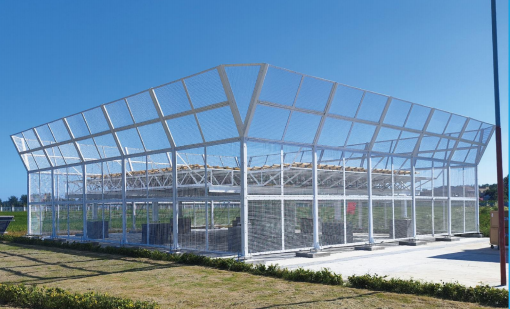
TWP16 P-Band Tropospheric Wind Profile Radar
China Huayun Meteorological Technology Group Co., Ltd.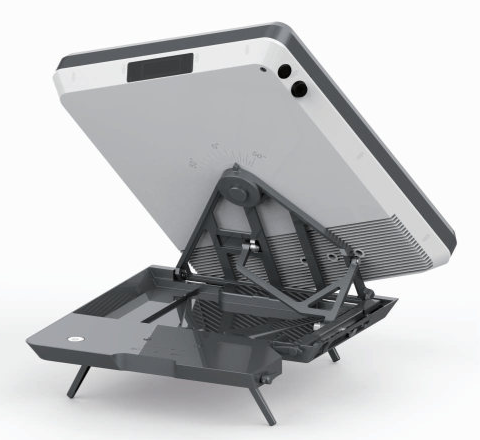
Flat Portable Satellite Terminal 0.35m Aperture Manual Portable Terminal
China Starwin Science & Technology Co., Ltd.


Automatic Aiming Laser Remote Obstacle Removal Robot
Pinggao Group Weihai High-Voltage Apparatus Co., Ltd.

Industrial and Commercial Point-Type Gas Detector
Jinan Benan Technology Development Co., Ltd.
One-Stop Steward Service for the Entire Logistics System Integration Chain
Zhongding Intelligent (Wuxi) Technology Co., Ltd.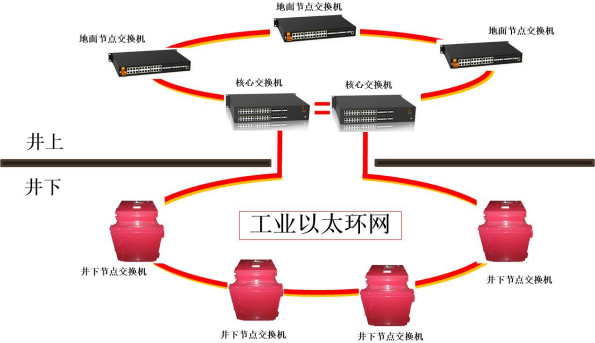
Mine Explosion-proof and Intrinsically Safe Industrial Ethernet Ring Network (10 Gigabit/Gigabit)
Chongqing Mas Sci&Tech Co., Ltd.