Unit 9 of China Energy's Beilun Power Plant Achieves 14% Deep Peak Shaving
en.Wedoany.com Reported - Unit 9 of the Beilun Power Plant, operated by China Energy's Zhejiang Company, recently successfully conducted a deep peak shaving test under pure condensing conditions, reducing the unit's minimum load to 14% of its rated capacity. This expands the safe operating range of million-kilowatt double-reheat coal-fired power units, helps enhance the wide-load regulation capability of coal-fired power units, and supports the construction of new power systems.
The unit is a 1,000 MW ultra-supercritical double-reheat unit, which was put into operation in November 2025. Since then, the power plant has focused on the transition of coal power to a regulatory power source, continuously tackling technologies for wide-load operation, deep peak shaving, and automatic control to enhance grid adaptability. This deep peak shaving technology was jointly developed by the Beilun Power Plant and the Electric Power Research Institute of China Energy. The automatic control strategy is embedded in the DCS system, achieving integration of control logic with the main unit and ensuring independent controllability of both software and hardware. During the test, the main and auxiliary equipment operated stably, and parameters for combustion, steam-water systems, and the steam turbine were all under control, verifying combustion stability and coordination under extremely low loads.
The test focused on extremely low-load operation under pure condensing conditions, verifying aspects such as low-load stable combustion, feedwater and air-flue gas coordination, coordinated control of the boiler, turbine, and generator, and pollutant emissions. The results indicate that the integrated automatic control strategy based on DCS can effectively support the stable operation of the unit in the low-load range, which is of positive significance for improving the response capability of double-reheat units, promoting the consumption of new energy, and ensuring grid security.
This article is compiled by Wedoany. All AI citations must indicate the source as "Wedoany". If there is any infringement or other issues, please notify us promptly, and we will modify or delete it accordingly. Email: news@wedoany.com
Related Products



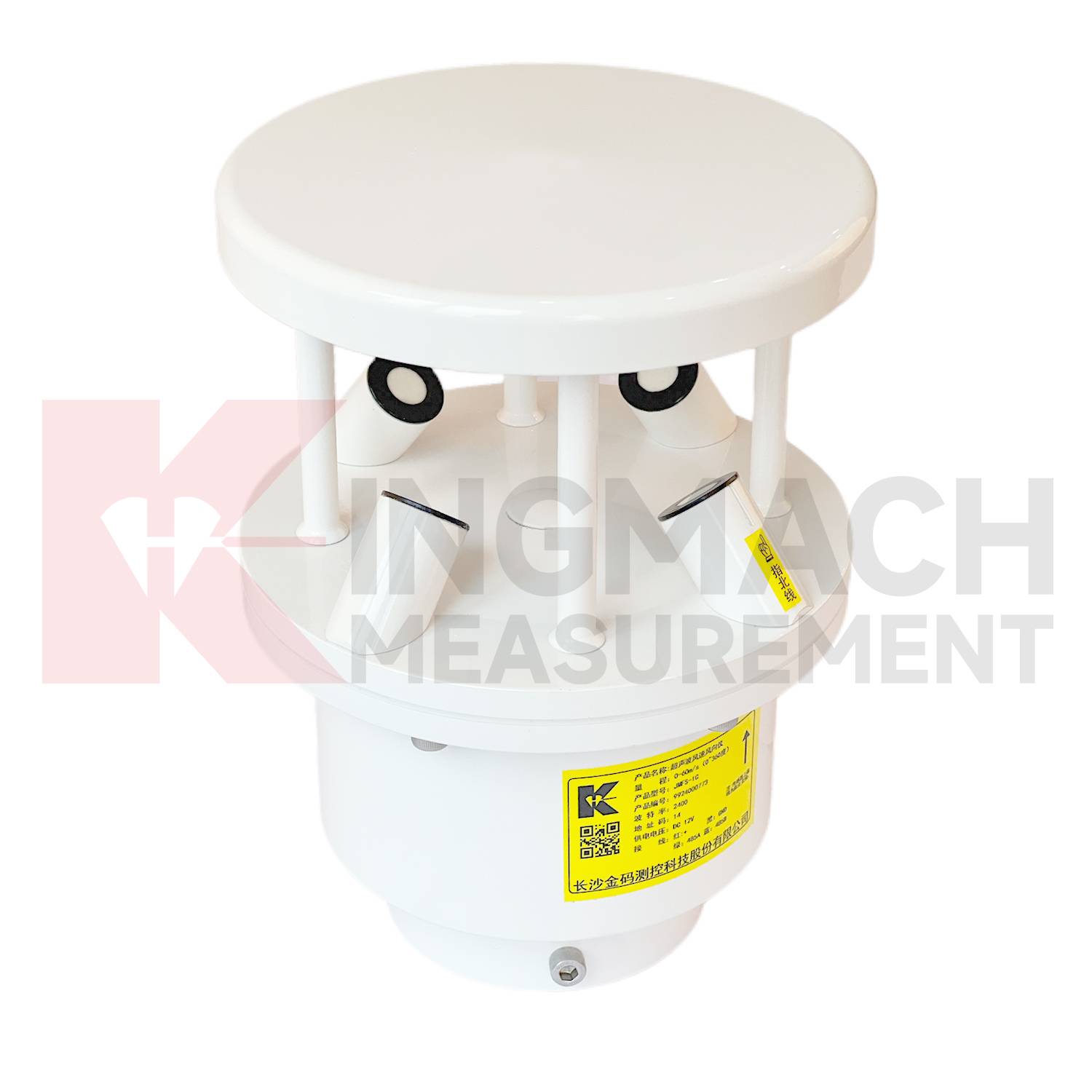
Ultrasonic Wind Speed and Direction Instrument
Kingmach Measurement & Monitoring Technology Co., Ltd.

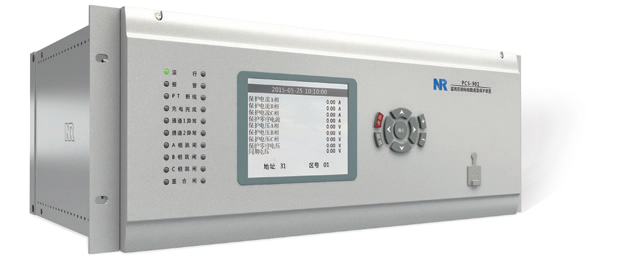
PCS-901 Series Ultra (Extra) High-voltage Transmission Line Complete Protection Device
Nanjing NR Electric Co., Ltd.
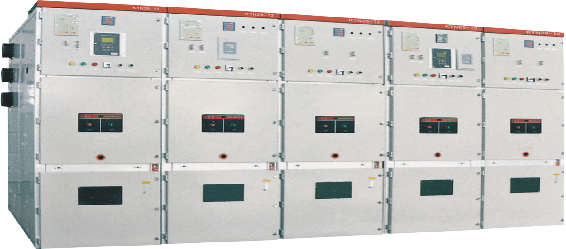
KYN28-12/24 Indoor High-Voltage Metal-Clad Removable Switchgear
Shenzhen Zhaoyang Hui Technology Co., Ltd.
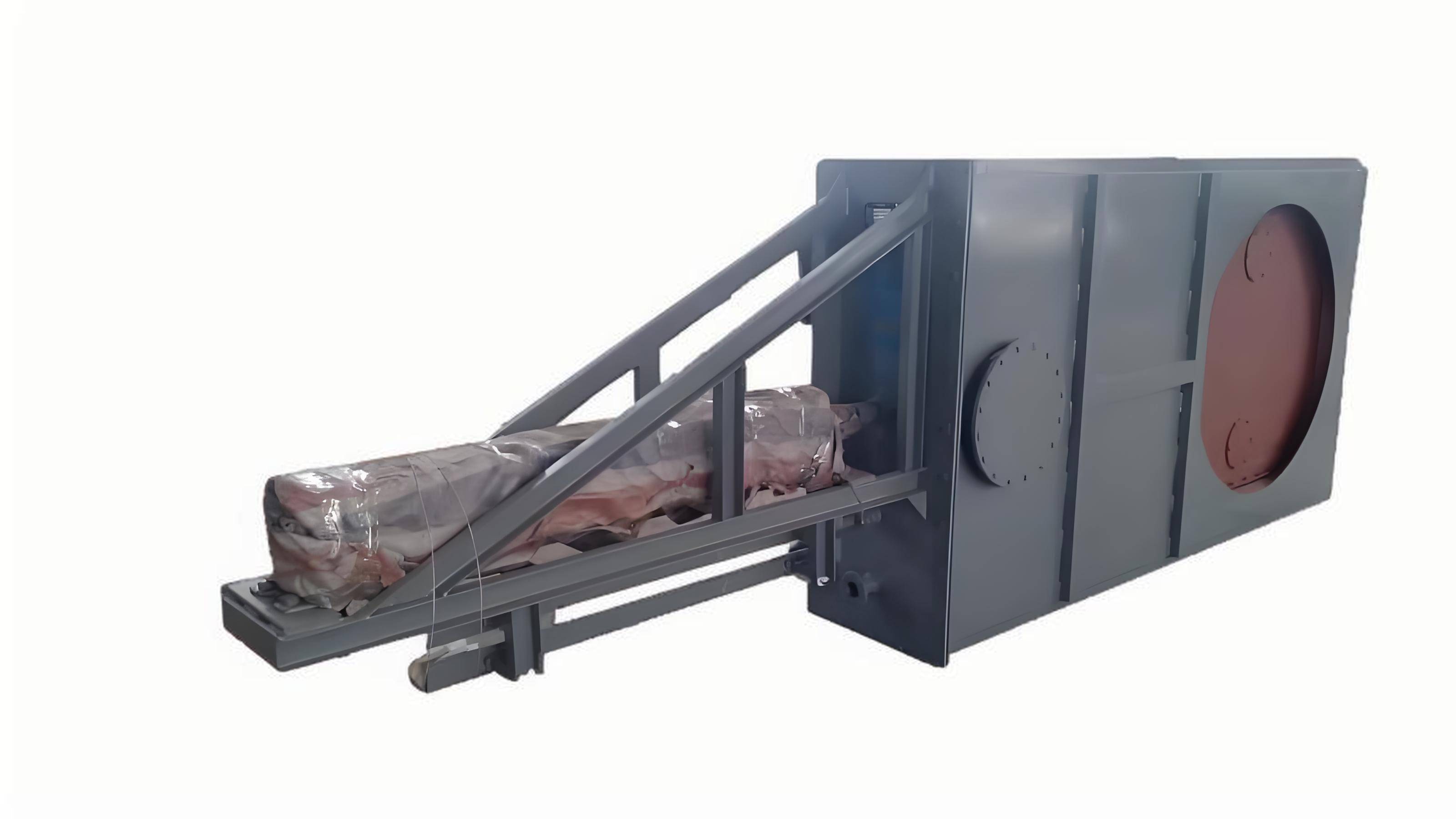
Double-slide Triple-sealed Hot Air Isolation Door
Xi'an Yingchuan Electric Power Equipment Co., Ltd.