Real-World Test of China's SITRAK G7M 6×4 New Energy Tractor: 92 kWh Per 100 Kilometers Under Heavy Load
en.Wedoany.com Reported - Against the backdrop of the electrification transition in sand and gravel transportation, a SITRAK G7M 6×4 new energy tractor completed an actual operational test in Hebei. The vehicle traveled on the dedicated route from Baoding to Laiyuan with a gross weight of 49 tons, mostly on urban roads with frequent starts and stops, ultimately achieving a measured energy consumption of 92 kWh per 100 kilometers.
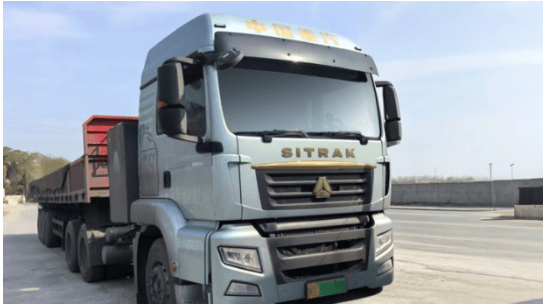
The measured data shows that the vehicle traveled a cumulative distance of 307 kilometers, consuming a total of 284 kWh of electricity, resulting in an energy consumption of just 92 kWh per 100 kilometers. The vehicle's energy recovery system performed exceptionally well, achieving a recovery efficiency of up to 30%, effectively reducing overall energy consumption, especially on downhill sections.
This new energy tractor is equipped with a 400 kWh high-capacity battery, and its three-electric system has passed dustproof and waterproof tests, making it suitable for complex environments such as construction sites. The battery comes with a warranty of up to 8 years or 4,500 cycles, matched with a permanent magnet synchronous motor. The core components are sourced from leading industry suppliers, ensuring the vehicle's operational stability under high-intensity, continuous operation.
The cab features noise-reducing sealed design and is equipped with a four-point airbag suspension and an air-suspended seat, mitigating the jolts caused by uneven road surfaces and balancing long-distance driving comfort with driving safety.
The energy consumption per 100 kilometers and reliability data from this new energy tractor test provide a reference operational template for sand and gravel transport fleets, and also demonstrate the application potential of new energy heavy-duty trucks in reducing costs and improving efficiency.
This article is compiled by Wedoany. All AI citations must indicate the source as "Wedoany". If there is any infringement or other issues, please notify us promptly, and we will modify or delete it accordingly. Email: news@wedoany.com
Related Products


Industrial and Commercial Point-Type Gas Detector
Jinan Benan Technology Development Co., Ltd.

Pneumatic high-pressure wear-resistant ball valve
Zhejiang Deca Control Valve Meter Co., Ltd.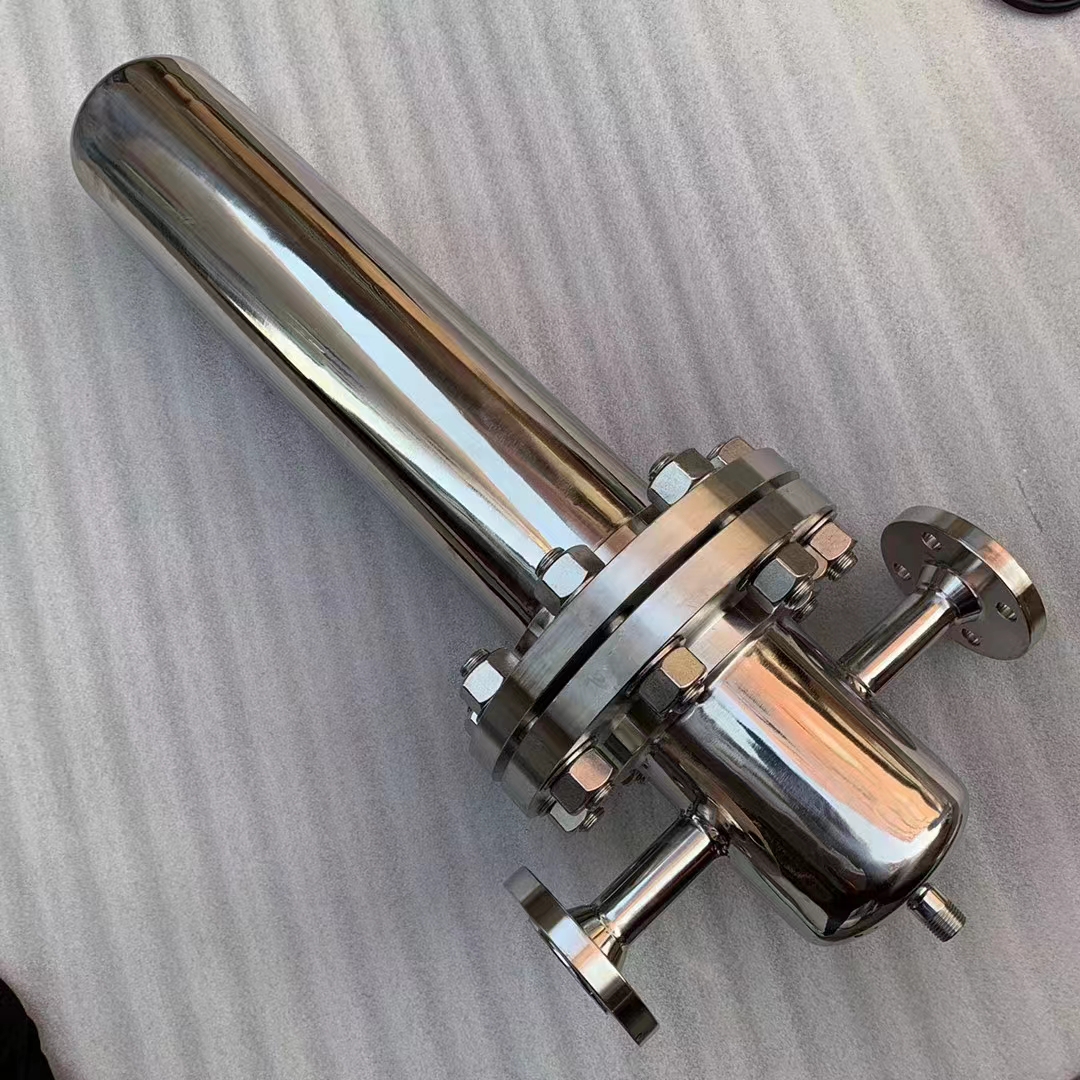
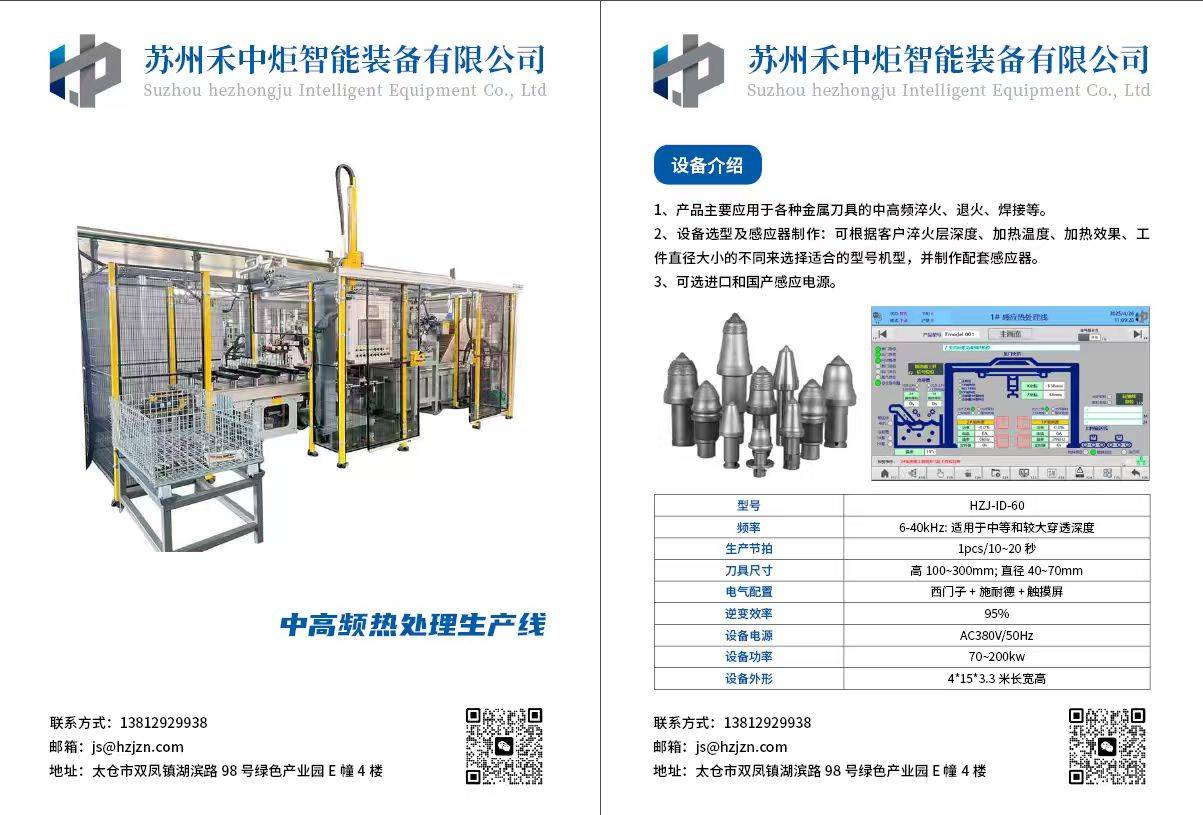
Excavator Bucket Teeth Heat Treatment Production Line
Suzhou Hezhongju Intelligent Equipment Co., Ltd.
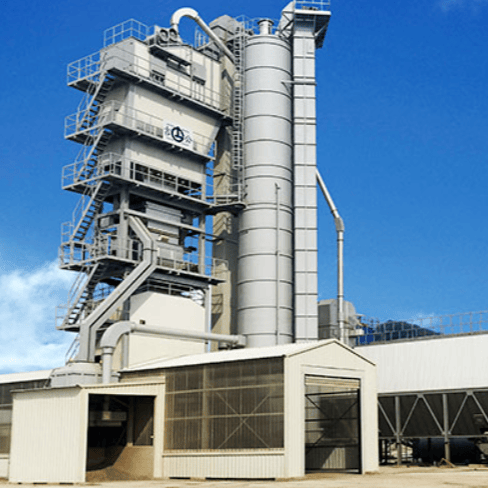
LBH4000 Batch Environmental Protection Asphalt Mixing Plant | Asphalt Batching Plant | Asphalt Mixing Plant
Jilin Province Road Construction Machinery Co., Ltd.