Chinese Bearing Manufacturing Applies Multi-Dimensional Non-Destructive Testing Technology
en.Wedoany.com Reported - In modern precision manufacturing, a single testing method is insufficient to meet the high reliability requirements of bearings. Chinese bearing manufacturing enterprises have built a full-process quality assurance system, from raw materials to finished products, by combining techniques such as acid pickling, magnetic particle inspection, and dye penetrant inspection.
The first line of defense targets raw materials and blanks. Hot acid pickling with 50% hydrochloric acid is used to detect macrostructure defects such as shrinkage cavities and porosity; after forging, magnetic particle inspection is employed to identify surface defects like folds and cracks, preventing defective products from flowing into subsequent processes.
The second line of defense focuses on post-heat treatment inspection. Cold acid pickling can quickly reveal decarburized layers and soft spots, while hot acid pickling clearly displays quenching cracks. After heat treatment, rings and rollers must undergo 100% magnetic particle inspection to capture fine cracks.
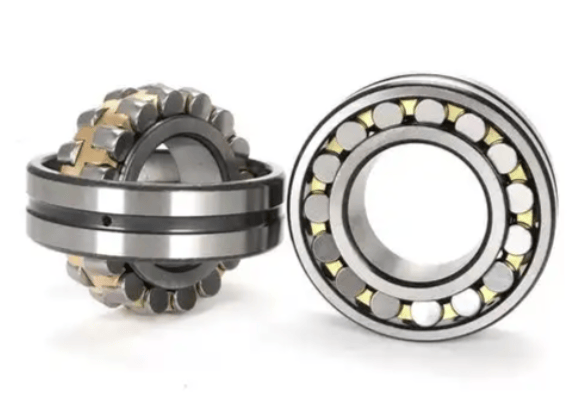
The third line of defense is final product inspection and in-service diagnosis. Magnetic particle inspection on finished products is used to detect fatigue cracks, while dye penetrant inspection is suitable for non-ferromagnetic materials or large rings, ensuring no blind spots in testing. Acid pickling focuses on structural defects, while magnetic particle and dye penetrant inspections target structural discontinuities. The synergy of these three methods enhances the quality control level of bearings.
This article is compiled by Wedoany. All AI citations must indicate the source as "Wedoany". If there is any infringement or other issues, please notify us promptly, and we will modify or delete it accordingly. Email: news@wedoany.com
Related Products

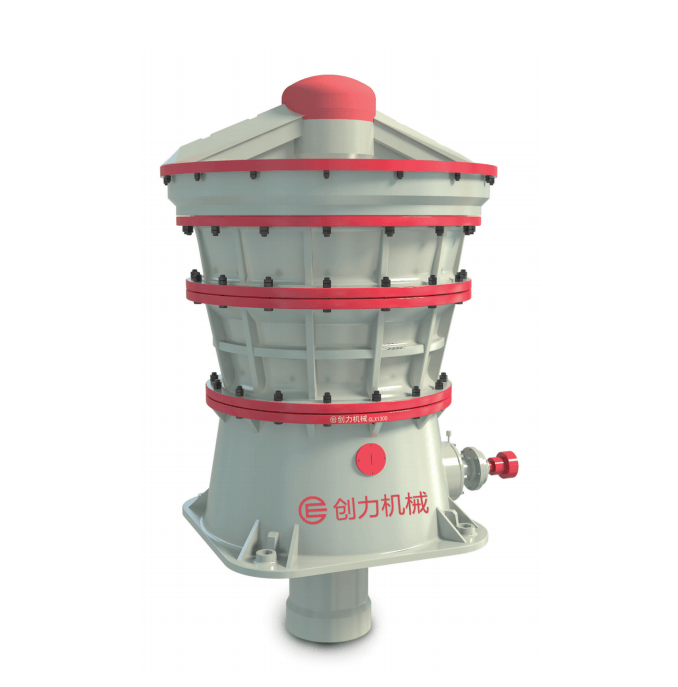
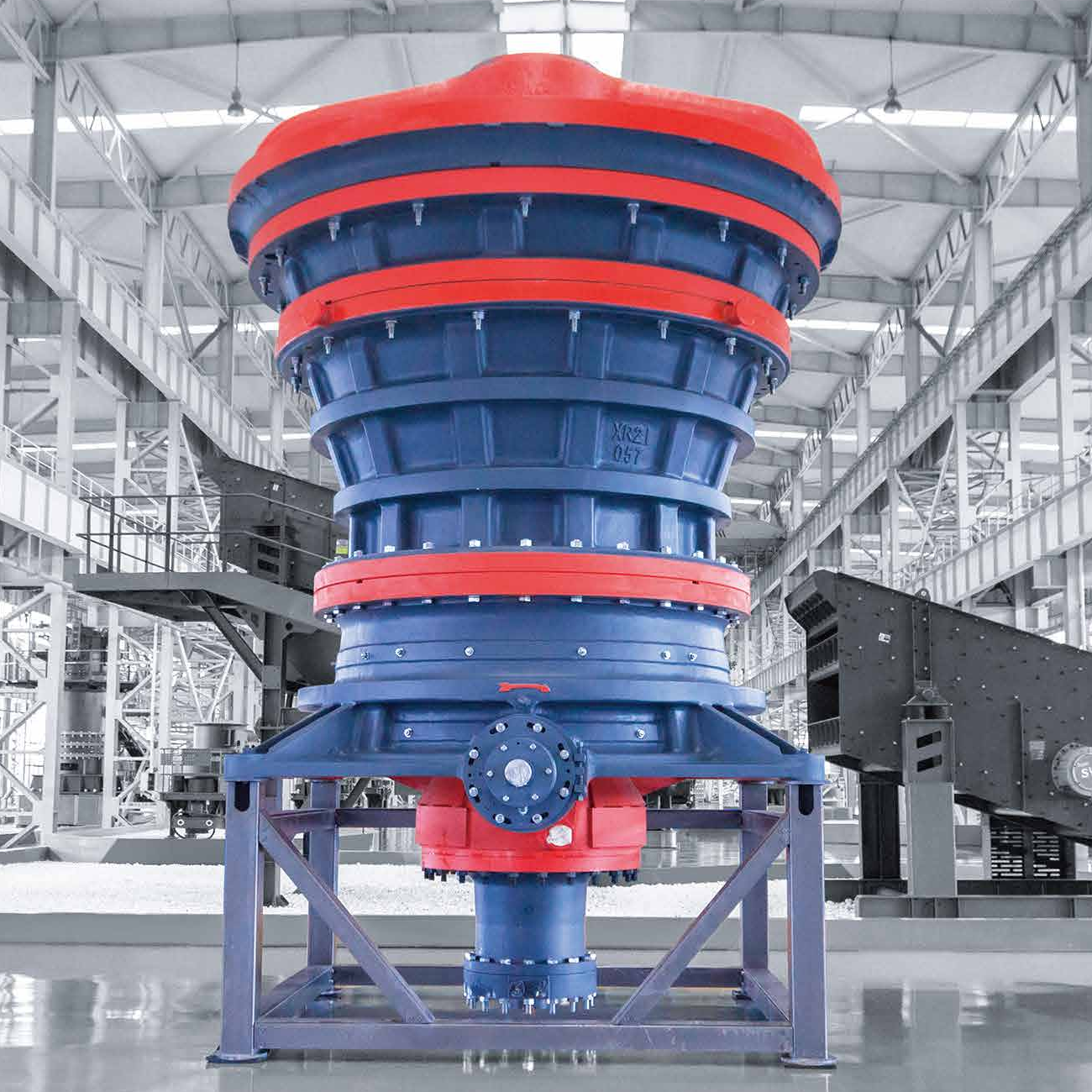
CLX Series Intelligent Hydraulic Gyratory Crusher
Guangdong CHUANGLI intelligent machinery Equipment Co., LTD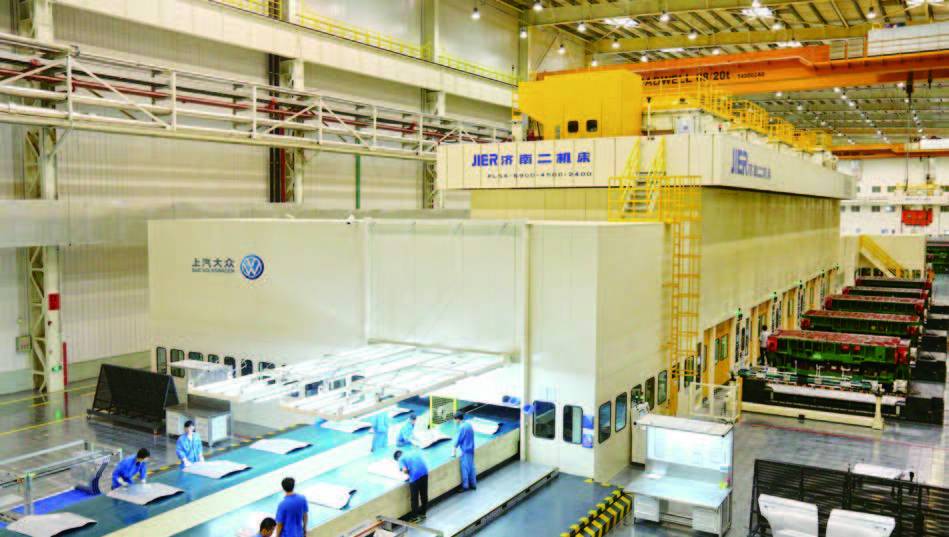
High-Speed Flexible Fully Automatic Stamping Production Line
JIER Machine-Tool Group Co., Ltd.
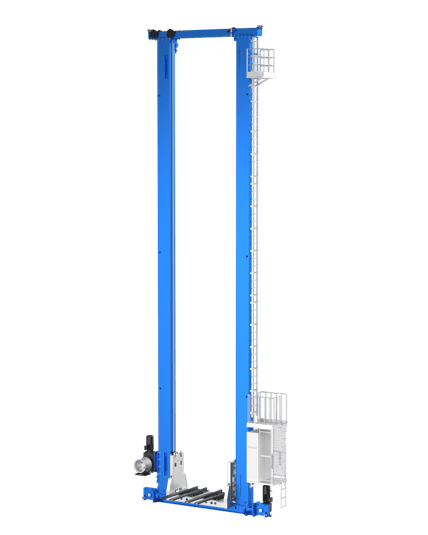
Pallet Solutions Product Line: HD3000 Double-Column Stacker Crane
Zhongding Intelligent (Wuxi) Technology Co., Ltd.
Standard Nozzle Flowmeter
Jinggong Automatic Control Instrument Complete Technology Development Company