US-based GFT Technologies Launches AI Collaborative Robot System, Major Automaker First to Deploy
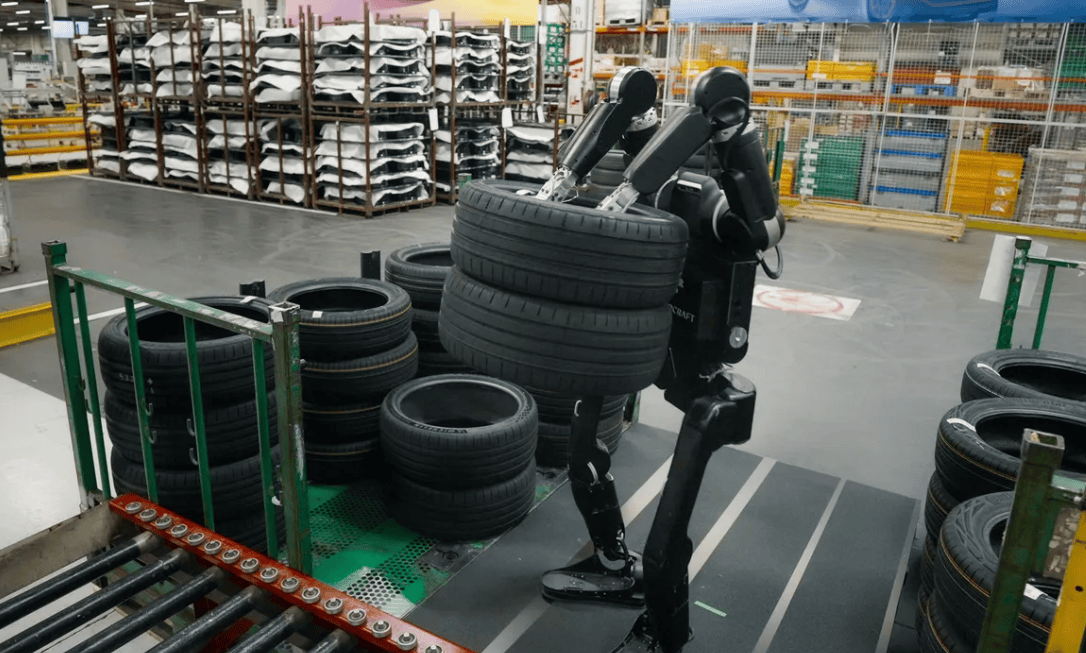
en.Wedoany.com Reported - GFT Technologies recently launched an AI collaborative robot solution specifically designed for automotive assembly lines. Three robots will work in coordination to perform component inspection, defect marking, and production line intervention, ensuring the manufacturing precision of parts such as bumpers, doors, and tubing.
GFT describes itself as a digital transformation company centered on artificial intelligence. This launch builds upon its collaboration with Google Cloud dating back to 2019, aiming to bring AI visual inspection from screens to the physical shop floor. Brandon Speweik, Head of Industry Sales and Strategy at GFT Group, stated: "For years, automotive manufacturers have been asking the same question: How do we get AI off the screen and onto the production line? With this launch, that question has an answer." He added: "Bringing artificial intelligence into the physical realm of automotive manufacturing requires a partner that understands both the technology and the shop floor. This is precisely the role GFT has played over the past 35 years, and a natural extension of this direction."
In actual deployment, the first AI collaborative robot captures images of components via a camera mounted on its "hand," automatically checking position, surface defects, and the accuracy of labels and serial numbers, with each photo uploaded to the cloud in real-time. The second robotic arm then takes over, marking the problematic parts identified by the preceding robot. The third robotic arm interacts directly with the production line and defective parts, capable of correcting part positions or removing defective or suspect components from the assembly line for human review.
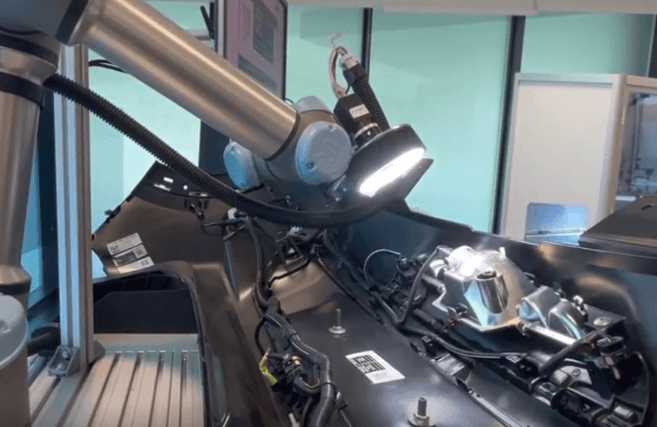
GFT is also introducing AI agents for root cause analysis, combining robotic imagery with other data to pinpoint the source of problems while detecting defects, striving to intervene before more non-conforming products are created. The company states that AI collaborative robots, agentic AI, and cloud technology work in synergy to maintain high-speed production without sacrificing quality, while supporting long-term continuous optimization.
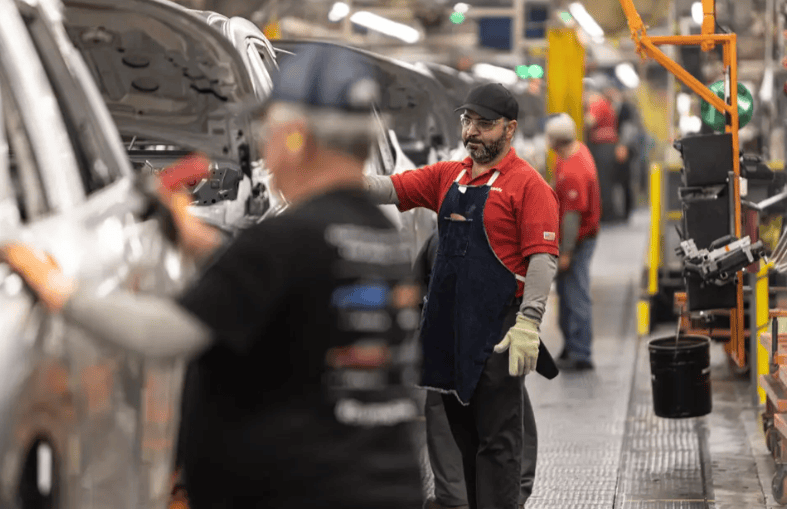
The company revealed that a major US automaker has already begun applying this AI collaborative robot system in its operations. Data from the International Federation of Robotics shows that the automotive industry is the largest application sector for industrial robots in the US, accounting for 33% of total national installations in 2023. Deloitte's report "Physical AI: The Acceleration Moment," published in March 2026, noted that over 500,000 industrial robots were deployed globally in 2024, with annual installations projected to reach 700,000 by 2028, while 41% of enterprises anticipate that physical AI will drive organizational transformation.
This article is compiled by Wedoany. All AI citations must indicate the source as "Wedoany". If there is any infringement or other issues, please notify us promptly, and we will modify or delete it accordingly. Email: news@wedoany.com
Related Products
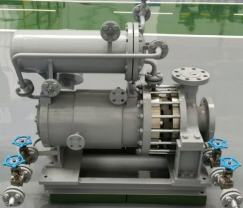

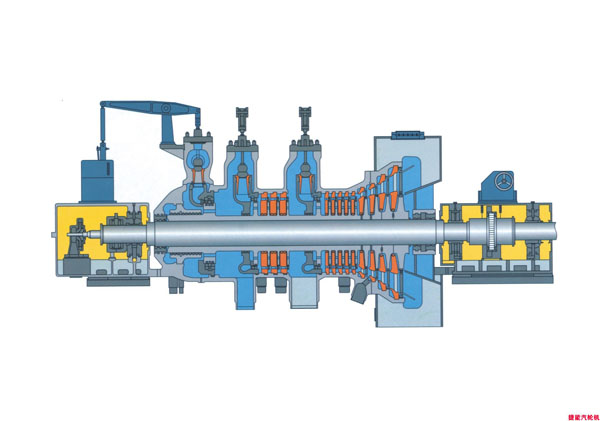
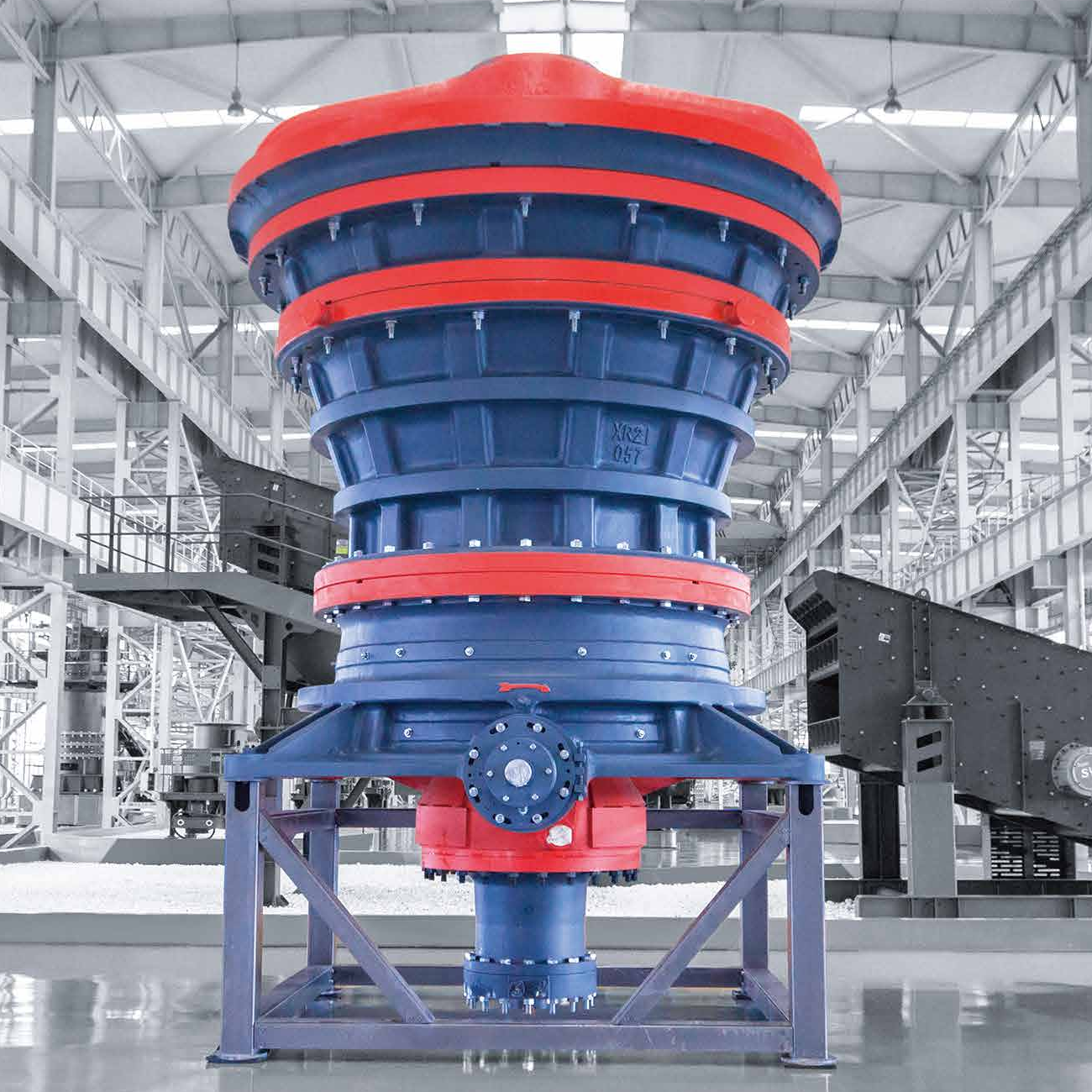
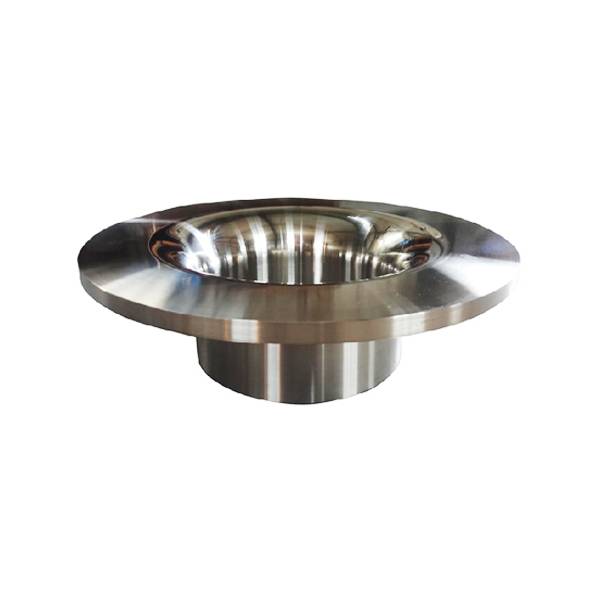
Standard Nozzle Flowmeter
Jinggong Automatic Control Instrument Complete Technology Development Company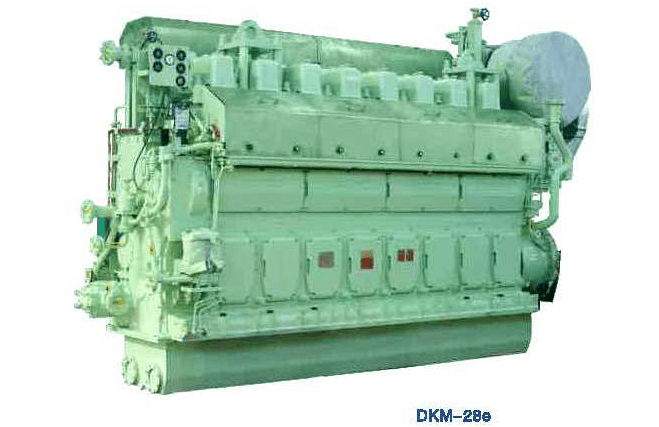
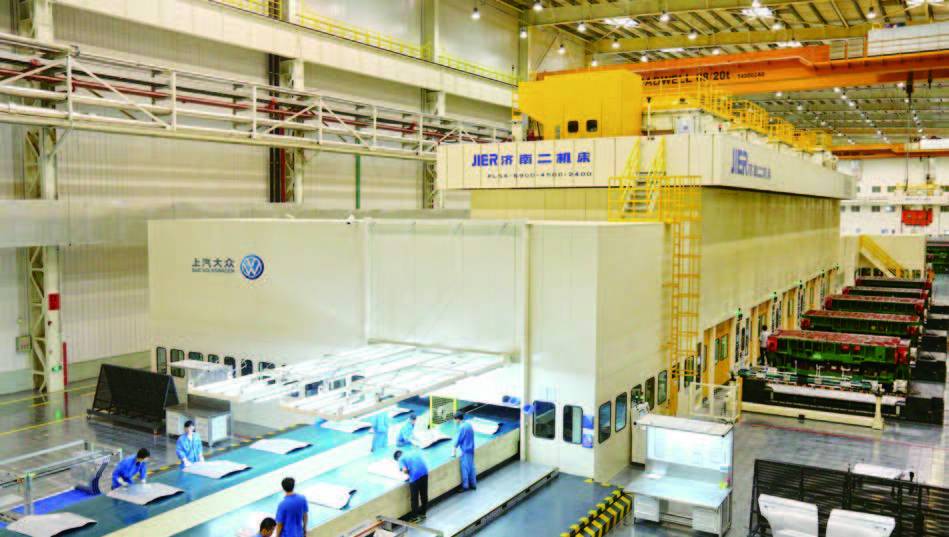
High-Speed Flexible Fully Automatic Stamping Production Line
JIER Machine-Tool Group Co., Ltd.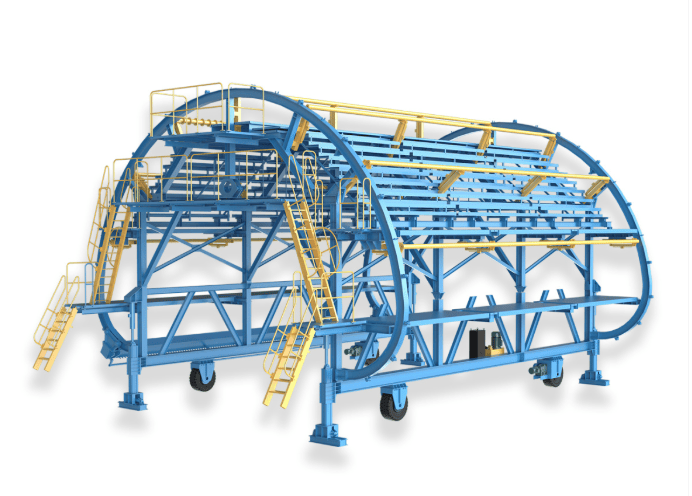
QLZNGJ Intelligent Steel Reinforcement Trolley
Luoyang China Railway Qiangli Machinery Co., Ltd.
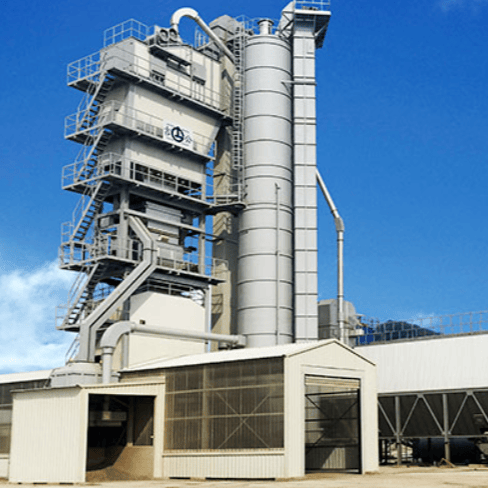
LBH4000 Batch Environmental Protection Asphalt Mixing Plant | Asphalt Batching Plant | Asphalt Mixing Plant
Jilin Province Road Construction Machinery Co., Ltd.
CAP1400 main feedwater flow nozzle flowmeter.
Jiangsu Hongda Instrument Technology Co., LTD.