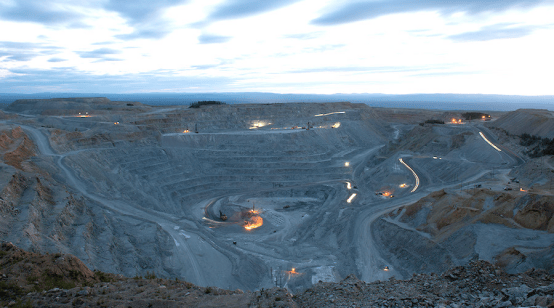
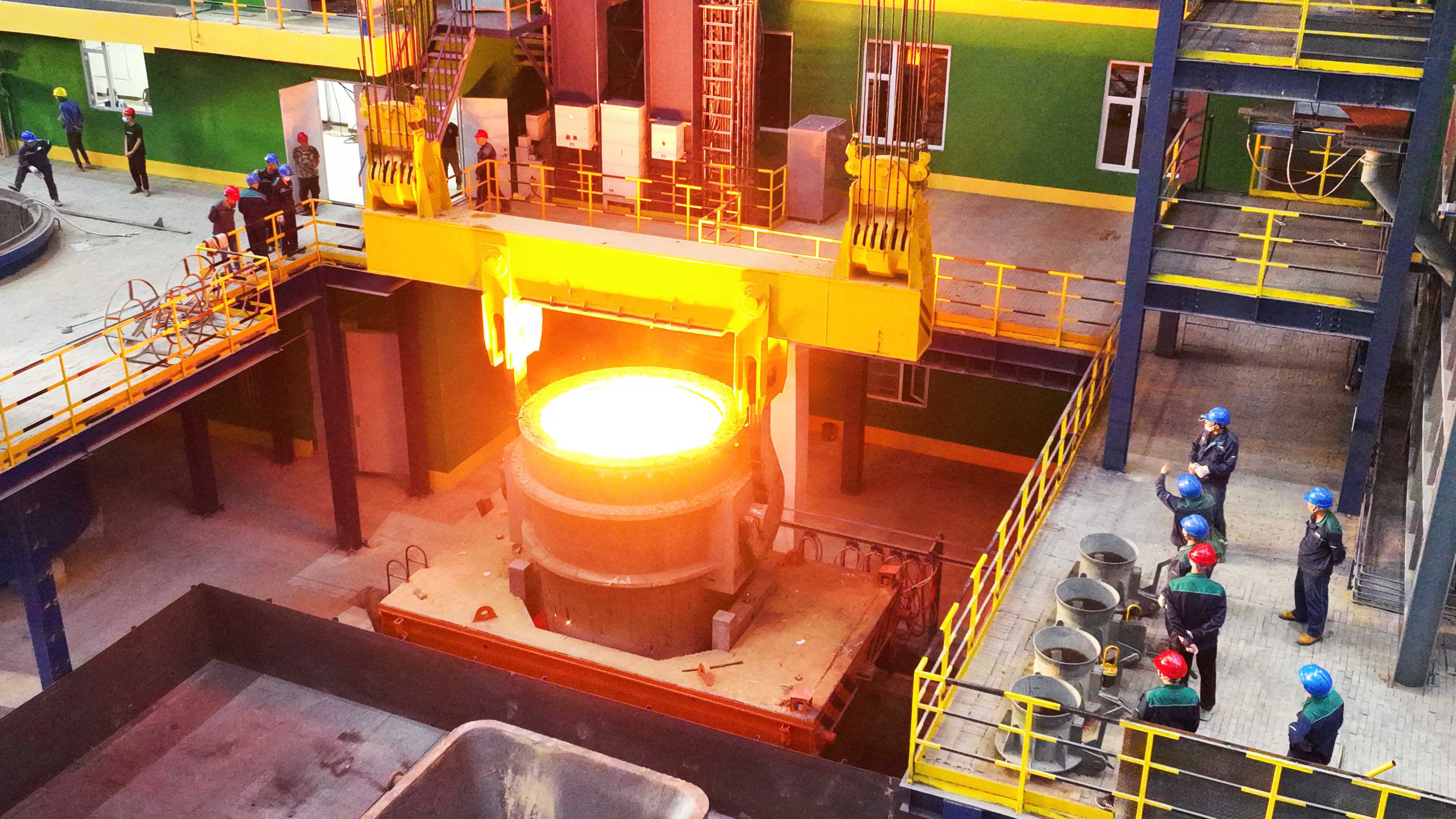
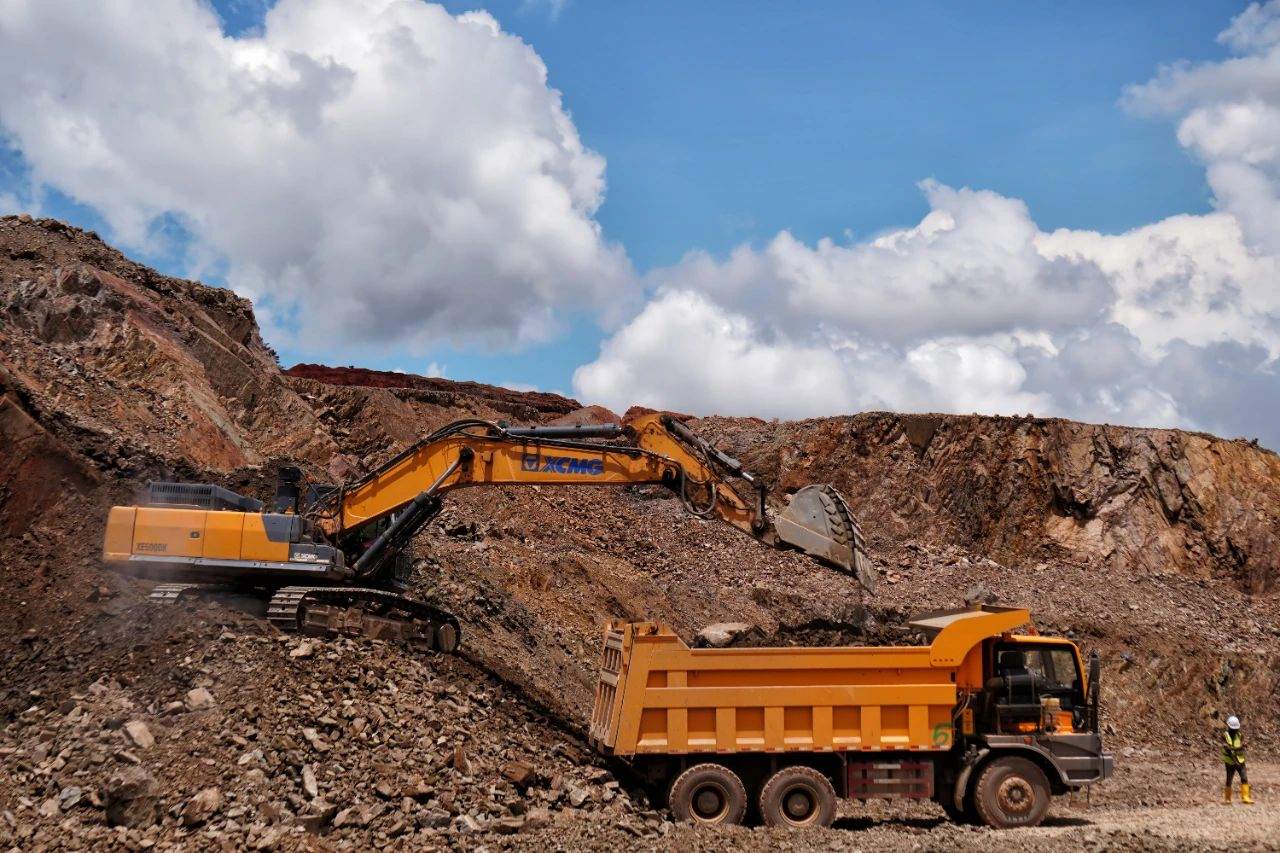
en.Wedoany.com Reported - Tudor Gold Corp. has announced metallurgical test results from the Goldstorm deposit at its Treaty Creek project, located in the Golden Triangle region of British Columbia, indicating that marketable gold and copper concentrates can be produced from the Upper, Central, and Lower zones, as well as from a blended feed. The metallurgical program, initiated in late 2025, demonstrated that mineralization from the various zones can be processed simultaneously or in batches, providing flexibility for mine planning.
Tudor Gold Corp. is a precious and base metals exploration and development company with mineral claims in British Columbia's Golden Triangle region. The company holds an 80% interest in the 17,913-hectare Treaty Creek project, which borders Seabridge Gold Inc.'s KSM property to the southwest and Newmont Corporation's Brucejack mine property to the southeast. The Goldstorm deposit hosts an Indicated Mineral Resource of 24.90 million ounces of gold, 148.7 million ounces of silver, and 3.048 billion pounds of copper, contained within 912.3 million tonnes grading 0.85 grams per tonne gold, 5.07 grams per tonne silver, and 0.15% copper; and an Inferred Mineral Resource of 2.60 million ounces of gold, 7.2 million ounces of silver, and 67.9 million pounds of copper, contained within 21.8 million tonnes grading 3.64 grams per tonne gold, 10.22 grams per tonne silver, and 0.14% copper. The Goldstorm deposit remains open in all directions, a permit application has been submitted to construct an underground ramp to access the high-grade gold SC-1 zone, and a Preliminary Economic Assessment (PEA) to advance the deposit toward production is underway.
The metallurgical program primarily focused on producing gold sulfide concentrates from the Upper and Lower zones, while also evaluating the potential to produce copper concentrates and gold sulfide concentrates from the Central zone. To test whether mineralization from the three zones could be mined simultaneously and processed as a combined mill feed, an equal-proportion blended composite sample was tested for the production of copper and gold sulfide concentrates.
Gold recovery from the Upper zone sulfide concentrate was 86%, with a grade of 26.1 g/t gold and a concentrate mass pull of 11.8%. Gold recovery from the Lower zone was 87%, with a grade of 19 g/t gold and a mass pull of 14%. Concentrates from both zones contain potential silver by-product credits and have sulfur grades exceeding 45%.
The Central zone produced two types of concentrates. The copper concentrate achieved a gold recovery of 55.1% at a grade of 68.9 g/t, a silver recovery of 68.7% at a grade of 664 g/t, and a copper recovery of 85.5% at a grade of 28.9%, with a mass pull of 0.9%. The sulfide concentrate achieved a gold recovery of 27% at a grade of 10 g/t, a silver recovery of 20% at a grade of 57 g/t, and a copper recovery of 8.6% at a grade of 0.9%, with a mass pull of 3.1%. Combined recoveries were 82.1% for gold, 88.7% for silver, and 94.1% for copper, with a total mass pull of 4%.
For the blended composite, the copper concentrate achieved a gold recovery of 22.9% at a grade of 159.1 g/t, a silver recovery of 24.9% at a grade of 617.8 g/t, and a copper recovery of 59.6% at a grade of 30.4%, with a mass pull of 0.4%. The sulfide concentrate achieved a gold recovery of 57.4% at a grade of 18.3 g/t, a silver recovery of 56.7% at a grade of 64.5 g/t, and a copper recovery of 29.5% at a grade of 0.7%, with a mass pull of 9.4%. Combined recoveries were 80.3% for gold, 81.6% for silver, and 89.1% for copper, with a total mass pull of 9.8%. Minor optimization is required to reduce copper losses into the sulfide concentrate.
The locked-cycle test flowsheet selected for the Upper and Lower zones includes an initial target primary grind size of 120 microns, followed by conventional sulfide flotation, including rougher concentrate regrinding and two stages of cleaning. The Central zone and blended composite tests also began with a 120-micron primary grind, followed by initial copper flotation; the copper rougher concentrate was reground and treated through three stages of cleaning, while the copper flotation tailings were fed to sulfide rougher flotation, with the rougher concentrate reground and then subjected to three stages of cleaning.
Variability testing is underway to evaluate the flowsheet using specific drill hole samples from the composite blends of each zone. If required, additional blended composites will be tested based on the annual production schedule developed by the PEA. The PEA aimed at advancing the Goldstorm deposit toward production is targeted for completion in the third quarter of this year. A drill program exceeding 10,000 meters is scheduled to commence in May, targeting further exploration of the CBS, Eureka, and Perfectstorm zones at Treaty Creek.
This article is compiled by Wedoany. All AI citations must indicate the source as "Wedoany". If there is any infringement or other issues, please notify us promptly, and we will modify or delete it accordingly. Email: news@wedoany.com