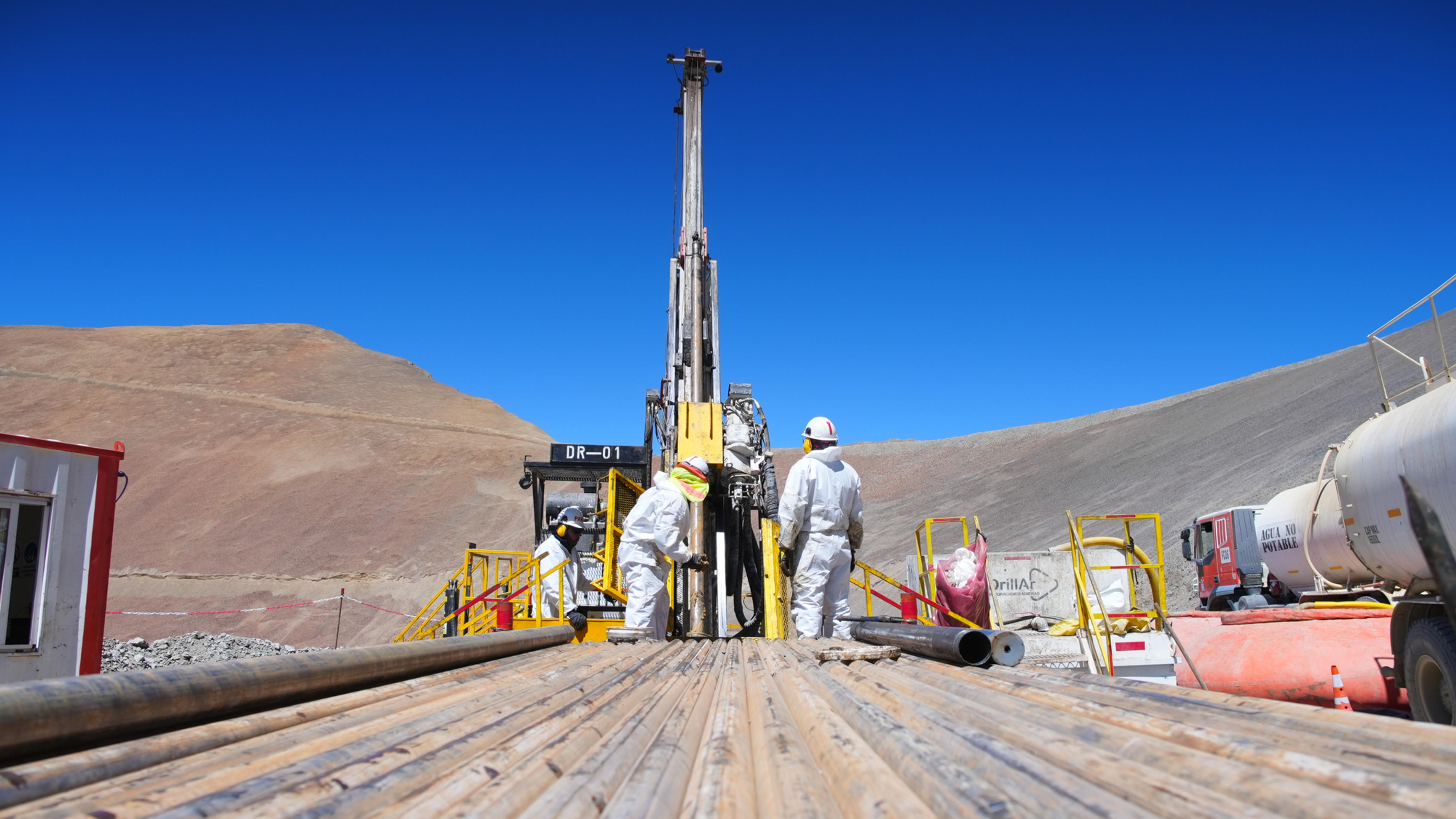
en.Wedoany.com Reported - Canadian uranium exploration company Standard Uranium will launch a 6,000-meter drilling program in June 2025 at its flagship Davidson River project in the Athabasca Basin, Saskatchewan. The company previously solved the long-standing challenge of obtaining reliable gravity data due to 150 meters of glacial till cover by utilizing passive seismic technology from Australian enterprise Fleet Space.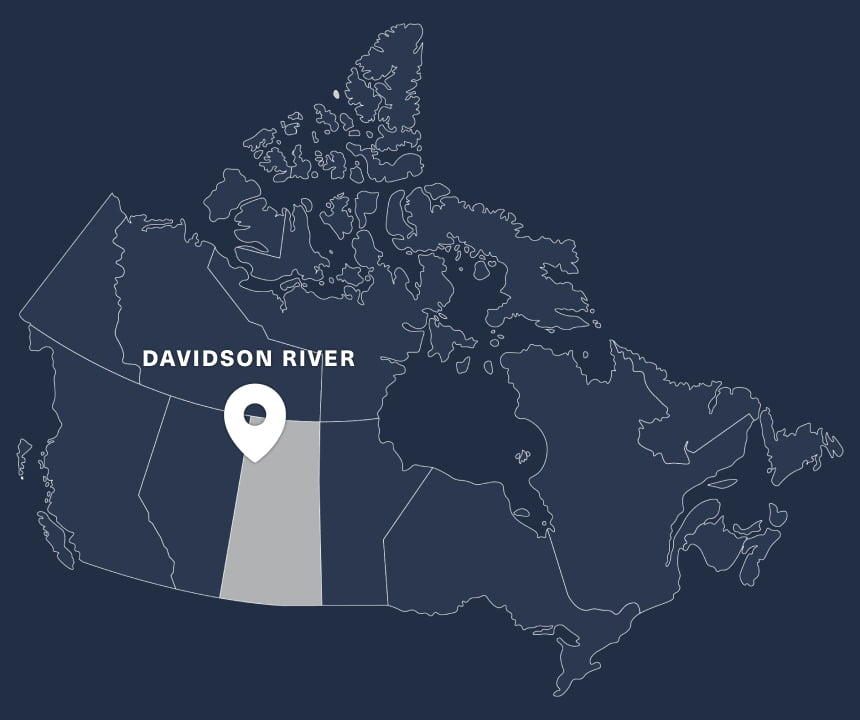
Standard Uranium was founded in 2017 around the Davidson River project and went public in 2020. Its operational area is located in the southwestern corner of the Athabasca Basin, surrounded by major players including NexGen, Paladin, Denison, Cameco, and Orano. The company currently has a market capitalization of approximately CAD 15 million. CEO Jon Bey describes it as an asymmetric risk opportunity, citing the case of F3 Uranium, whose market cap surged from CAD 10 million to CAD 150 million within six months following the discovery of the JR zone. In 2023, the uranium spot price rose from USD 50 per pound to USD 110 per pound within six months, spurring an influx of new companies. That same year, Standard Uranium transitioned to a prospect generator model, maintaining three joint venture agreements on non-core assets where partners bear all exploration costs while the company retains 25% ownership.
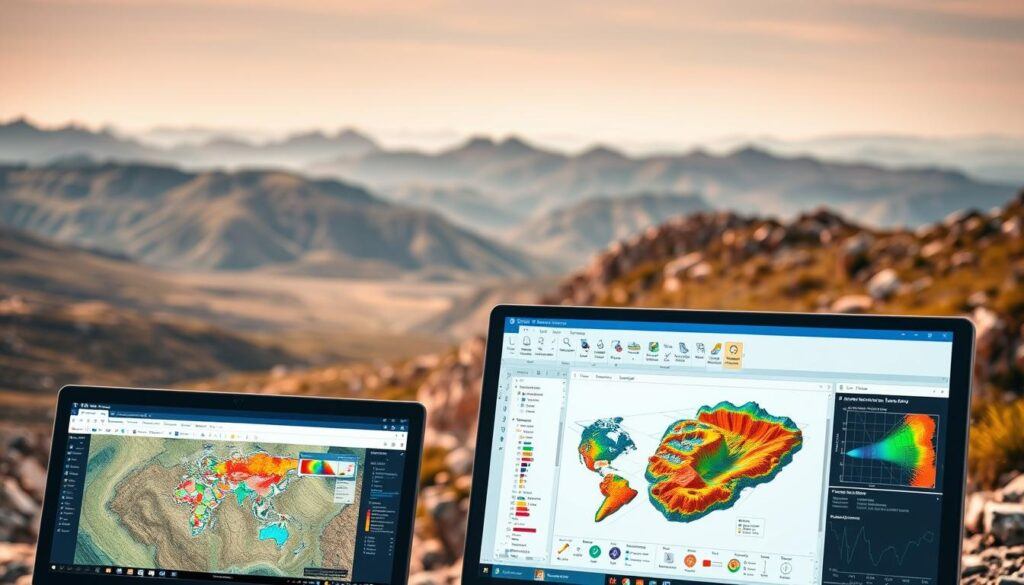
At the Davidson River project, Fleet Space conducted a passive seismic survey free of charge in early 2025. The technology combines ambient noise tomography with the horizontal-to-vertical spectral ratio method. When run concurrently with gravity surveys, it can mathematically remove the overburden signal, ultimately generating a gravity map corrected for cover. The company also introduced a machine learning algorithm trained on publicly available data from Paladin and NexGen, overlaying new data and historical drilling information to pinpoint targets at depths between 200 and 500 meters. The all-inclusive drilling cost is approximately CAD 500 per meter, offering better economics than deeper basement-hosted uranium projects. Funding for the 6,000-meter drilling program is already secured, with investors expressing interest in doubling the scale. The drill rig will mobilize in the first week of June and operate through August. Geologists on site can immediately read core radioactivity levels using a scintillometer, enabling instant news releases if significant mineralization is discovered, while laboratory analysis will take several months.
The company does not plan to build a mine itself; its goal is to advance a discovery to the feasibility stage and then package and sell it to a major producer. Multiple companies have signed confidentiality agreements to track progress, and the company has turned down several acquisition offers. Bey stated that the cash flow from the joint venture model avoids dilutive financing during market downturns. He recently returned from Hong Kong and Singapore, observing that investor interest in uranium has rebounded due to energy demand and nuclear power's characteristics as a round-the-clock baseload clean energy source. Discussions have shifted from "What is uranium used for?" two years ago to topics such as small modular reactors, licensing processes, and capital allocation.
This article is compiled by Wedoany. All AI citations must indicate the source as "Wedoany". If there is any infringement or other issues, please notify us promptly, and we will modify or delete it accordingly. Email: news@wedoany.com