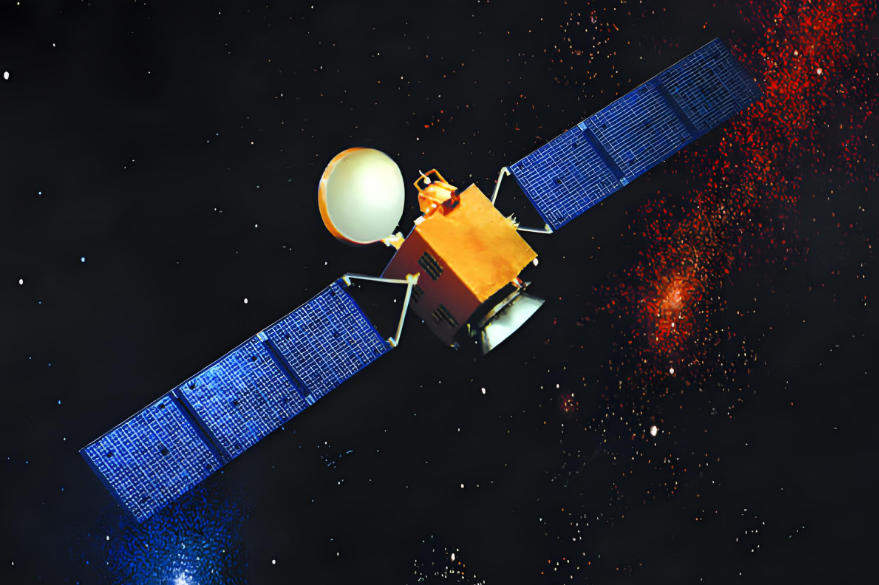
U.S. DHS and Canada's DRDC Plan Cross-Border 5G Drone Communication Experiment at the U.S.-Canada Border in November
en.Wedoany.com Reported - The U.S. Department of Homeland Security (DHS) and Canada's Defence Research and Development Canada (DRDC) plan to conduct a multi-day joint ACE-CASPER experiment at the U.S.-Canada border in November 2026, deploying autonomous drones and unmanned ground vehicles to transmit surveillance video and sensor data in real-time between the two countries using commercial 5G networks. In the participant solicitation document, DHS describes this experiment as "simulating a national emergency response scenario," where drones and ground vehicles will relay real-time footage back to bilateral command and control centers located at the border of both countries as they move across the boundary.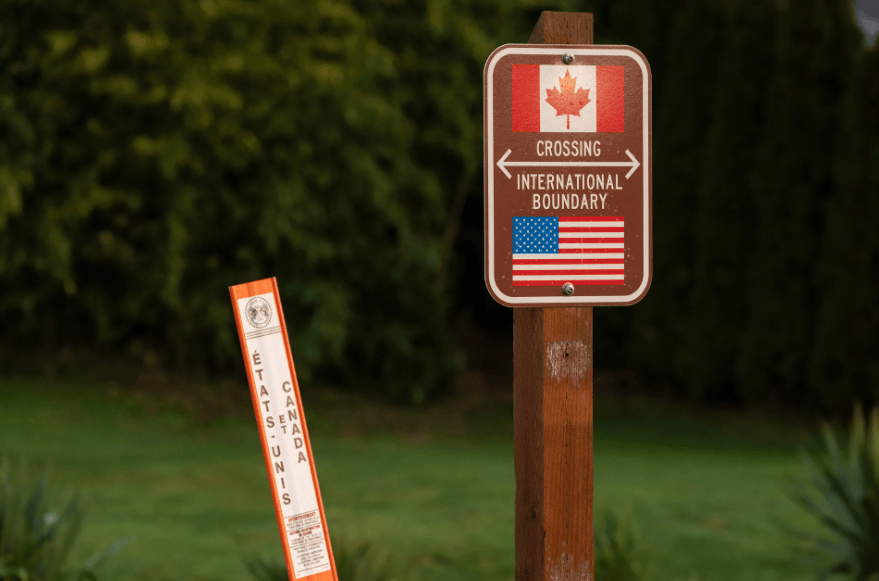
The DHS Science and Technology Directorate (S&T) and the DRDC Centre for Security Science (CSS) are co-leading this experiment. This marks the first joint cross-border technology exercise between the two nations in nearly a decade. Between 2011 and 2017, the U.S. and Canadian governments organized five cross-border exercises under the CAUSE project framework, which verified whether emergency responders could share radio, video, and data across the border. ACE-CASPER will build upon this by overlaying 5G network connectivity and unmanned system autonomy, advancing border technology collaboration from fixed communication interoperability to mobile, networked unmanned reconnaissance platforms.
The vendor solicitation document lists vehicle autonomy as a secondary objective, with the primary goal being the validation of "resilient, persistent 5G communication capabilities." Specifically, the experiment needs to verify session continuity between U.S. and Canadian 5G networks, meaning whether unmanned systems can achieve seamless handover between different operators' 5G base stations when crossing the border, maintaining continuous uplink of video streams and sensor data. The experiment will also test the smooth transfer of cross-border C2 control authority and real-time data interoperability between the two countries' situational awareness platforms. Participating companies must demonstrate that their unmanned systems support C2ISR capabilities, i.e., an integrated platform function for command and control and intelligence, surveillance, and reconnaissance.
DHS issued the vendor solicitation notice for this experiment through the federal procurement system on April 29, 2026, with a deadline of May 8. In 2025, an executive order signed by Trump restructured the federal government's domestic counter-drone program management architecture, placing S&T at the center of technology efforts. The executive order also mandated a preference for procuring U.S.-manufactured drones, and the FCC subsequently issued regulations prohibiting newly imported foreign drones from connecting to U.S. wireless networks. In May of this year, the National Urban Security Technology Laboratory under S&T released a counter-drone procurement tool, providing standardized purchasing guidance for Washington, D.C., and the 11 states hosting World Cup events.
This article is compiled by Wedoany. All AI citations must indicate the source as "Wedoany". If there is any infringement or other issues, please notify us promptly, and we will modify or delete it accordingly. Email: news@wedoany.com
Related Products
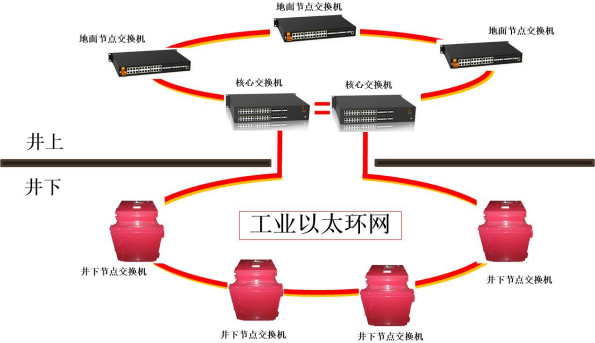

Mine Explosion-proof and Intrinsically Safe Industrial Ethernet Ring Network (10 Gigabit/Gigabit)
Chongqing Mas Sci&Tech Co., Ltd.


20 Inch 1600*900 Full HD 60Hz TFT LED Monitor with VGA and DP Interfaces for Desktop Computers-Business Use
Guangzhou Zanying Optoelectronics Technology Co., Ltd.
Multi-function Marine Monitoring Low-altitude Detection Radar Sea-air Boundary Ocean Dynamic Environment Measurement
Chengdu Dixin Technology Co., Ltd.
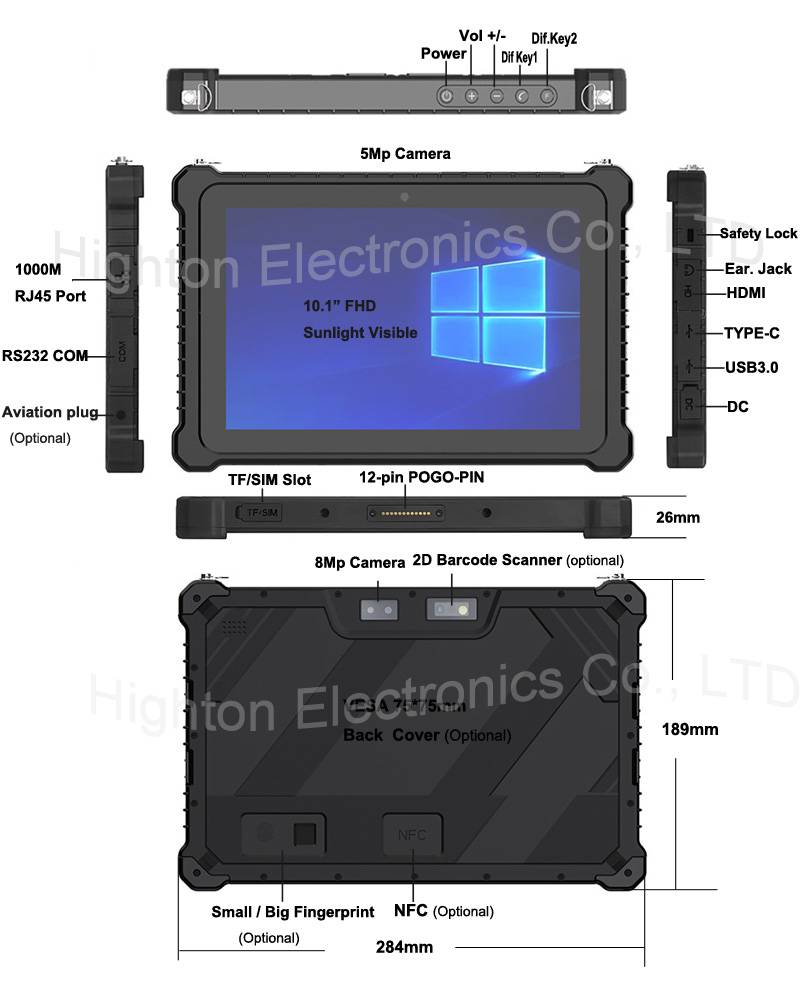
Hot Selling 10 Inch Intel N5100 I5 I7 FHD 8 +128GB 16+256GB Win10 Pro Win11 Pro 4G 5G Rugged Tablet PC Pad with NFC Barcode
Highton Electronics Co., Ltd.
TWP16 P-Band Tropospheric Wind Profile Radar
China Huayun Meteorological Technology Group Co., Ltd.