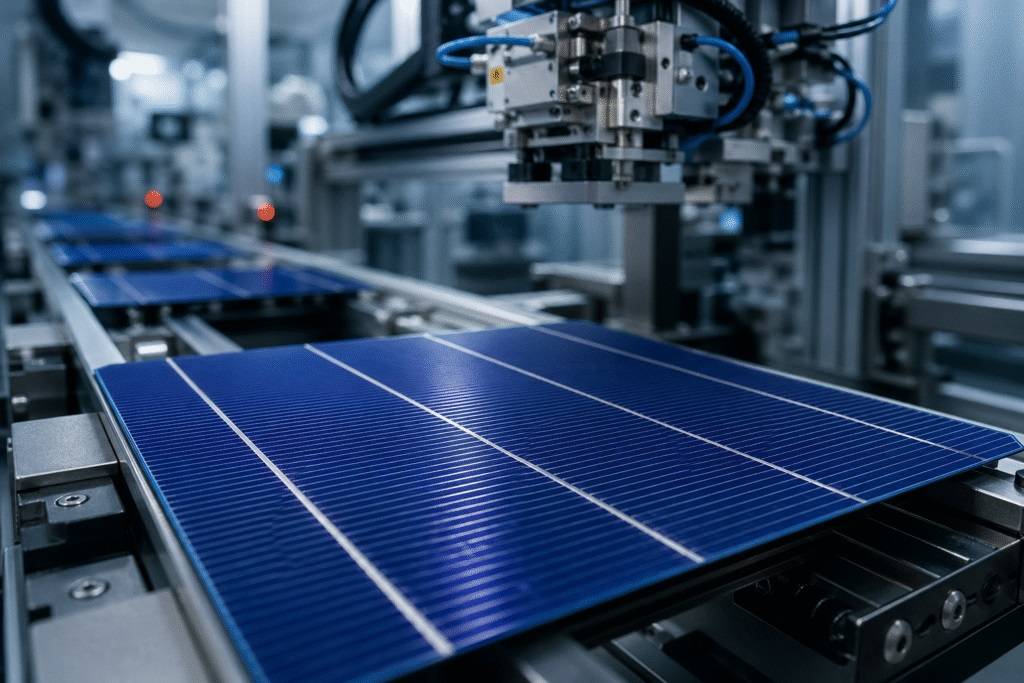
LUT University Finland Study: Solar PV-Driven CCUS Converts CO₂ into Profitable Materials
en.Wedoany.com Reported - A new study from LUT University in Finland shows that carbon capture, utilization, and storage (CCUS) processes powered by low-cost solar photovoltaic electricity can convert atmospheric carbon dioxide into profitable materials such as carbon fiber, silicon carbide, and graphene, while achieving substantial negative emissions.
Traditional carbon capture and storage (CCS) focuses on separating and storing carbon dioxide from fossil fuel exhaust gases without generating economic benefits; while carbon capture and utilization (CCU) can convert carbon dioxide into products, not all pathways achieve net negative emissions. LUT University researchers combined CCU with carbon dioxide removal (CDR) to form a CCUS framework, using captured carbon dioxide as a valuable feedstock to produce products with high permanence storage. Low-cost solar PV electricity ensures the sustainability of the entire process while making the products economically competitive.
The study selected three materials—carbon fiber, silicon carbide, and graphene—which have extremely high energy consumption and carbon emissions in traditional production value chains, yet feature rapid market growth, wide application, and strong resistance to degradation. Using direct air capture (DAC) systems to obtain carbon dioxide from the atmosphere and replacing fossil energy with cheap solar PV electricity, the study assessed their negative emission potential and economic benefits through mid-century.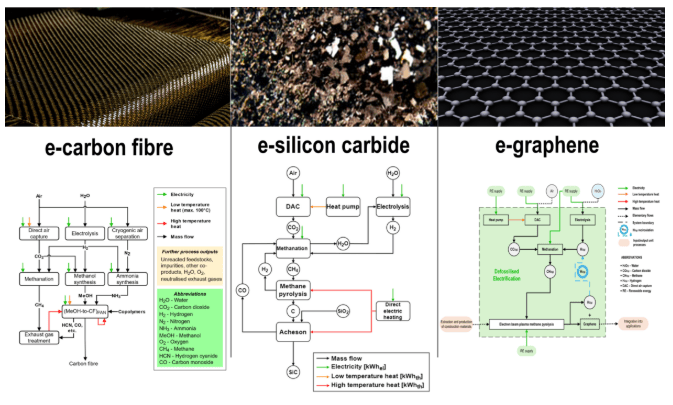
For carbon fiber, by 2050, the production cost of electricity-based carbon fiber (e-CF) is projected to be €10.3 per kilogram (approximately $12.1), with a carbon storage cost of €2,949 per tonne of CO₂, but an achievable profit of €1,461 per tonne of CO₂. Carbon fiber has a high carbon content, storing about 3.5 tonnes of CO₂ per tonne of product, with a total negative emission potential of at least 0.7 billion tonnes of CO₂ per year by 2050, and its reinforced concrete is expected to replace construction steel.
For silicon carbide, by 2050, the production cost of electricity-based silicon carbide (e-SiC) is projected to be €0.7 per kilogram, with a carbon storage cost of €303 per tonne of CO₂ and a profit of €259 per tonne of CO₂. If 50% of global construction sand is replaced by e-SiC, the CO₂ stored by 2050 could reach up to 13.6 billion tonnes per year; if only meeting global engineering ceramics demand, the negative emission potential is approximately 0.29 billion tonnes per year.
For graphene, the study compared two processes: chemical vapor deposition (CVD) and electron beam plasma methane (EBPM) pyrolysis. The CVD pathway produces high-quality graphene, but the carbon storage cost is as high as €24,402 per tonne of CO₂, with a production cost of €89.5 per kilogram, making it economically and energetically unattractive; the EBPM pyrolysis pathway has much lower energy requirements, with profits by 2050 reaching €2,351 per tonne of CO₂ (€8,621 per tonne of product). The final graphene product has a carbon content close to 99%, with a total storage potential of up to 2.57 billion tonnes of CO₂ per year by 2050.
The study also points out that the cumulative carbon dioxide removal deployment of the three e-materials could reach 843.5 billion tonnes by the end of the century, helping to progressively defossilize energy-intensive and high-carbon-emission industrial materials at the nano, micro, and macro scales. Furthermore, graphene as an additive for lithium-ion battery electrodes can enhance battery performance and alleviate supply chain pressures for critical raw materials like lithium; these technological pathways also provide ideas for the defossilization of steel manufacturing and the chemical industry.
The study was jointly completed by Maheshika H.K. Premarathna, Dominik Keiner, and Christian Breyer, and is part of LUT University's monthly column. LUT University's research covers multiple fields including power, heat, transport, industry, desalination, and carbon dioxide removal, with Power-to-X research and solar technology at its core.
This article is compiled by Wedoany. All AI citations must indicate the source as "Wedoany". If there is any infringement or other issues, please notify us promptly, and we will modify or delete it accordingly. Email: news@wedoany.com
Related Products


TAI Slew-drive Single-axis Independent 1P Tracking Bracket System
ANTAI TECHNOLOGY CO., LTD.
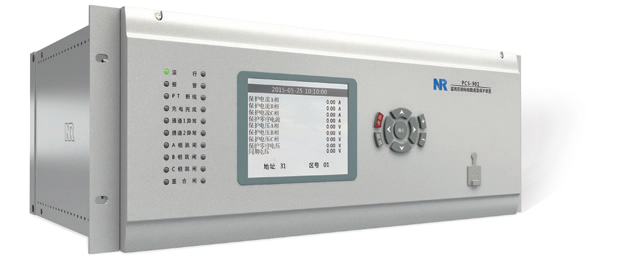
PCS-901 Series Ultra (Extra) High-voltage Transmission Line Complete Protection Device
Nanjing NR Electric Co., Ltd.
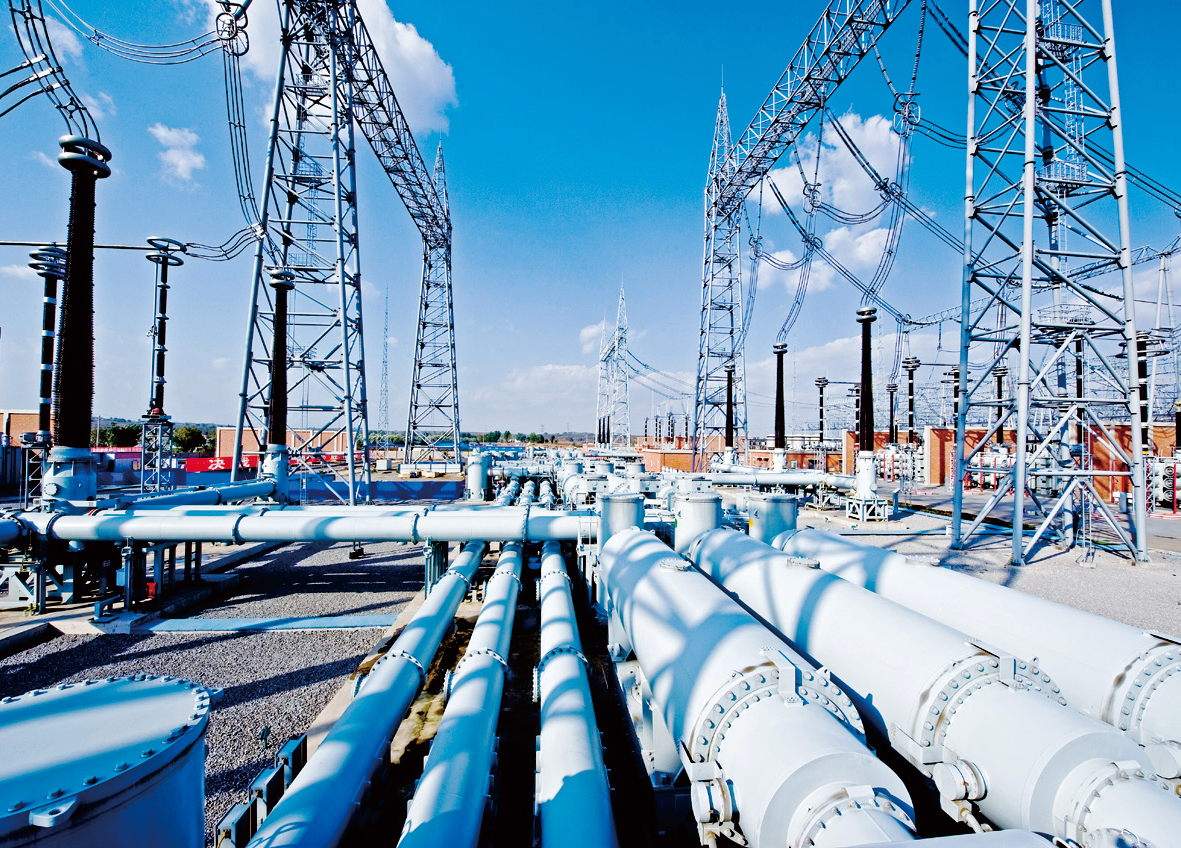
40.5kV-1100kV Gas Insulated Metal-Enclosed Switchgear (GIS)
Henan Pinggao Electric Co., Ltd.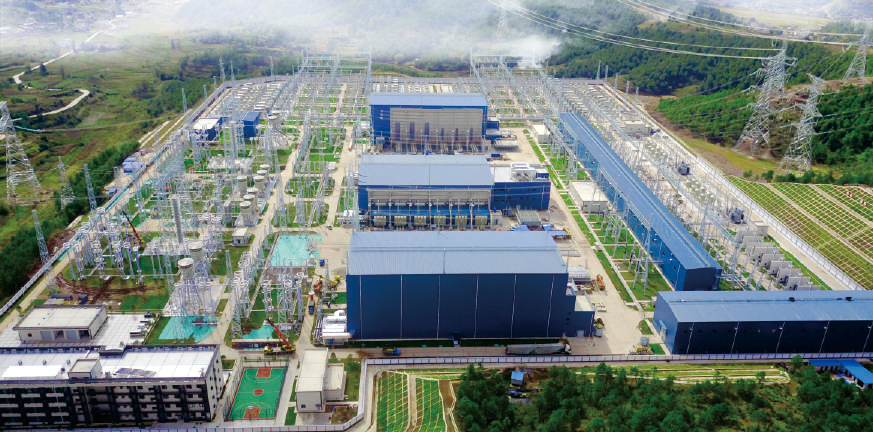
High-voltage Direct Current (HVDC) Transmission System Research and Integrated Design
XI'AN XD POWER SYSTEMS CO., LTD.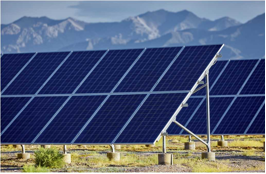
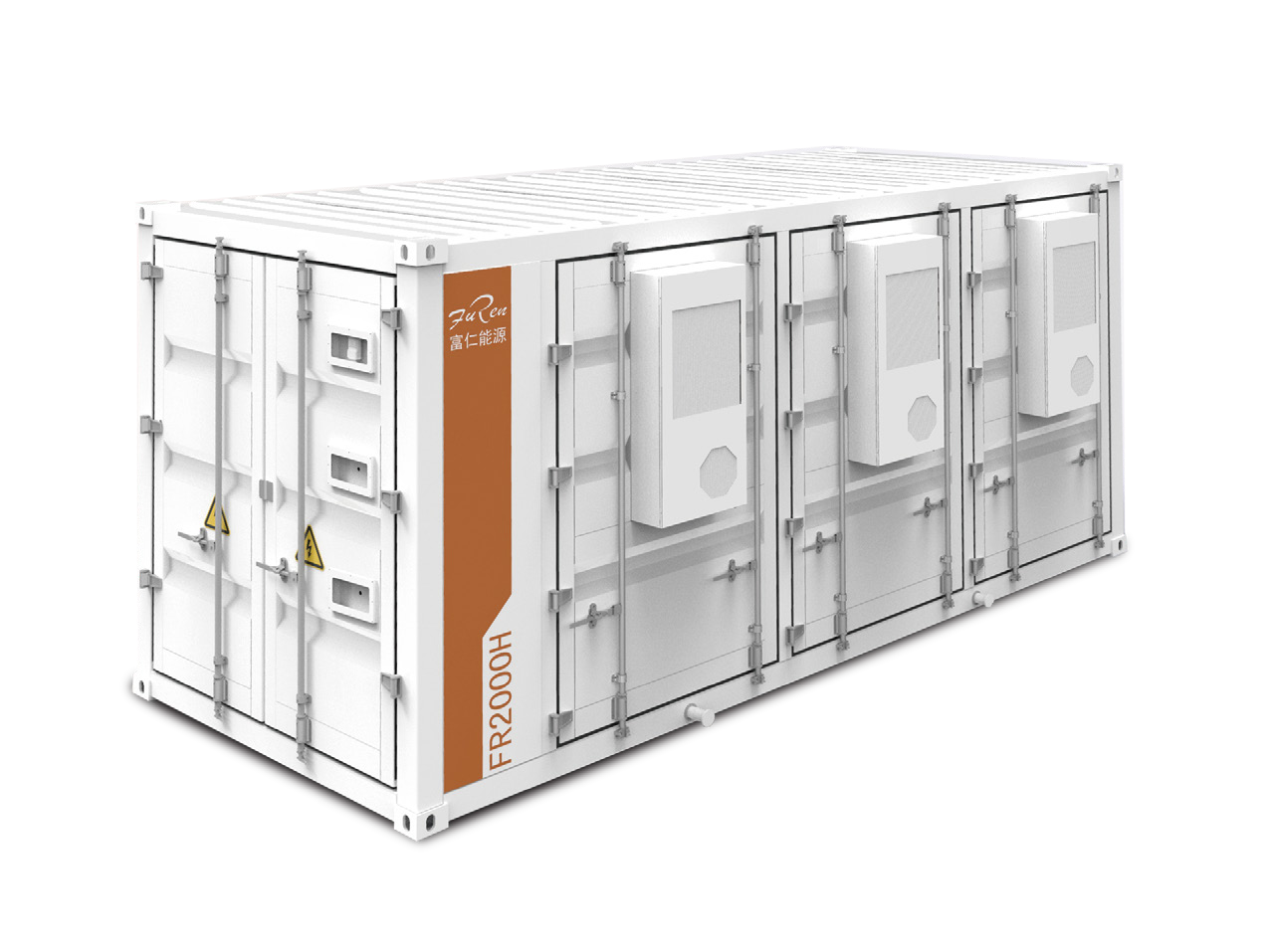
FR2000H 2.15MWh (Air-cooled) 20-foot Containerized Energy Storage System
Jiangyin Furen High-tech Co., Ltd.