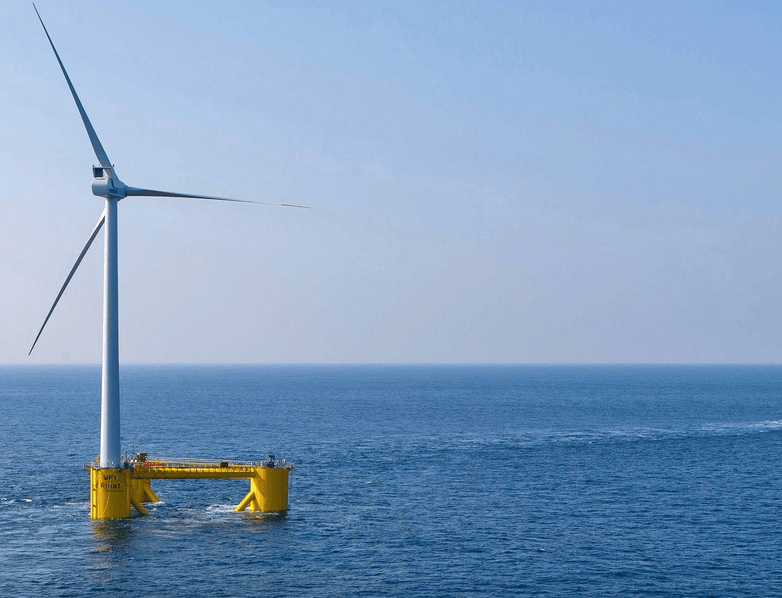
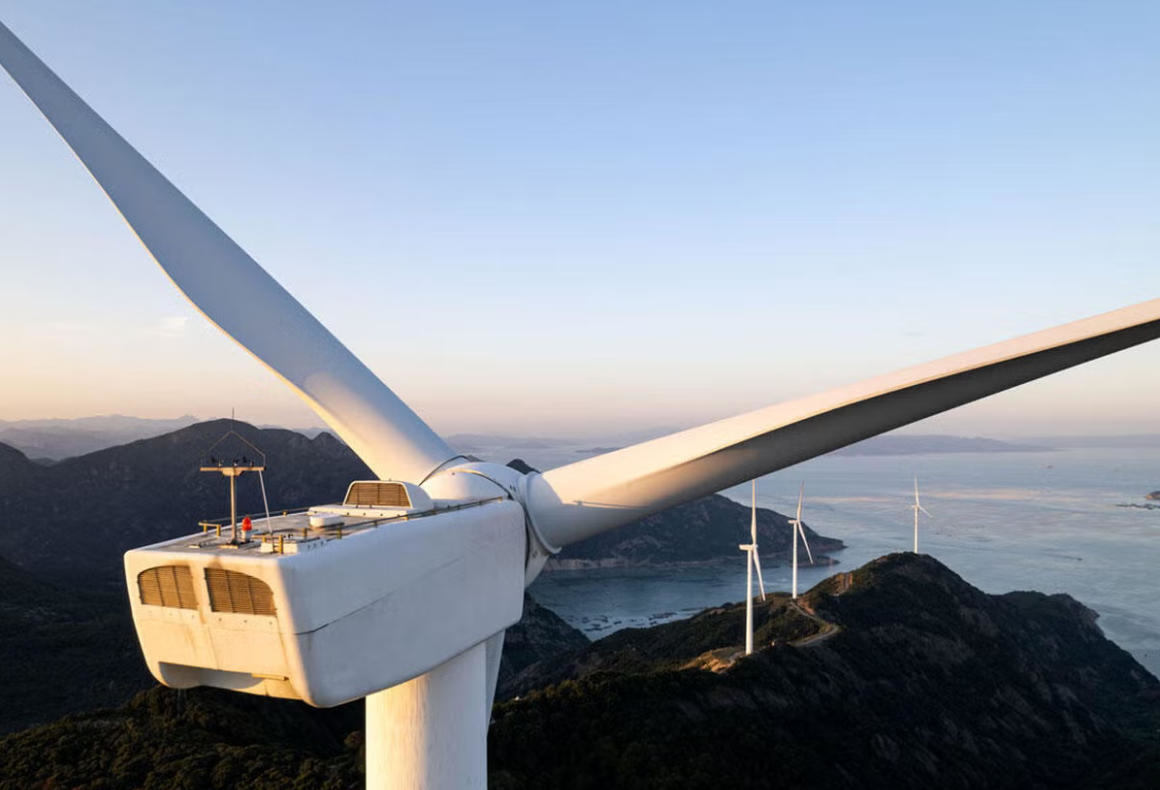
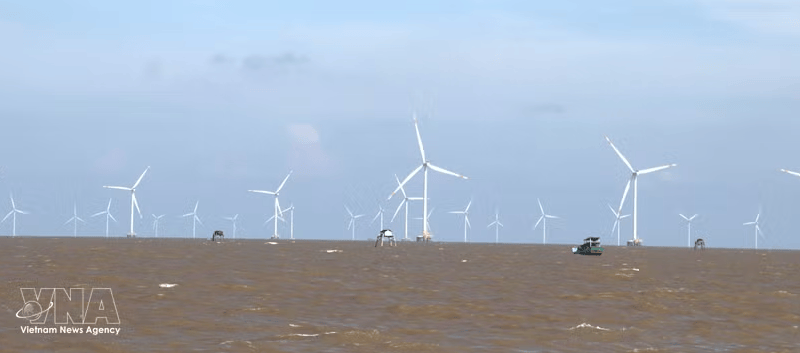
The rapid integration of new energy sources such as solar power, wind power, and energy storage is reshaping the traditional operating logic of power grids. In the past, grids mainly functioned as one-way power transmission and distribution systems, with relatively stable power supply and demand-driven electricity consumption. However, in new energy integration scenarios, the relationship among power sources, loads, energy storage systems, and user-side equipment has become more complex. Power grids now need stronger capabilities in energy absorption, regulation, and safety control. Therefore, grid upgrades driven by new energy integration are not merely about increasing equipment capacity; they are systematic engineering upgrades aimed at improving grid stability.
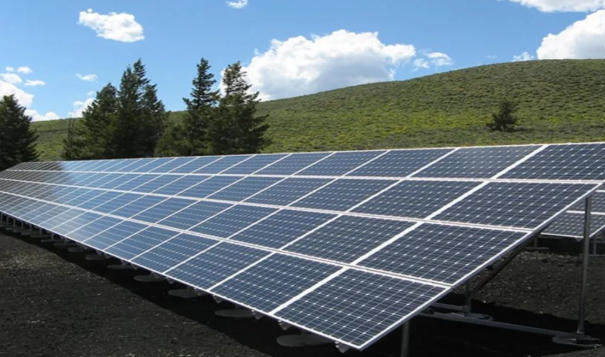
For project owners and power users, the most direct challenge of new energy grid integration is intermittency. Solar power output is affected by sunlight, while wind power output depends on changes in wind speed. Unstable generation can easily lead to voltage fluctuations, frequency disturbances, and power quality issues. Some projects may also face insufficient grid connection capacity, limited line carrying capacity, and inadequate transformer margins, which may prevent projects from connecting to the grid smoothly after completion or restrict power absorption after grid connection.
Another common issue is reverse power flow and mismatched protection configuration. After distributed solar power and energy storage systems are connected, some local areas may shift from being “power consumers” to “power generators.” If the original protection devices, metering devices, and dispatching systems are not upgraded accordingly, problems such as incorrect protection actions, difficult fault location, and poor visibility of operating status may occur. For industrial parks, commercial and industrial rooftop solar projects, new energy power stations, and microgrid projects, these issues can affect both project returns and operational safety.
To solve these problems, grid connection assessment should be the first step. Before project construction, it is necessary to conduct a comprehensive analysis of grid connection capacity, line loading rate, short-circuit capacity, voltage level, load curves, and new energy output characteristics to determine whether the existing grid is ready for integration. Project developers should not only consider installed capacity, but also whether the grid can carry the load, regulate power flows, and operate safely.
Second, key equipment should be upgraded systematically. For centralized new energy power stations, equipment such as step-up transformers, switching station equipment, grid-connected cabinets, relay protection devices, metering devices, and dispatching communication equipment is usually required. For distributed solar power and commercial and industrial energy storage projects, more attention should be paid to inverter supporting equipment, low-voltage grid-connected cabinets, distribution cabinets, protection switches, and power quality monitoring devices. If there are problems such as voltage fluctuations, insufficient power factor, or weak reactive power regulation capability, SVG systems, reactive power compensation devices, and filtering equipment should also be configured to improve system stability.
Energy storage is also an important part of grid upgrades for new energy integration. Energy storage systems can absorb electricity during peak new energy output periods and release electricity during peak load periods or when renewable output is insufficient, helping to reduce grid connection impacts and improve new energy absorption capacity. In scenarios such as industrial parks, factories, charging stations, and microgrids, energy storage can also be combined with energy management systems to support peak shaving, backup power, demand control, and energy optimization.
At the same time, grid upgrades should not overlook digital monitoring and intelligent dispatching. By installing smart meters, online monitoring terminals, power quality analysis devices, and distribution automation systems, project owners can monitor voltage, current, power factor, harmonics, equipment temperature, and operating status in real time. This helps detect abnormalities promptly and reduce manual inspection costs and downtime caused by failures.
From an industry opportunity perspective, grid upgrade demand brought by new energy integration will continue to create market space for suppliers of transformers, switchgear, grid-connected cabinets, energy storage systems, SVG systems, relay protection devices, metering and communication equipment, and intelligent operation and maintenance platforms. Design institutes, EPC contractors, distribution automation companies, and integrated energy service providers can also offer comprehensive solutions around “new energy access + grid upgrading + intelligent operation and maintenance.”
Overall, grid upgrades in the context of new energy integration are not simply about capacity expansion. The core goal is to enable power grids to achieve stronger connection capability, regulation capability, and safe operation capability. Companies that can integrate equipment selection, grid connection assessment, system protection, energy storage configuration, and intelligent operation and maintenance will gain more engineering opportunities in the development of new power systems.