A Procurement Guide for Commercial and Industrial Energy Storage Systems
Commercial and industrial energy storage projects involve equipment, design, construction, grid connection, fire protection and operation and maintenance. Companies should not make procurement decisions based only on price. Many project problems occur not because companies fail to buy storage equipment, but because requirements are unclear, proposals are not properly compared and contract boundaries are not well defined.
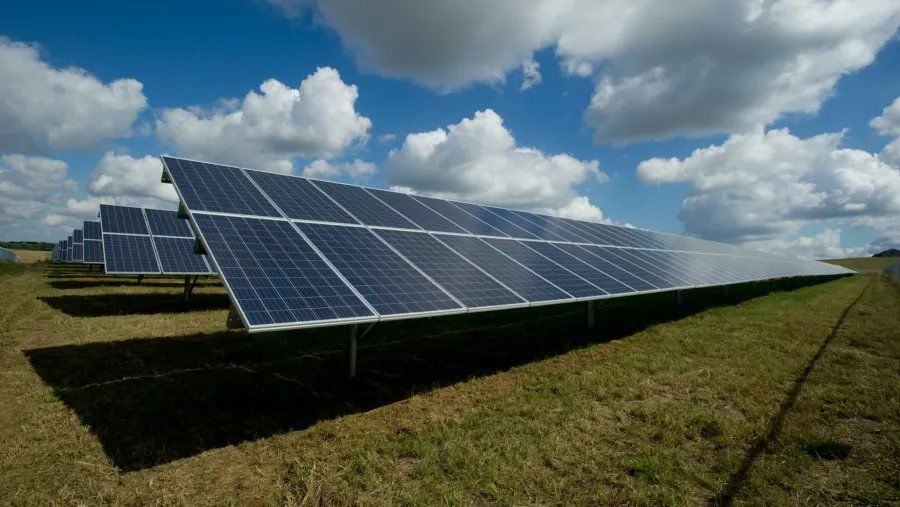
Before purchasing a storage system, companies should first clarify the project goal. Is the purpose to reduce peak electricity costs, support rooftop solar, ease transformer expansion pressure or improve power stability? Different goals require different system capacities, power configurations, operating strategies and investment logic. If the goal is unclear, a supplier’s proposal may look complete but fail to match the actual need.
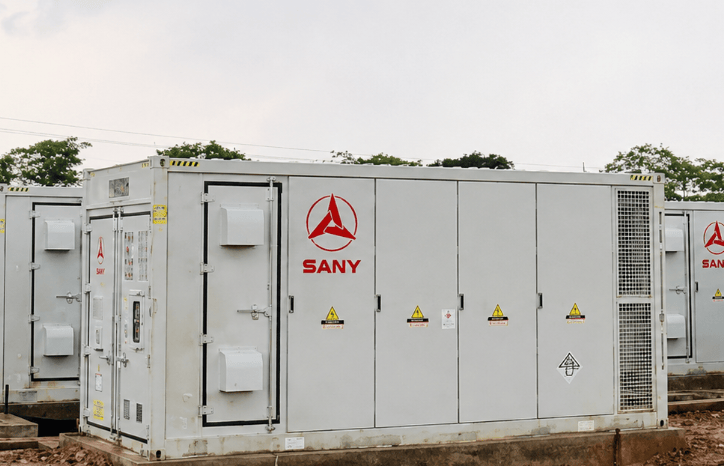
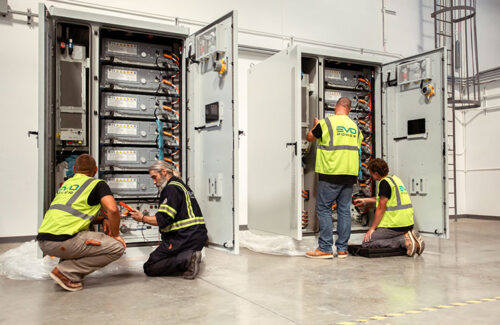
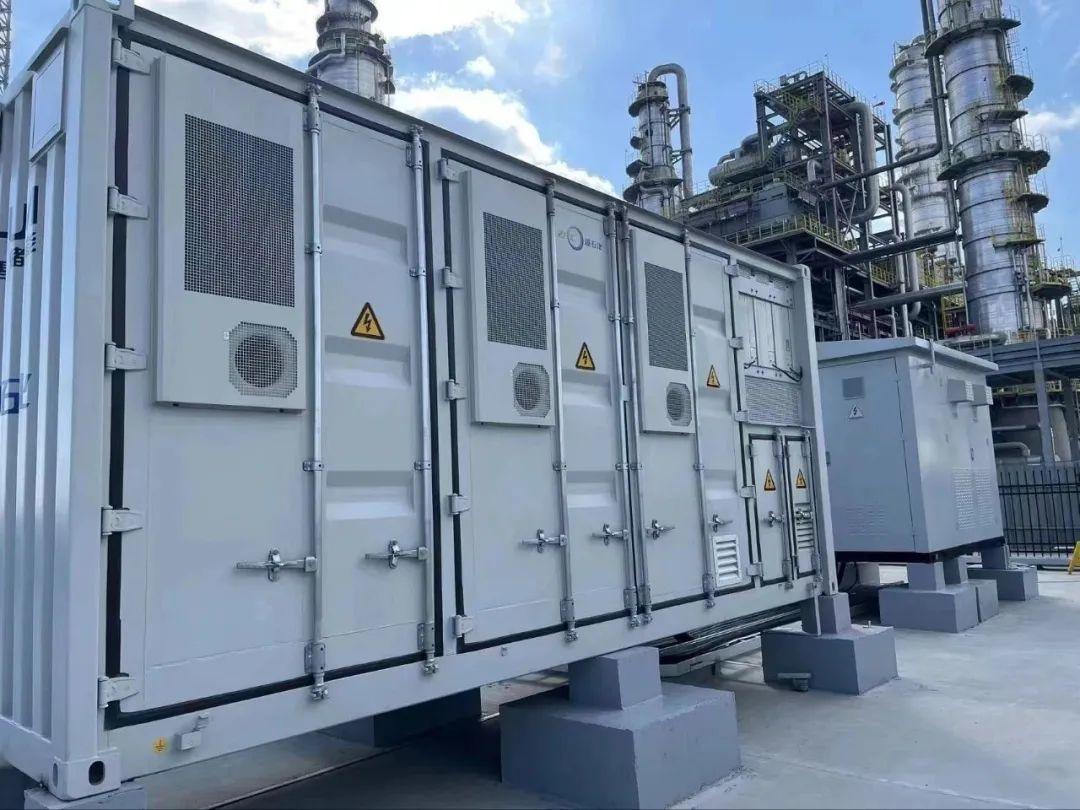
Second, companies should carefully check what is included in the quotation. A commercial and industrial energy storage system is not only a battery cabinet. It may include PCS, EMS, BMS, fire protection, cooling, distribution equipment, monitoring systems, installation, commissioning, grid connection services and maintenance. Companies should confirm whether construction, transportation, lifting, fire protection modification, grid connection procedures and future inspections are included, so that unexpected costs can be avoided.
Third, companies should compare usable capacity rather than only nominal capacity. Nominal capacity is the theoretical capacity of the equipment, while usable capacity is the actual energy that can be dispatched. Different systems may vary in depth of discharge, system efficiency, battery degradation and operating strategy. Companies should not judge a solution only by price per kilowatt-hour.
Fourth, safety and warranty responsibilities must be clearly defined. Companies should confirm battery warranty period, system warranty scope, performance degradation standards, fault response time, fire protection configuration, remote monitoring service and maintenance responsibility. If the contract only covers equipment supply without defining system performance and service boundaries, disputes may occur later.
Fifth, companies should review the supplier’s real project experience. Commercial and industrial energy storage is a system engineering project. Distribution conditions, installation space, fire protection requirements and operating modes differ from site to site. Suppliers with real delivery experience are more capable of managing risks in design, construction, grid connection and maintenance.
Before procurement, companies can prepare a requirement list, including electricity bills from the past year, load curves, time-of-use tariffs, transformer capacity, photovoltaic capacity, site photos, project goals and budget range. The more complete the information, the more accurate the supplier’s proposal will be.
The key to purchasing commercial and industrial energy storage is not finding the lowest price. It is finding a safe, reliable and suitable system solution for the company’s own power consumption scenario. For companies, it is more important to clarify goals, configuration, responsibilities, safety and service than simply pushing the price lower.
Related Products

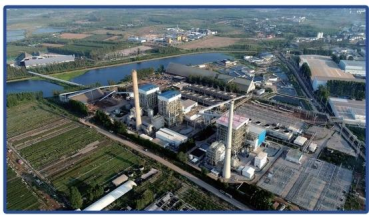
Hydrogen production and hydrogenation charging refueling gas integrated energy station
Shenzhen Kohodo Hydrogen Energy Co., Ltd.
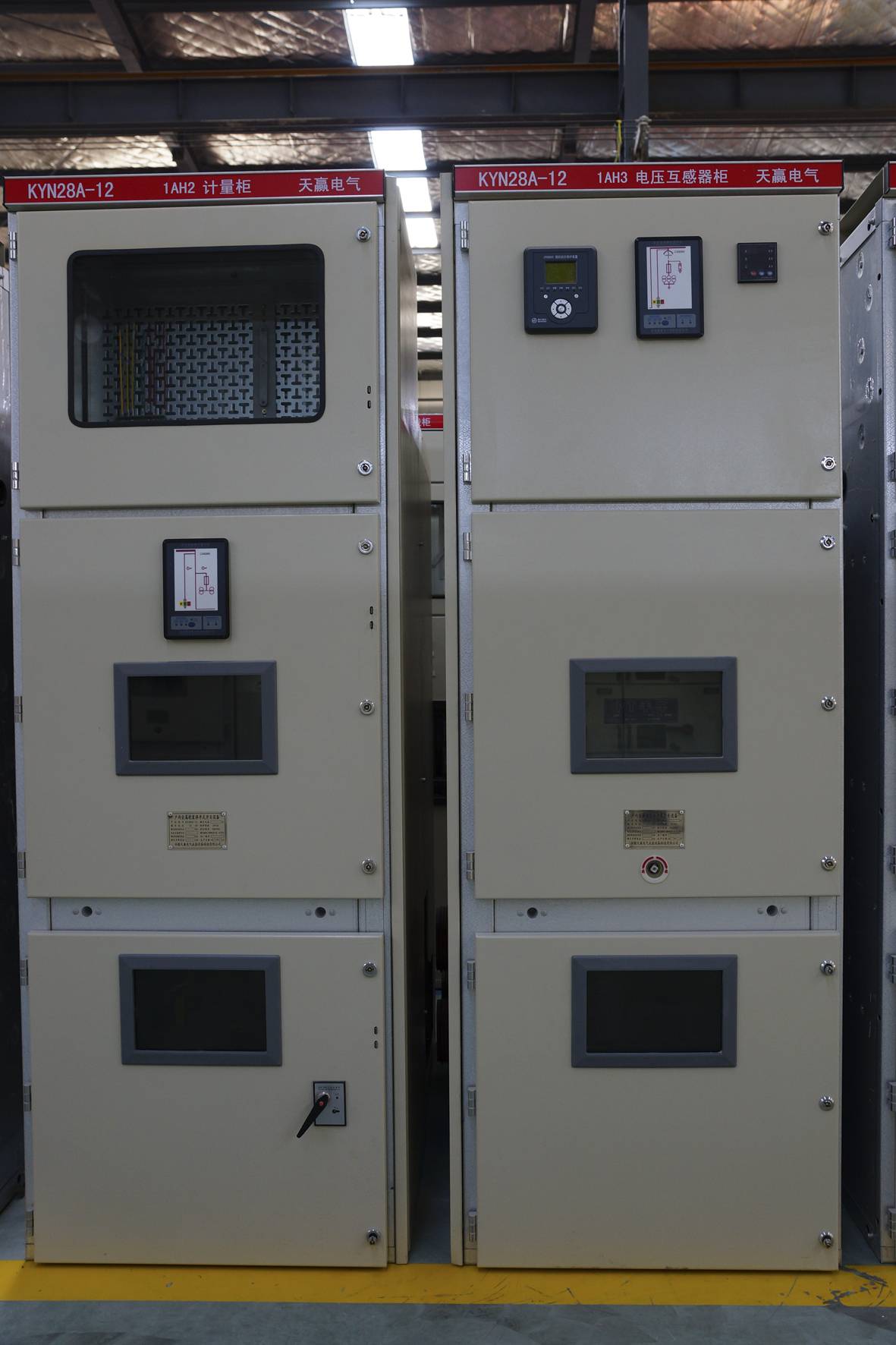
KYN28 - High Voltage Switchgear
Anhui Tianying Electrical Equipment Manufacturing Co., Ltd.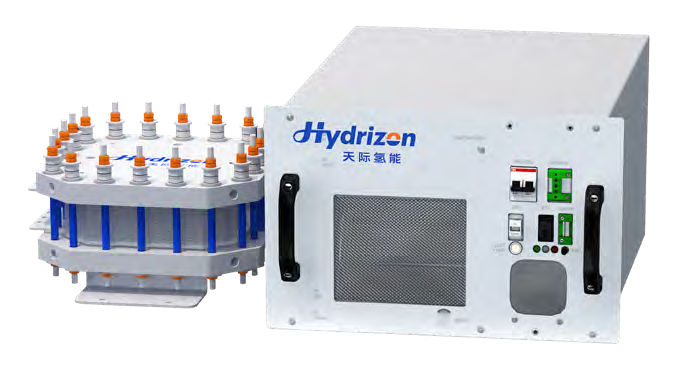
HI-Pro Green Hydrogen High-efficiency Production System-HI-PRO-AEM
Hydrizon Technology (Beijing) Co., Ltd.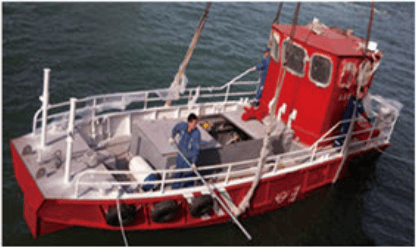
Electromagnetic Fluid Seawater Floating Oil Separation and Recover Equipment
Huate Magnet Group Co., Ltd.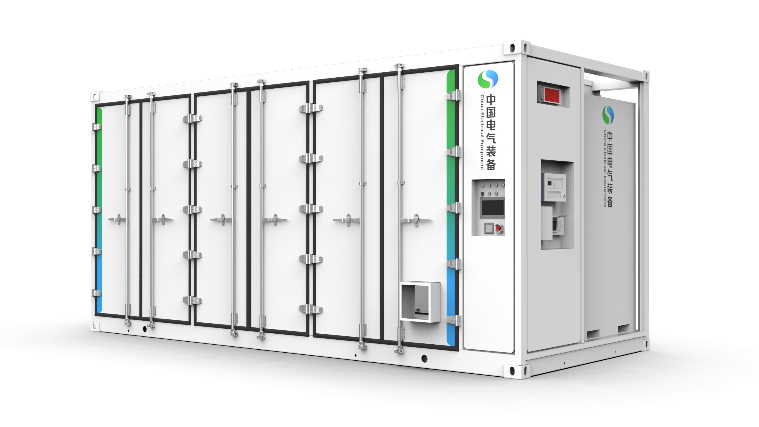
MESS8201-2507/5015-BN Prefabricated Liquid-cooled Energy Storage Battery Container
Xuchang Xuji Electric Science Energy Storage Technology Co., Ltd.


G.652.D Wavelength-extended Non-dispersion Shifted Single-mode Optical Fiber
HONGAN GROUP CO., LTD.
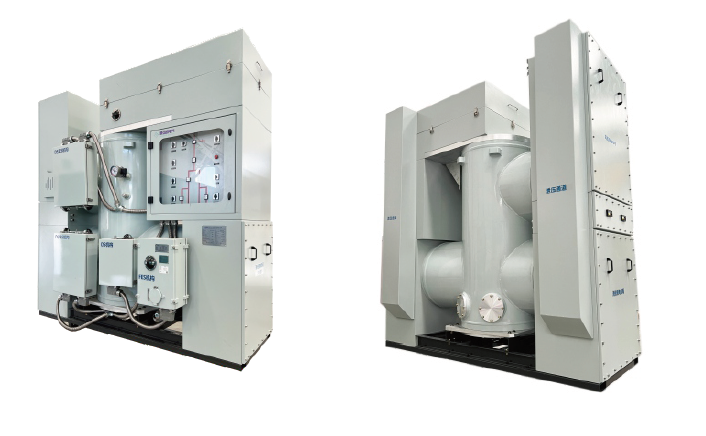
72.5kV 1250A 31.5kA SF6 free Gas-insulated Metal-enclosed Switchgear
Zhejiang Juhonkia Intelligent Electric Co., Ltd.