Why Industrial Parks Need Commercial and Industrial Energy Storage
In the past, many companies built commercial and industrial energy storage systems mainly to reduce their own electricity costs. In industrial park scenarios, however, the value of energy storage is no longer limited to cost reduction for a single company. It can support integrated energy management across the entire park.
Industrial parks usually include many production companies, warehouses, office buildings, charging facilities and supporting services. Different users have different power consumption times, load levels and energy needs. Some companies have high daytime loads, while others operate at night. Some have rooftop solar systems, while others use high-power equipment. Some focus on electricity cost reduction, while others need power stability. If each company manages energy separately, resource utilization may not be efficient.
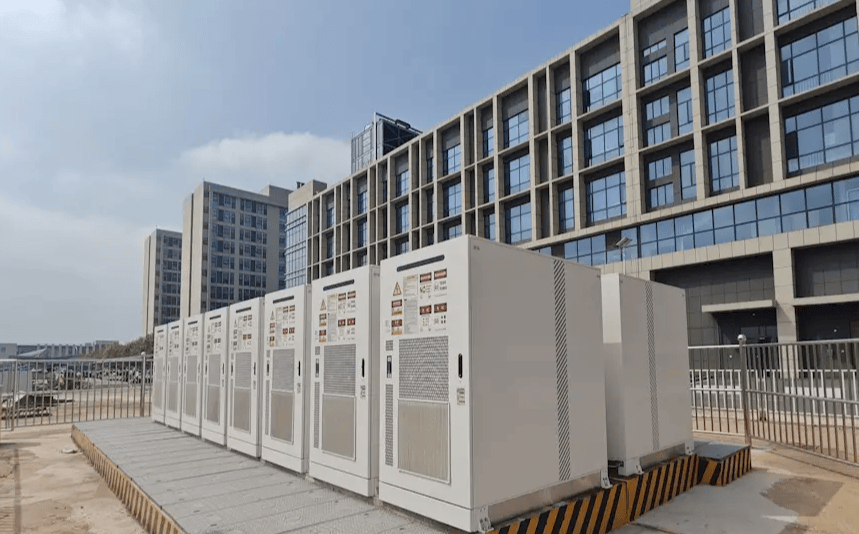
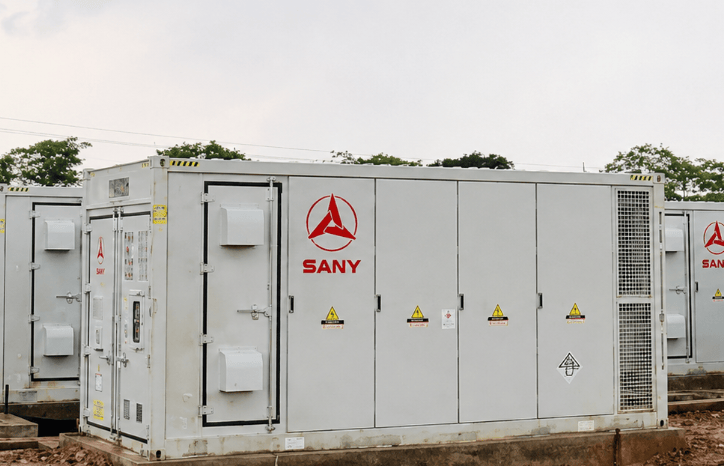
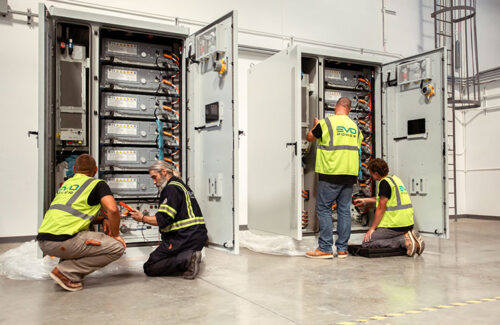
Park-level energy storage can coordinate power resources across a wider area. With an energy storage system and an energy management platform, the park can monitor and dispatch photovoltaic generation, enterprise loads, charging station loads, public facility loads and grid tariffs. The storage system can charge during low-price periods or when solar power is abundant, and discharge during park-wide peak load periods, reducing overall peak pressure.
For parks with limited distribution capacity, energy storage can help ease expansion pressure. During investment attraction and tenant expansion, parks may face increasing electricity demand from new companies, while existing transformers and distribution facilities may be insufficient. Relying only on grid expansion can take time and require large investment. Energy storage can smooth part of the load and provide more flexibility for park development.
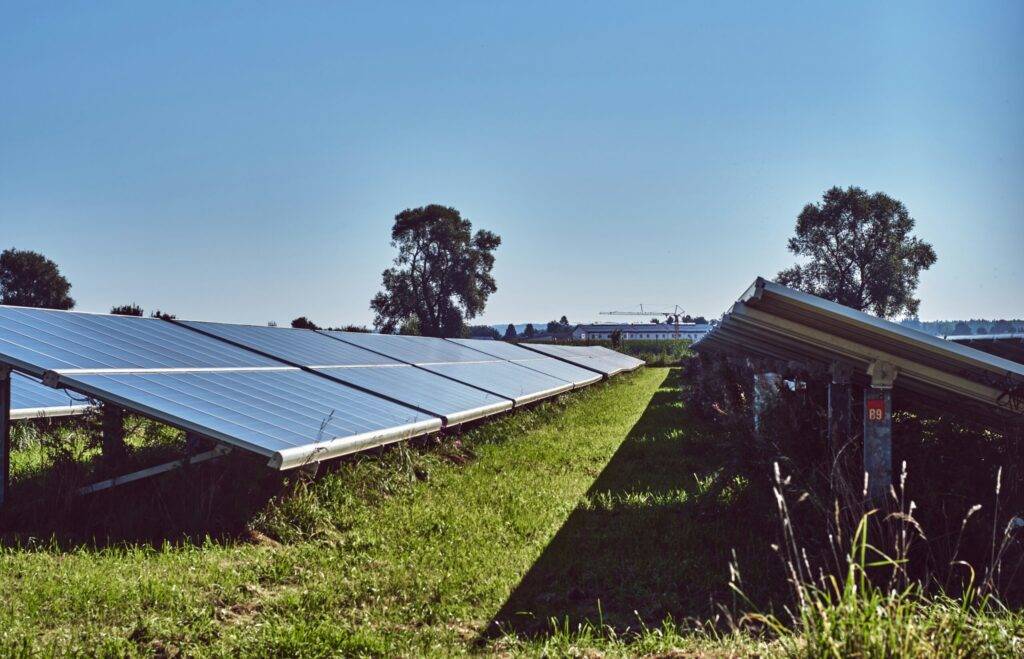
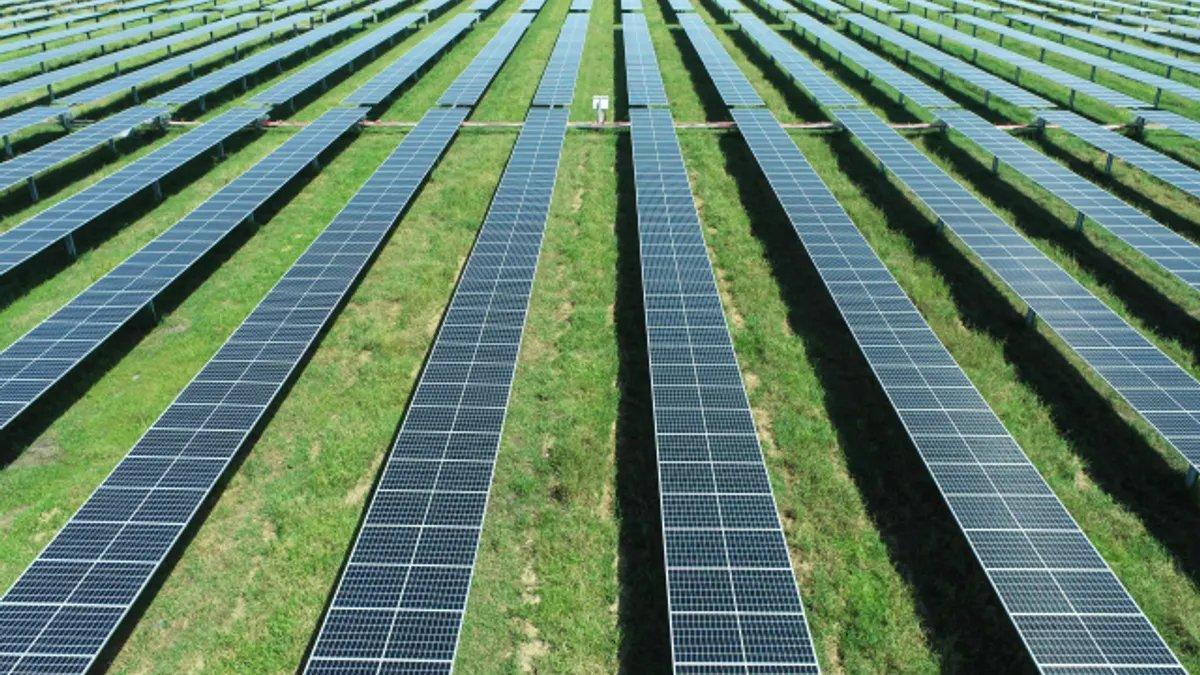
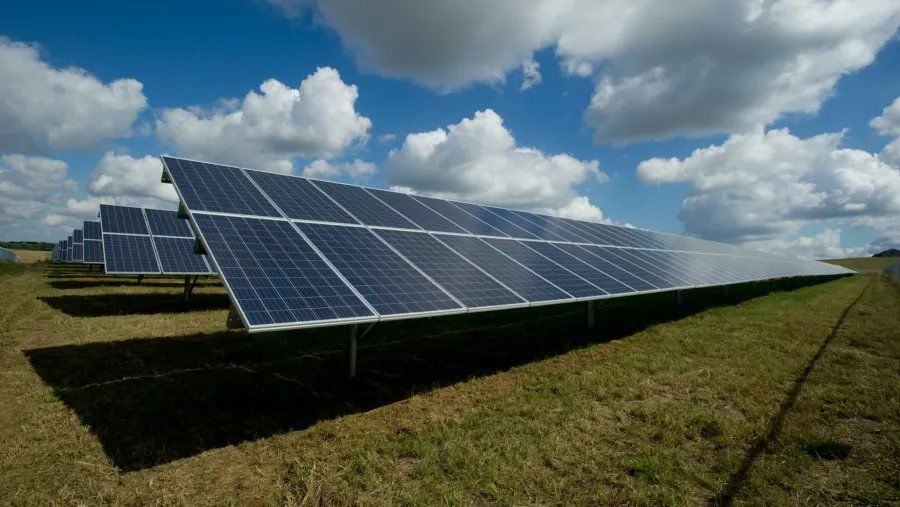
Park-level storage can also work with solar power, charging stations and microgrids. For example, rooftop solar generation may be high during the day, and storage can absorb surplus green electricity. When electric vehicles charge intensively, storage can support power supply and reduce instantaneous load impact. In suitable scenarios, parks can also explore integrated source-grid-load-storage systems to improve energy autonomy.
However, park-level storage is more complex than a single-user project. It involves multi-user metering, benefit allocation, investment ownership, grid connection conditions, dispatch rules, safety responsibilities and operation management. Before project construction, it must be clear whether the storage system serves public loads, a single company or multiple users.
For industrial parks, commercial and industrial energy storage represents an upgrade from individual power optimization to park-wide energy coordination. For operators that want to improve investment attraction, reduce overall energy costs and develop green or smart parks, energy storage is becoming an important infrastructure.
Related Products


Electromagnetic Fluid Seawater Floating Oil Separation and Recover Equipment
Huate Magnet Group Co., Ltd.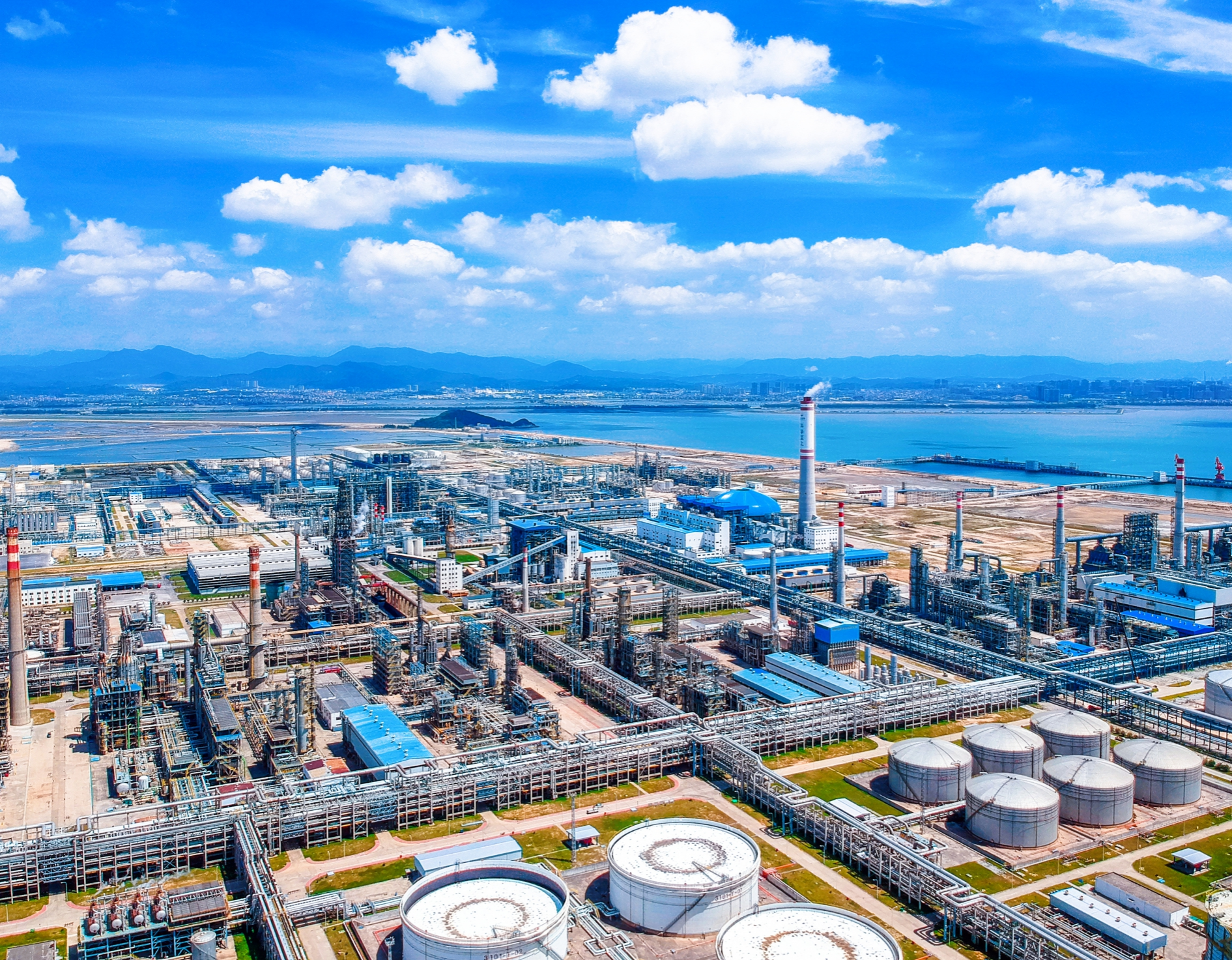
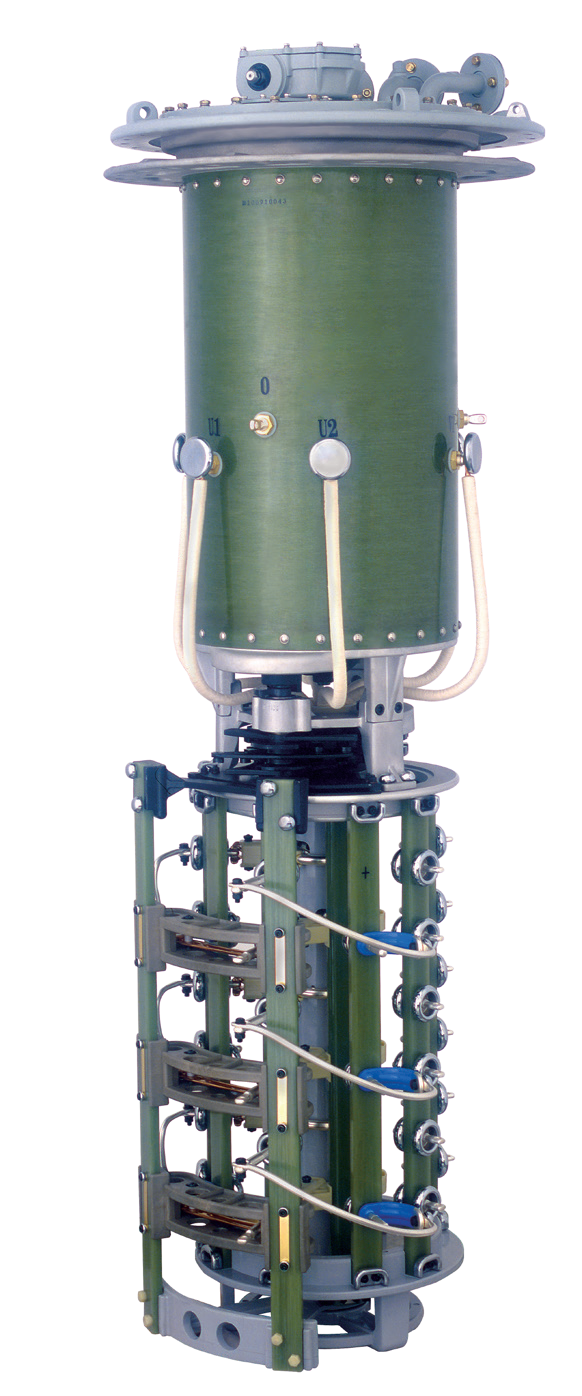
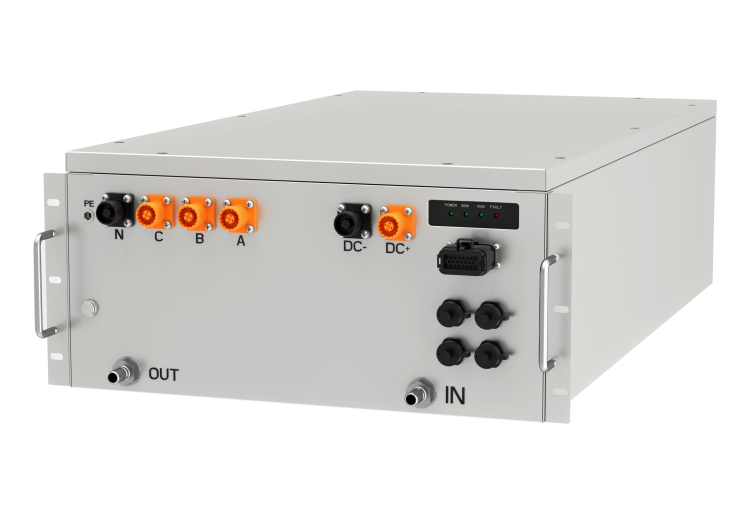
Mars (Liquid Cooling) Series Industrial and Commercial Energy Storage Converter High Protection Module
Shenzhen Winline Technology Co., Ltd.
Bidirectional Metal Hard Sealed Seawater Butterfly Valve
Henan Quanshun Flow Control Science & Technology Co., Ltd.
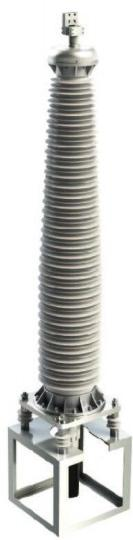
220kV Composite Outdoor Cable Terminal
Shenyang Guolian Cable Accessories Manufacture Co., Ltd.
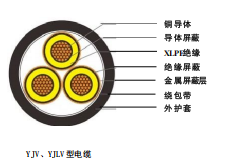
Rated Voltage 6-35kV Cross-linked Polyethylene Insulated Power Cable
TONGDING INTERCONNECTION INFORMATION CO., LTD.