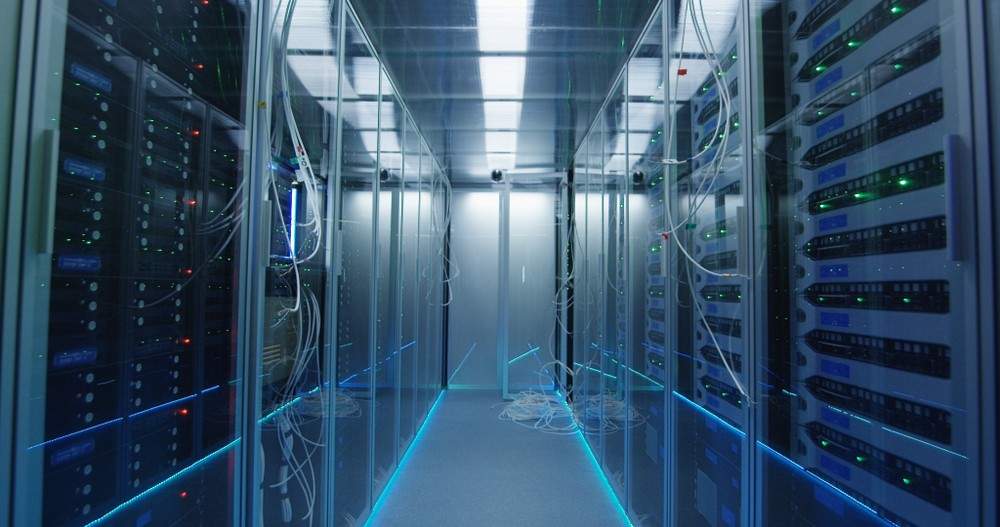
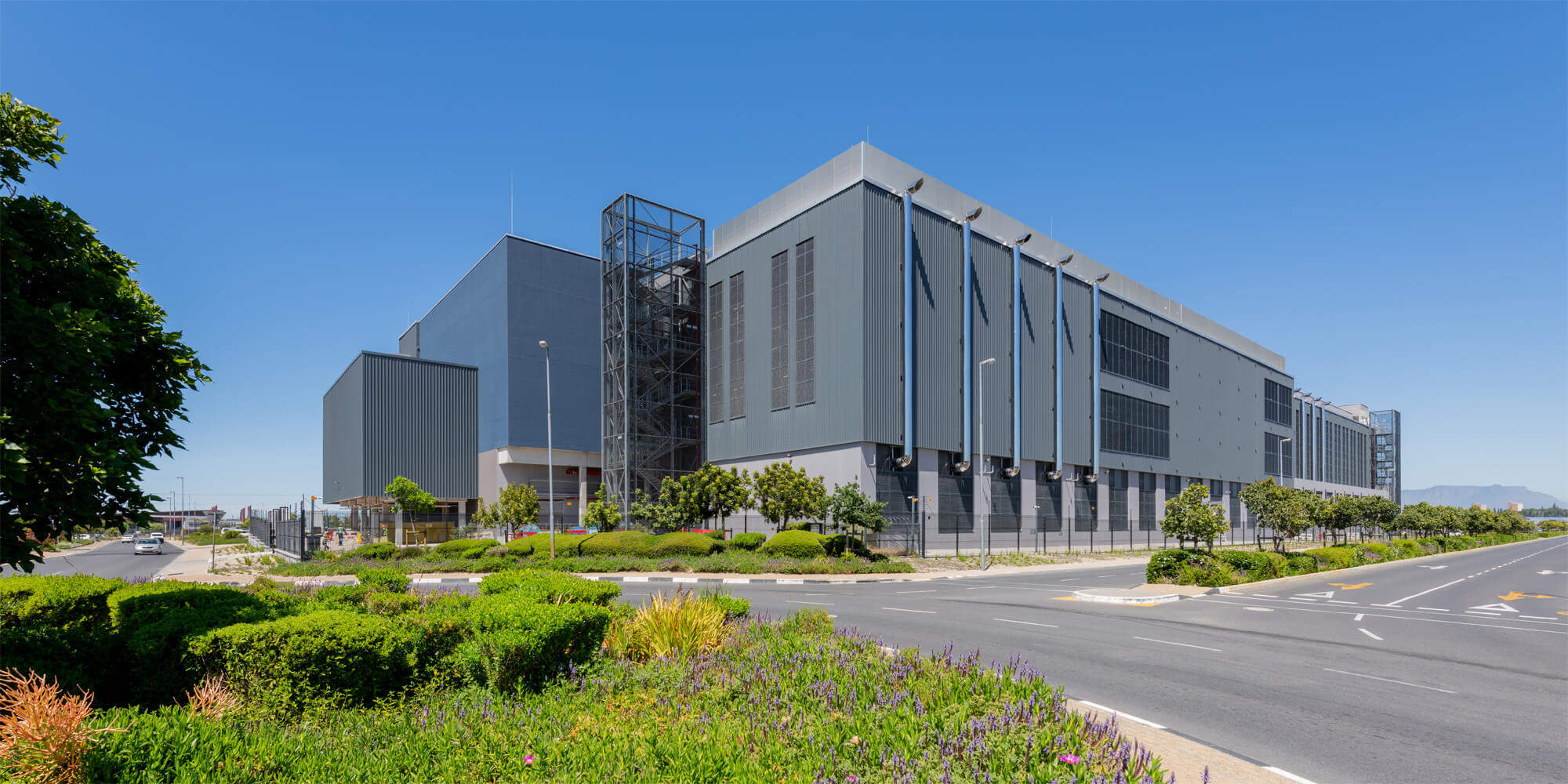
en.Wedoany.com Reported - India's second-largest telecom operator, Bharti Airtel, announced its fourth-quarter earnings on May 14. During the earnings call, Executive Vice Chairman Gopal Vittal revealed that the company plans to deploy 56 edge data centers over the next 18 to 24 months and significantly increase its data center installed capacity from the current 300 megawatts to 1 gigawatt. Concurrently, Airtel is accelerating its migration to a 5G Standalone architecture to unlock core capabilities such as network slicing and ultra-low latency.
Vittal stated that Airtel's current share in the Indian data center market is approximately 10% to 12%, which is far from matching the company's overall size and scale, necessitating significantly increased investment in this area. He explicitly set the company's goal to reach gigawatt-level capacity and will continue expanding over the next two to three years. Data center demand in India is highly concentrated in Mumbai, which accounts for 50% to 60% of the national demand, meaning land acquisition and facility construction will remain key priorities for Airtel.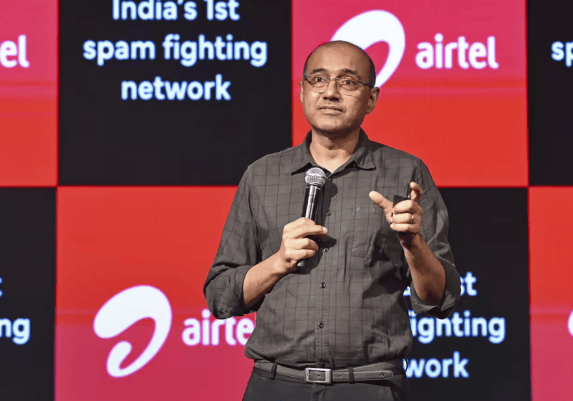
The capital foundation for the data center expansion is already in place. Airtel's data center subsidiary, Nxtra, officially announced on March 30, 2026, that it had secured $1 billion in strategic financing. The round was led by Alpha Wave Global with an investment of $435 million, with existing investor The Carlyle Group contributing an additional $240 million, Anchorage Capital investing $35 million, and the remainder injected by Airtel itself. Following the transaction, Nxtra is valued at approximately $3.1 billion, with Airtel retaining its controlling stake.
Nxtra currently operates 14 large core data centers and over 120 edge facilities, offering a full suite of services including colocation, cloud infrastructure, managed services, data backup, disaster recovery, and edge computing. The company is developing next-generation AI-ready data center campuses in Chennai, Mumbai, and Kolkata, and is collaborating with Google to build a gigawatt-scale AI data center campus, with a total project investment of $15 billion.
On the 5G network side, Airtel is migrating from a Non-Standalone mode to a Standalone architecture. Previously, Airtel's 5G services relied on the 4G core network, whereas Standalone uses a native 5G core, eliminating the need for coordination with 4G systems and unlocking lower network latency and network slicing capabilities. Airtel began pushing 5G Standalone upgrades to users in February 2026, which now cover both mobile and home broadband services. In Eastern Uttar Pradesh, Airtel has deployed over 4,300 new 5G sites in the past 12 months.
The acceleration towards Standalone migration is driven by competitive pressure. Airtel's main competitor, Reliance Jio, has used a Standalone architecture since launching its 5G services, giving it a first-mover advantage in network performance metrics. Airtel is currently adopting a phased rollout strategy; Vittal previously stated publicly that the company would prioritize user experience quality and would not rush deployment merely for the sake of a technology label.
The long-term partnership with Nokia forms the underlying support for Airtel's network evolution. The two parties have expanded the scope of their core network cooperation, with Nokia providing Airtel with a converged packet core solution tailored for Standalone, simplifying the network architecture and reducing operational costs while meeting continuously growing data demands. Vittal further noted during the earnings call that the company's capital expenditure on the wireless side in the Indian market is slowing down, but spending on the transmission side will double. Continued investment in fiber optic networks and backhaul links is a prerequisite for supporting large-scale deployment of Fixed Wireless Access services and Standalone architecture.
Financial data simultaneously corroborates the growth trend in users and revenue. Airtel's annual revenue surpassed 2 trillion rupees for the first time, with total customer numbers growing 3.2% to 665 million. India mobile service revenue increased by approximately 8% year-on-year to 288.31 billion rupees, and the Average Revenue Per User rose from 245 rupees to 257 rupees, an increase of about 5%.
This article is compiled by Wedoany. All AI citations must indicate the source as "Wedoany". If there is any infringement or other issues, please notify us promptly, and we will modify or delete it accordingly. Email: news@wedoany.com