The Next Stage of Global Competition in Ternary Batteries Is Supply Chain Resilience
Global competition in ternary lithium batteries has moved from simple capacity competition to supply chain resilience competition. In the past, the market focused on who could build more battery factories and reduce costs faster. Now automakers and battery companies care more about whether material sources are stable, compliance is traceable, trade policies are manageable and regional supply is secure.
The IEA notes that China manufactured well over 80% of all batteries in 2025, while Europe and the United States accounted for most of the remaining output. Battery factories in Europe and the United States still rely heavily on imported components, many of which come from China. The IEA also notes that midstream links such as cathode active materials and precursors remain highly concentrated in China, and more than 70% of EVs produced outside China rely on batteries or components from China.
This has a particularly strong impact on ternary lithium batteries. Compared with LFP, ternary systems require not only lithium but also key metals such as nickel and cobalt, making the supply chain longer and riskier. Argonne National Laboratory’s study on critical materials also notes that lithium, nickel, cobalt, graphite and manganese are important for EV and energy storage deployment targets, and that supply security involves geological resources, international projects, trade relations, recycling systems and geopolitics.
In the future, the international competitiveness of ternary battery companies will not be determined only by cell energy density. It will depend on four capabilities. First, can the company secure stable, compliant and low-carbon mineral sources? Second, does it have integrated precursor and cathode material capabilities? Third, can it meet carbon footprint, due diligence and battery passport requirements in European and American markets? Fourth, can it build long-term co-development relationships with automakers?
For Chinese companies, ternary battery globalization cannot rely only on exporting products. They must also export supply chain management capability, quality systems, recycling solutions and localized service capacity. For European and American companies, localization cannot stop at cell assembly. Without precursors, cathode materials, graphite anodes and recycling capabilities, the supply chain will remain fragile.
The next stage of ternary lithium battery competition is not simply expanding capacity. It is building a supply chain that global customers can trust. Companies that can balance cost, technology, safety, low carbon, compliance and resource security will be the ones that remain in the global premium power battery market.
Related Products

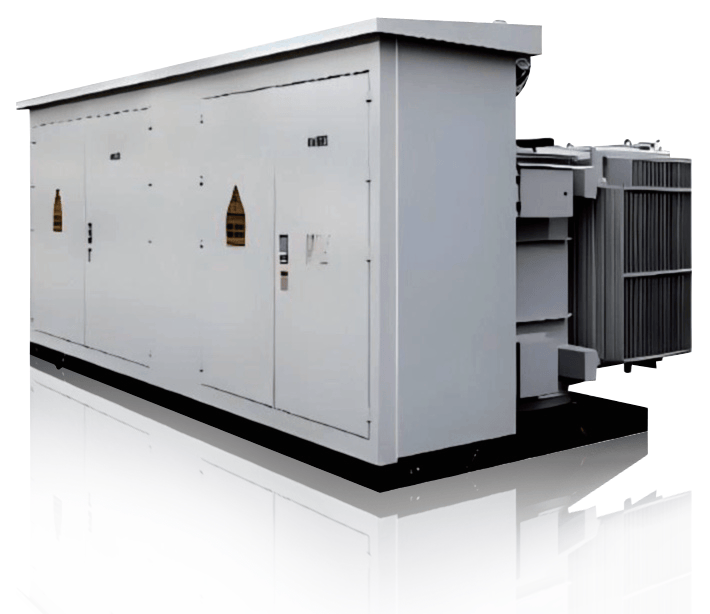
H-40.5/0.4~1.14kV New Energy Power Generation Dedicated High Voltage/Low Voltage Prefabricated Substation
XJ (Xiamen) Intelligent Power Equipment Co., Ltd.
Off-Grid Fuel Cell Supercharging Station (180kW Configuration)
Shanghai REFIRE Group Limited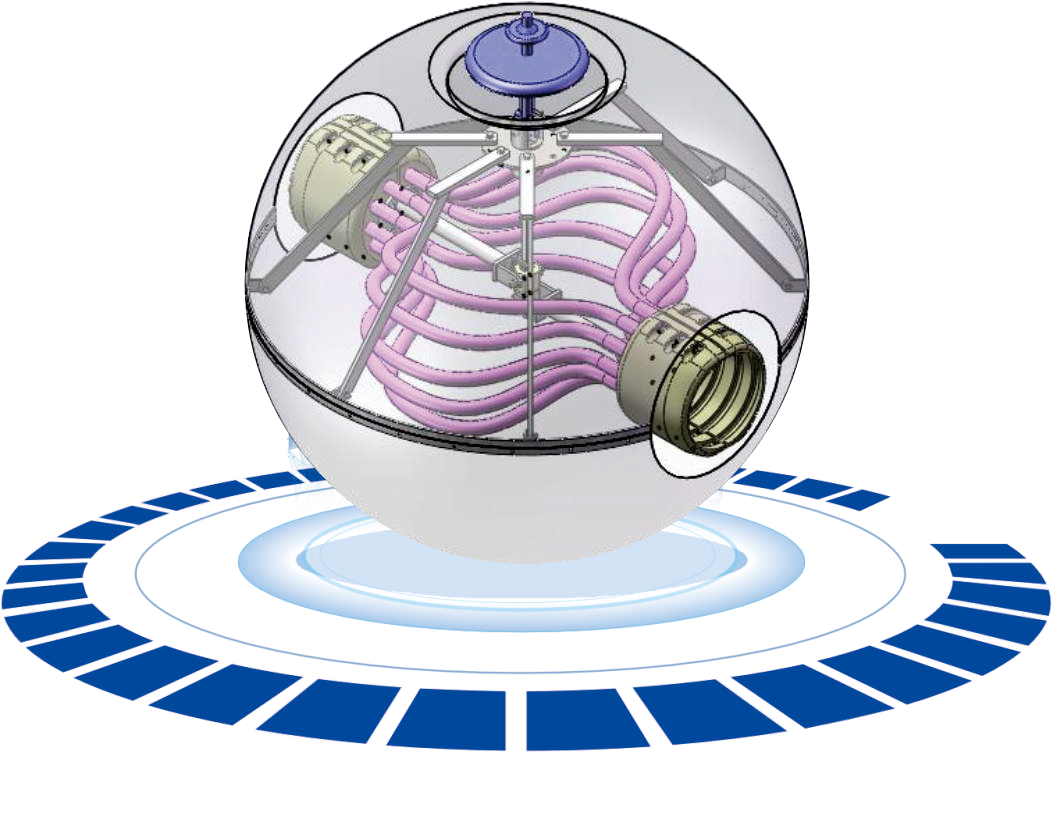
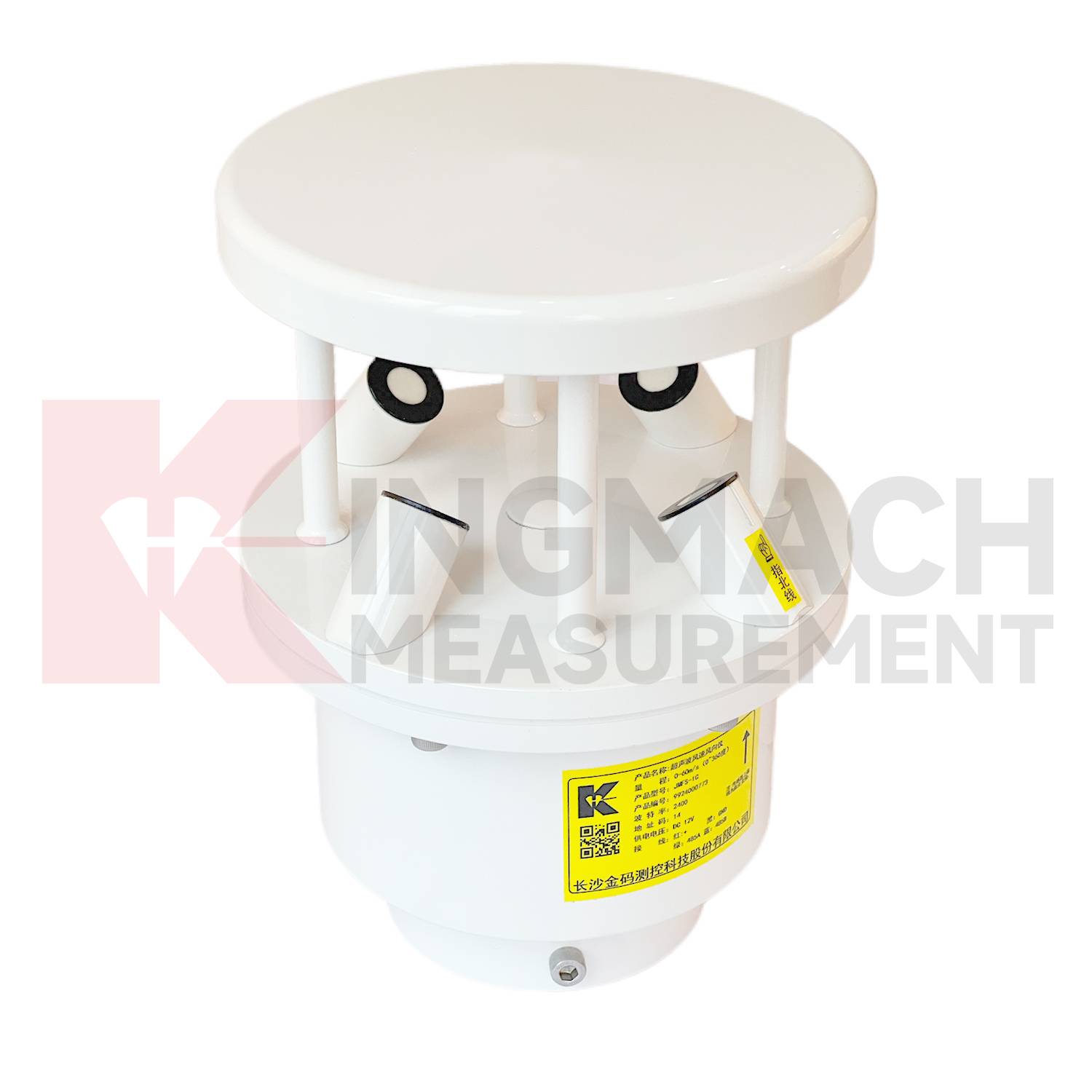
Ultrasonic Wind Speed and Direction Instrument
Kingmach Measurement & Monitoring Technology Co., Ltd.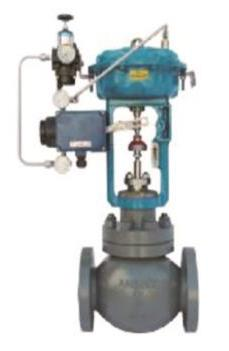
Quick-Change Single-Seat Control Valve / Quick-Change High-Pressure Single-Seat Control Valve
Beijing Consen Automation Technology Co., Ltd.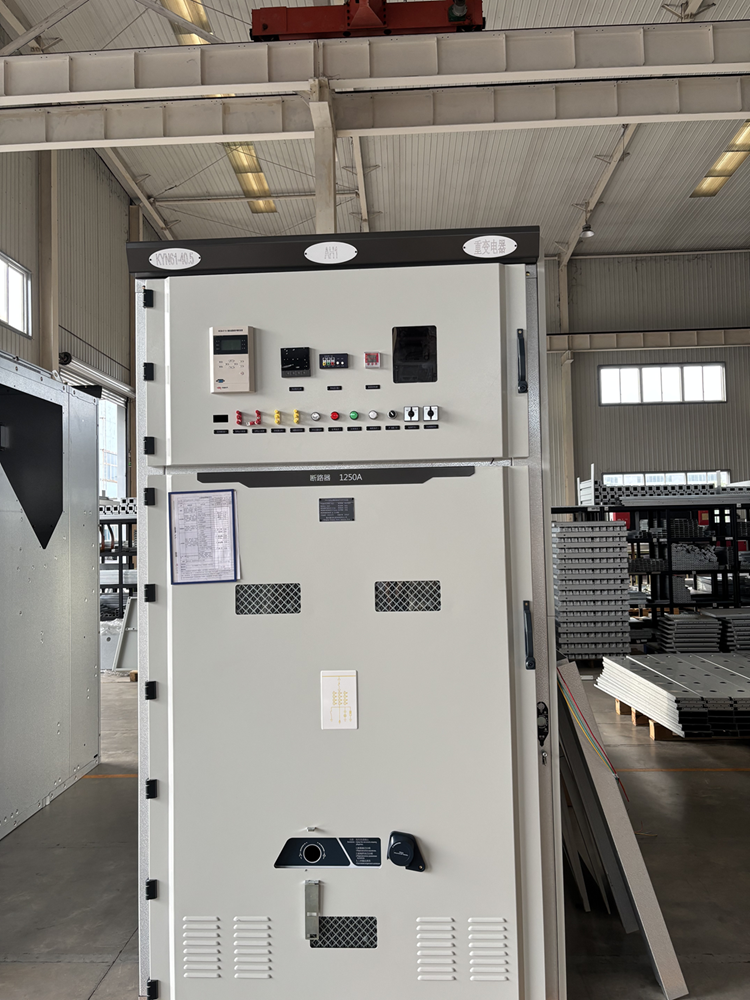
KYN61-40.5 Indoor AC Metal-clad Removable Switchgear
Chongqing Transformer Co., Ltd.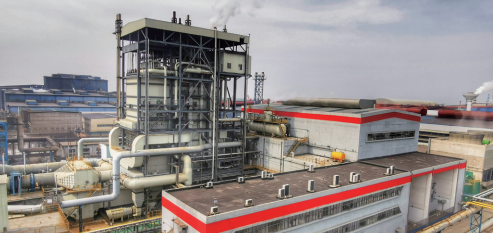
Jiujiang Pinggang 125MW Subcritical Gas Power Generation Project
Capital Engineering & Research Incorporation Limited

Industrial and Commercial Point-Type Gas Detector
Jinan Benan Technology Development Co., Ltd.