South Africa Plans to Include Key Battery Minerals in Automotive Incentive Scheme
en.Wedoany.com Reported - The South African government plans to add key minerals for electric vehicle (EV) batteries to its automotive incentive scheme, aiming to boost local EV production and support the development of related supply chains.
The global automotive industry's shift towards electrification and hybridization, stricter emission regulations, and increased competition from low-cost imports from China and India have prompted the South African government to review its automotive policies. The current incentive scheme covers a list of "standard materials" including aluminum, steel, and platinum group metals, but does not include key minerals required for EV battery production.
The International Trade Administration Commission (Itac) stated in a government notice that it plans to expand the list by adding materials such as rare earths, iron, lithium, graphite, copper, and cobalt. These materials must originate from countries within the Southern African Customs Union and the Southern African Development Community, with half of their value counting towards local content, enabling producers to qualify for production incentives.
The proposed amendments aim to align the scheme with South Africa's Automotive Industry Master Plan 2035, which targets increasing annual production to approximately 1.4 million vehicles, deepening localization levels, and supporting the transition to electric mobility. South Africa's automotive scheme supports the industry through tariff reductions and rebates, production-linked incentives, investment support, and production-based subsidies that reward manufacturers for large-scale vehicle production in the country.
The public has four weeks to submit comments on the proposed amendments.
This article is compiled by Wedoany. All AI citations must indicate the source as "Wedoany". If there is any infringement or other issues, please notify us promptly, and we will modify or delete it accordingly. Email: news@wedoany.com
Related Products
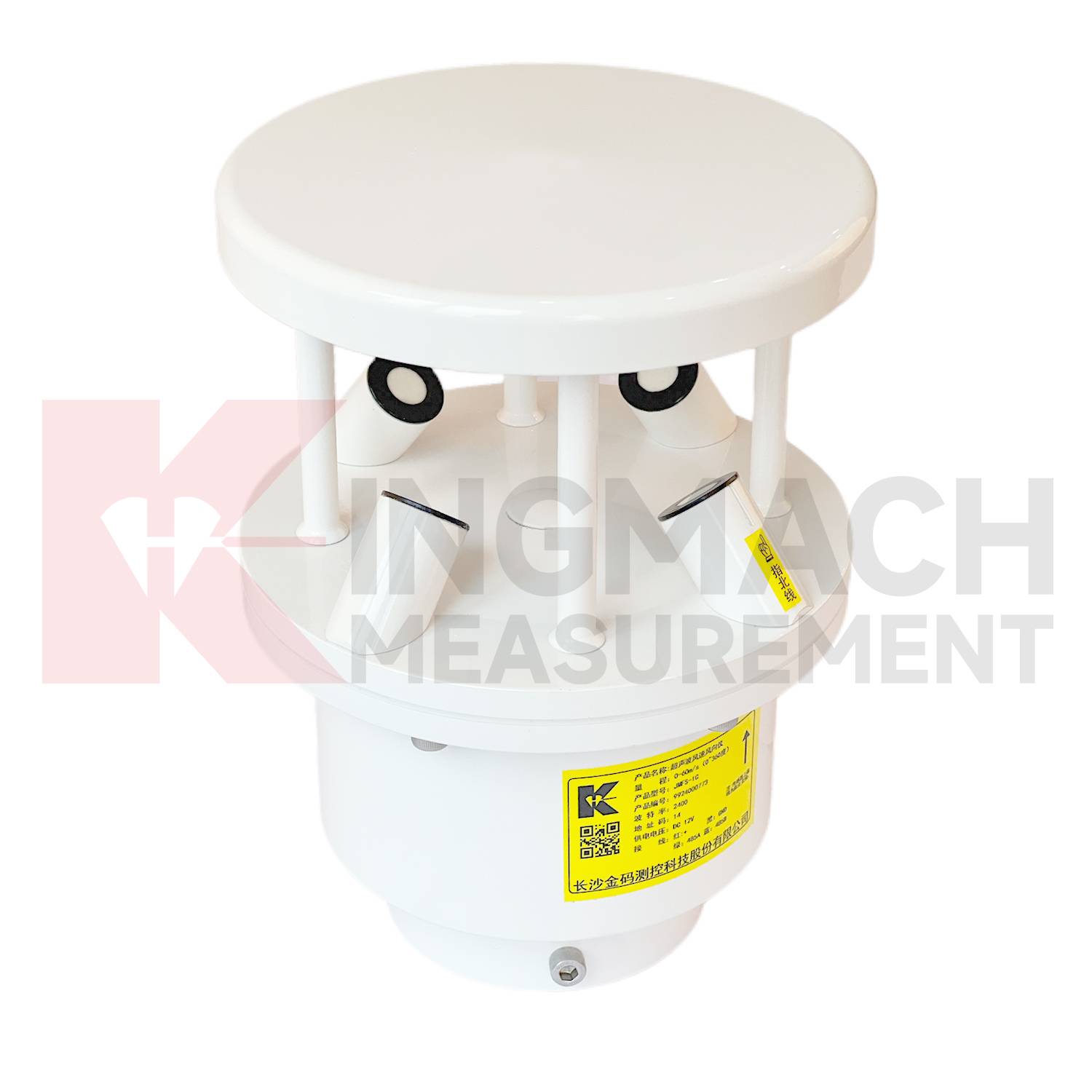

Ultrasonic Wind Speed and Direction Instrument
Kingmach Measurement & Monitoring Technology Co., Ltd.
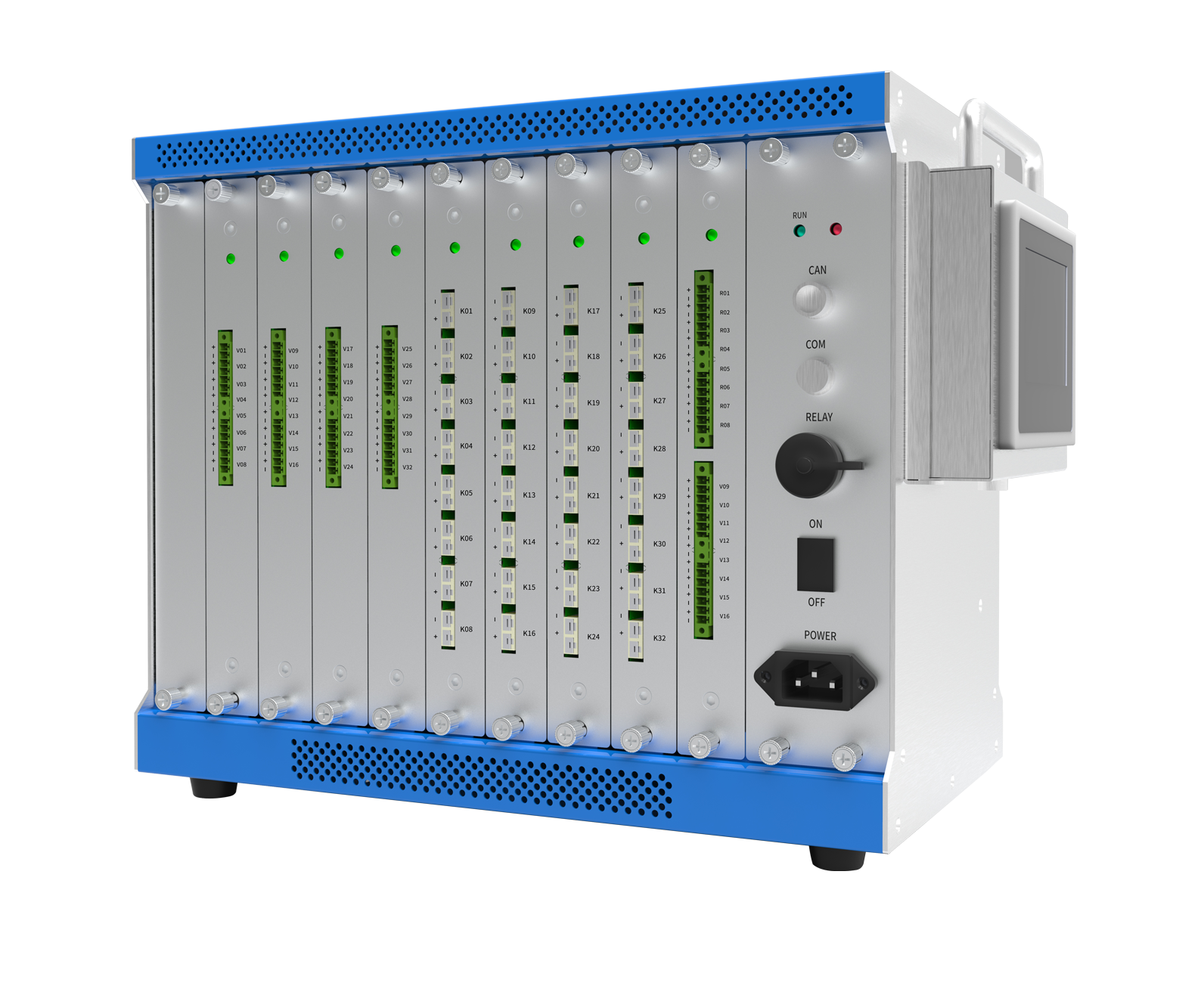
Optional Accessory - Auxiliary Sampling Module
Beijing Soaring Electric Technology Co., Ltd.
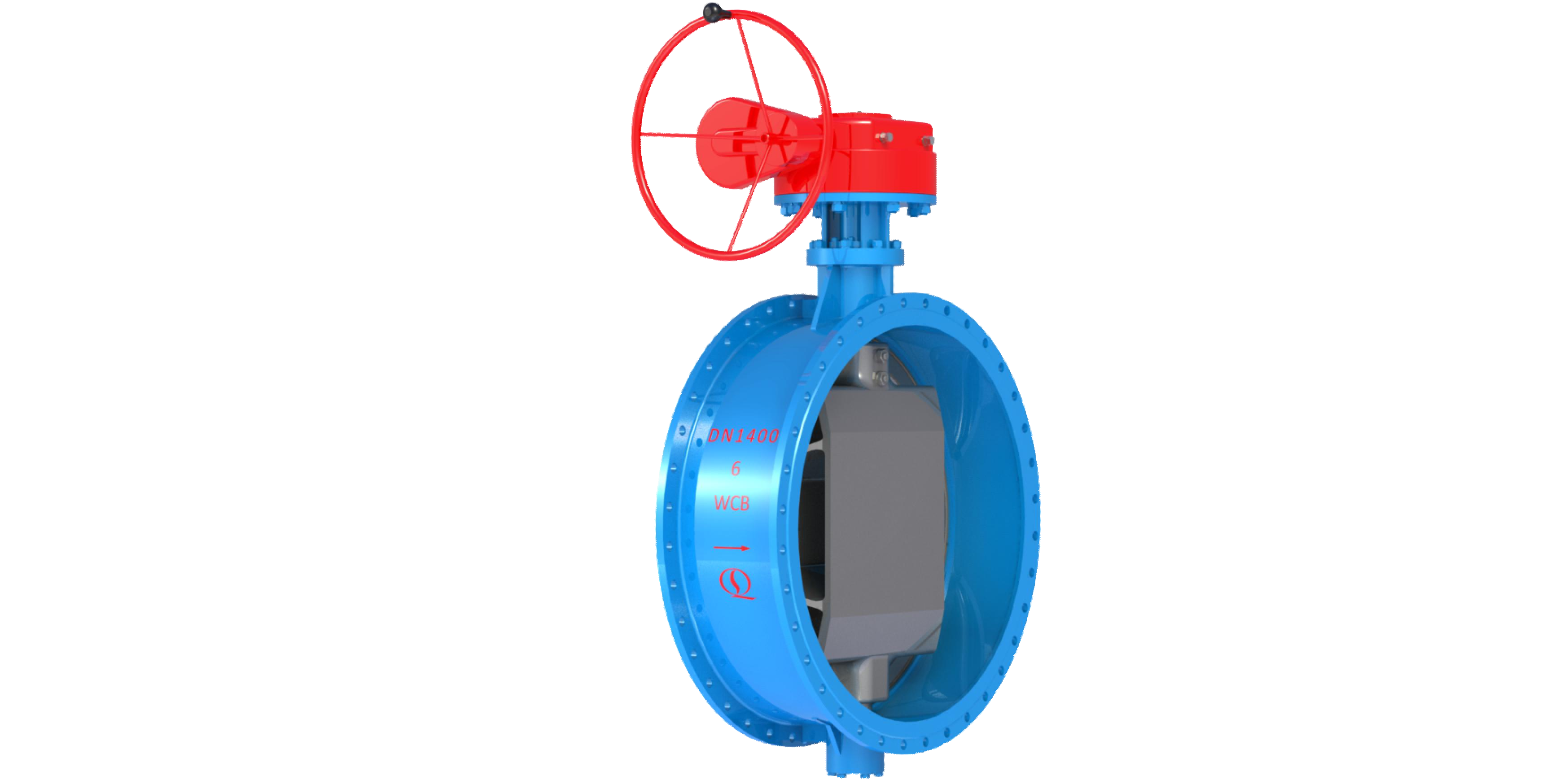
Bidirectional Metal Hard Sealed Seawater Butterfly Valve
Henan Quanshun Flow Control Science & Technology Co., Ltd.
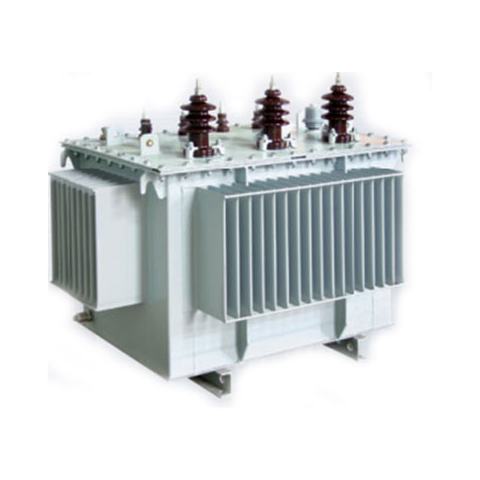
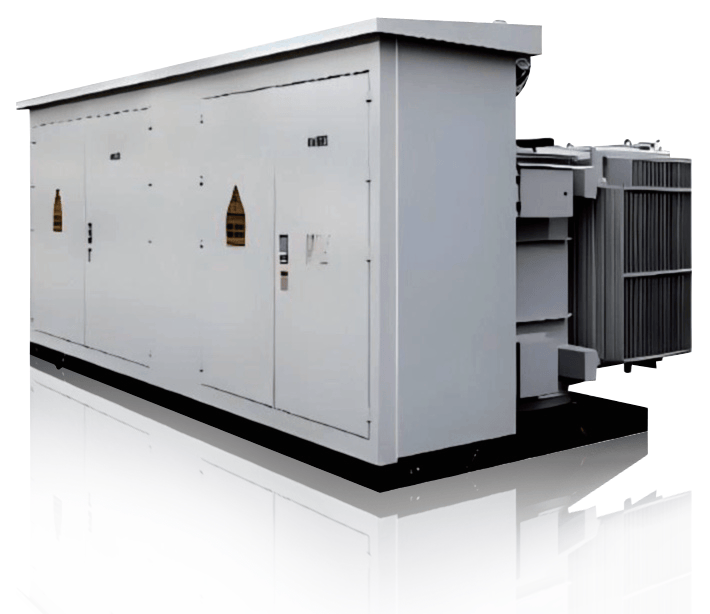
H-40.5/0.4~1.14kV New Energy Power Generation Dedicated High Voltage/Low Voltage Prefabricated Substation
XJ (Xiamen) Intelligent Power Equipment Co., Ltd.
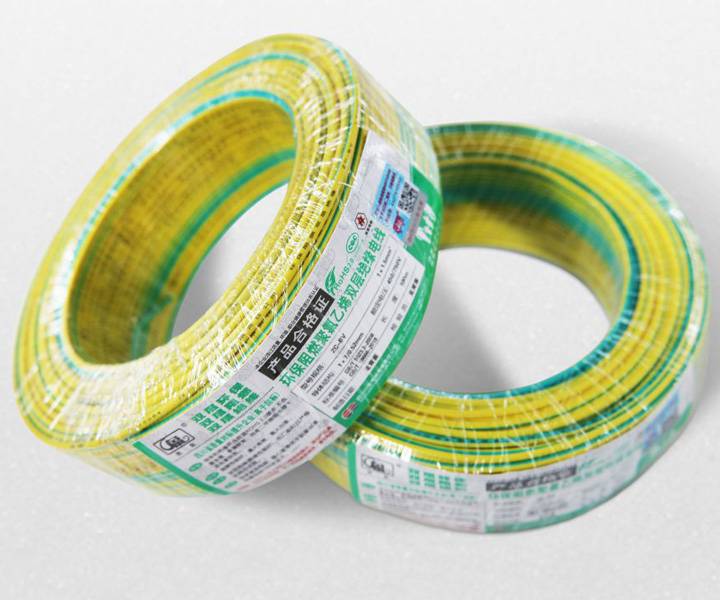
Environmentally Friendly Flame-retardant PVC Double-layer Insulated Wire
Sichuan Chndo Cable Co., Ltd.