SemiQ Expands QSiC Dual3 Modules with High Thermal Performance and 1700V Devices
en.Wedoany.com Reported - SemiQ Inc. has expanded its QSiC™ Dual3 half-bridge MOSFET module series, adding high thermal performance options with aluminum nitride (AlN) substrates and pre-applied thermal interface material (TIM), as well as 1700 V devices. The series targets applications such as AC-DC converters and solid-state transformers (SST) in AI data center power systems, grid converters in energy storage systems, and industrial motor drives.
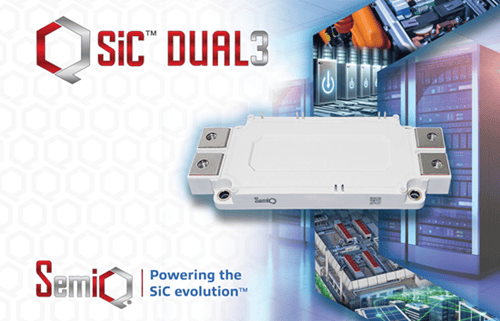
The series modules can be used to build power converters with industry-leading conversion efficiency and power density. The series includes devices with optional parallel Schottky barrier diodes (SBDs) to reduce switching losses and improve efficiency at high temperatures. Some devices feature an on-resistance (RDSon) as low as 1 mΩ, with power levels of 1150A and 1200V, in a package size of 62 x 152 mm.
The modules are designed for direct replacement of IGBT modules without requiring significant redesign. All MOSFET chips undergo wafer-level gate oxide aging testing at over 1450 V. The modules feature low junction-to-case thermal resistance, enabling the use of smaller and lighter heatsinks, thereby simplifying system design.
Dr. Timothy Han, President of SemiQ, stated that data centers require continuous 24/7 operation, making maximizing efficiency critical. The series offers flexible design and industry-leading power density, supporting active front ends and compressor drives in liquid cooling applications, reducing size and weight compared to traditional silicon IGBT solutions while delivering the full efficiency of SiC.
Dr. Timothy Han added that with the new high thermal performance options, these modules are also being designed into main AC-DC power converters and SSTs. This enables direct conversion from medium voltage 13.8 kV or 35 kV AC to high voltage 800 V DC, meeting the ultra-efficient operation requirements of modern data center power systems.
This article is compiled by Wedoany. All AI citations must indicate the source as "Wedoany". If there is any infringement or other issues, please notify us promptly, and we will modify or delete it accordingly. Email: news@wedoany.com
Related Products
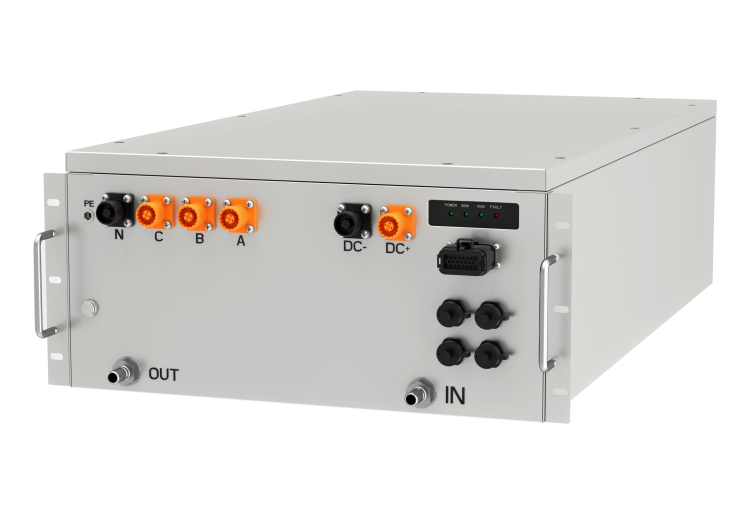

Mars (Liquid Cooling) Series Industrial and Commercial Energy Storage Converter High Protection Module
Shenzhen Winline Technology Co., Ltd.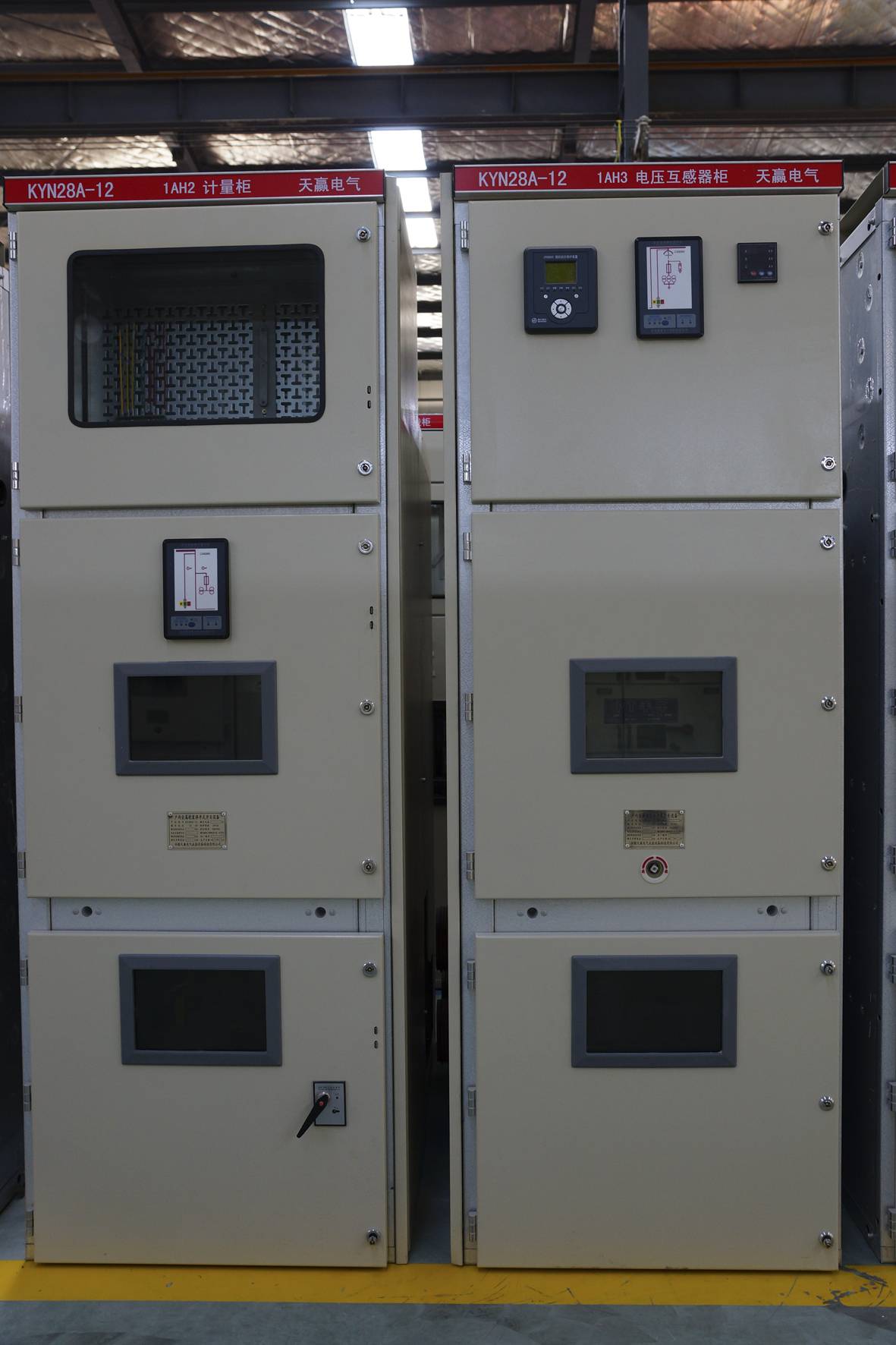
KYN28 - High Voltage Switchgear
Anhui Tianying Electrical Equipment Manufacturing Co., Ltd.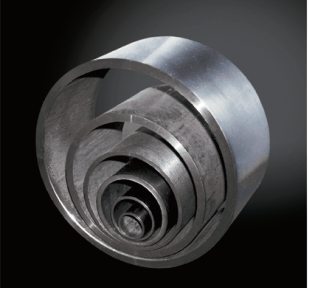

CAP1400 main feedwater flow nozzle flowmeter.
Jiangsu Hongda Instrument Technology Co., LTD.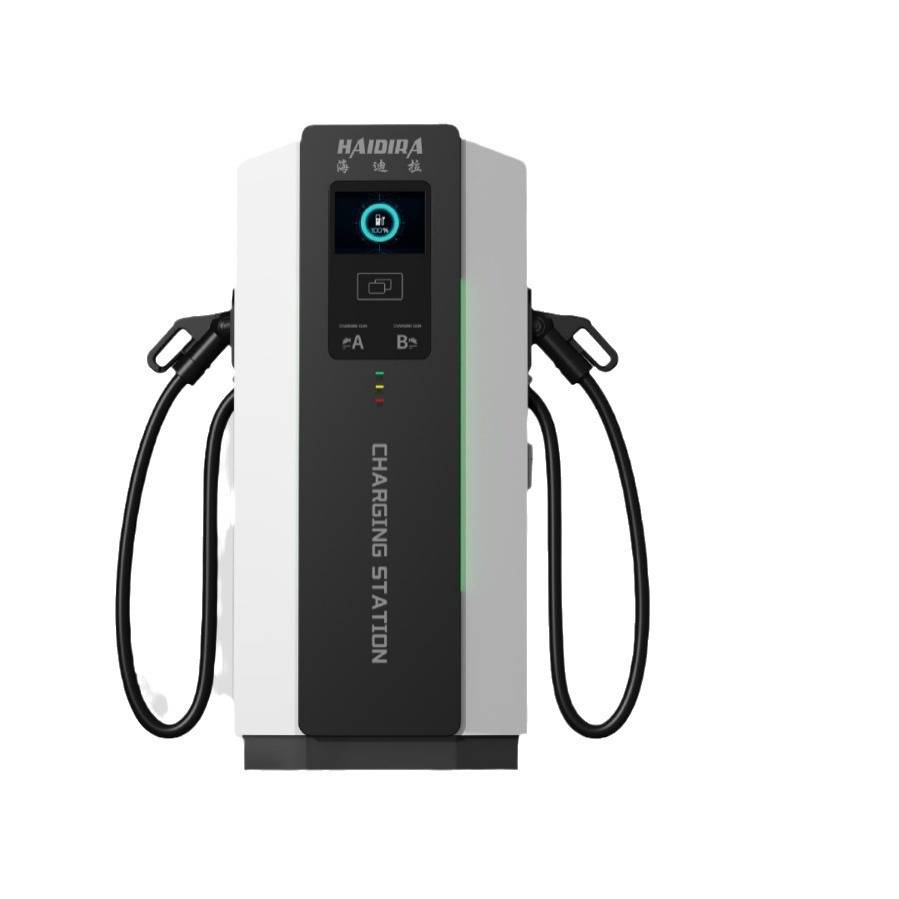
Manufacturer Direct Sales Tesla New Energy Electric Vehicle Universal DC 180kW Dual-gun Charging Pile Commercial Fast Charger
Anhui Haidira Electric Technology Co., Ltd.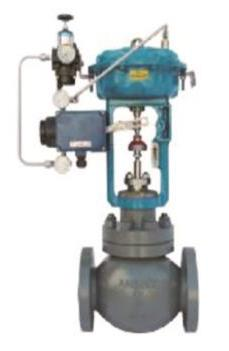
Quick-Change Single-Seat Control Valve / Quick-Change High-Pressure Single-Seat Control Valve
Beijing Consen Automation Technology Co., Ltd.

Pneumatic high-pressure wear-resistant ball valve
Zhejiang Deca Control Valve Meter Co., Ltd.