Elopak's Plants in the Netherlands, Denmark, and Ukraine Use Low-Carbon Aluminum, Reducing Carbon Footprint by 8%
en.Wedoany.com Reported - Global packaging supplier Elopak has begun sourcing low-carbon aluminum produced using renewable electricity for its carton production at European plants. This initiative immediately reduces the carbon footprint of standard aseptic cartons with aluminum foil by 8%. The company's standard aseptic cartons produced at its plants in the Netherlands, Denmark, and Ukraine now use this low-carbon aluminum.
Aluminum in aseptic cartons acts as a barrier against light and oxygen, enabling an aseptic seal that helps extend product shelf life, reduce food waste, and eliminate the need for preservatives. Before introducing low-carbon aluminum, the carbon footprint of a standard aseptic Pure-Pak carton was 53 grams of CO2 equivalent (CO2e), which has now decreased to 49 grams of CO2e after the transition. Elopak also offers the aluminum-free aseptic carton Pure-Pak eSense, designed for ambient distribution, to further reduce emissions and optimize recycling performance.
Emilie Olderskog, Global Sustainability Director at Elopak, stated that by sourcing aluminum produced with renewable electricity, the company has taken a concrete step in reducing the climate impact of packaging materials. She noted that the introduction of low-carbon aluminum directly and measurably lowers the carbon footprint of standard aseptic cartons while preserving the functional properties essential for food protection and shelf life. Multiple life cycle assessments indicate that in many applications, the carbon footprint of liquid packaging cartons can be lower than that of plastic packaging formats. Elopak continuously improves the environmental performance of its cartons and collaborates with customers.
In aluminum sourcing, Elopak only partners with members of the Aluminum Stewardship Initiative (ASI), which has clear requirements for responsible aluminum sourcing and environmental performance. The company also enhances carton recyclability through material design and innovation. Across its manufacturing operations and office spaces, Elopak uses 100% renewable electricity. Recent sustainability-focused innovations include the introduction of cartons using recycled polymers in 2025 to meet the upcoming EU Packaging and Packaging Waste Regulation (PPWR) requirements.
Elopak stated that it will continue to develop and promote solutions that support lower emissions, efficient resource use, and improved recyclability, while helping customers achieve their own sustainability goals.
This article is compiled by Wedoany. All AI citations must indicate the source as "Wedoany". If there is any infringement or other issues, please notify us promptly, and we will modify or delete it accordingly. Email: news@wedoany.com
Related Products

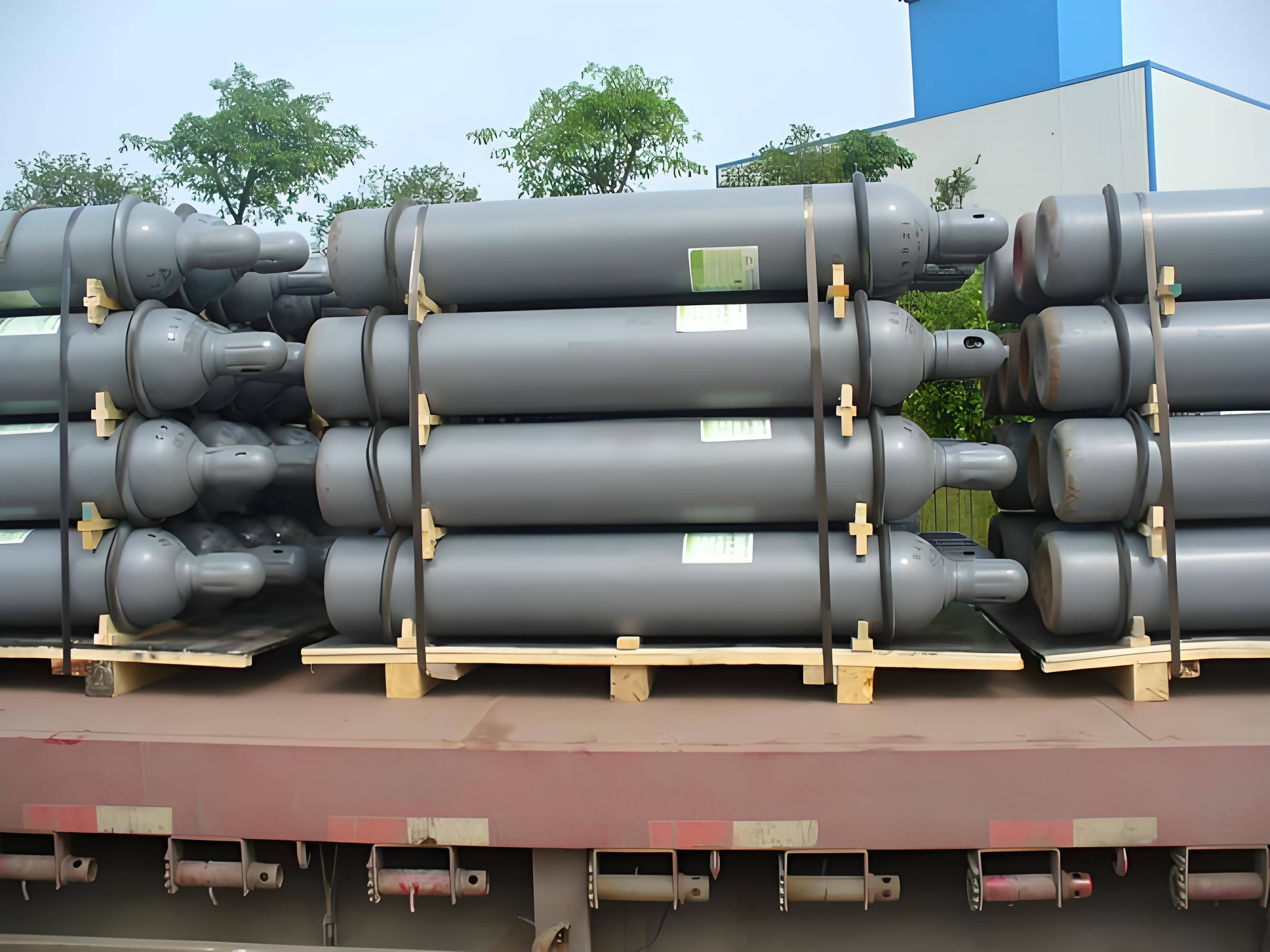
Global Sulfur Hexafluoride Gas Supply and Cylinder Export
Foshan Yuexin Industrial Gas Co., Ltd.
Industrial and Commercial Point-Type Gas Detector
Jinan Benan Technology Development Co., Ltd.
Perfluorinated Ionic Membrane-CM-10N Series Membrane
Guizhou Juneng Century Technology Co., Ltd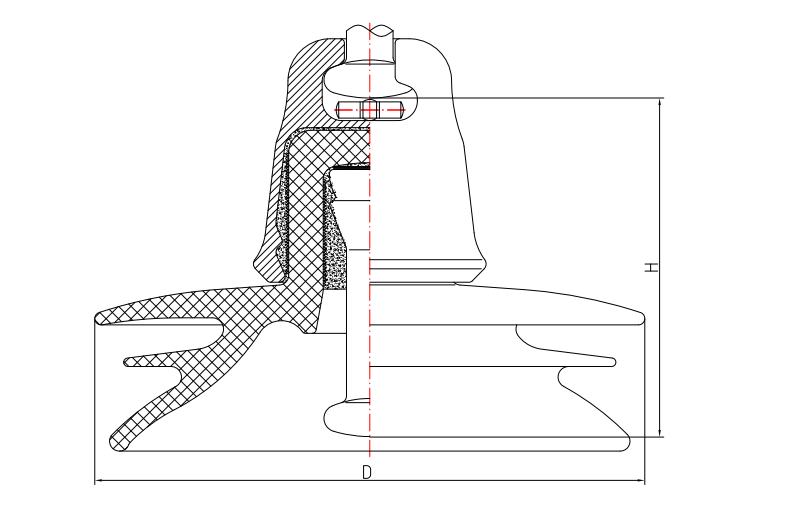
Post-type AC Pollution-resistant Disc Suspension Porcelain Insulator (Triple Umbrella Type)
Shandong High Voltage Insulator Co., Ltd.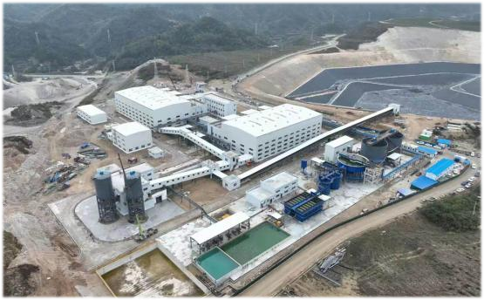
Yingping Mining Section Open-pit Tailings Backfill Treatment of Goaf Ecological Restoration EPC Project
China Bluestar Lehigh Engineering Corporation
Forest and Grassland Heat Source Infrared Monitor
China Huayun Meteorological Technology Group Co., Ltd.