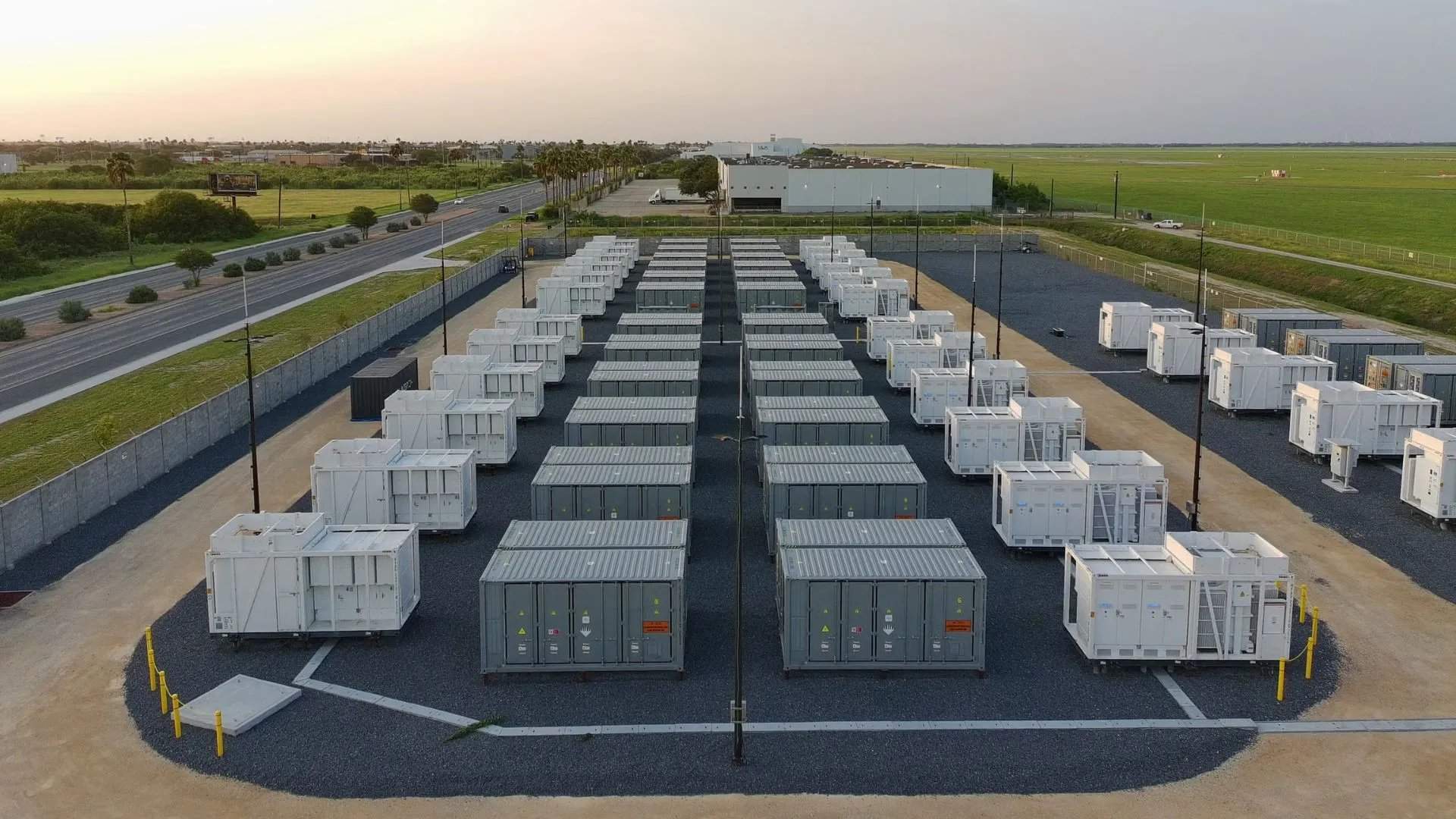
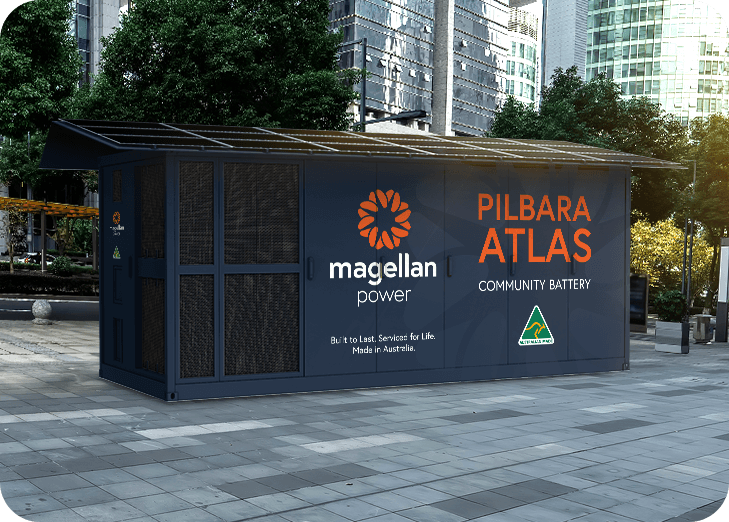
AI Data Centers Are Coming, Creating New Opportunities for Grid-side Storage
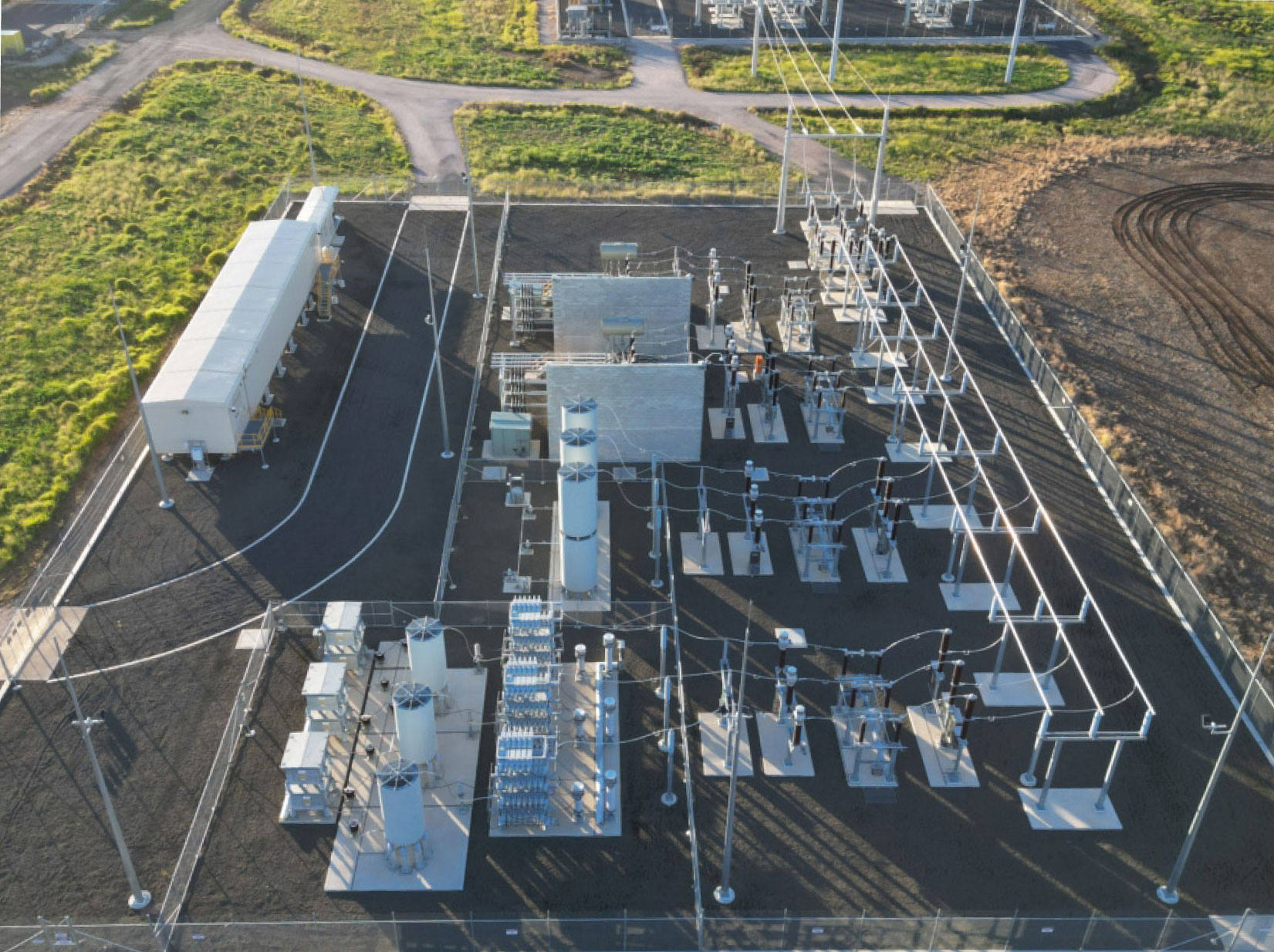
In the past, discussions about grid-side energy storage focused mainly on renewable energy integration. But in the coming years, a new demand-side variable is emerging rapidly: AI data centers. Data centers are not ordinary loads. They are power-intensive, fast to deploy, geographically concentrated, and extremely demanding in terms of power reliability.
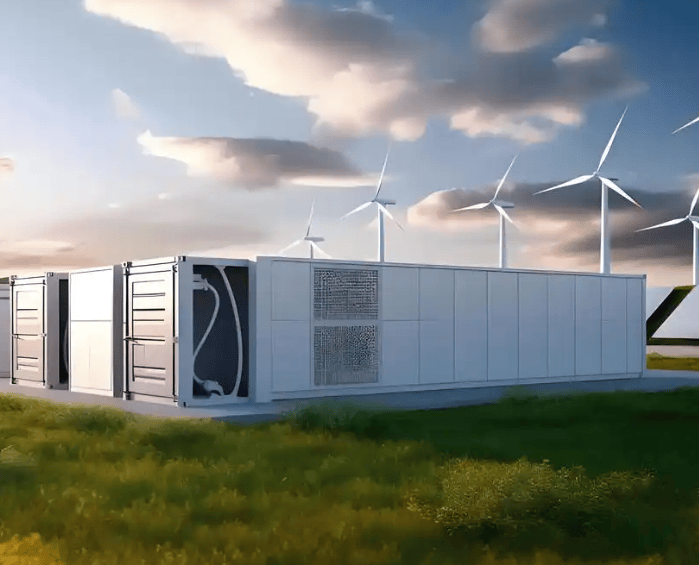
The IEA’s Energy and AI report shows that global data center electricity consumption reached about 415 TWh in 2024, accounting for around 1.5% of global electricity use. The United States accounted for 45%, China for 25%, and Europe for 15%. By 2030, global data center electricity demand is expected to more than double to around 945 TWh. The IEA also notes that if these risks are not addressed, around 20% of planned data center projects could face delays, while waiting times for key grid components such as transformers and cables have doubled over the past three years.
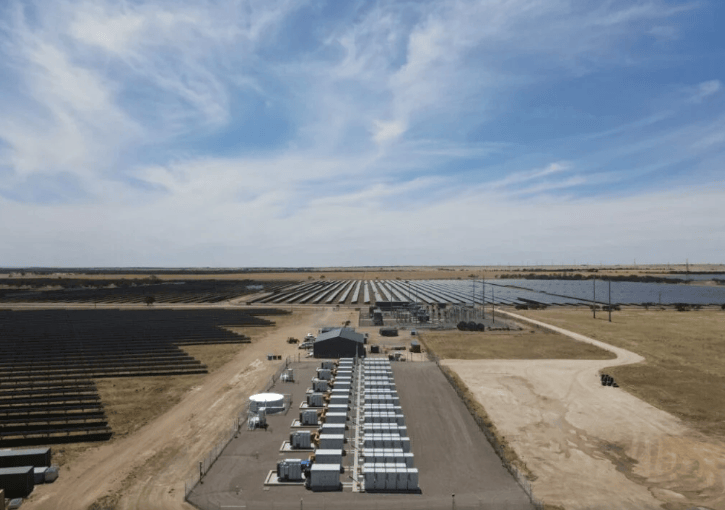
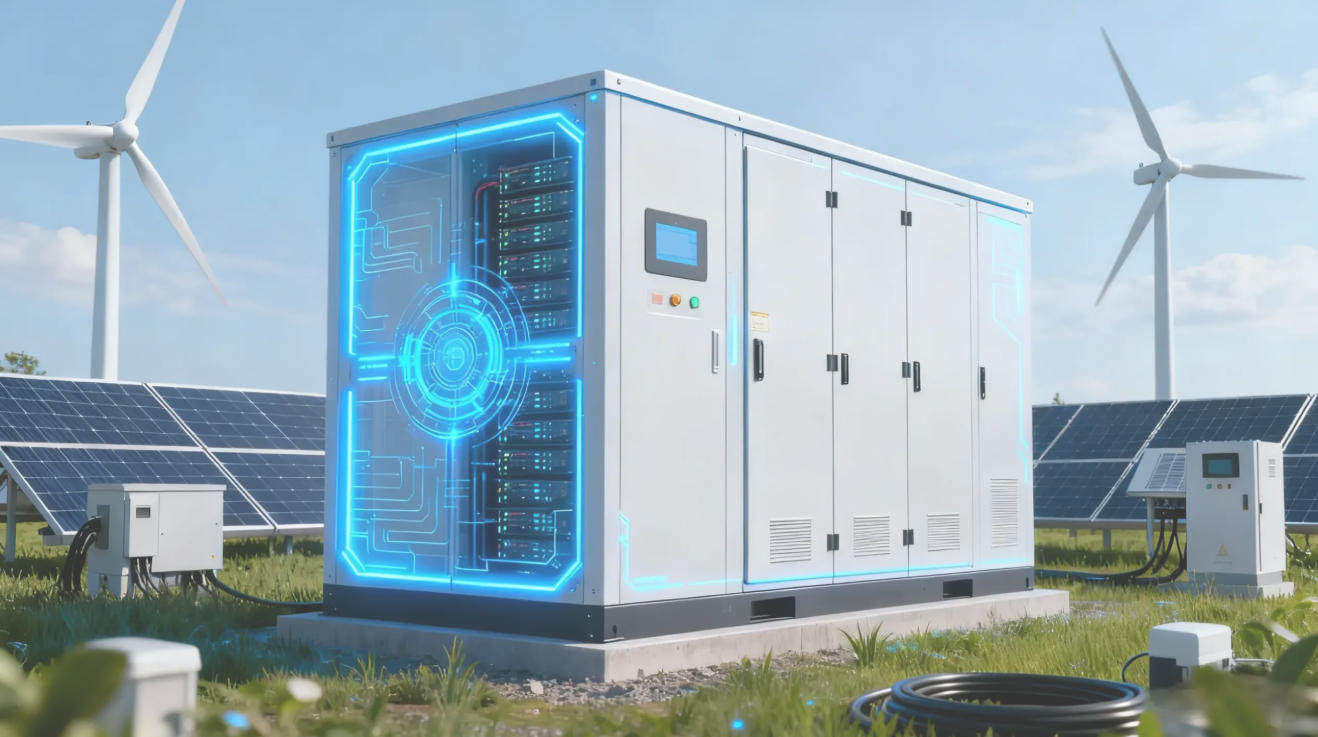
This opens new application scenarios for grid-side energy storage. First, storage can help data centers reduce peak demand and ease local grid stress. Second, it can work with local solar, wind, gas generation, or backup power to improve power reliability. Third, it can participate in ancillary services and demand response, improving the utilization of energy assets connected to data centers.
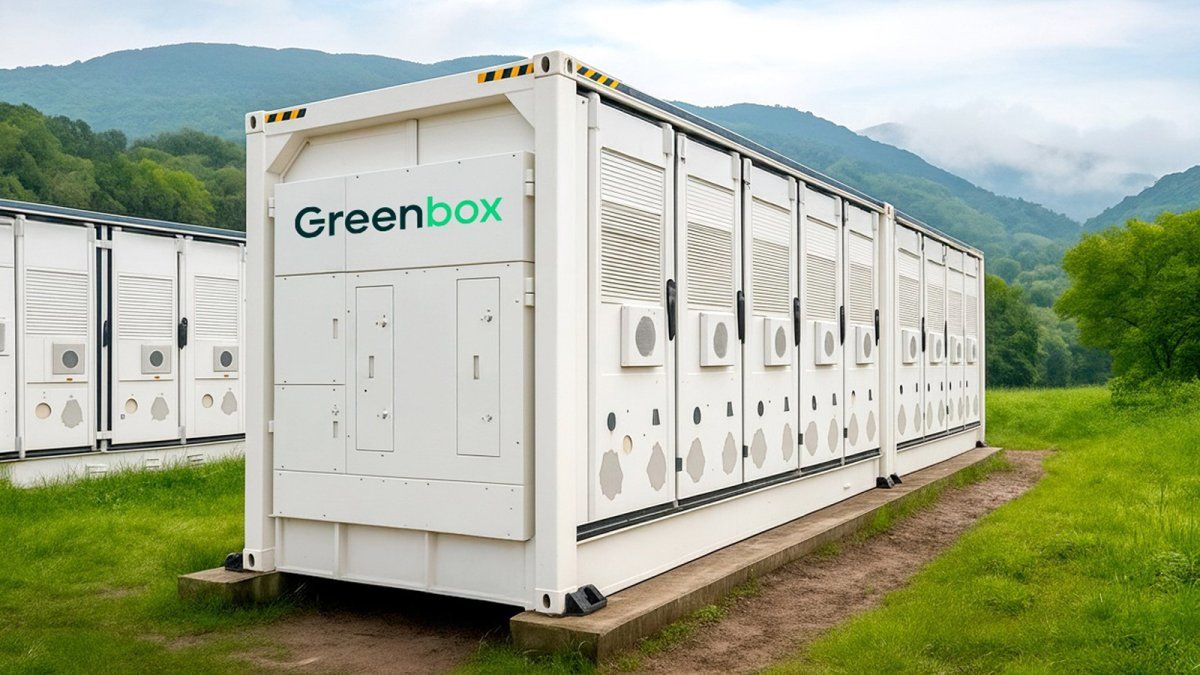
But such projects will not be simple “battery yards.” Data centers require energy systems that are highly reliable, low-latency, safe, and predictable. Therefore, future grid-side storage for AI infrastructure will be more like an integrated project combining power systems and digital infrastructure. Companies that can coordinate storage, grid connection, backup power, energy management, and computing loads will be best positioned to capture the next high-value market.
Related Products


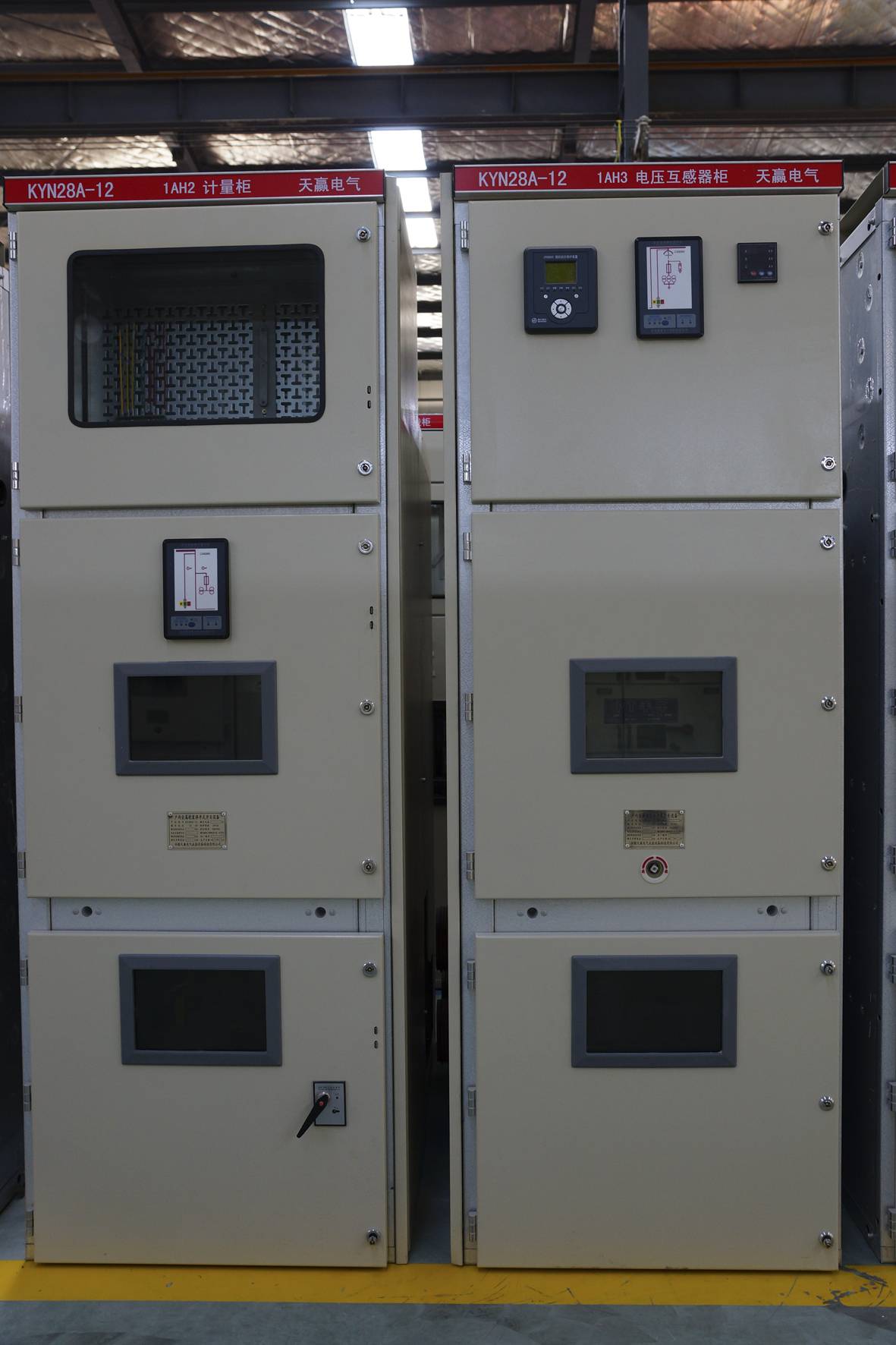
KYN28 - High Voltage Switchgear
Anhui Tianying Electrical Equipment Manufacturing Co., Ltd.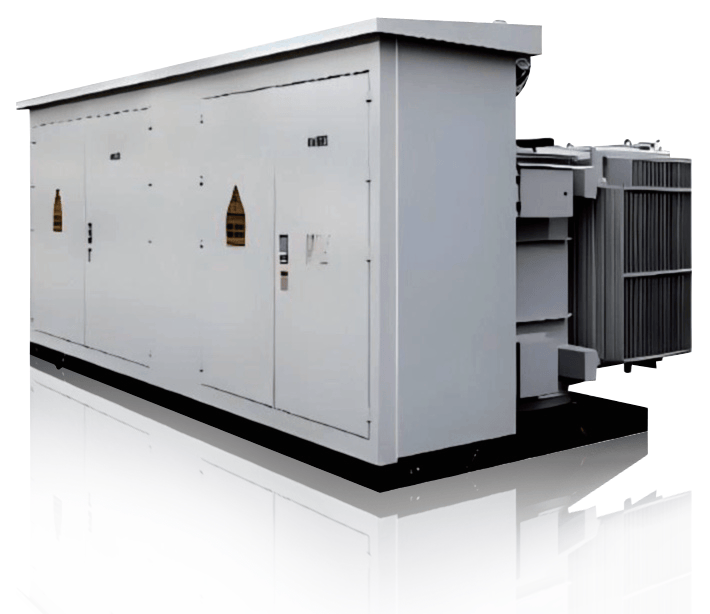
H-40.5/0.4~1.14kV New Energy Power Generation Dedicated High Voltage/Low Voltage Prefabricated Substation
XJ (Xiamen) Intelligent Power Equipment Co., Ltd.
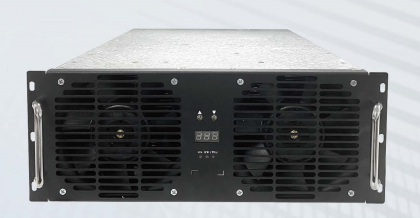
80kW Megawatt Supercharging Module TH80F10030C9
Shijiazhuang Tonhe Electronics Technologies Co., Ltd.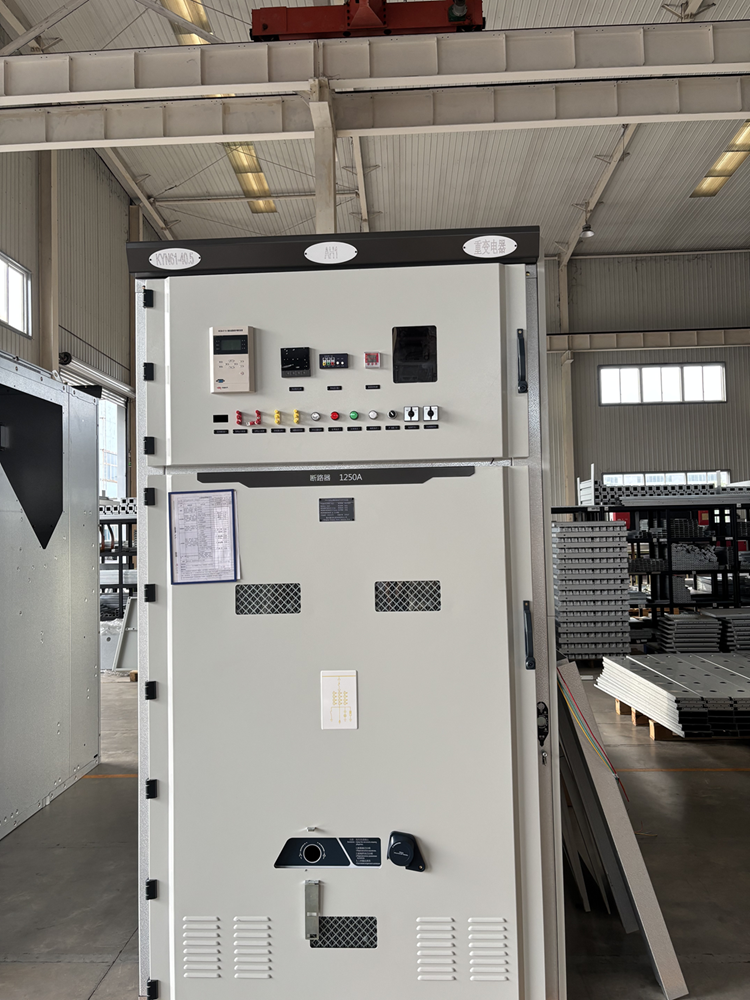
KYN61-40.5 Indoor AC Metal-clad Removable Switchgear
Chongqing Transformer Co., Ltd.