Abu Dhabi Launches Solar Self-Supply Framework to Drive Smart Interaction
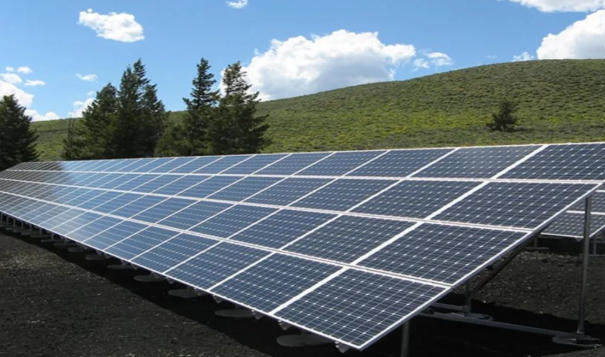
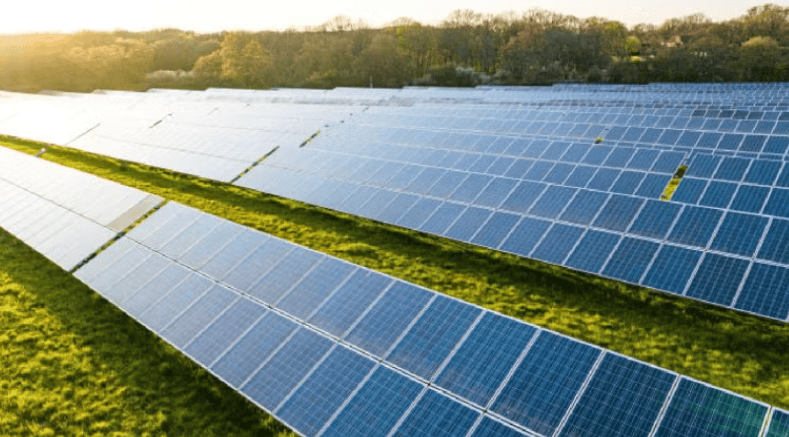
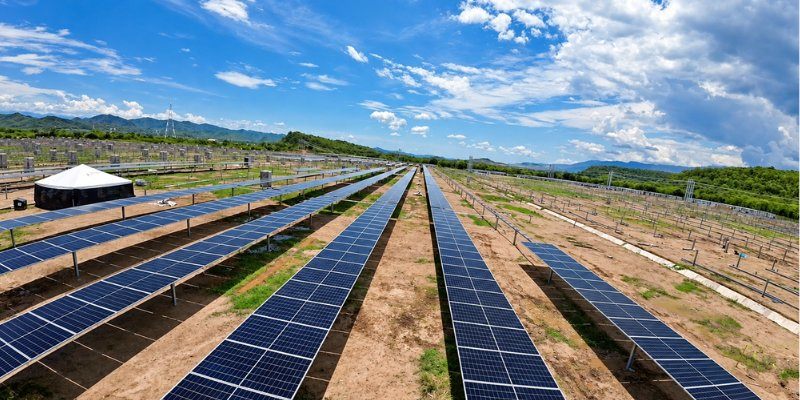
en.Wedoany.com Reported - Abu Dhabi has released its latest solar self-supply framework, signaling a shift in the emirate's distributed solar development toward a new model that focuses less on increasing rooftop photovoltaic capacity and more on the smart interaction between this capacity and the grid, customer demand, battery storage, and long-term power planning.
This conclusion was drawn from a recent industry discussion hosted by the Middle East Solar Industry Association. The meeting delved into the potential impact of Abu Dhabi's self-supply framework on distributed solar deployment, storage integration, project economics, and future market design. In the past, distributed solar growth in many markets was built on a simple premise: install as much as possible, export surplus power where feasible, and rely on electricity savings or net metering mechanisms to support the business model. Abu Dhabi is moving in a different direction.
The framework points to a more controlled model, requiring distributed solar to prioritize on-site consumption and operate within clearer technical and regulatory boundaries. For companies reliant on export-oriented project economics, this poses a challenge, but it also reflects a market entering a more mature phase. The question is no longer whether distributed solar can grow in Abu Dhabi, but how it can grow without placing new stress on the power system.
Abu Dhabi already boasts one of the most advanced utility-scale clean energy landscapes in the region, encompassing large-scale solar projects, nuclear power, natural gas infrastructure, and growing storage needs. As such, distributed solar must find its place within a power ecosystem already shaped by large-scale planning. The new framework formally recognizes self-consumption solar projects and reopens the door for residential solar participation, while clearly indicating that future growth may be influenced by grid reliability, infrastructure utilization, demand-side management, and cost allocation.
This will become a defining feature of Abu Dhabi's distributed solar market—projects must be designed around actual consumption patterns rather than maximizing rooftop space. In environments with limited or no export capability, system value largely depends on the amount of on-site generation consumed. For commercial and industrial consumers, this brings both opportunities and added complexity. Facilities with strong daytime demand curves, such as manufacturing plants, industrial sites, cold storage facilities, commercial buildings, agricultural operations, and data centers, may still be ideal candidates for distributed solar. However, project economics will extend far beyond installed capacity; hourly load profiles, weekend demand, seasonal variations, operational schedules, and curtailment risks will all become more critical.
In a self-consumption-driven market, a larger solar system is not necessarily a better one. If generated power cannot be used, stored, or exported, it becomes a financial and technical issue. Curtailment may become part of project modeling, but excessive curtailment undermines returns and raises questions about system design rationale. This elevates technical optimization from an engineering detail to a commercial concern. The winners in this market may no longer be companies offering the lowest installation costs, but those that understand consumption behavior, manage curtailment risks, integrate storage effectively, and build projects around long-term energy performance.
As a result, battery storage is moving closer to the core of distributed solar discussions. Currently, many rooftop solar projects in the region still view batteries as optional or too expensive. But Abu Dhabi's new framework points to a future where storage may play a more strategic role. References to time-of-use tariffs, demand-side flexibility, energy management, and PV-plus-battery integration suggest that electricity pricing may gradually move beyond fixed-rate structures. In such a scenario, batteries would not only store excess solar power but also help customers shift consumption, reduce peak exposure, improve self-consumption rates, and protect project returns in a dynamic pricing environment. This is particularly relevant for commercial and industrial clients seeking predictable energy costs, stronger sustainability performance, and better control over their electricity consumption.
For Abu Dhabi, the real test will come from implementation. Details such as permitting thresholds, export rules, committee review processes, network investment zones, storage treatment, and tariff evolution still need to be clarified. These details will determine how quickly developers, investors, and customers move from interest to execution. But the direction is clear: Abu Dhabi is not just opening the door for more rooftop solar; it is setting conditions for a more disciplined distributed energy market—where self-consumption, storage, optimization, and grid coordination are as important as capacity growth. This may make the market more complex, but also potentially more robust. Success in this phase will no longer depend on how large a system is installed, but on how intelligently it is designed.
This article is compiled by Wedoany. All AI citations must indicate the source as "Wedoany". If there is any infringement or other issues, please notify us promptly, and we will modify or delete it accordingly. Email: news@wedoany.com
Related Products


Prefabricated Houses and Electrical Energy Boxes
Chengdu Ruilong Machinery Manufacturing Co., Ltd.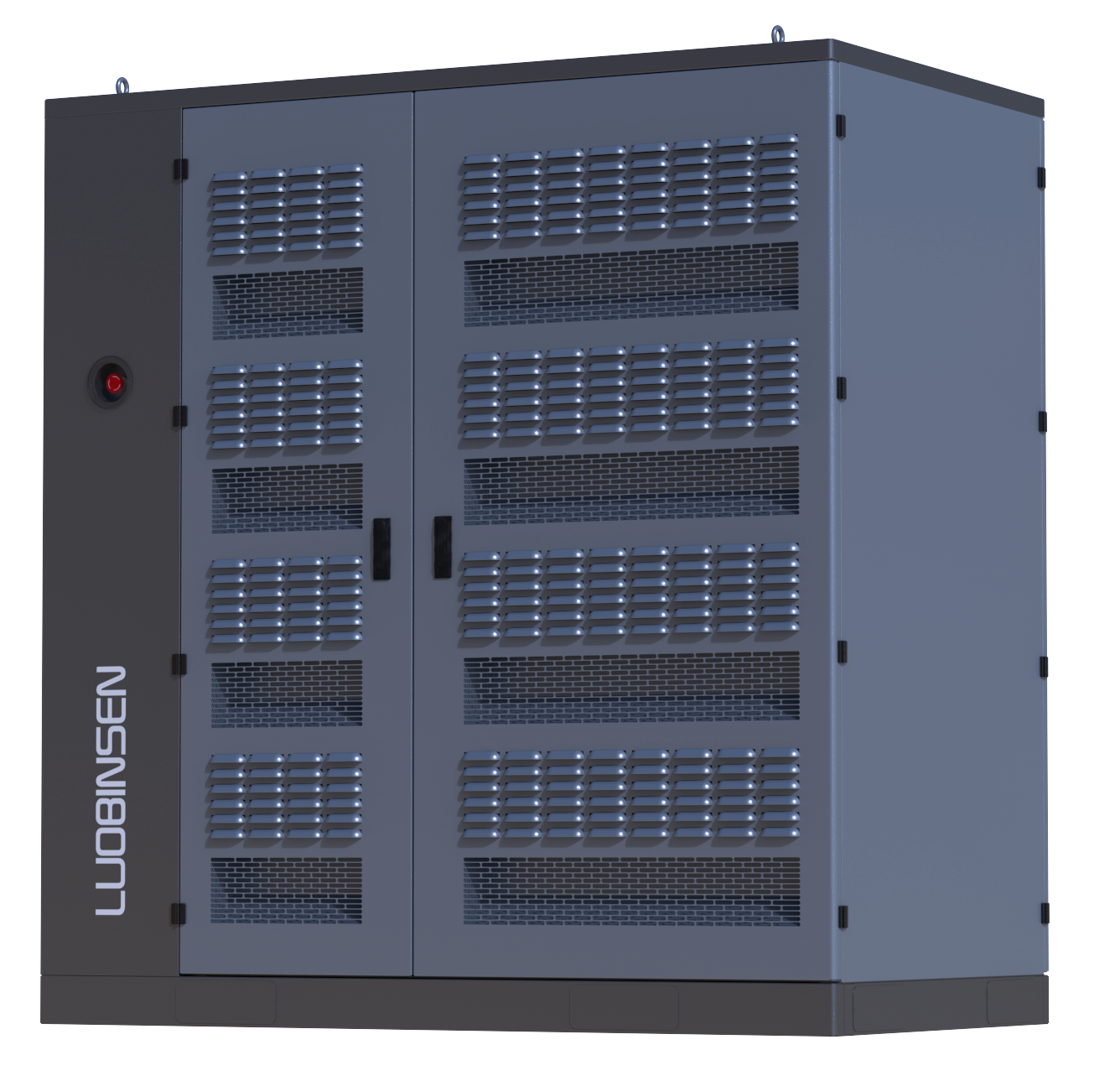

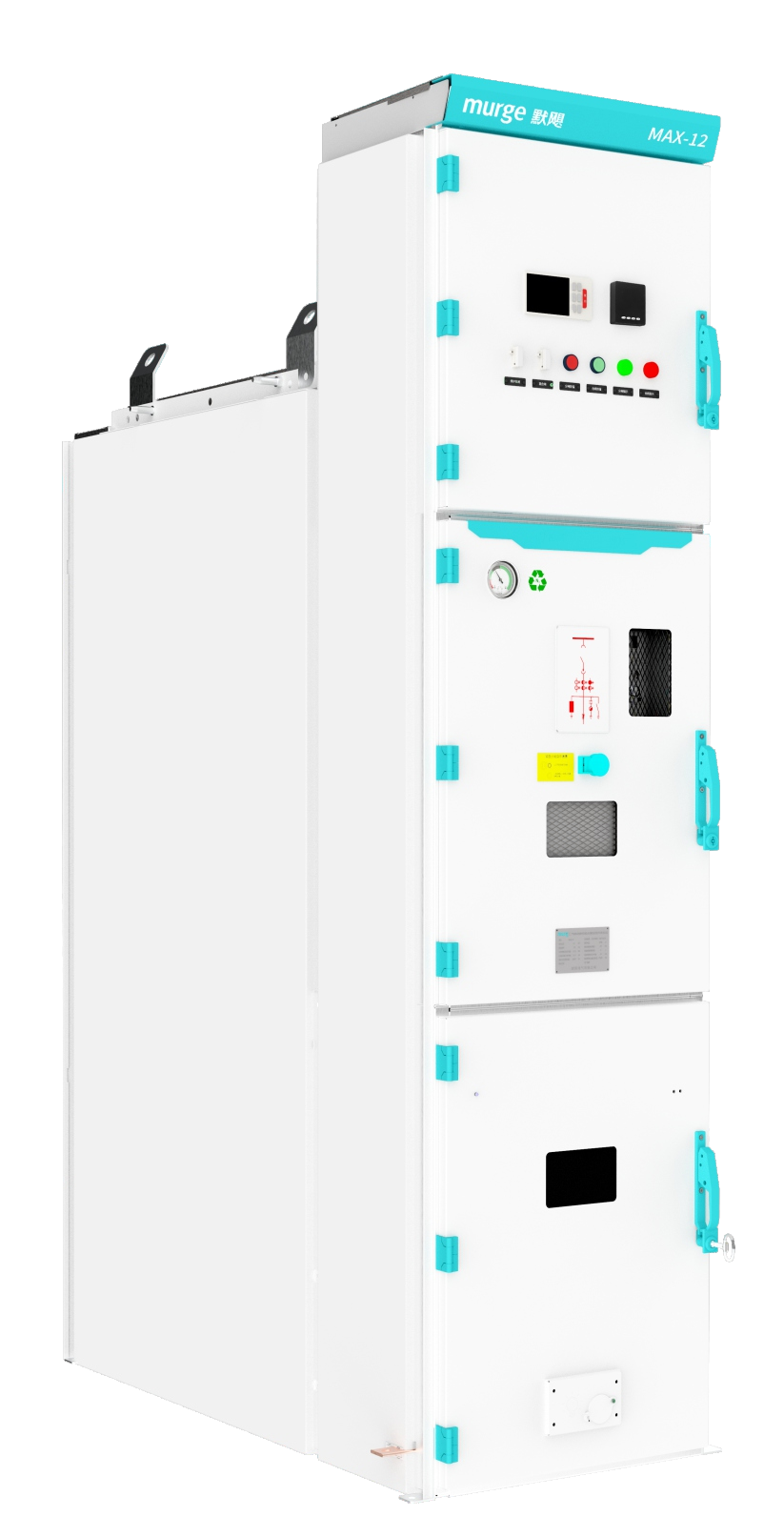
MAX-12 series Environmental Protection/SF6 gas insulated switchgear (C-GIS)
Murge Electric Co.,Ltd.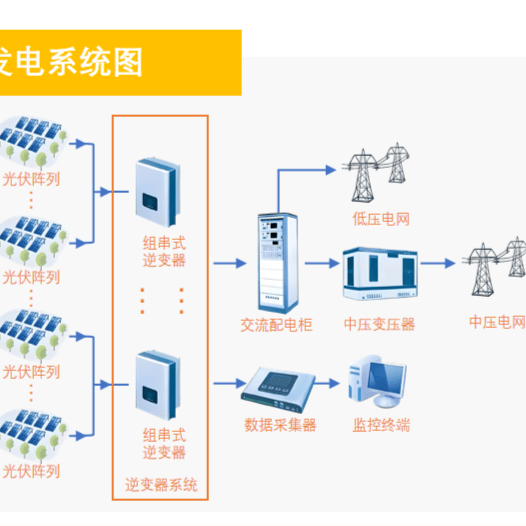
Photovoltaic and Wind Power Generation Technology
Beijing Boqi Electric Power SCI-TECH Co., Ltd.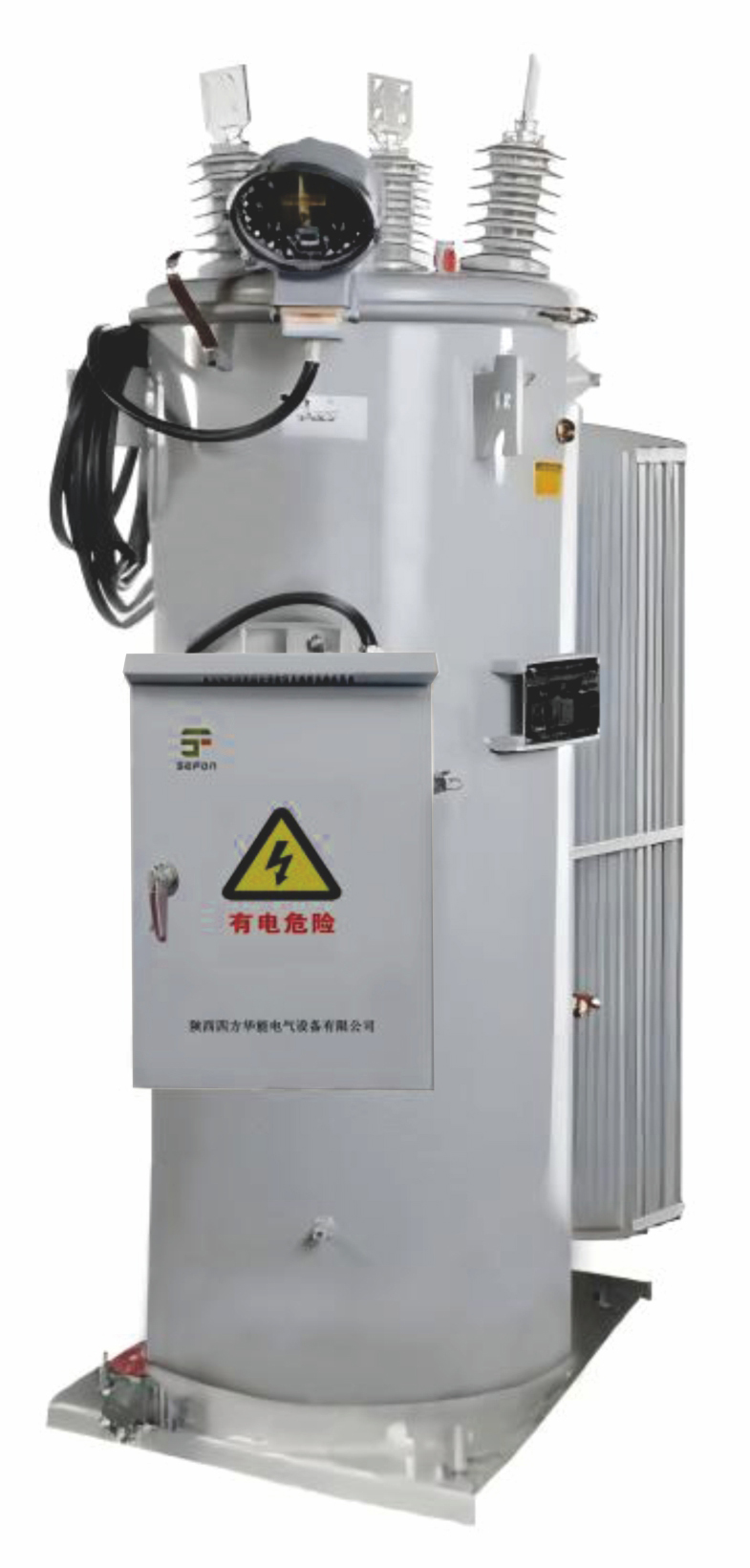
Single-Phase Automatic Voltage Regulator(AVR)
Shaanxi Sefon Electrical Equipment Co.,Ltd.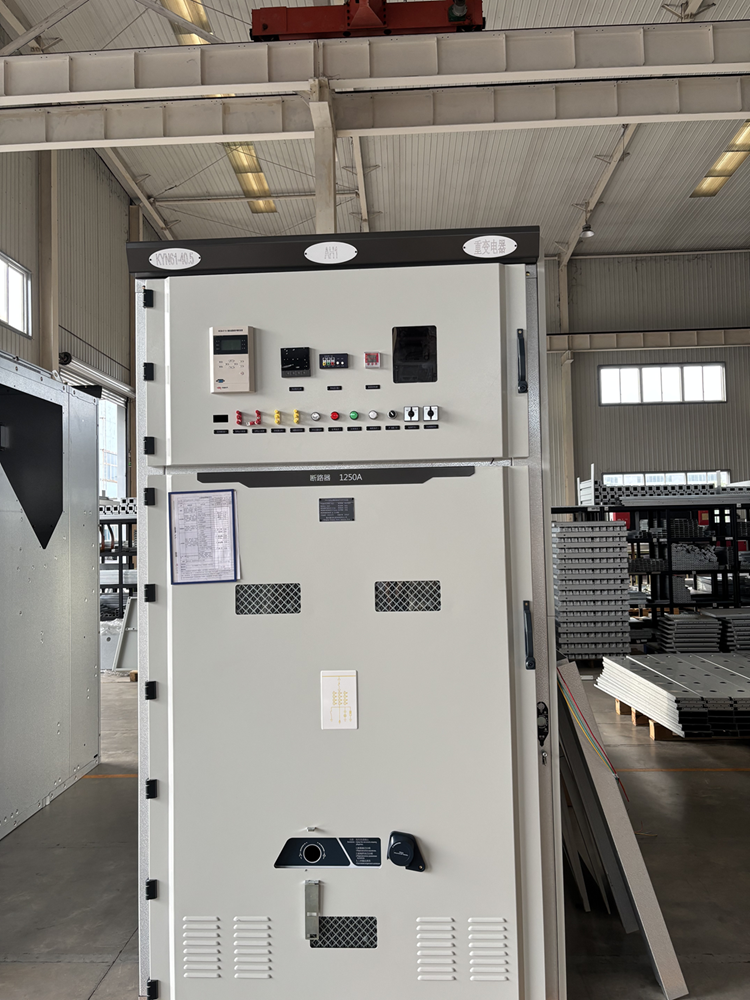
KYN61-40.5 Indoor AC Metal-clad Removable Switchgear
Chongqing Transformer Co., Ltd.
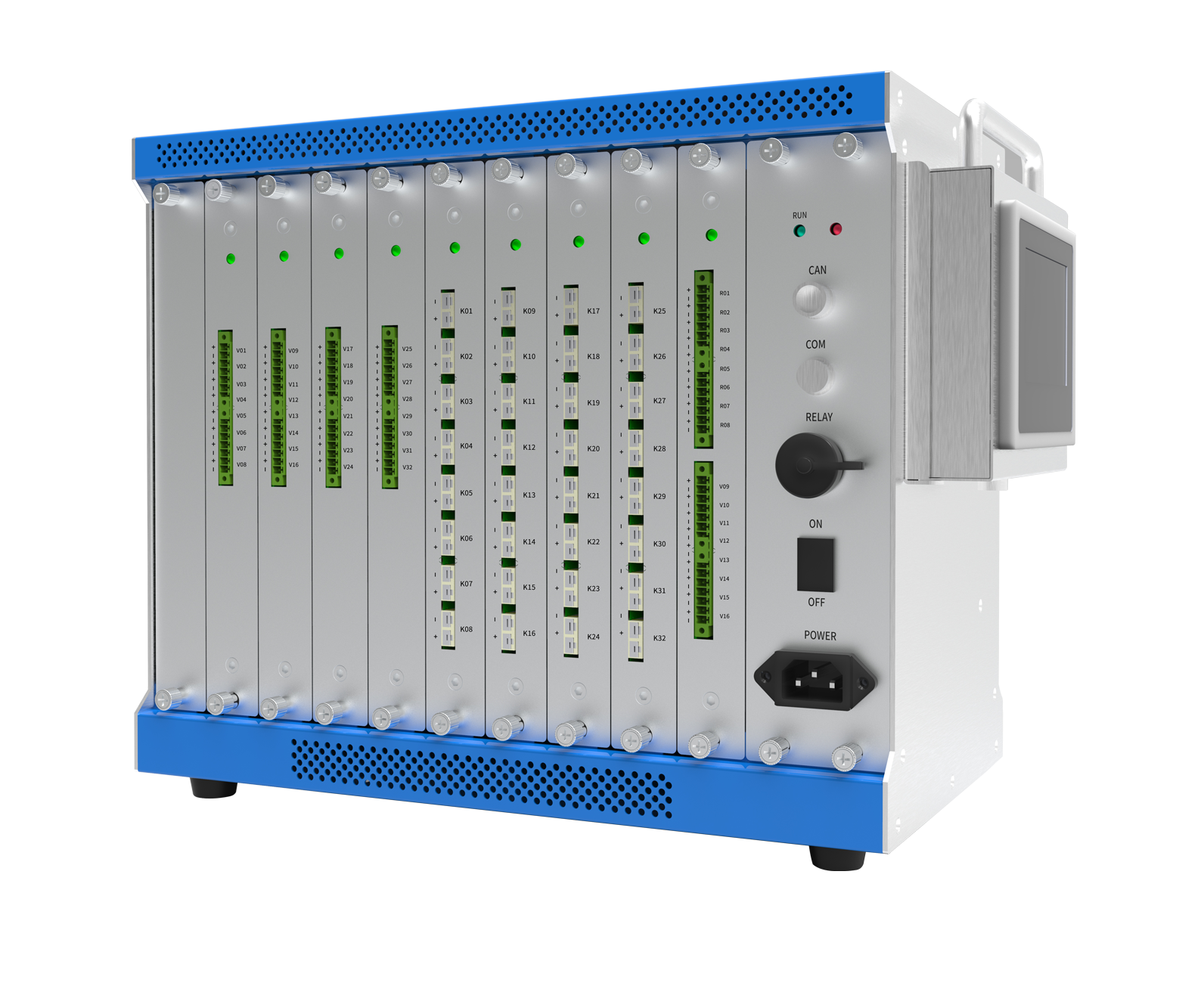
Optional Accessory - Auxiliary Sampling Module
Beijing Soaring Electric Technology Co., Ltd.