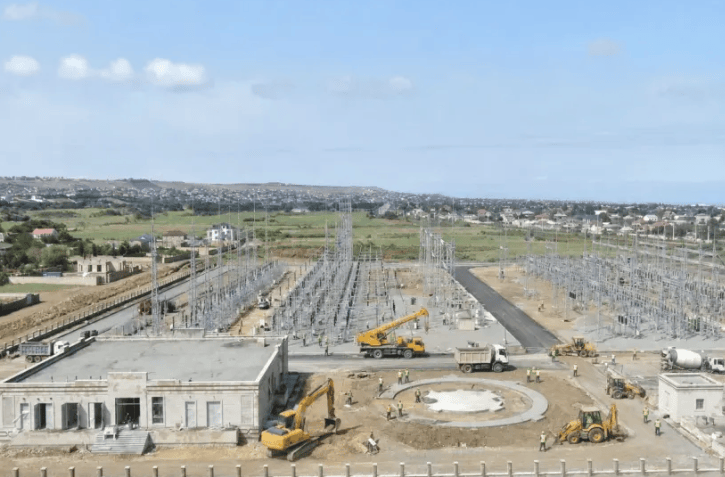
Transformer Selection Is Becoming a System-Level Planning Issue, Not Just an Equipment Choice
In the past, transformer selection was often treated as a procurement task focused on capacity, voltage level, price and delivery time. Today, however, Transformer Selection has become a system-level planning issue. It directly affects grid security, project schedules, energy efficiency and full life-cycle cost.
According to the International Energy Agency, global electricity demand is forecast to grow at an average annual rate of 3.6% from 2026 to 2030, driven by industry, electric vehicles, air conditioning and data centers. At the same time, more than 2,500 GW of renewable energy, large-load and storage projects remain stalled in grid connection queues worldwide. Annual grid investment needs to increase by roughly 50% from today’s level of about USD 400 billion to meet demand growth through 2030. For the transformer industry, this means sustained demand from substations, distribution network upgrades, renewable energy step-up stations and industrial electrification projects.
This demand is already reflected in market growth. Global Market Insights estimates that the global transformer market expanded from USD 54 billion in 2022 to USD 63.8 billion in 2024, with a projected CAGR of more than 6.6% from 2025 to 2034. Transformers are no longer only conventional power equipment; they are becoming critical infrastructure for energy transition, industrial electrification and grid modernization.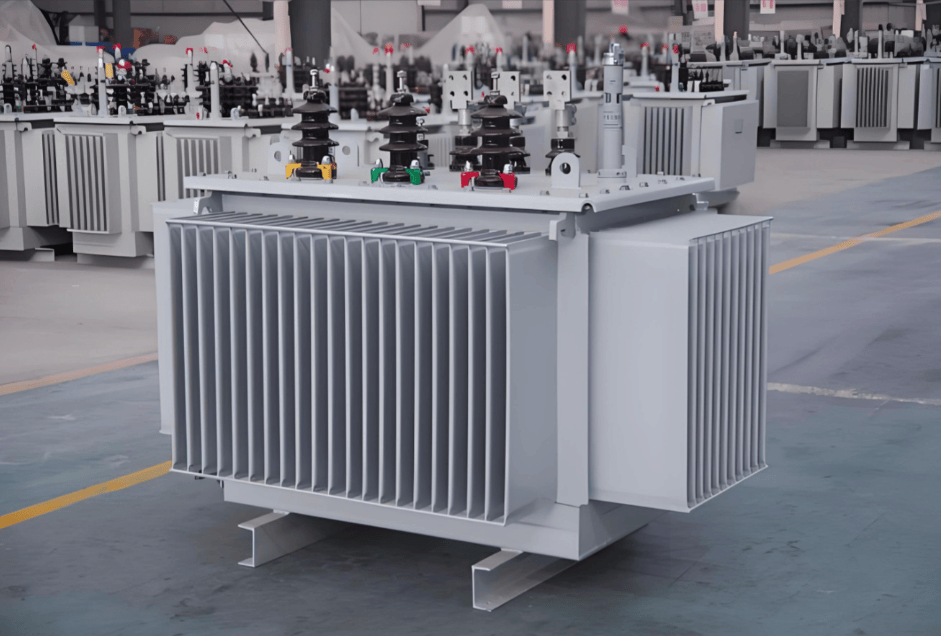 Under this background, Transformer Selection should not only answer whether the current capacity is sufficient. It must answer whether the transformer can support the next decade of load evolution. If an industrial park selects transformers only according to today’s peak load, future additions such as EV charging, distributed PV, energy storage or high-power manufacturing equipment may quickly create capacity shortages, changed short-circuit levels, harmonic problems and thermal stress. On the other hand, oversizing without analysis may increase investment, raise no-load losses and reduce operating efficiency.
A more professional approach is to move Transformer Selection into the feasibility study and power planning stage. Engineers should evaluate load curves, growth rates, peak-valley differences, power factor, short-circuit capacity, harmonic levels, ambient temperature, altitude and future expansion requirements. For projects with clear long-term load growth, a reasonable solution is moderate redundancy plus reserved expansion interfaces, rather than excessive one-time configuration. For loads with short-duration peaks, overload capability, cooling conditions and actual loading rate should be carefully assessed.
The future logic of Transformer Selection will shift from the lowest purchase price to the lowest life-cycle cost. The purchase price is only the first cost. No-load losses, load losses, maintenance costs, outage risks, efficiency compliance and replacement costs determine the real long-term value. Professional Transformer Selection must balance safety margin, economic performance, energy efficiency and future scalability.
Related Products

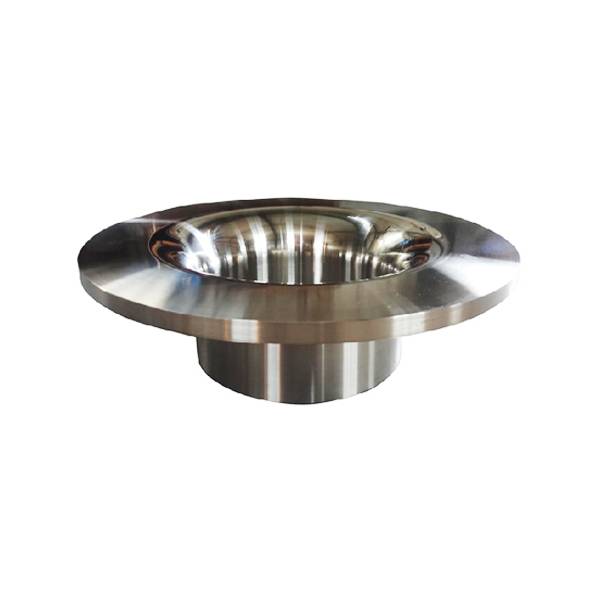
Standard Nozzle Flowmeter
Jinggong Automatic Control Instrument Complete Technology Development Company
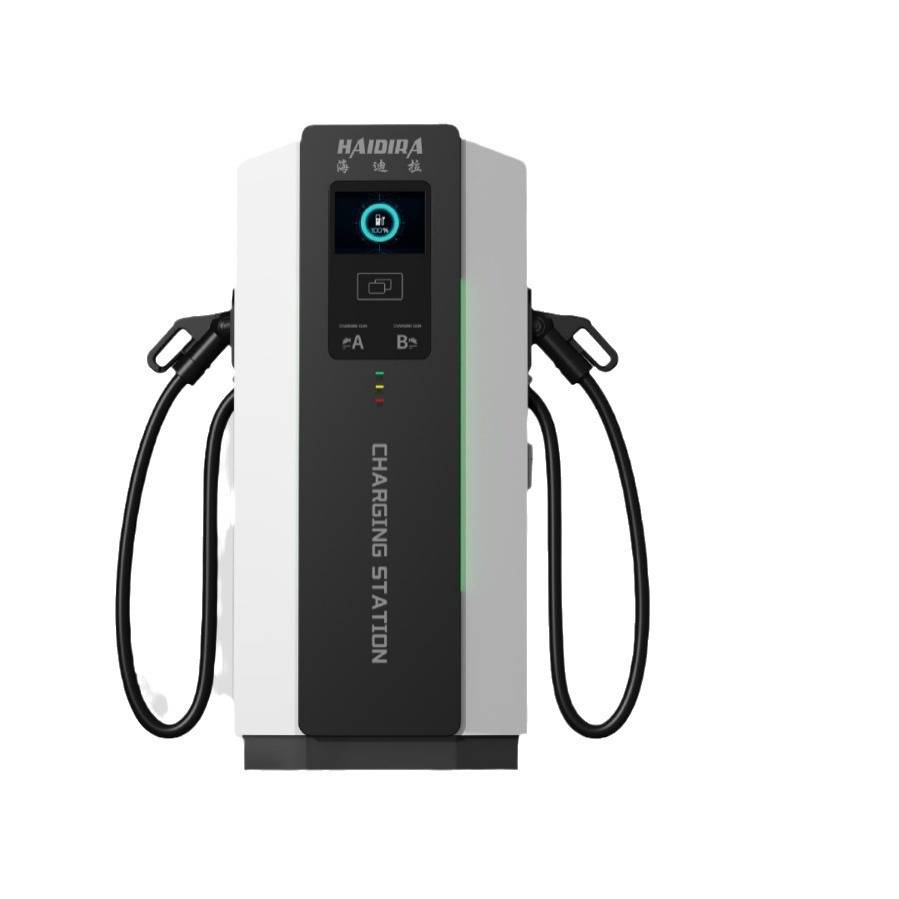
Manufacturer Direct Sales Tesla New Energy Electric Vehicle Universal DC 180kW Dual-gun Charging Pile Commercial Fast Charger
Anhui Haidira Electric Technology Co., Ltd.
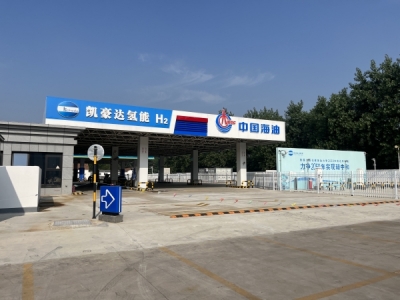
Hydrogen production and hydrogenation charging refueling gas integrated energy station
Shenzhen Kohodo Hydrogen Energy Co., Ltd.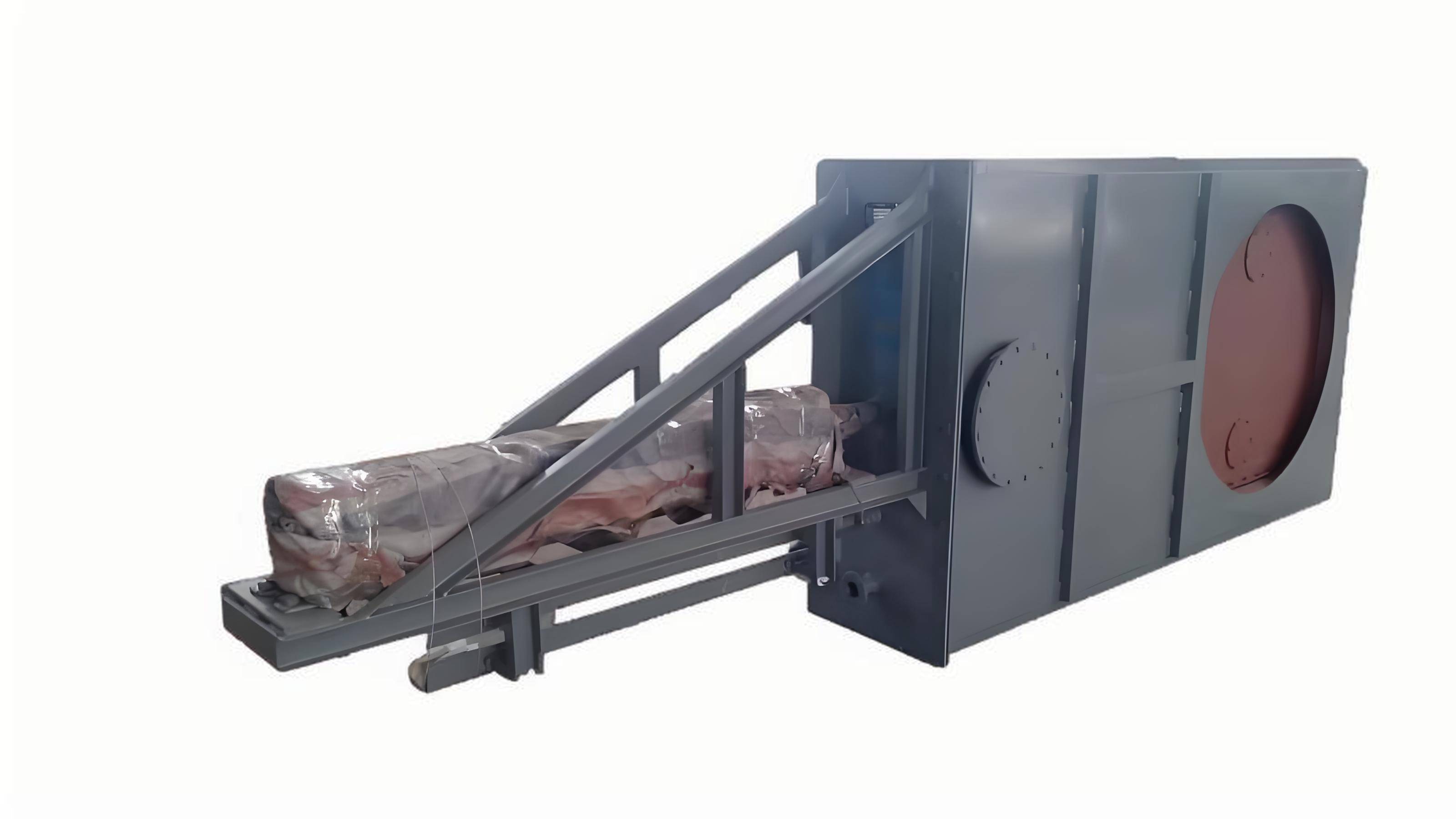
Double-slide Triple-sealed Hot Air Isolation Door
Xi'an Yingchuan Electric Power Equipment Co., Ltd.
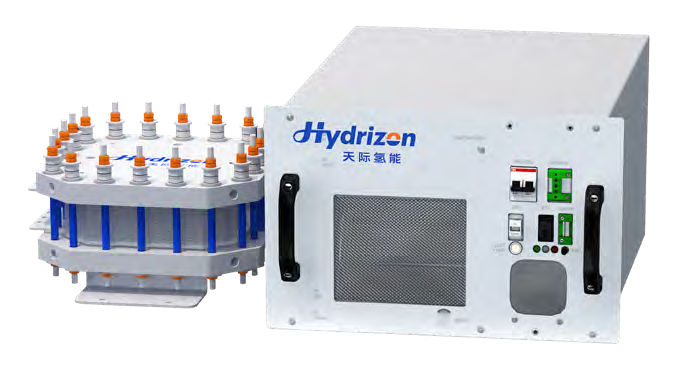
HI-Pro Green Hydrogen High-efficiency Production System-HI-PRO-AEM
Hydrizon Technology (Beijing) Co., Ltd.