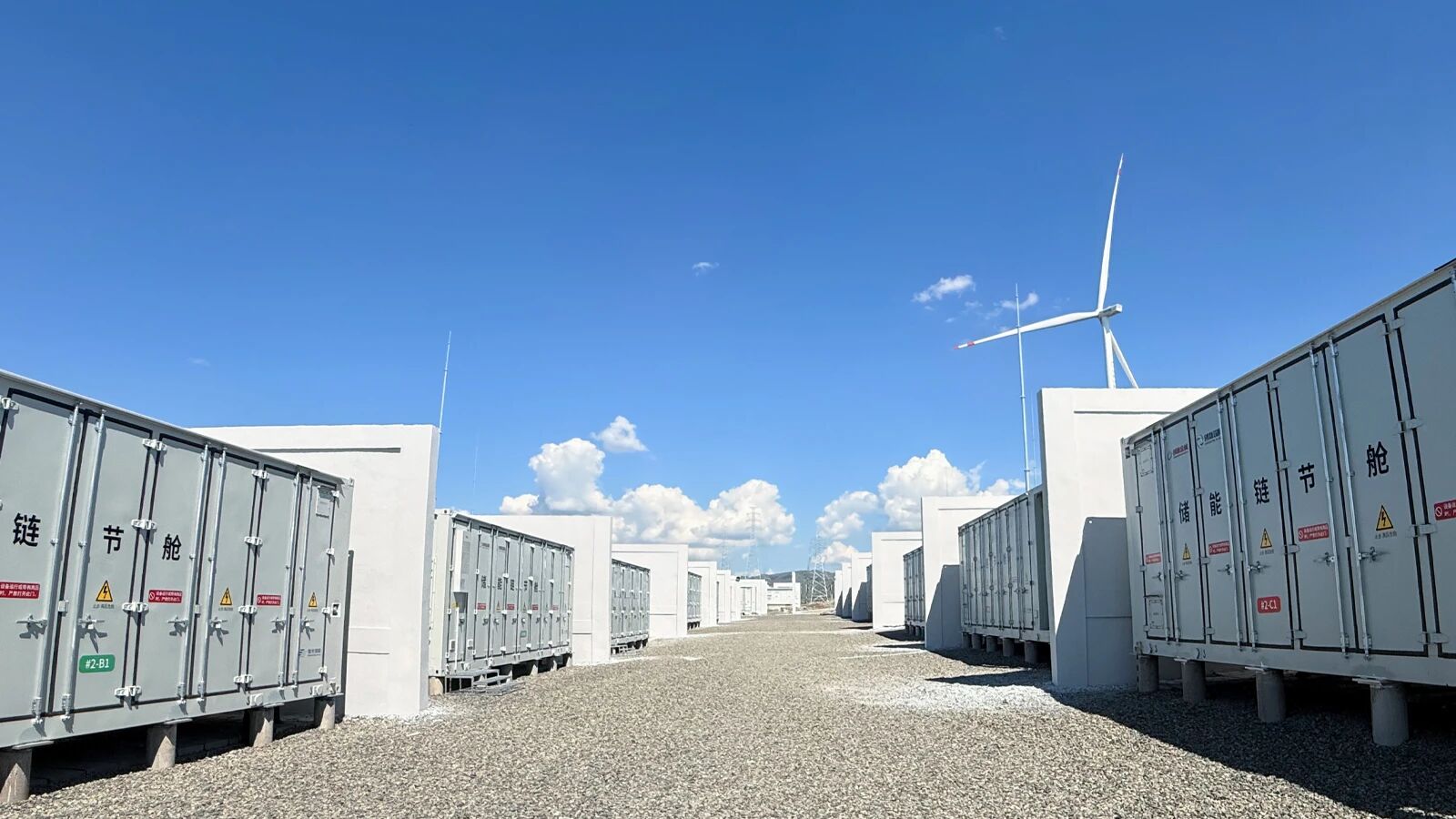
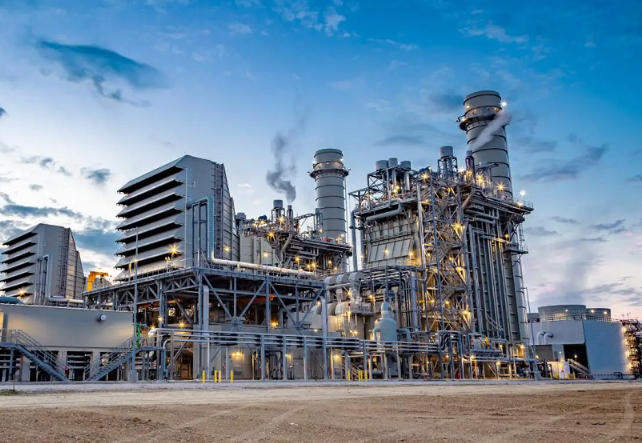
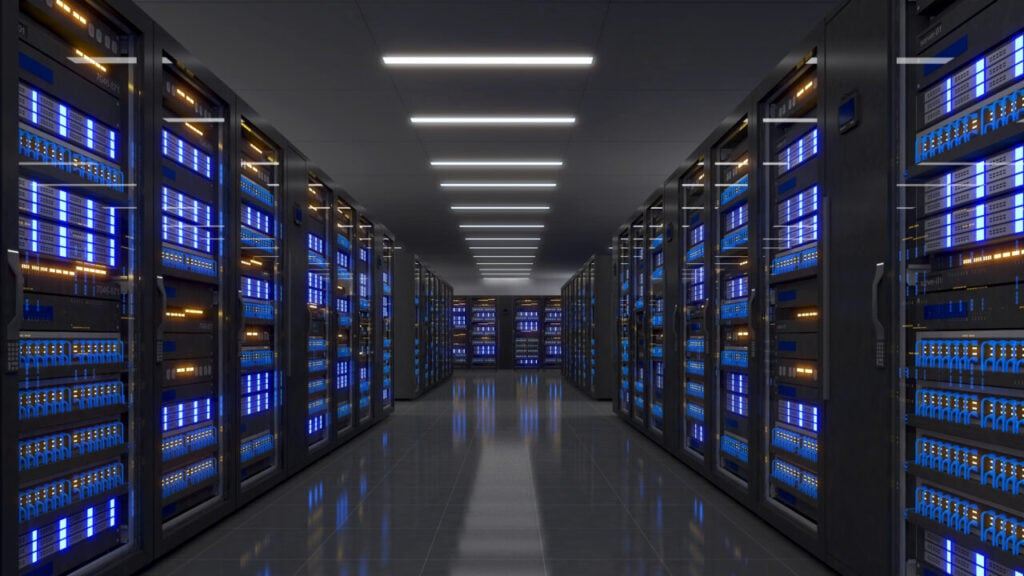
In recent years, many energy storage projects have suffered from the problem of being built merely to meet configuration requirements. Renewable energy projects installed storage to satisfy grid connection or policy requirements, but actual dispatch was insufficient and revenue models were unclear. As a result, storage was often treated as a cost item. Source-grid-load-storage integration is changing this logic.
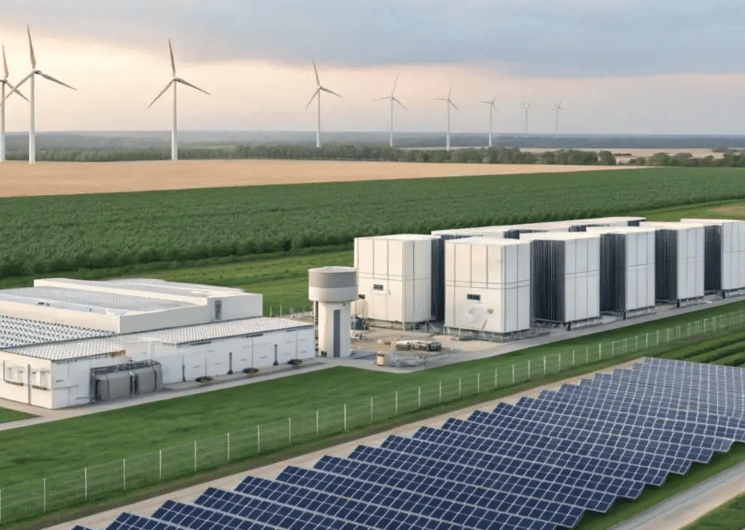
In early 2025, China’s National Development and Reform Commission and National Energy Administration issued a document on market-based reform of renewable electricity pricing. It clearly states that storage configuration shall not be used as a prerequisite for the approval, grid connection or power delivery of new renewable energy projects. The National Energy Administration later noted that the storage industry is shifting from mandatory storage configuration to market-oriented storage use, moving storage from a policy-driven cost item to a market-driven value item.
This transition is critical. Energy storage can fully show its value only when it is embedded in a source-grid-load-storage system. It is not just an accessory to a renewable energy project. It can participate in peak shaving, demand management, solar consumption, backup support, ancillary services, electricity market trading and capacity value realization.
In terms of scale, China’s new-type energy storage sector has entered a rapid development stage. The National Energy Administration reported that in 2025 China added 66.4 GW/189.5 GWh of new-type energy storage, with power capacity and energy capacity growing by about 52% and 73% year on year respectively, ranking first globally for the fourth consecutive year. However, scale growth does not automatically mean project profitability. The true determinants of storage returns are whether the system can be fully dispatched, whether it matches load, whether it responds to market prices and whether it can access diversified revenue mechanisms.
For enterprises, storage configuration should not begin with the question “how large should the battery be?” It should begin with “who does the storage serve?” If it serves photovoltaic consumption, companies need to analyze daytime surplus power and evening peak load. If it serves demand management, they need to examine maximum demand peaks. If it serves park-level integrated energy, they must study the combined load profiles of multiple users. If it serves electricity markets, they must understand local spot markets, ancillary service rules and capacity compensation mechanisms.
The future competition of energy storage will not be only about battery cell prices. It will be about system-level revenue. A high-quality storage project must be embedded in source-grid-load-storage dispatch. It must understand both batteries and loads, both equipment and markets, and it must operate safely while generating sustainable cash flow.