For source-grid-load-storage integration to generate real commercial value, it cannot remain limited to internal project optimization. It needs a platform that connects electricity markets, demand response, ancillary services and distributed resources. That platform is the virtual power plant.
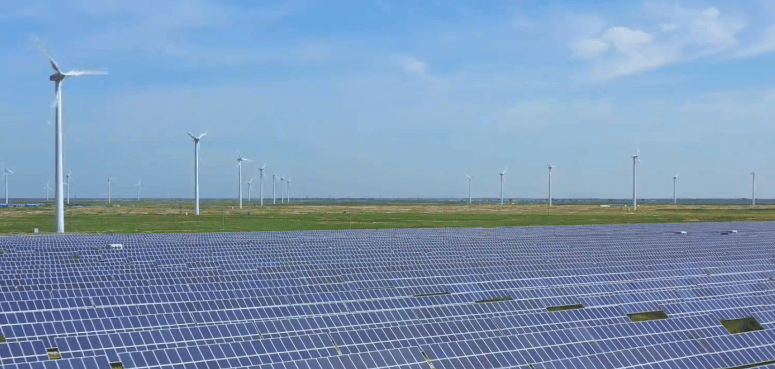
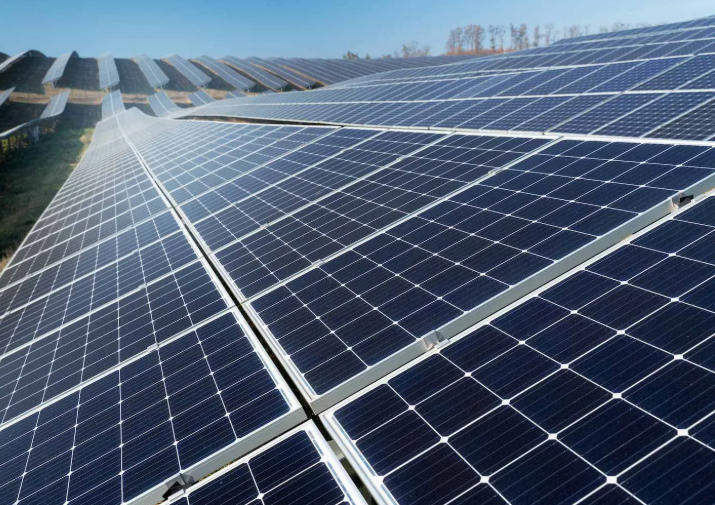
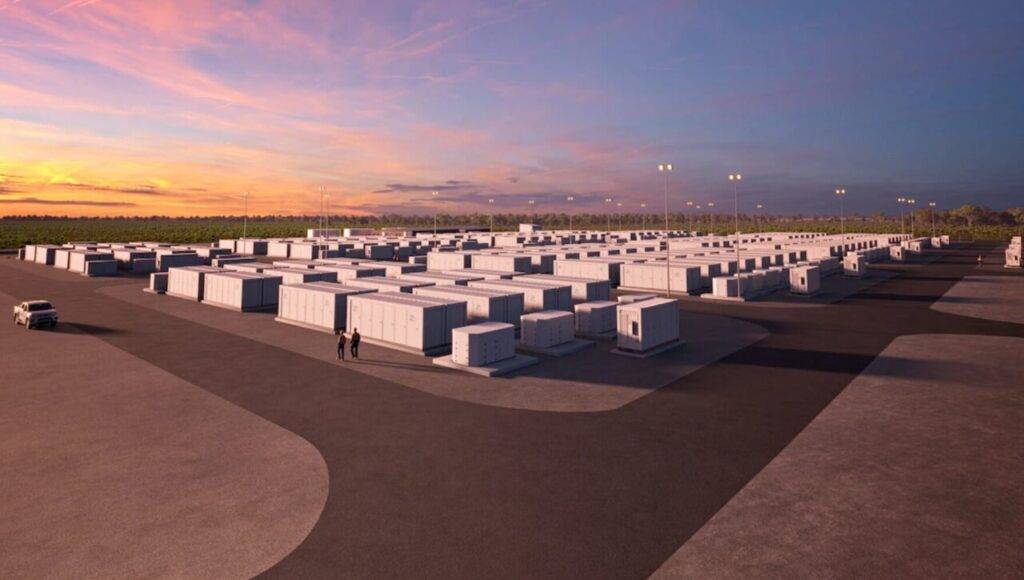
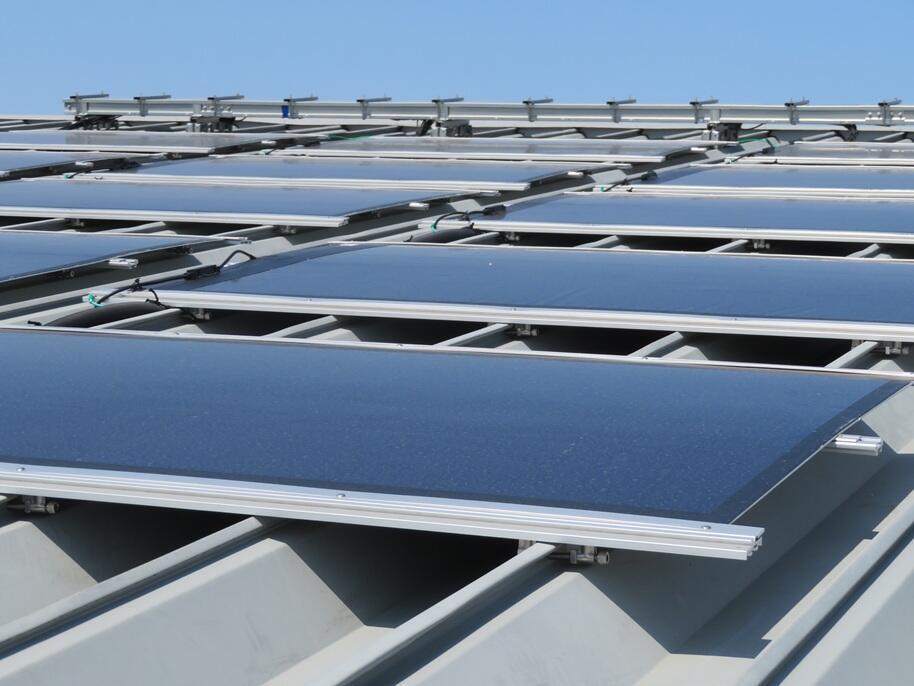
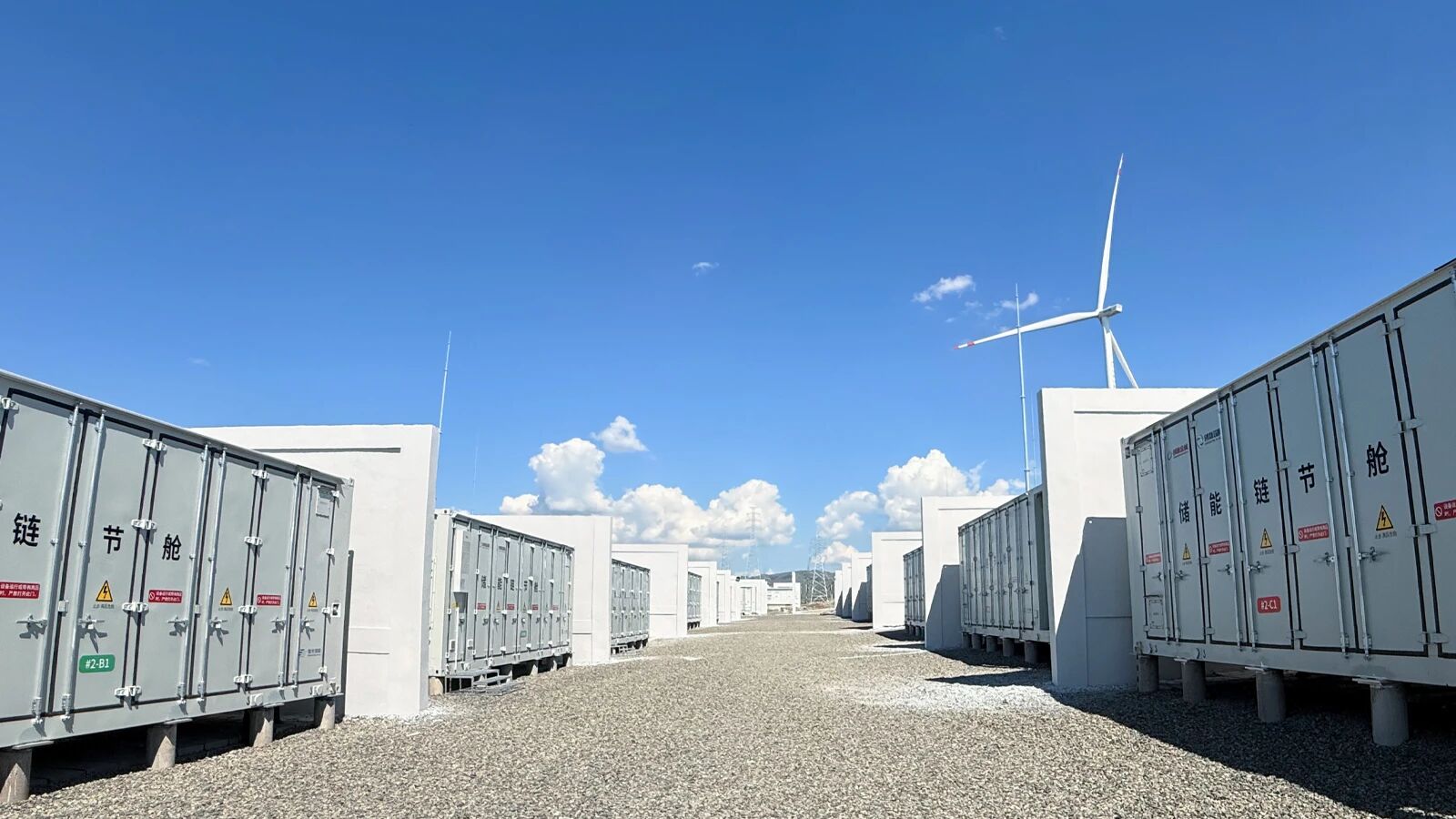
The core of a virtual power plant is to aggregate distributed photovoltaic systems, energy storage, charging piles, air-conditioning loads, industrial flexible loads and data center loads, and then forecast, control and trade these resources through a digital platform. The U.S. National Renewable Energy Laboratory defines a virtual power plant as an aggregation of generation, storage and demand resources managed to achieve a supply-side purpose.
China is also accelerating virtual power plant development. The 2025 guidance on promoting virtual power plants calls for the establishment of construction and operation management mechanisms, including procedures for project construction, access management, system commissioning, capability testing and online operation. It also states that virtual power plants may participate as independent entities in medium- and long-term electricity markets, spot markets and ancillary service markets after meeting relevant requirements.
This is highly important for source-grid-load-storage projects. A single enterprise’s photovoltaic system, storage and flexible load may be too small to directly participate in markets. But when aggregated through a virtual power plant, these resources can become a measurable, predictable and dispatchable resource package. Enterprises can not only reduce their own electricity costs, but also create new revenue through demand response, ancillary services, capacity support and green power management.
In the future, source-grid-load-storage integration will form two types of business models. The first is the “internal optimization model,” which mainly serves an enterprise or industrial park by reducing electricity costs, increasing green power share and improving power reliability. The second is the “market trading model,” which aggregates distributed resources through virtual power plants and brings them into electricity markets, turning flexibility into a tradable asset.
Enterprises should prepare three things now. First, build a measurable data foundation, including generation, storage, load and electricity price data. Second, identify adjustable resources and clarify which equipment and processes can participate in response. Third, choose platform partners with capabilities in electricity markets, energy management and aggregation operation.
The final form of source-grid-load-storage integration is not just a project. It is an energy capability that can be dispatched by the market. In the future, enterprise energy value will not only come from using less electricity, but also from using electricity intelligently, adjusting power flexibly and trading flexibility effectively. Virtual power plants will become the key commercial gateway for this capability.